
Living in Skopje and Ohrid as a Nomad 2026
Living in North Macedonia as a remote worker: Skopje vs Ohrid for nomads - neighbourhoods, coworking, cafés, internet speeds and who each city suits.
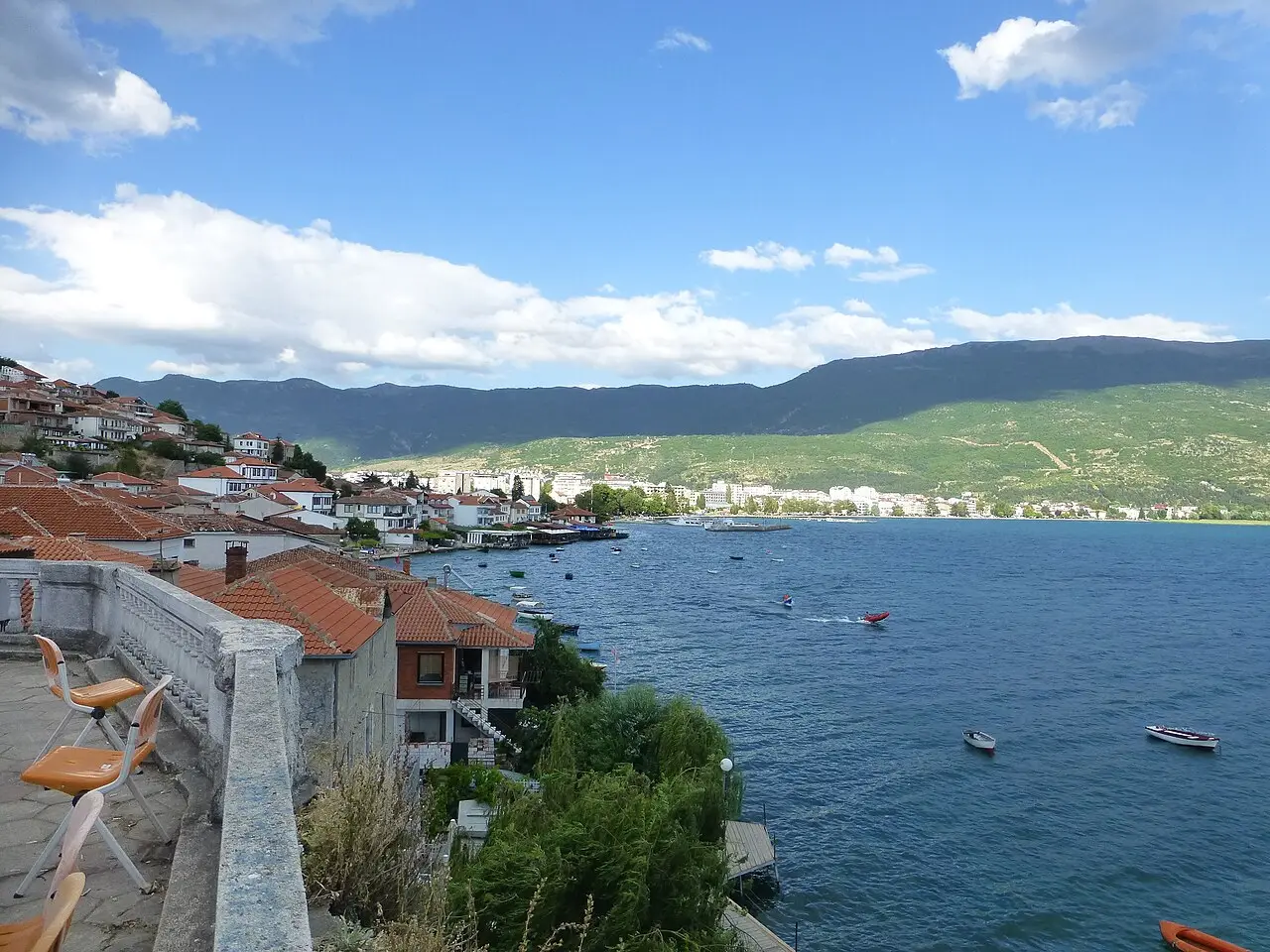
Two cities make North Macedonia work for remote workers, and they pull in opposite directions. Skopje is the practical base - the airport, the coworking spaces, the deepest flat market and a café on every corner, all on a comfortable €600-900 a month for a solo worker. Ohrid is the reward - a UNESCO lake town where your office is a waterfront terrace, cheap and dreamy from October to May, then overrun and pricey in July and August. This guide is the honest comparison: where nomads actually live in each, what coworking and cafés you’ll use, how good the internet really is, and which city suits which kind of remote worker. For the full line-by-line spend, pair it with our cost of living in North Macedonia breakdown.
A note on the numbers. Rents, coworking day-rates and monthly budgets below are indicative 2026 ranges, converted from denar at the euro rate (~61.5 MKD/€1) and drawn from nomad reports and local listings. Prices move with the city and - in Ohrid especially - the season. Treat them as a planning guide and check current listings before you sign anything.
Skopje or Ohrid: which should you base in?
Short version: base in Skopje if work comes first, in Ohrid if lifestyle does - and remember they’re only a little over three hours apart by bus, so plenty of people do winter in one and summer in the other.
Skopje is the capital and it behaves like one. It has the country’s only real coworking scene, an international airport 20 minutes out, hospitals, embassies, big supermarkets and a flat market deep enough that you can actually find a long lease at short notice. It’s not pretty in the postcard sense - the centre is a jumble of brutalist blocks and the divisive 2014 marble-and-bronze makeover - but it’s cheap, walkable and genuinely convenient, and the café culture is the daily backbone of nomad life here.
Ohrid is the opposite trade-off. You give up the airport (the nearest year-round hub is Skopje, ~2.5-3 hours away), a big flat market and most of the coworking, and you get one of the most beautiful lakes in Europe on your doorstep for a fraction of Adriatic prices. It’s idyllic off-season and a genuinely tough place to find quiet, affordable long-term housing at the height of summer. More on that below.
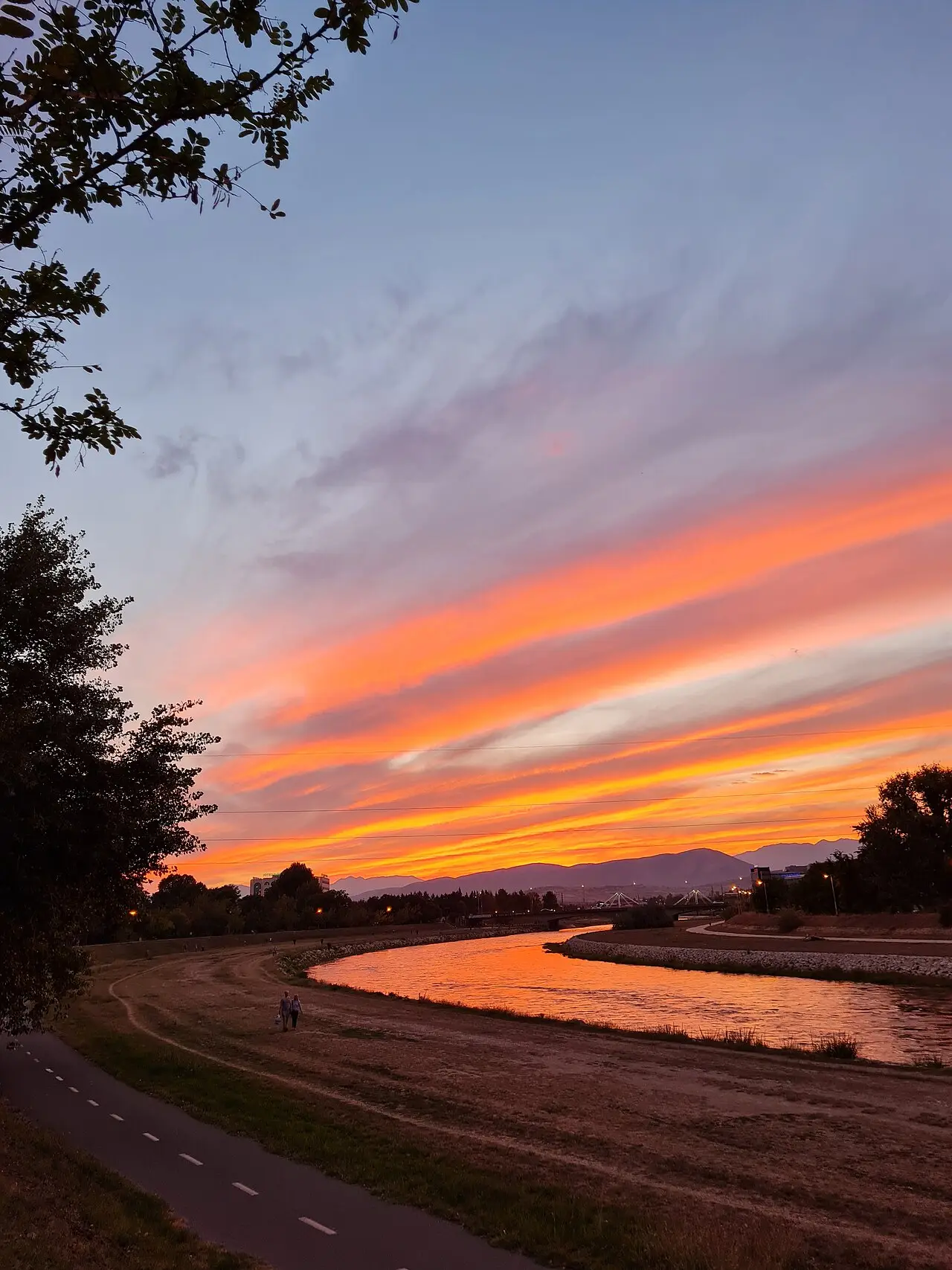
Living in Skopje: neighbourhoods for remote workers
Three areas come up again and again, and they map neatly onto three types of person.
Debar Maalo is the classic nomad pick. It’s a low-rise, tree-lined neighbourhood just west of the centre, packed with kafanas, bakeries and bars, and it feels lived-in and local rather than touristy. You’ll walk everywhere, eat out constantly and pay a small premium over the outer blocks for the atmosphere. If you want the “I live here, I have a local” version of Skopje, this is it.
Centar - the actual city centre around the Stone Bridge, Macedonia Square and the Old Bazaar - is the choice if you want everything on your doorstep: the most Wi-Fi cafés, the coworking spaces, the transport hub and the riverside. It’s slightly pricier and a bit noisier, but nothing in Skopje is far, so “central” is more about convenience than necessity.
Vodno is for people who’d trade nightlife for a view. It climbs the lower slopes of Mount Vodno on the city’s southern edge - greener, quieter, cooler in summer, with the Millennium Cross and hiking trails above you. You’ll want to be comfortable with a short bus or taxi to reach the cafés and coworking, but weekend hikes start at your door.
Across all three, a comfortable solo remote-work budget lands around €600-900 a month including rent - the low end if you share or take an outer flat, the top end for your own central one-bedroom with restaurants several times a week. That tracks with the ranges in our cost of living guide, which breaks rent, groceries and bills down city by city.
Coworking and cafés in Skopje
You have two ways to work in Skopje: a proper coworking desk, or the café-as-office habit you’ll actually default to.
For coworking, the names that come up most are Coffice, The Hub on Partizanski Odredi and Highspace. Operator prices in August 2026 sit well above the €5-10 day passes older round-ups still repeat: a day desk is €15 at Coffice, 1,190 MKD (about €19) at The Hub and €25 at Highspace, and a month runs from about €126 on a long Coffice contract to €300 at Highspace. Cheaper than Lisbon or Berlin, but not by the margin those stale figures implied - full menus, flex packs and an honest café-WiFi list are in coworking in Skopje. That’s the real draw anyway: in a city where there’s a small but growing remote-work crowd, the coworking calendar is often where you’ll meet people.

Honestly, though, that’s where most days happen. Skopje runs on coffee - a cappuccino is under €2 and nobody rushes you - so nursing one over two hours of email is a completely normal way to spend a morning. Debar Maalo and the riverside are thick with places that have decent Wi-Fi and outdoor tables. My advice: use a coworking membership for calls and focus days, and let the café circuit cover the rest.
Living in Ohrid: the lake life (and its catch)
Ohrid is where people fall in love with the country. The old town tumbles down to a lake so clear you can see the bottom metres out, the waterfront is one long parade of cafés and restaurants, and the pace is slow in the best way. For a remote worker who values scenery and calm over buzz, a shoulder-season month here is hard to beat - and it’s cheap. Basic studio apartments on monthly lets start from around €150-300 off-season, depending on size and location - in line with the wider cost-of-living picture below.
The catch is seasonality, and it’s a big one. Ohrid is the country’s headline summer destination, so from roughly late June the town flips: owners switch long-term flats to nightly holiday lets, prices climb, and the quiet lakeside you fell for in May is packed by August. The move that works is a long lease signed outside peak season - arrive in autumn or winter, lock in a good flat for a couple of hundred euros, and you’ll ride out the summer surge instead of paying it. For the listings sites, deposits and neighbourhood trade-offs, see long-term rentals in Skopje and Ohrid. Our cost of living guide has more on why Ohrid’s winter rents and summer lets are effectively two different markets.
Coworking in Ohrid is small and not especially central - this part of the world hasn’t taken to it the way capitals have. Two spots do exist: CoWorkOhrid, the best-known, at roughly 799 MKD (€12.95) a day or about €50 a week; and Kasarna Hub, a freelancer-friendly community space set in a former army barracks north of town, at around 500 MKD (€8) a day. Both report Wi-Fi near 100 Mbps - that’s faster than a lot of home connections. Realistically, most remote workers here treat the lakefront cafés as their office and keep a coworking day-pass in reserve for calls or deadline crunches.
Internet and staying connected
This is the practical question that decides whether Ohrid or Skopje is even viable for your work, so here are real figures rather than reassurances.
Nationally, fixed broadband averages about 54 Mbit/s down and 37 Mbit/s up - solid for video calls and everyday work, if not a global speed leader (the country ranks around 105th). The better news is fibre reach: high-speed fibre over 100 Mbps covers roughly 63% of the population, and 30 Mbps-plus around 83%, with full fibre-to-the-home built out across Skopje by A1 and MakTel (Telekom). In practice, a fibre flat in either city comfortably handles calls, big uploads and a second person streaming - home fibre or cable runs about €16 a month.
A few things worth knowing before you rely on it:
- Check the specific flat. National averages hide big gaps between a new fibre building and an older block on legacy cable. Ask the landlord what’s installed and, ideally, run a speed test during a viewing.
- Have a mobile backup. Sort connectivity before you arrive with an eSIM (a few euros of data gets you online the moment you land), then switch to a local prepaid SIM from A1, Telekom (MaxTel) or Lyca once you’re settled - our guide to the best eSIM for North Macedonia compares the plans, prices and coverage. A phone hotspot is your insurance against a flaky home line on a call day.
- The time zone is a quiet advantage. North Macedonia is on CET, the same clock as most of Europe - no awkward 3am standups for Europe-facing work, and a manageable overlap with the US East Coast.
The visa reality (the honest bit)
One myth to kill before you plan: there is no digital nomad visa in North Macedonia. You’ll see aggregator sites listing a cheap “North Macedonia nomad visa” - it doesn’t exist as a formal programme (it’s been floated, not launched). Don’t build a move around it - our digital nomad visa: the truth guide traces exactly where the “$50 visa” claim comes from and what remote workers actually use instead. The whole move as a sequence is moving to North Macedonia.
What actually applies: citizens of the US, UK, EU and Ukraine can enter visa-free for 90 days in any 180 - plenty of time to try a city out. To stay longer and legally, you use one of the ordinary residence routes: a work or self-employment permit (including as the owner of a company you register here), or residence through property (the EUR 40,000 purchase route for EU/OECD residents). We cover immigration in detail - start with how to get a residence permit in North Macedonia - and if you’re planning to go freelance or set up locally, registering a company (DOO/DOOEL) and the flat 10% tax. Both are sensitive, changeable topics, so treat those guides as orientation and confirm the current rules with the relevant authority and a local professional.
Getting between the two (and everywhere else)
You don’t have to choose one city forever. Intercity buses connect Skopje and Ohrid several times a day for a handful of euros, and the same network links Bitola, Struga and the rest of the country - so a “base in Skopje, summer in the mountains, autumn by the lake” rhythm is entirely doable on a nomad budget. For fares, apps and how the buses and taxis actually work, see our getting around North Macedonia guide, and if you’re weighing when to arrive, the best time to visit North Macedonia doubles as a guide to the seasons you’ll be living through.
So who is this life for?
North Macedonia suits you as a remote worker if:
- You earn in euros, dollars or pounds. A Western income against local prices is the whole equation - and the flat 10% tax, if you set up here, sweetens it. What that 10% actually covers, and what a freelancer with no local company owes and files, is its own guide: North Macedonia taxes for expats.
- You want café culture and nature over a big expat scene. The remote-work community is small and growing, not a ready-made social life. Daily life leans local, which is the appeal and the adjustment in one.
- You value the two-city option. Skopje for infrastructure and winter, Ohrid for the lake and the shoulder seasons - few countries this cheap let you swing between a real capital and a UNESCO lakefront in an afternoon.
It’s a weaker fit if you need a large on-the-ground job market (local wages are low), guaranteed sunshine (inland winters are cold), or a plug-and-play nomad visa - which, again, isn’t a thing here.
The bottom line
Base in Skopje for the airport, the coworking, the flat market and the convenience - budget €600-900 a month and settle in Debar Maalo, Centar or Vodno depending on whether you want buzz, everything-on-the-doorstep or a view. Escape to Ohrid for the lake, work from waterfront cafés, and sign your lease off-season to dodge the summer squeeze. The internet is genuinely good on fibre, the time zone is friendly, and the two cities are a cheap bus ride apart. Line up the money side with our cost of living guide, dig into long-term rentals in Skopje and Ohrid before you message landlords, then sort the paperwork with our residence permit and company registration walkthroughs. See healthcare in North Macedonia for expats for the resident side.
Read also
- Desk prices and cafés: coworking in Skopje
- The full spend, city by city: cost of living in North Macedonia
- What you actually owe and file: North Macedonia taxes for expats
- Staying long-term, legally: North Macedonia residence permit
- Health cover as a resident: healthcare for expats
- Going freelance or setting up a company: register a company (DOO/DOOEL) and tax
- Moving between the cities: getting around North Macedonia
- Timing your arrival: the best time to visit North Macedonia
Photos
Good to know
Rents, coworking day-rates and monthly budgets here are indicative 2026 ranges, converted from denar at the euro rate (~61.5 MKD/€1). They move with the city and the season - check current listings and coworking prices before you commit.
Details checked: July 3, 2026
Read also

Relocation · 16 min read
HIF Health Insurance North Macedonia 2026: Who Can Join
Updated · September 5, 2026North Macedonia public health insurance (HIF/FZO) for foreigners: Article 5 grounds, 8-day ZO-1 registration, 8% health contribution, 20% co-pay cap. 2026.

Relocation · 10 min read
Moving to North Macedonia: Start Here
Verified · September 3, 2026Move in order: entry, police registration, residence, housing, tax, health. Live numbers sit on the linked pages, not here.

Relocation · 11 min read
Healthcare in North Macedonia for Expats
Updated · September 24, 2026How expats and nomads use North Macedonia public HIF, private clinics in Skopje, and when long-stay cover still matters. Checked 30 Aug 2026.

Relocation · 12 min read
Buying Property in North Macedonia as a Foreigner
Updated · August 24, 2026Can foreigners buy in North Macedonia? EU/OECD rules, cadastre checks, notary steps, transfer tax, and the EUR 40k residence link - checked Aug 2026.