
What to Eat in North Macedonia: Food & Wine Guide
What to try in North Macedonia: tavče gravče, ajvar, pastrmajlija, burek, Ohrid trout, plus Tikveš wine, Vranec and rakija - and where to eat it.
Macedonian food is Balkan comfort cooking with an Ottoman accent: slow-baked beans, smoky roasted-pepper relish, grilled meat, flaky pastry, and freshwater fish from Lake Ohrid, washed down with some of the best-value wine in Europe. The dishes that are properly Macedonian - tavče gravče, pastrmajlija, ajvar - sit alongside shared-Balkan staples you’ll also meet in Serbia, Bulgaria and Albania. This guide runs through what to order, what to drink with it, one fish to order carefully, and how to find the real thing.
One number to keep in your head: the currency is the Macedonian denar (MKD), steady at roughly 61.5 to the euro. That steady rate is why a full meal with wine here costs a fraction of what it would on the Adriatic - eating well is cheap, and that is a big part of the pleasure.
Tavče gravče: the national dish
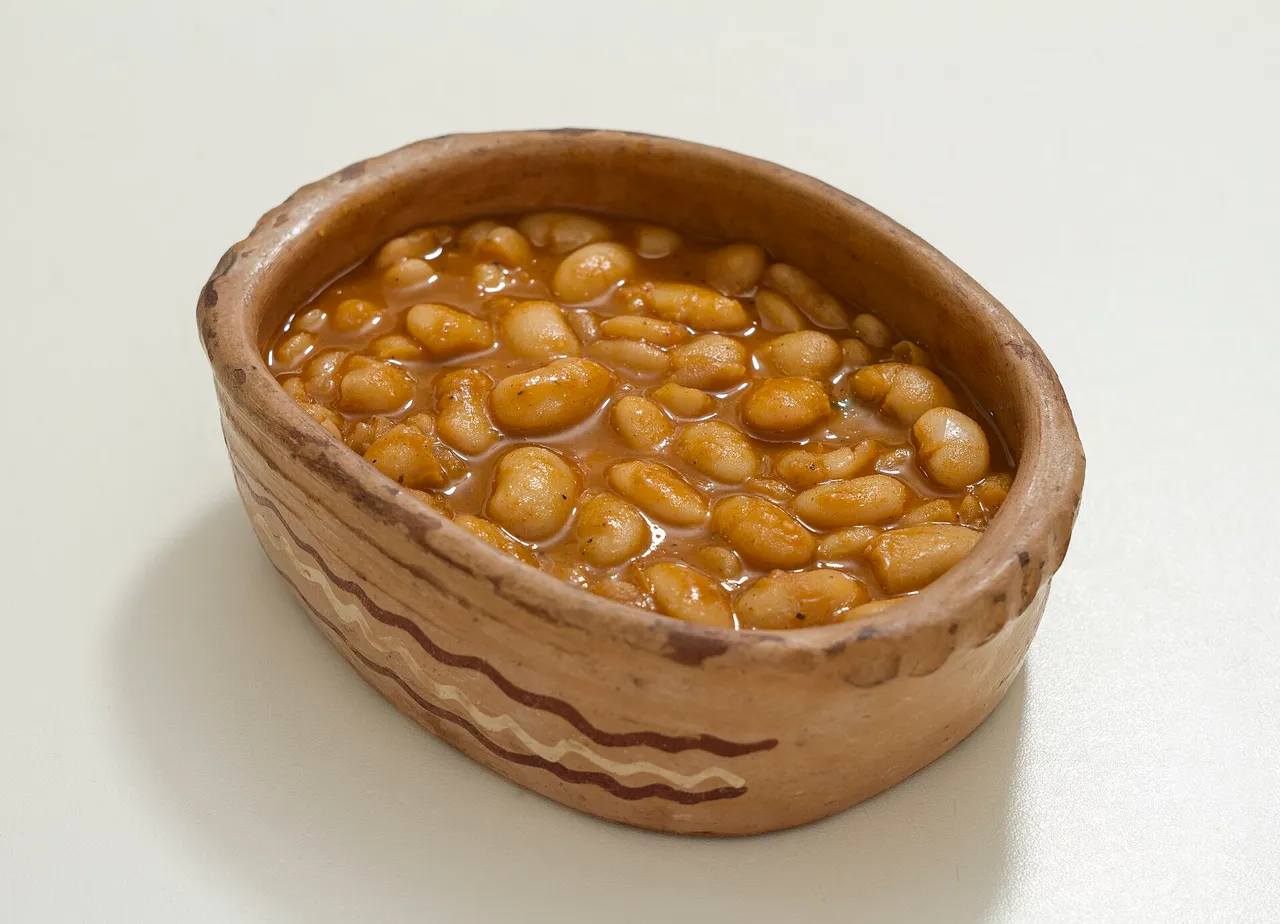
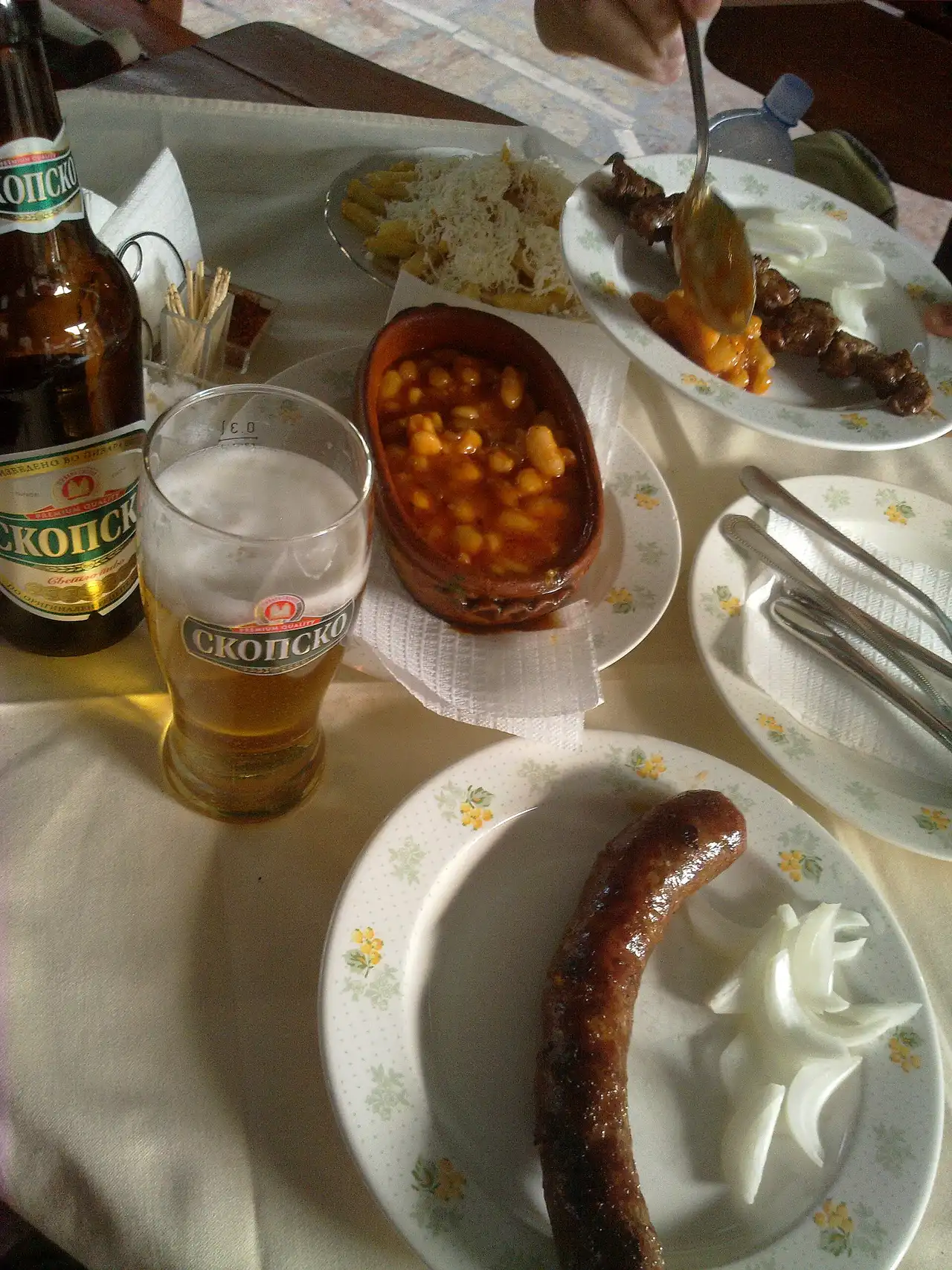
If you eat one thing, make it tavče gravče - the name means “beans in a tava”, and the tava is the point. White beans are cooked with onion and a lot of red paprika, then baked and brought to the table still bubbling in a shallow unglazed clay pot. It’s hearty, mildly smoky, and genuinely satisfying in a way baked beans have no right to be.
Here’s the thing most visitors don’t realise: the classic version is meat-free. Because most of the country is Orthodox Christian and observes fasting days, tavče gravče evolved as a Friday and fasting dish, which makes it one of the easier Balkan national dishes for vegetarians to enjoy without negotiation. Plenty of places do add a sausage or chunks of pork on top, so if you want it plain, say so - and if you want it rich, order the version with kolbas (sausage). Either way it’s a full meal, not a side.
Ajvar: the pepper relish worth a jar in your bag
Ajvar is a relish of roasted red peppers, blended smooth or left slightly chunky, sometimes with a little aubergine, and it goes on and beside almost everything - bread, grilled meat, cheese. “Macedonian ajvar” even carries a registered protected appellation of origin, and the town of Strumica in the southeast is famous for growing the best peppers for it.
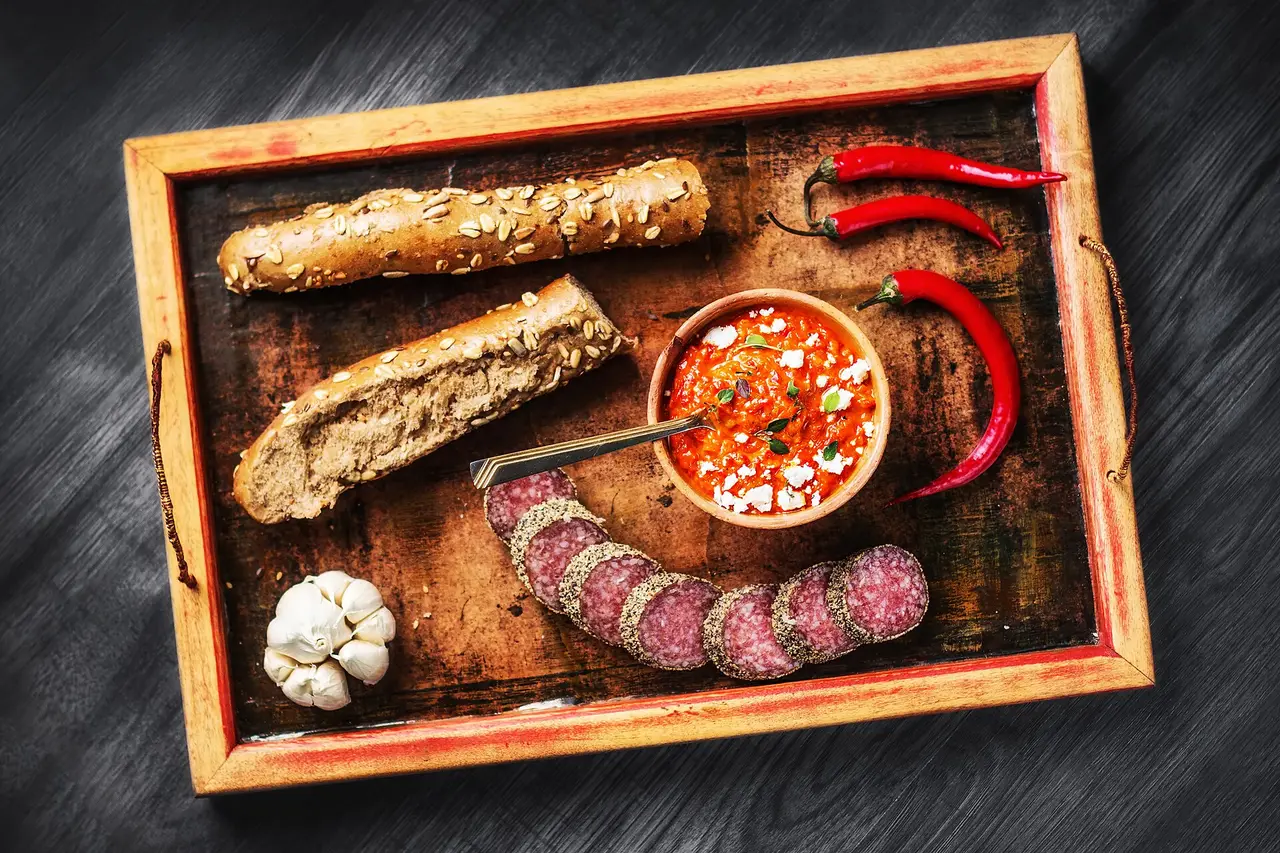
If you visit in September or October, you’ll smell it before you see it. Ajvar-making is part of zimnica, the autumn ritual of putting up preserves for winter: whole families roast peppers over open fires in yards and on balconies, peel and grind them, and jar the result over a long, smoky weekend. The shop-bought stuff is fine; a jar of someone’s homemade ajvar is a different food entirely. It’s also the single most portable souvenir you can bring home.
Pastrmajlija: the “Macedonian pizza”
Pastrmajlija is an oval boat of bread topped with cubed meat, baked until the edges crisp and the middle stays chewy - inevitably described to tourists as “Macedonian pizza”, which undersells it. The name comes from pastrma, salted dried meat (originally mutton or lamb); today it’s usually pork or chicken, sometimes finished with an egg cracked over the top in the last minutes.
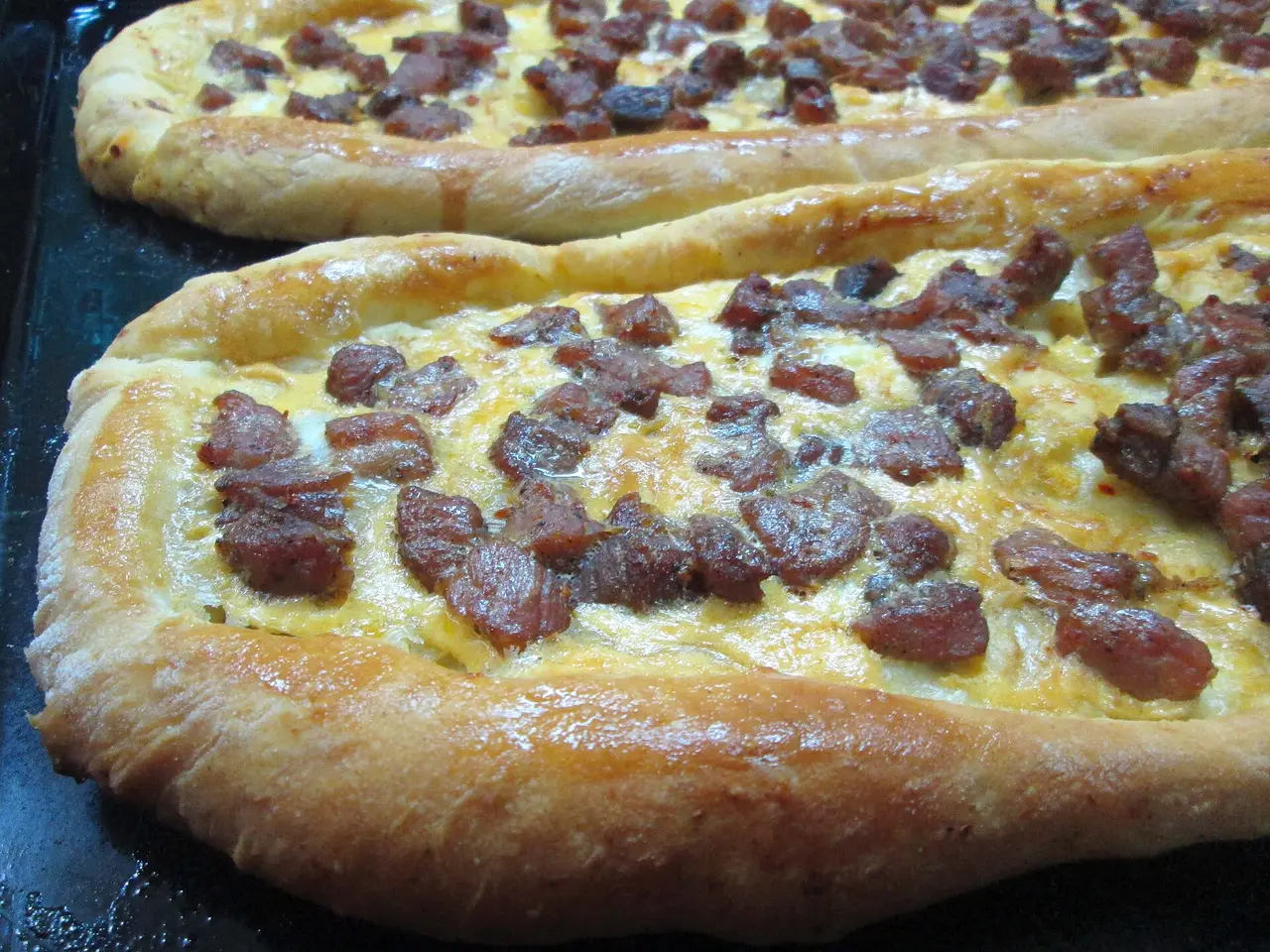
It belongs to the east - Štip, Sveti Nikole and Veles - and Štip takes it seriously enough to hold an annual festival, the Štipska Pastrmalijada, where the town’s bakeries compete and the streets fill with the smell of baking meat. You’ll find pastrmajlija in bakeries countrywide, but it is at its best fresh from the oven in its heartland, ordered by the piece and eaten hot.
Burek and the bakery
The everyday hero is burek - filo pastry layered with meat, cheese, or spinach, baked in a big round tray and sold by weight from bakeries (pekara) from early morning. It’s the standard Macedonian breakfast, often with a drinkable yoghurt (kiselo mleko or ayran) on the side to cut the richness. Cheap, filling, everywhere, and the reliable thing to grab when you’re moving between towns.
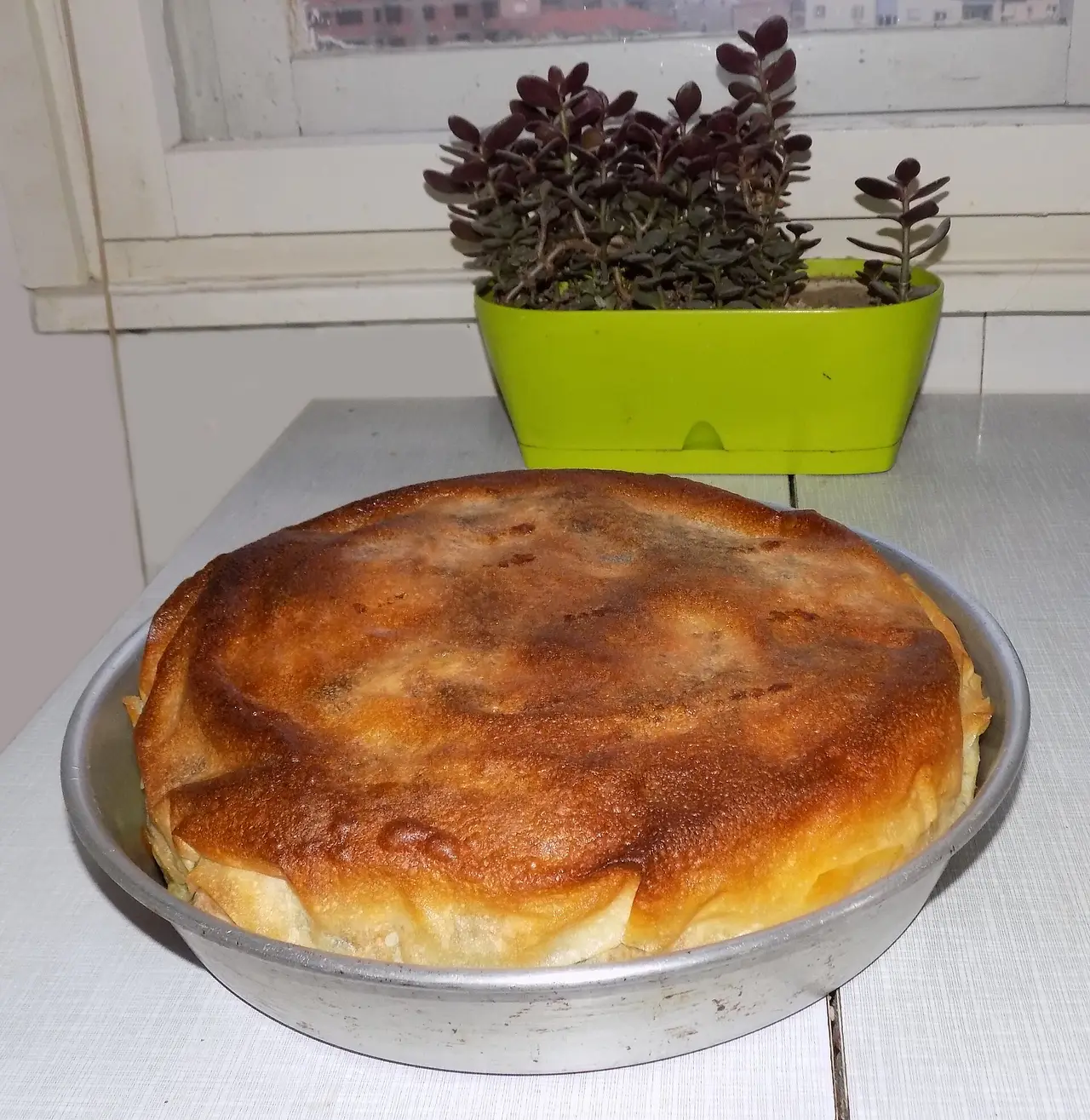
A small tip: “burek” strictly means the meat version to some purists, so a cheese pie may be listed as sirenje and a spinach one as zelnik or pita. Point at what looks good in the tray and you’ll not go wrong.
The grill and the salad
Wherever you are, the grill (skara) is the reliable cheap dinner. Order kebapi (small grilled minced-meat fingers, the local cousin of ćevapi) or a plješkavica patty, and it’ll arrive with raw onion, a scoop of ajvar and a flatbread. It’s not uniquely Macedonian - the whole region grills the same way - but it’s what people actually eat, and a proper grill house beats any restaurant terrace.
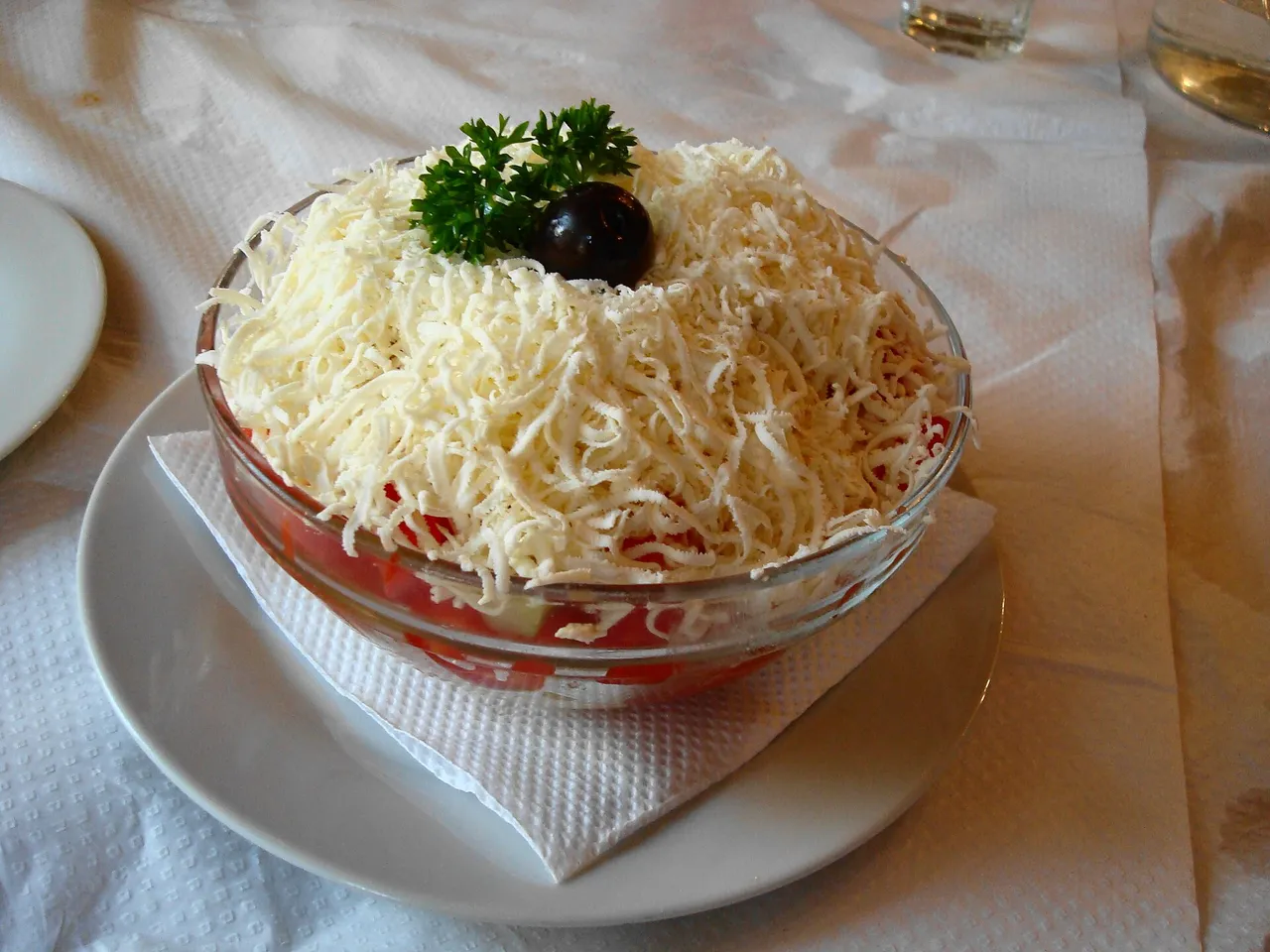
To start, order šopska salata - diced tomato, cucumber, pepper and onion buried under a snowfall of grated sirenje (white brine cheese). It’s the default Balkan salad and the right fresh counterweight to all the beans and grilled meat.
Look out too for the home-style oven and pot dishes on menus inland: turli tava (a mixed vegetable-and-meat bake), selsko meso (“village meat” with mushrooms in a clay pot), sarma (stuffed cabbage or vine leaves), and polneti piperki (stuffed peppers). None will surprise a Balkan traveller, all reward a slow lunch.
Ohrid trout: order it, but order it right
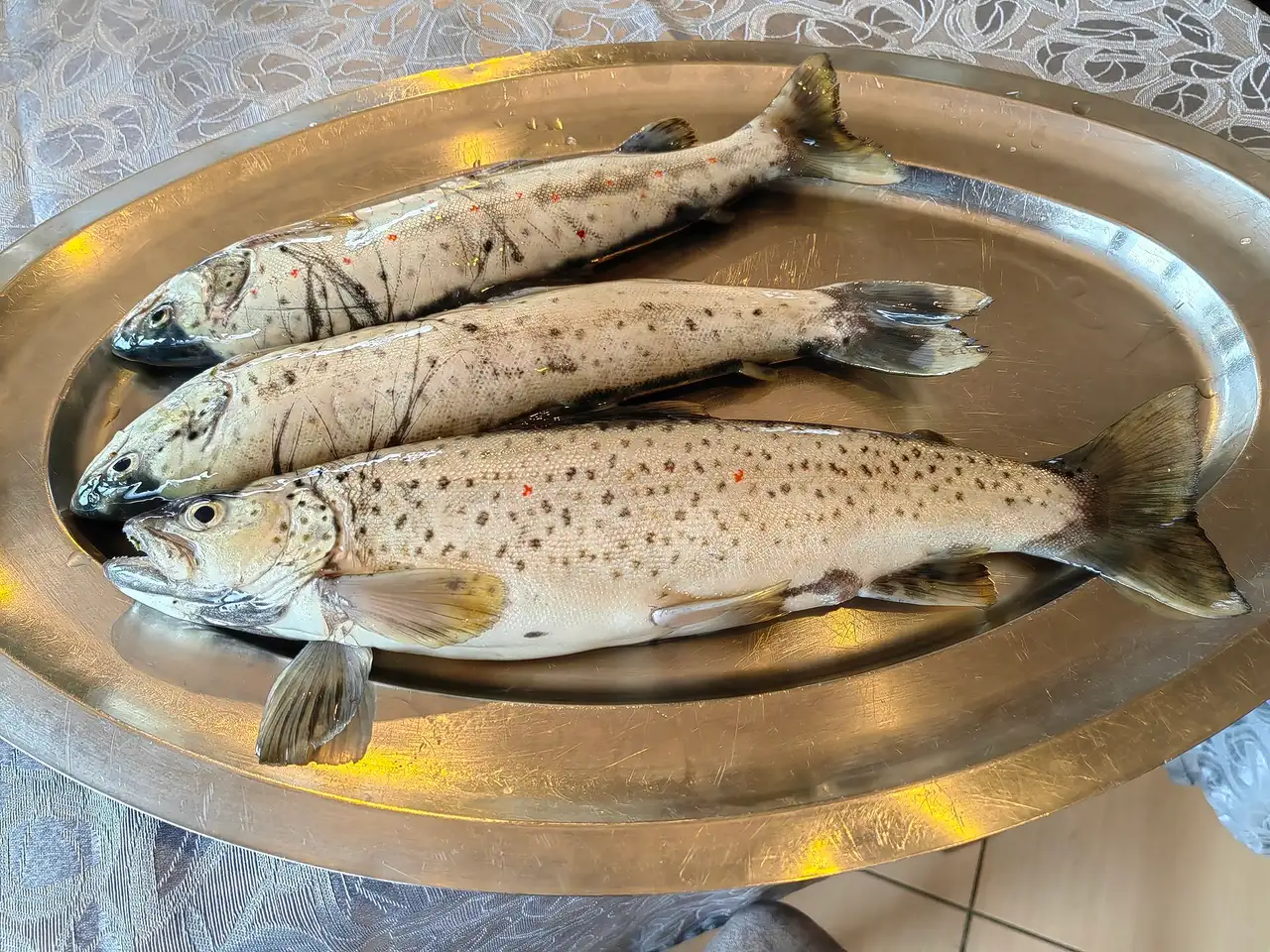
Down by the lake, the menu changes. Lake Ohrid is one of the oldest lakes on Earth and holds fish found nowhere else, and the famous one is Ohrid trout (ohridska pastrmka). It’s genuinely delicious - somewhere between a brown trout and a salmon - and it’s also a fish to order thoughtfully.
The wild endemic trout is endangered: catches collapsed from more than 100 tonnes a year to under 10 since the early 1990s, and wild fishing is restricted to protect what is left. So this is the one dish where the responsible move is to ask. Reputable restaurants serve farmed Ohrid trout (it’s raised in aquaculture for exactly this reason) or a related species such as the grivka rather than wild-caught fish. Ask where the trout comes from; a good place will tell you happily, and you’ll eat the specialty with a clear conscience.
Beyond trout, the lake gives you other freshwater fish - carp, and the small fried plašica - best eaten at a simple place near the water; our guide to where to eat in Ohrid names the fish terraces at Kaneo and the traditional kitchens worth the walk. For where to base yourself around the lake, our guide to things to do in Ohrid points you to the old-town lanes where the better-value kitchens hide, and the Lake Ohrid guide covers the wider shore.
What to drink: Vranec, Temjanika and rakija
Macedonia is a serious wine country that most visitors have never thought of, and the prices are absurdly friendly. The heart of it’s the Tikveš region in the Vardar valley, which holds around 80 percent of the country’s wineries; Tikveš Winery, founded in 1885, is one of the largest in southeastern Europe.
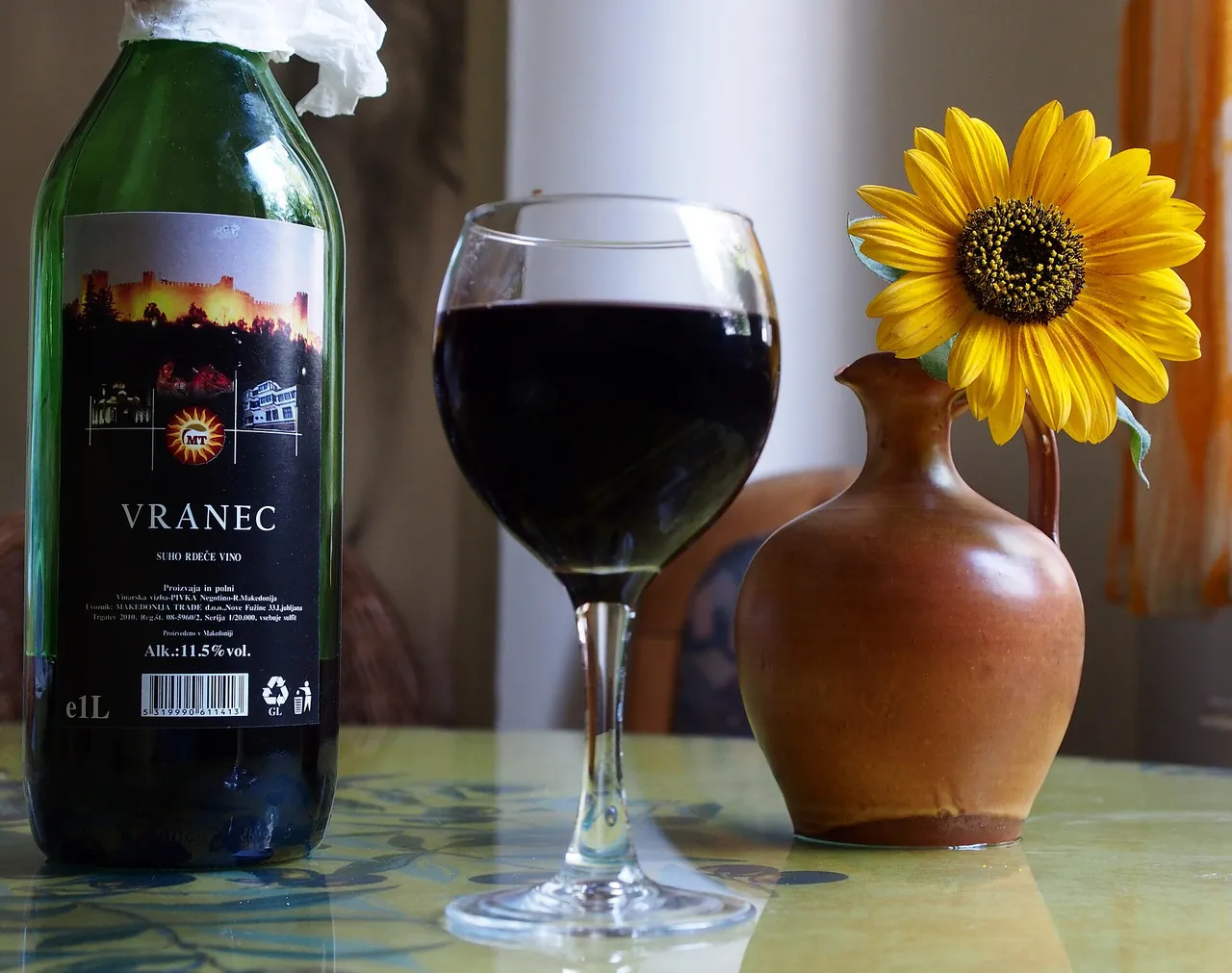
The red to know is Vranec - dark, full-bodied, a little rustic when young and deeper with age. This is its homeland: North Macedonia has the largest planted area of Vranec anywhere in the world, so the everyday house red really is the local grape, and it stands up beautifully to grilled meat and pastrmajlija. For a white, look for Temjanika, the local name for Muscat Blanc à Petits Grains - aromatic, floral and dry, and an easy match for lake fish and šopska salad.
Stronger stuff means rakija, the fruit brandy poured as a welcome and a digestif; the grape version is loza, and homemade batches from a village still can be fierce, so sip it. You’ll also meet mastika, a strong anise-flavoured spirit tied to the Strumica region and considered, alongside tavče gravče, one of the national drinks. For a long cold one, Skopsko is the everyday beer.
Where and how to eat it
The word to look for is kafana - a traditional tavern, usually family-run, where the home cooking lives. In Skopje, the two obvious hunting grounds are the Old Bazaar on the north bank of the Vardar, best for cheap grilled meat, burek and Turkish coffee, and Debar Maalo, the leafy district packed with kafanas doing mezze, grill and house rakija. Our guide to things to do in Skopje maps both, and for a few hand-picked, verified places you can browse our food directory. For how a Macedonian meal actually works - the kafana ritual, the meze order and where to sit down city by city - see our companion guide to Macedonian food.
A few practical notes to finish. Cards work in city restaurants, but carry denar in cash for the bazaar, village kafanas and markets. Green markets in Skopje, Bitola and Ohrid are the place to buy ajvar, honey (up to 2 kg a person into the UK or the EU) and dried peppers to take home; leave the cheese, since dairy from outside the EU isn’t allowed into the UK or the EU. And with lake fish, do the one thing that matters: ask whether the trout is farmed before you order, and enjoy it knowing you got it right. For the short Macedonian lines that help at the kafana and the market - the bill, “I’d like this”, how much - keep Macedonian phrases for travelers open on your phone.
Photos
Read also

Food · 10 min read
Ajvar: North Macedonia's Red Pepper Obsession
Updated · October 3, 2026Ajvar explained: the autumn pepper-roasting ritual, how it differs from pindjur and malidzano, what a jar costs in Skopje and how to fly home with one.

Food · 8 min read
Where to Eat in Ohrid: Best Restaurants & Lakeside Dining
Updated · July 13, 2026Where to eat in Ohrid: the best lakeside fish restaurants at Kaneo, traditional kitchens in the old town, the trout to order, and what it costs.

Food · 8 min read
Macedonian Wine: A Guide to Grapes and Regions
Updated · July 12, 2026A guide to Macedonian wine: Vranec, Temjanika and Stanušina grapes, the three wine regions, how to read a label and what a bottle costs.

Food · 9 min read
Tikveš Winery & Wine Region: Tours, Tastings, from Skopje
Updated · September 12, 2026Tikveš Winery (founded 1885), Stobi by the Roman ruins, Popova Kula with rooms: which wineries take visitors, what tastings cost, 1-1.5 h from Skopje.