
Prilep Travel Guide
Prilep, North Macedonia - the city under Marko's Towers: the boulder-strewn Markovi Kuli fortress, Treskavec monastery, Varoš and tobacco country.
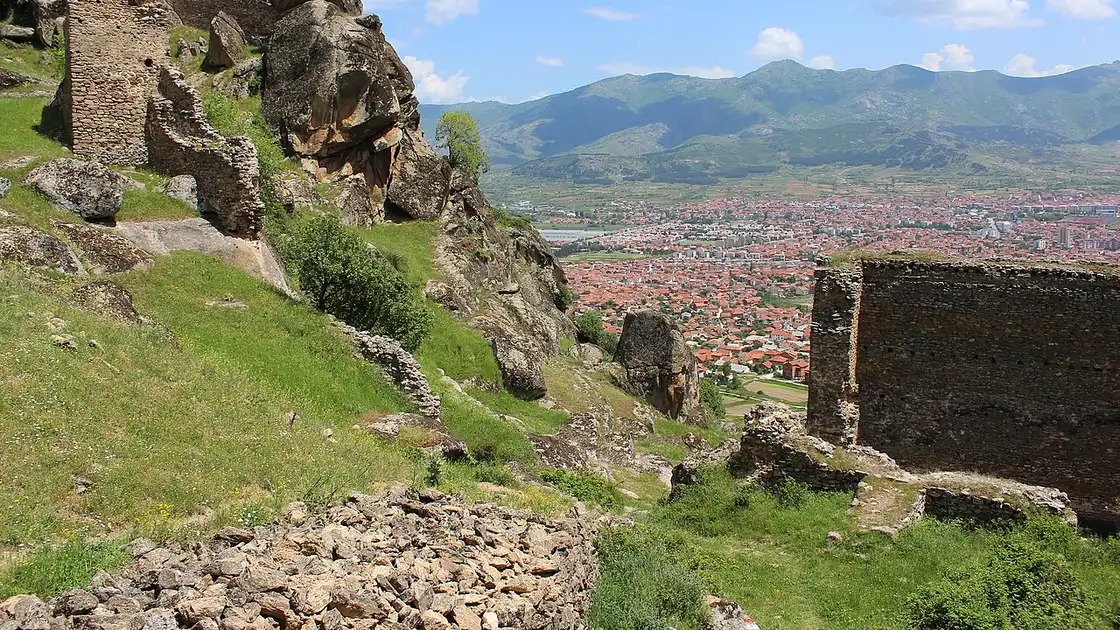
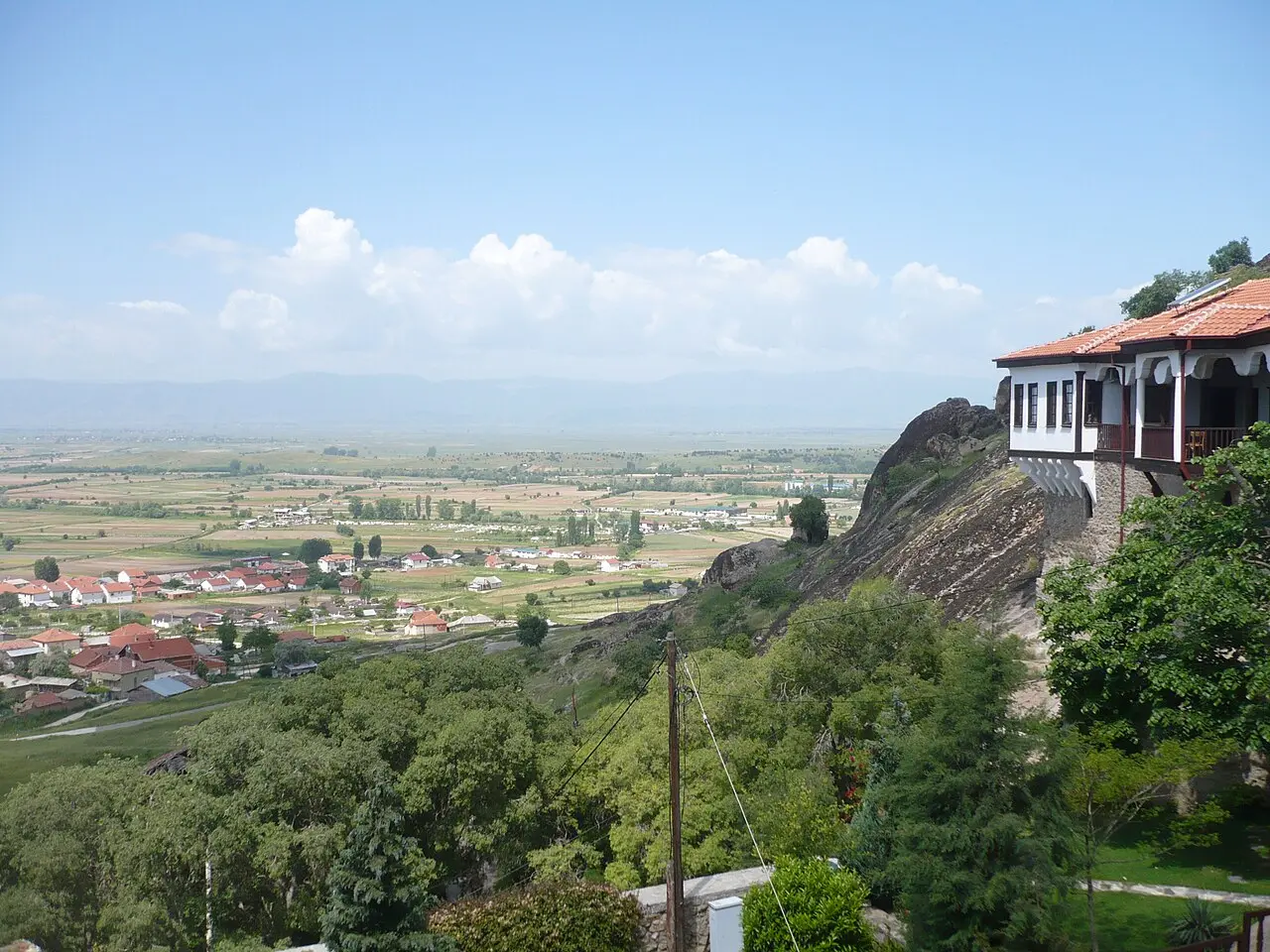
Prilep is a working Pelagonia city crowned by one of the strangest fortresses in the Balkans. Locals call it “the city under Marko’s Towers,” and the name fits: rising straight above the town is Markovi Kuli, a medieval citadel scattered across a hillside of giant rounded granite boulders that look almost sculpted. The centre itself is unpretentious - tobacco warehouses, a big square, a busy bazaar - but the ruins on the hill, the frescoed monastery of Treskavec on its lonely peak, and the medieval churches of the Varoš quarter are genuinely worth the trip, and they’re all an easy hop from Bitola or Kruševo. This guide covers what to see, the tobacco-and-marble backstory, when to come, where to stay and how to get here.
Why visit Prilep?
Be honest with yourself first: central Prilep isn’t a pretty tourist town. It’s a real, slightly industrial city built on tobacco and marble, under-visited by foreigners. What pulls you here’s the setting and the history stacked around the edges. Markovi Kuli is the headline - those weird granite boulders and crumbling walls, free to clamber over, with huge views across the plain. Add Treskavec, a 12th-century monastery clinging to a mountaintop, and the old Varoš quarter with its little Byzantine churches, and Prilep earns a half-day or a full day, especially if you like your sights rugged and uncrowded.
It also slots neatly into a Pelagonia trip. Bitola is about an hour away, Kruševo about the same, so Prilep works as a stop rather than a special journey - and if you’ve a car, it’s the jumping-off point for the wild Mariovo region to the south-east.
Markovi Kuli (Marko’s Towers)
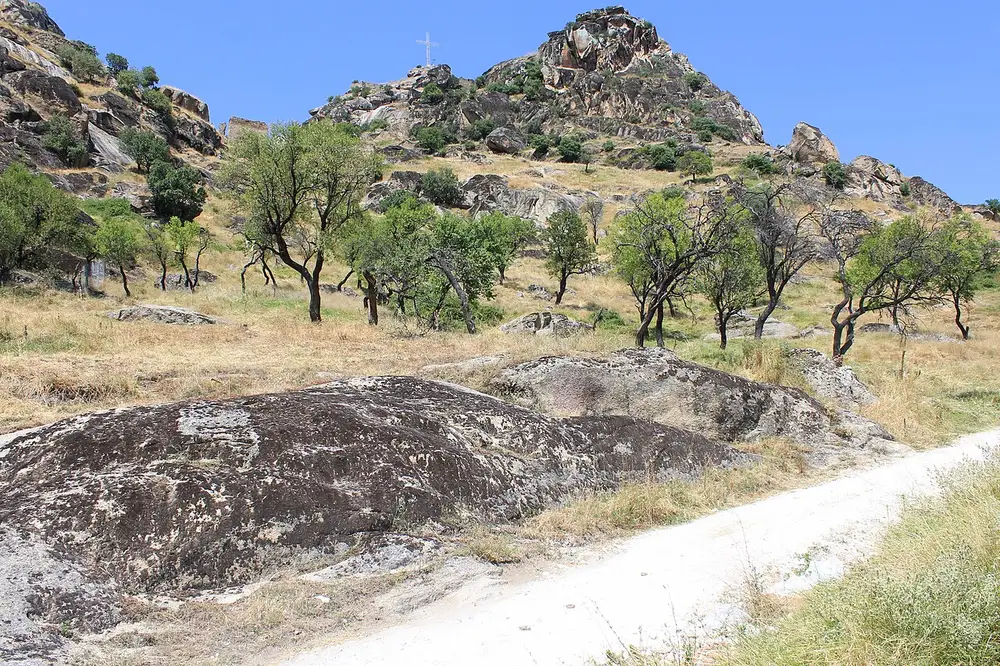
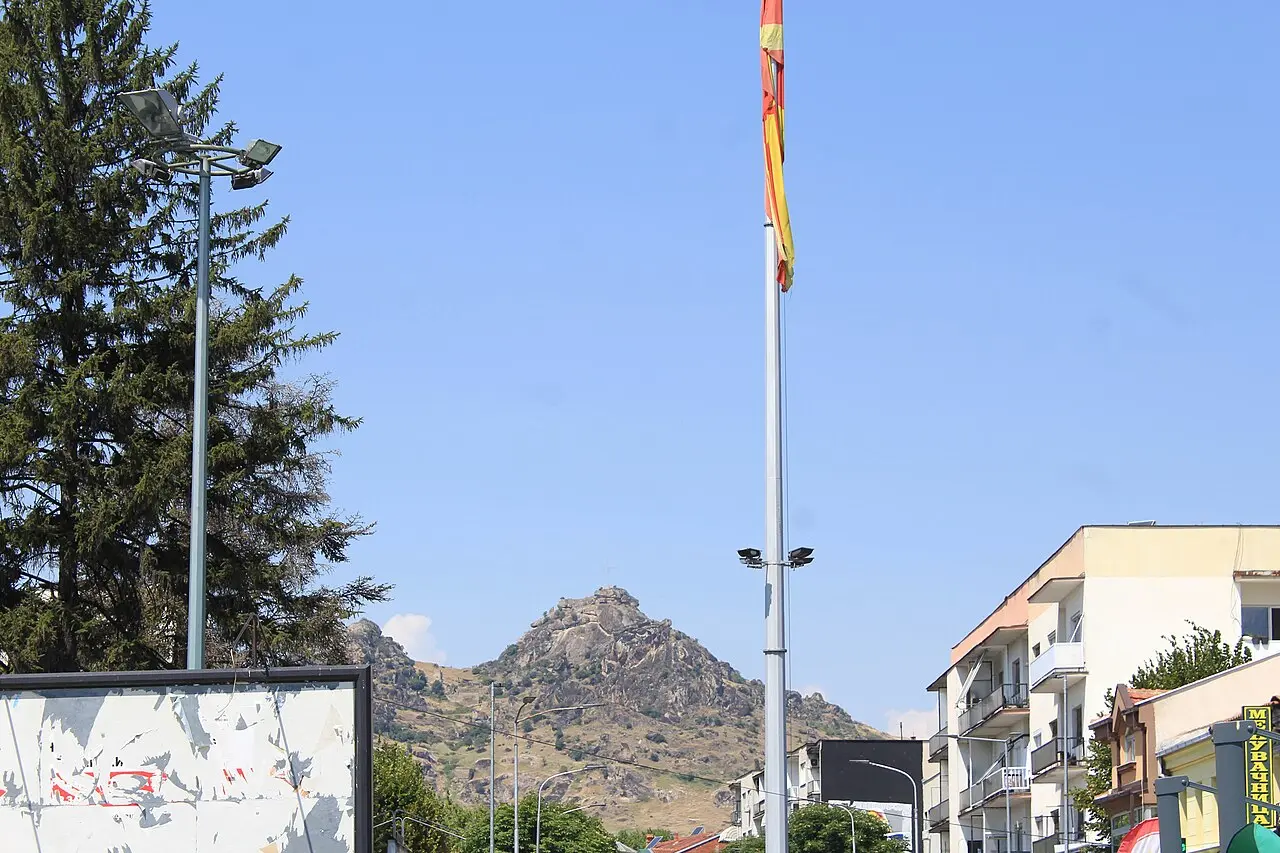
The fortress hill is the reason to come. Markovi Kuli sits in the north-west of town, above the Varoš quarter, and the first thing you notice is the geology: the whole hillside is a field of massive, rounded granite boulders, weathered into smooth domes and improbable stacks. Threaded among them are the remains of a medieval fortress - ramparts, towers and cisterns built straight onto the rock.
It’s named for King Marko (Marko Mrnjavčević), the medieval ruler who reigned from Prilep and died in 1395; in Balkan folklore he became “Krali Marko,” a superhuman hero whose legends are shared across the region. The site is far older than him, though: archaeologists have found Hellenistic and Byzantine remains here, a Slavic settlement from the late 10th century, and the surviving walls date mostly to the 13th-14th centuries. There’s no ticket booth - you simply walk up from Varoš and wander among the boulders and ruins. Wear proper shoes, bring water and sun cover (there’s little shade), and give yourself time for the views - you won’t want to rush the scramble.
The Varoš quarter
At the foot of the fortress hill lies Varoš, the medieval old town. After King Marko’s death and the Ottoman takeover, this is where Prilep’s people lived, and it became famous for its churches - local legend claims there were once 77 of them packed into the neighbourhood. A handful survive, tucked among the boulders and lanes, and they’re the atmospheric counterpart to the bare fortress above. Don’t expect a polished tourist circuit.
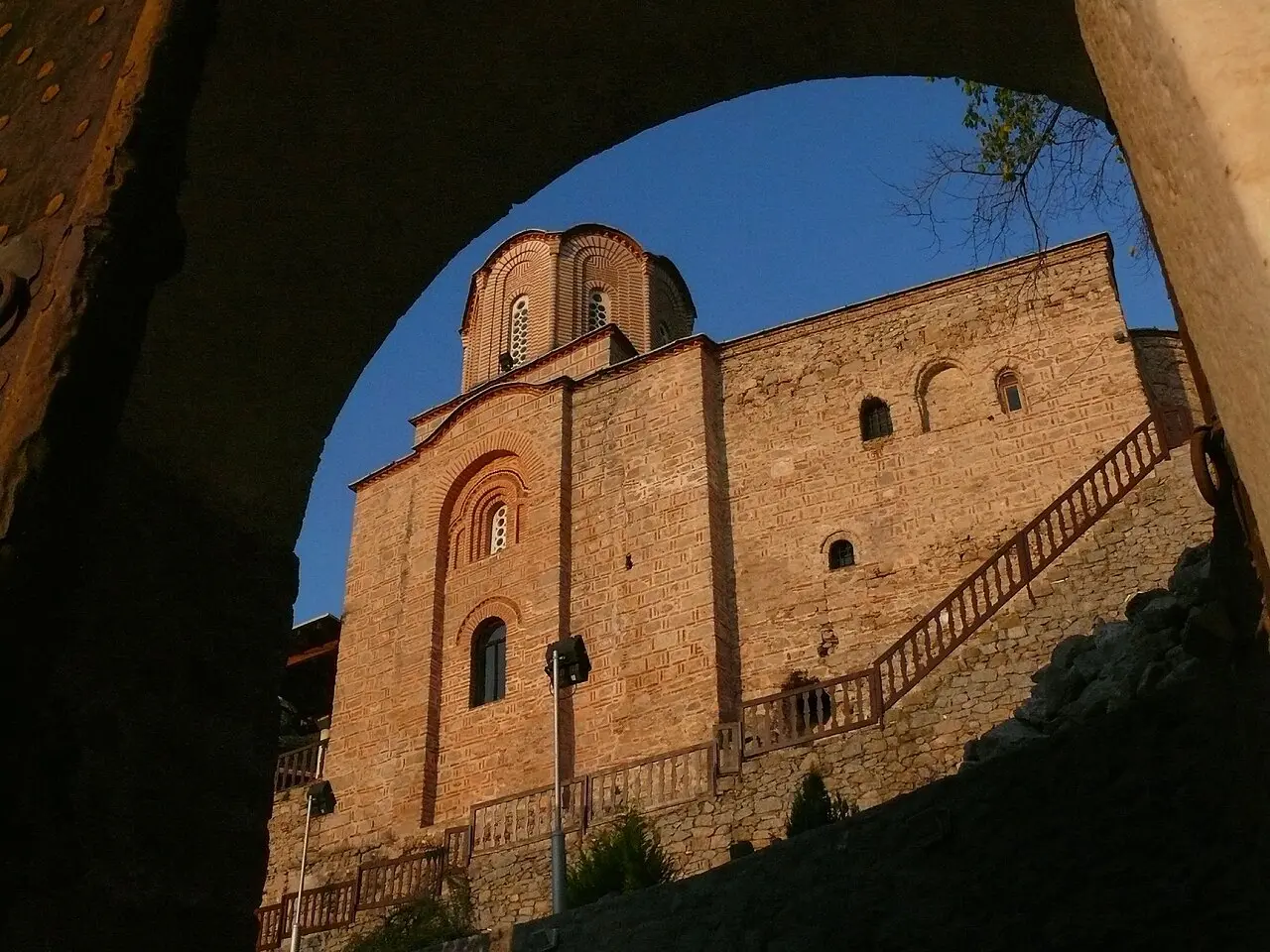
The standout is the Monastery of St Archangel Michael, a warm-brick Byzantine church built into the rocks, beautifully lit in the late afternoon. Nearby you’ll find church ruins like St Athanasius, half-tumbled among the granite. Wandering Varoš with a glance up at Markovi Kuli is the best way to feel the layers of Prilep’s past.
Treskavec Monastery
If you’ve half a day and a sense of adventure, Treskavec is the finest thing near Prilep. The Monastery of the Holy Mother of God sits alone on the rocky flanks of Mount Zlatovrv - “Golden Peak” - about 8-10 km north of town at roughly 1,280 m, a spectacular, isolated perch above the Pelagonia plain. It was built in the 12th century and rebuilt in the 14th (linked to the medieval Serbian kings Stefan Milutin and Stefan Dušan), and it holds important Byzantine frescoes - bring a torch, as the church interior is dim.
You can reach it two ways: drive the narrow asphalt road up from Prilep (around 30 minutes, slow and winding), or hike from Markovi Kuli - roughly 6 km with about 600 m of ascent through the boulder country, a rewarding half-day walk for the reasonably fit. A monk lives at the monastery; access and opening can be informal, so go prepared and check locally before setting out - you don’t want a locked gate after that climb.
Tobacco, marble and the town centre
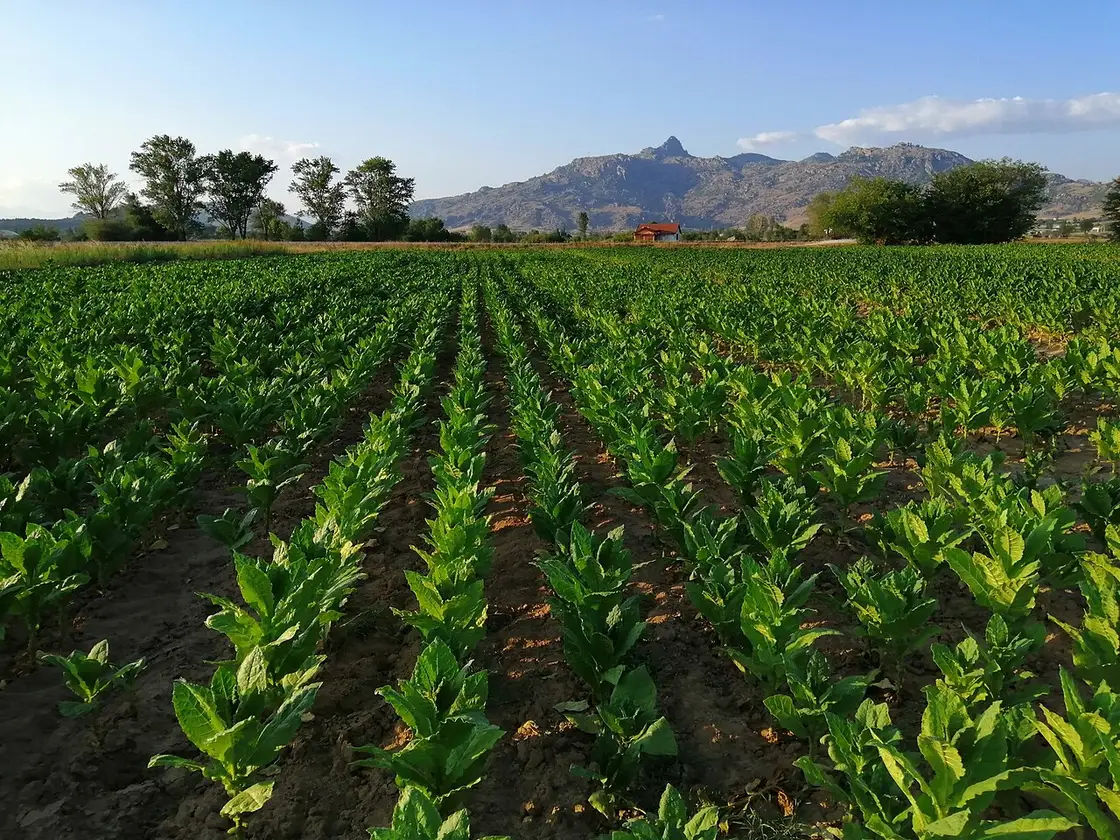
Prilep’s wealth came out of the ground and the fields. This is the tobacco capital of Macedonia: the Pelagonia climate grows a prized small-leaf oriental variety - “Prilep” or Jaka tobacco - and the city was long a leading exporter, with drying sheds and warehouses still shaping the townscape. A Tobacco Museum tells the story if you want the detail. The other local export is stone: the Sivec quarries near Prilep produce a celebrated pure-white marble used in prestige buildings far beyond Macedonia.
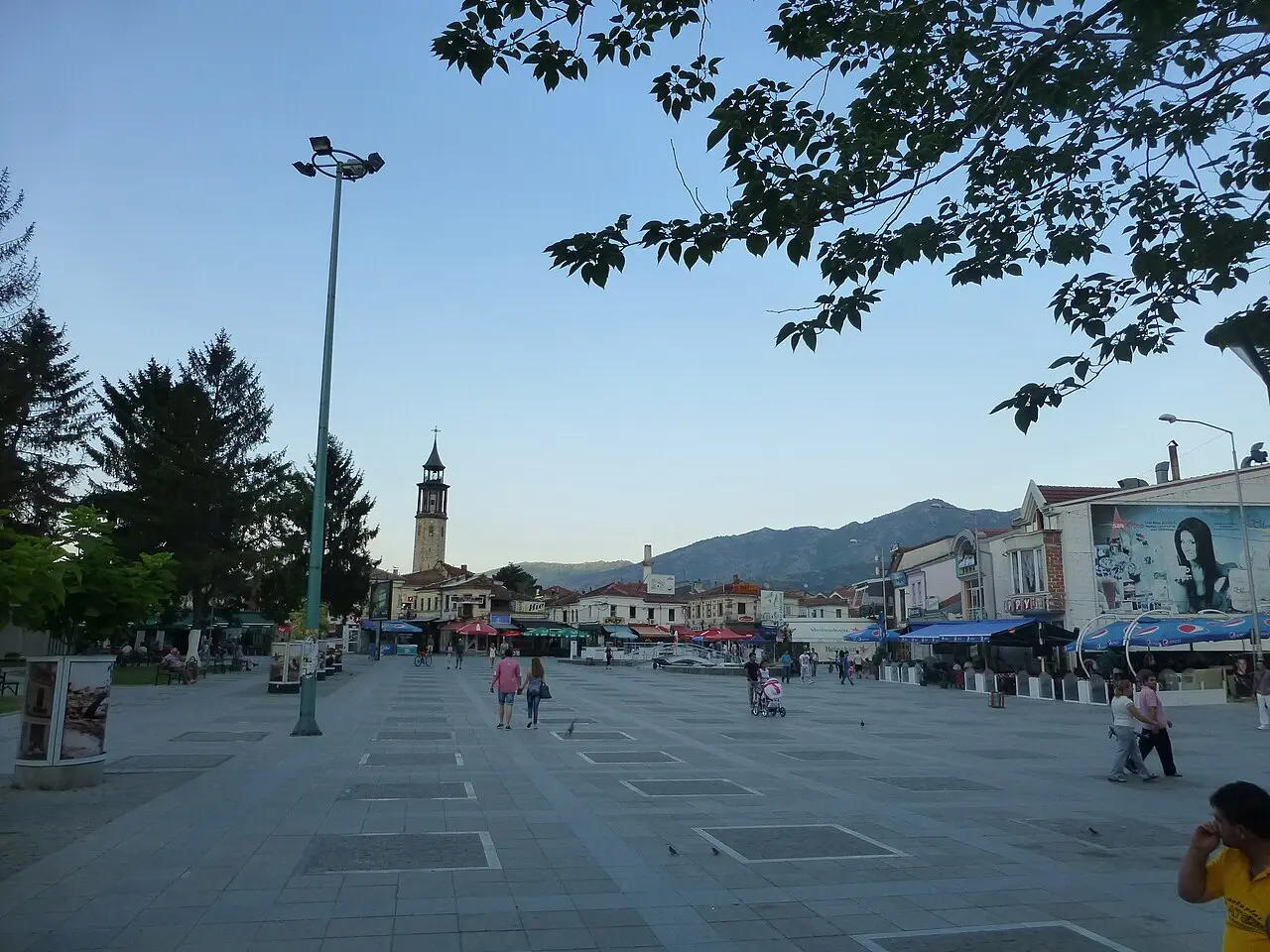
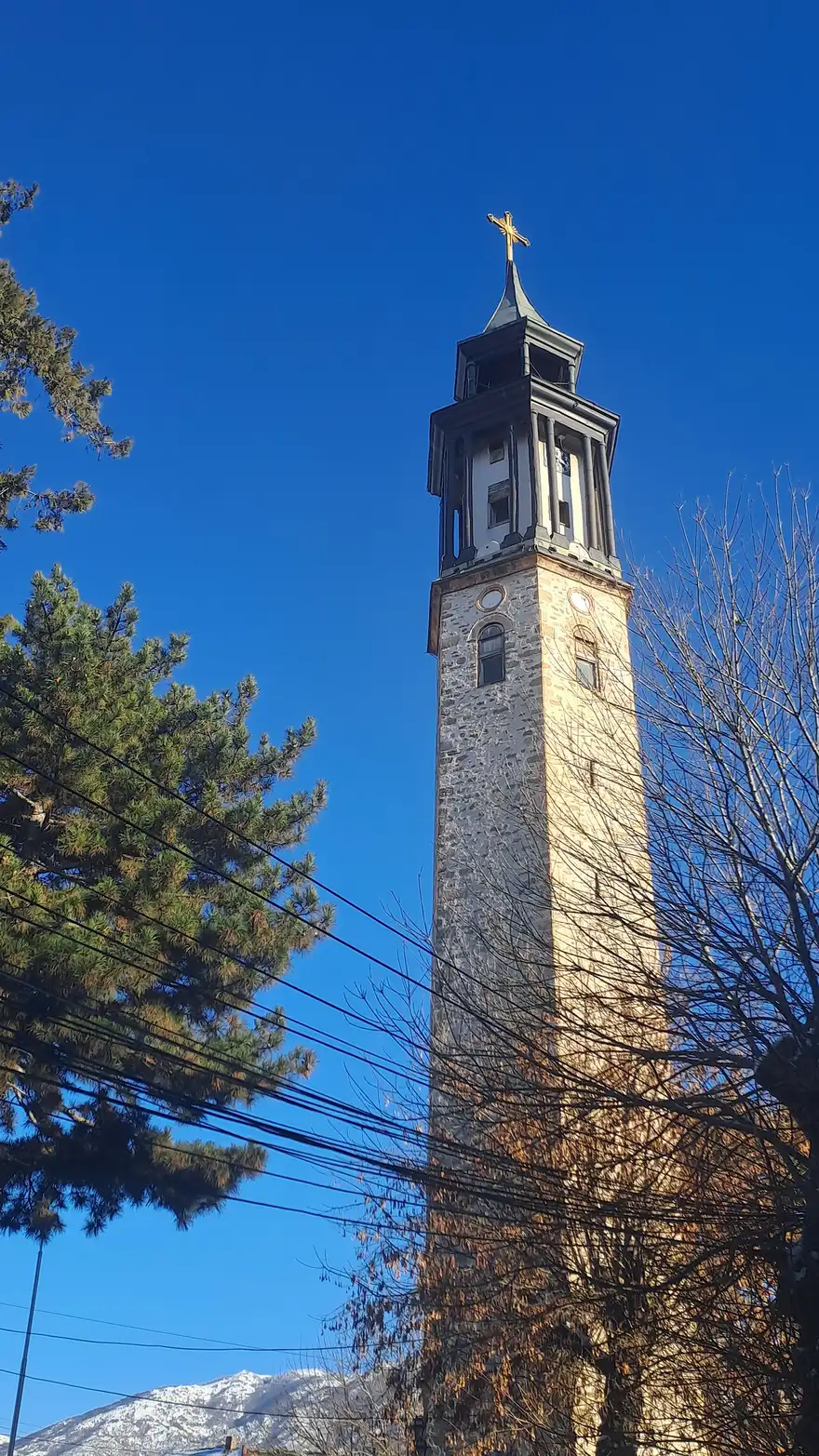
The centre itself rewards a stroll. The big pedestrian square is anchored by a 19th-century clock tower, and off it runs the Old Bazaar (Stara Čaršija), where you’ll find cafés, everyday shops and the ruined 15th-century Bazaar Mosque. In summer the city throws Pivofest, a well-known beer festival that packs the square (dates move from year to year, so check the year’s programme). It’s an unforced, lived-in centre - a good place for a coffee between the hilltop sights.
Where to stay and when to go
Prilep has a modest range of city hotels and guesthouses, mostly central and good value - it’s a business town more than a resort, so you won’t pay resort prices. Many travellers actually base in nearby Bitola, which has more choice and charm, and day-trip to Prilep; both work, and Bitola is under an hour away. If you want to hike Treskavec at first light or catch Pivofest, staying in Prilep makes sense.
On timing, aim for spring or autumn. Markovi Kuli and the walk to Treskavec are exposed and get fiercely hot in high summer, and can be snowy and bleak in winter; the shoulder seasons give you comfortable temperatures and clear light for the views. Summer is fine early and late in the day (and unavoidable if you’re here for the festival) - just start early and carry water.
How long do you need?
Half a day is enough for the town centre and a scramble around Markovi Kuli. Give it a full day to add Treskavec - either the drive or, better, the hike up from the fortress - plus a wander through Varoš. As part of a wider trip, Prilep pairs naturally with Bitola and Kruševo over a couple of days on a Pelagonia loop.
How to get to Prilep
Prilep sits on the main route south from the capital, so it’s well connected.
From Skopje. It’s about 128 km, roughly 1.5 to 2 hours by car on the A3/E-65 through Veles, and you’ll find regular buses and even a train down to Prilep.
From Bitola. Bitola is just 45 km (about an hour by road) away, with frequent buses - the Bitola-Prilep hop is one of the busiest short routes in the region; see our Bitola to Prilep guide for operators, the honest read on the fare, and a 2026 train worth asking about. Don’t assume the train runs every day.
From Kruševo. The mountain town of Kruševo is about 35 km (40 minutes), with a direct bus of around half an hour.
Nearest airport. Skopje International (SKP) is the main gateway; Ohrid (OHD) has seasonal flights but is farther by road.
| Route | Distance | Time |
|---|---|---|
| Skopje → Prilep | ~128 km | ~1.5-2 h by car, bus or train |
| Bitola → Prilep | ~45 km | about an hour, frequent buses |
| Kruševo → Prilep | ~35 km | ~40 min (direct bus ~30 min) |
| Prilep → Treskavec Monastery | ~8-10 km | ~30 min by mountain road |
Distances and times are approximate - confirm current bus and train schedules before you travel. For the wider region see our getting around North Macedonia guide; a rental car is the easiest way to reach Treskavec and Mariovo - you’ll want wheels for both.
Practical tips
- How long to stay: half a day for the town and fortress; a full day to add Treskavec.
- Markovi Kuli: free to enter, no facilities - wear grippy shoes, bring water and sun protection, and watch your footing on the boulders. You won’t find a cafe up there.
- Treskavec: drive the mountain road or hike ~6 km from Markovi Kuli; bring a torch for the frescoes and check access locally.
- Money: the currency is the Macedonian denar (MKD), steady against the euro at roughly 61.5 to €1. Carry cash for the bazaar and small cafés.
- When to go: spring and autumn are best; summer is hot on the exposed hills, winter cold.
- Visas & entry: US, UK, EU and Ukrainian citizens travel visa-free for 90 days within any 180; Russian citizens need a visa (since 21 March 2022). Rules change - always confirm with an official source. More in our North Macedonia planning hub.
Read also
- Its Pelagonia neighbour, the country’s highest town 35 km up the mountain: Kruševo travel guide
- The nearest city base: things to do in Bitola
- The capital and likely arrival point: things to do in Skopje
- Where to base for the region: where to stay in Bitola
- Getting south from the capital: Skopje to Bitola
- Plan the season: best time to visit North Macedonia
- Fit it into a trip: the 7-day North Macedonia route
- Browse all cities of North Macedonia
Photos
On the map
The map loads on click - to keep the page lightweight.
The map didn’t load. Check your connection and refresh the page.
Distance
- Skopje ≈128 km · ~1.5-2 h by car, bus or train
- Bitola ≈45 km · around an hour, frequent buses
Read also

Cities · 12 min read
Things to Do in Stip: Bargala Ruins & the Isar
Updated · August 29, 2026Stip travel guide: the Isar hill's UNESCO-listed Chetrse ritual, the Bargala ruins, the Bezisten gallery, pastrmajlija, and how to get there from Skopje.

Cities · 8 min read
Demir Kapija, Stobi and the Tikves Wine Road
Updated · July 15, 2026The Demir Kapija gorge, the Roman city of Stobi and the Tikves vineyards - how to see North Macedonia's Vardar valley in one easy day from Skopje.

Cities · 9 min read
Things to Do in Kratovo: Crater Town, Towers & Bridges
Updated · July 14, 2026Kratovo travel guide: a town in the crater of an extinct volcano, with medieval stone towers, high Ottoman bridges, mining history and how to visit.

Cities · 11 min read
Things to Do in Strumica: Carnival, Fortress & Monasteries
Updated · August 5, 2026Strumica travel guide: the pre-Lenten carnival, the Carevi Kuli fortress, the Veljusa and Vodoca monasteries, hot springs and how to get there.