
Things to Do in Bitola
What to do in Bitola, North Macedonia: Široki Sokak, ancient Heraclea Lyncestis, the Bezisten and clock tower, day trips to Pelister and Kruševo.
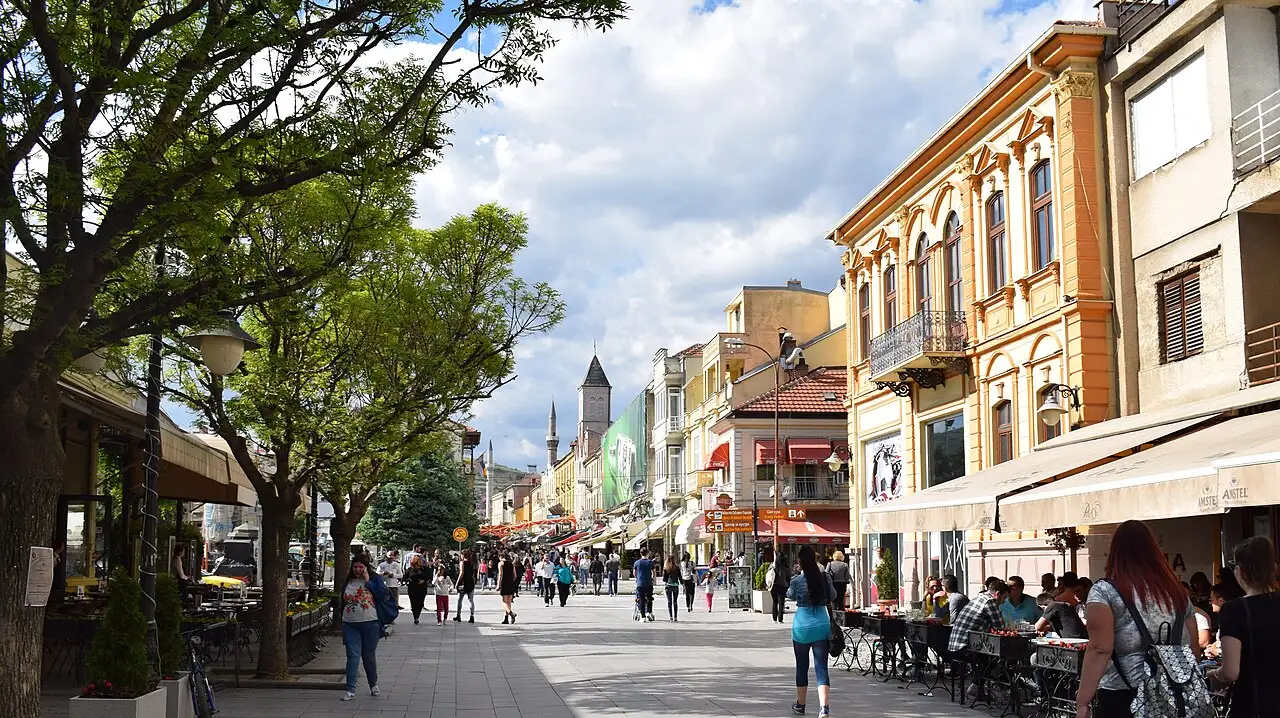
Bitola is North Macedonia’s elegant southern city - a former Ottoman consular capital where neoclassical facades line a long café-filled promenade, and the ruins of an ancient Macedonian city sit just outside town. The headline things to do are easy to string together: stroll Široki Sokak, the grand pedestrian street; walk the mosaics of Heraclea Lyncestis, founded by Philip II of Macedon; browse the Ottoman Bezisten and old bazaar; and climb to the stone clock tower. One full day covers the city itself, and Bitola also makes the best base for day trips into Pelister National Park and up to Kruševo. This guide covers what to see, the day trips, where to stay, how to get there, and where to eat.
If you are driving from the lake, the southwest loop from Ohrid puts Bitola on a four-day circuit with Galicica, Prespa and Pelister.
What to see in Bitola
Bitola’s centre is flat, walkable and compact, with most of the sights either on or just off the main promenade. It’s a city for wandering rather than ticking off a long list - give it an unhurried afternoon and an evening. In mid-September, the Manaki Brothers Film Festival turns the city into a global cinematography hub for a week - worth timing your visit if you care about cinema craft.
Široki Sokak, the city of consuls
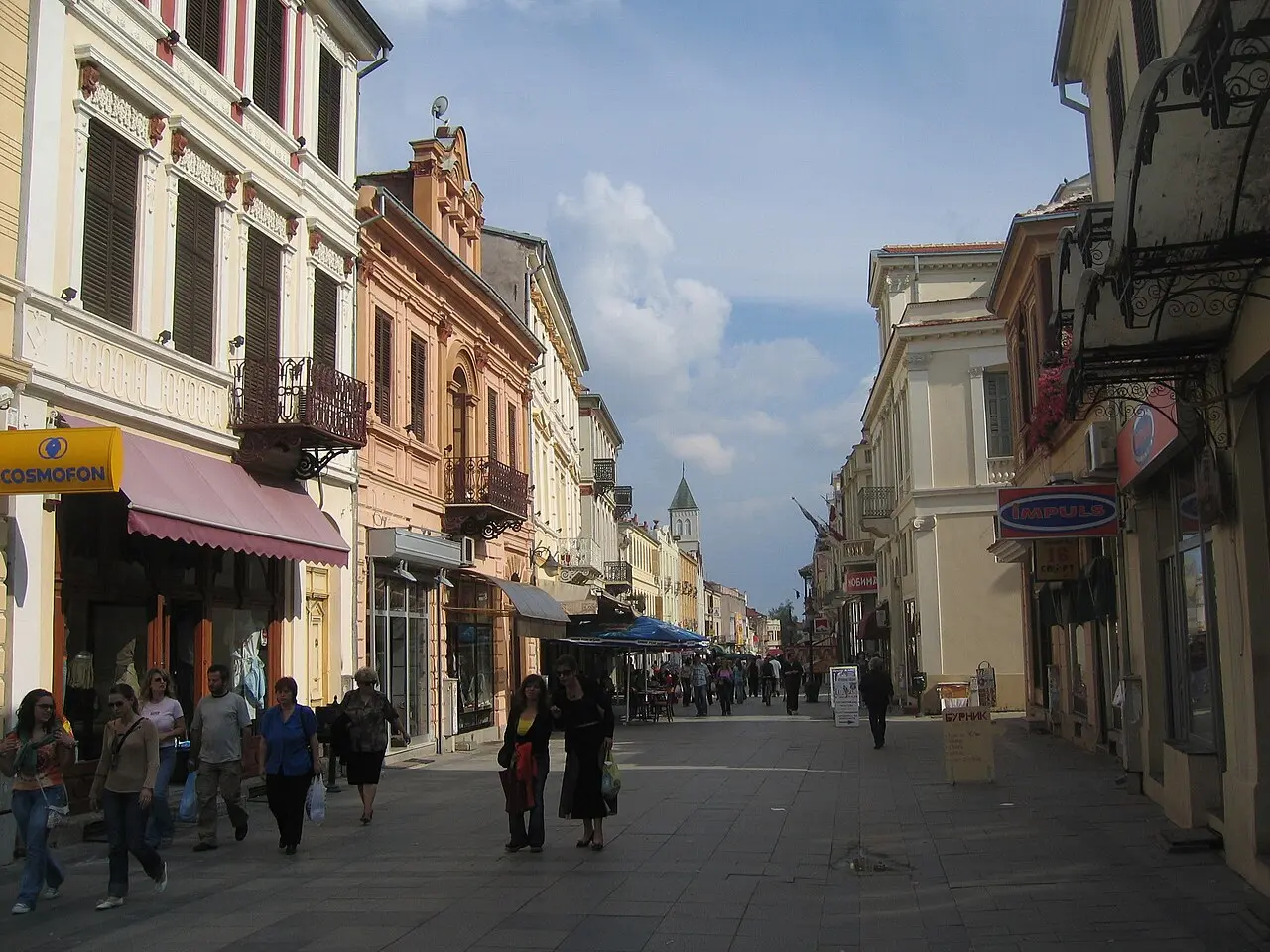
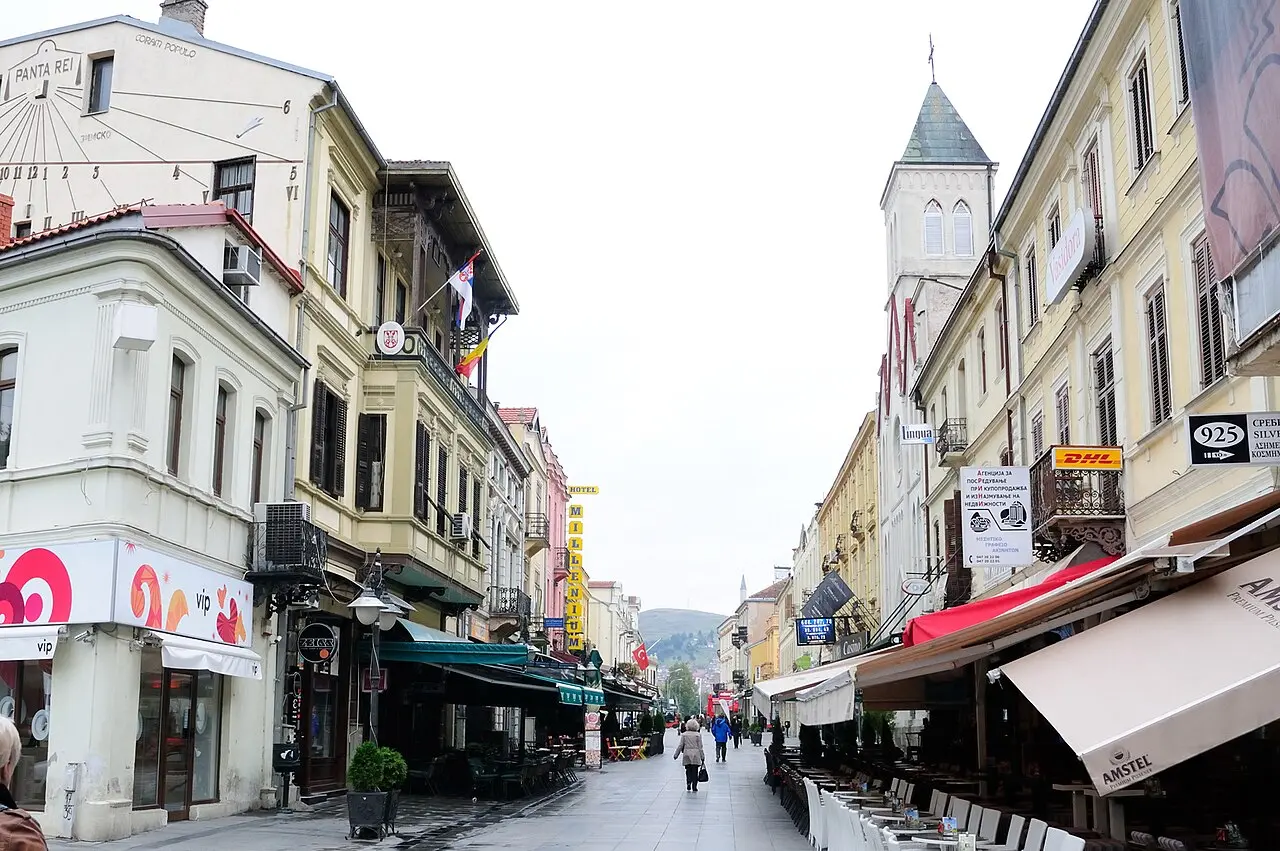
The heart of Bitola is Široki Sokak (“Wide Street”), a long pedestrian promenade lined with pastel nineteenth-century buildings, cafés and shops. This is where Bitola earned its old nickname, the “City of Consuls”: in the final decades of Ottoman rule (1878-1912) the city was an important regional capital and home to consulates from twelve countries, and many of the stately buildings along the street date from that era. Today it’s the social spine of the town - busiest in the early evening, when the whole city seems to come out for a coffee and a slow walk.
Heraclea Lyncestis
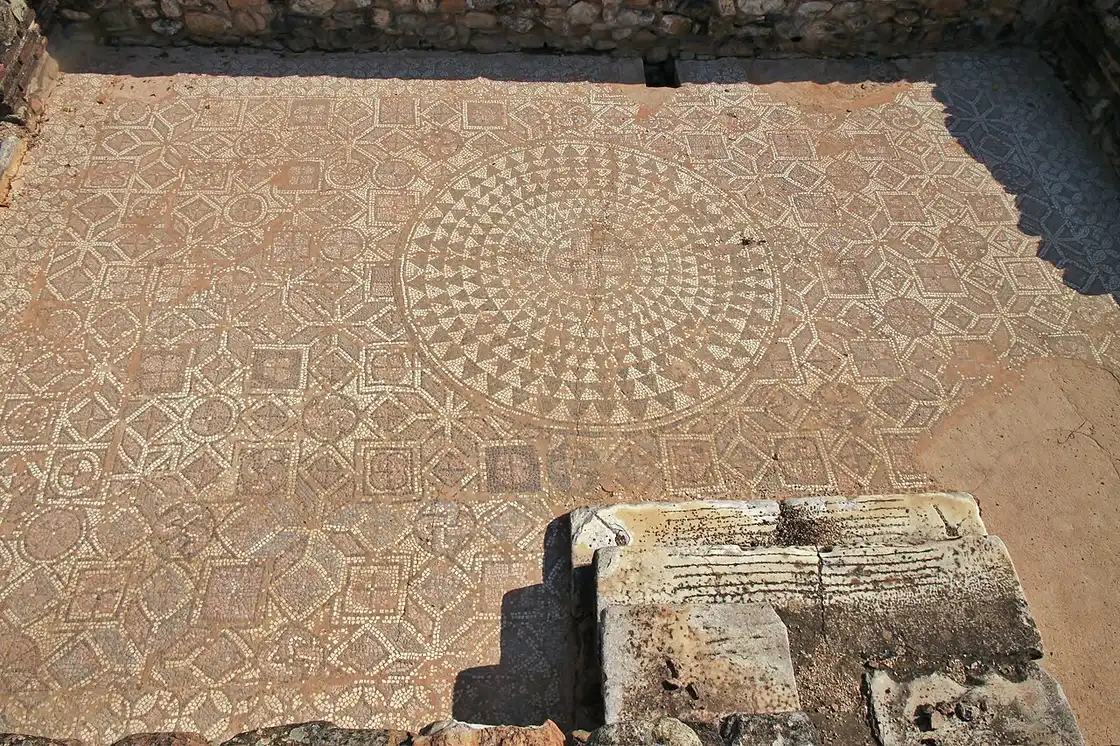
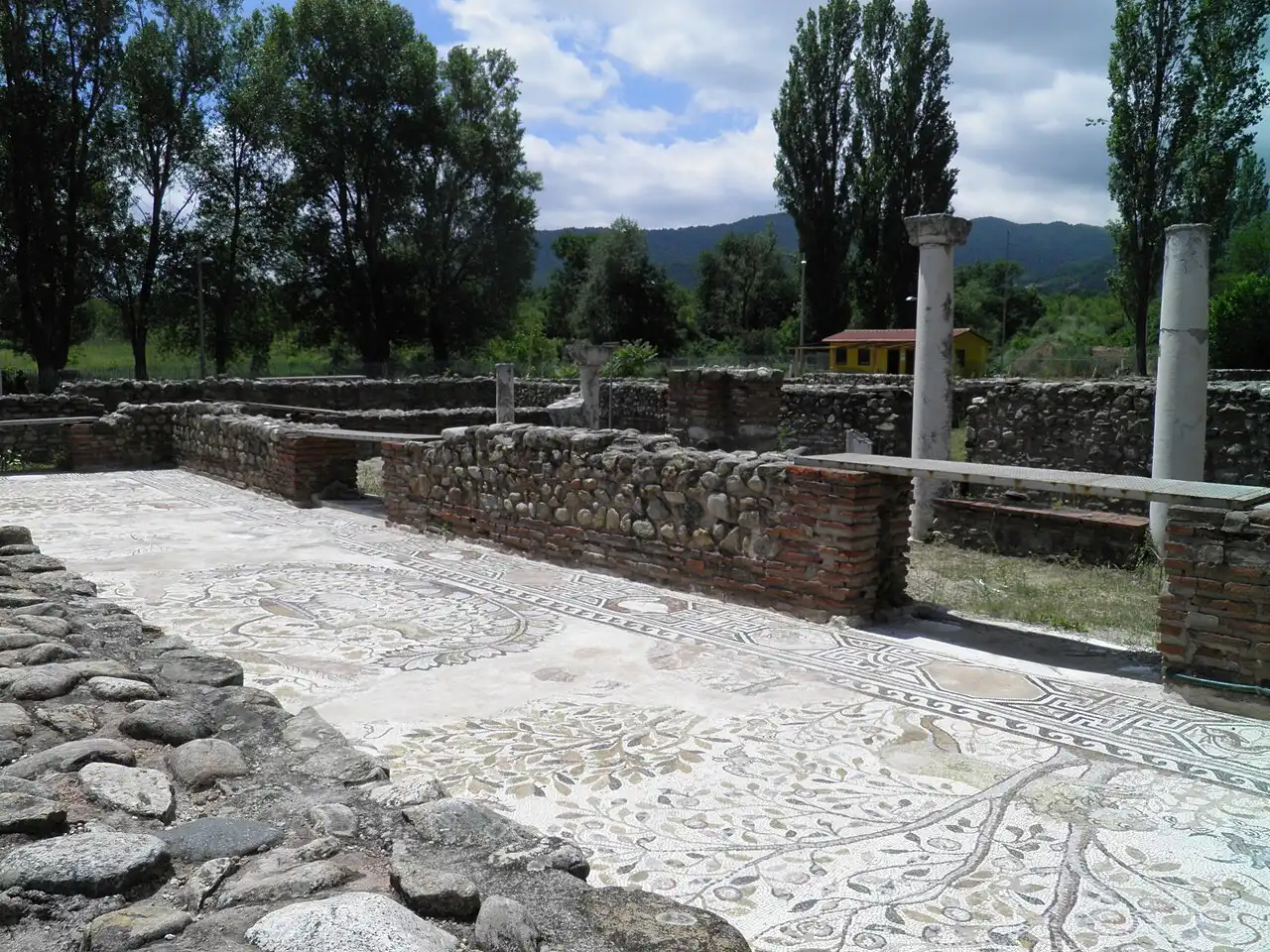
The reason many travellers come to Bitola at all sits about 2 km south of the centre: Heraclea Lyncestis, an ancient city founded by Philip II of Macedon in the middle of the 4th century BC and named after the hero Heracles. It guarded a key route across the region and grew into a Roman town, then an important early-Christian episcopal centre between the 4th and 6th centuries AD. The standout survivals are the floor mosaics: the Great Basilica’s three naves are carpeted with richly detailed floral and figurative work, widely regarded as some of the finest early-Christian mosaic art in the Balkans. A Roman theatre, baths and basilica foundations round out the site.
The Bezisten and old bazaar
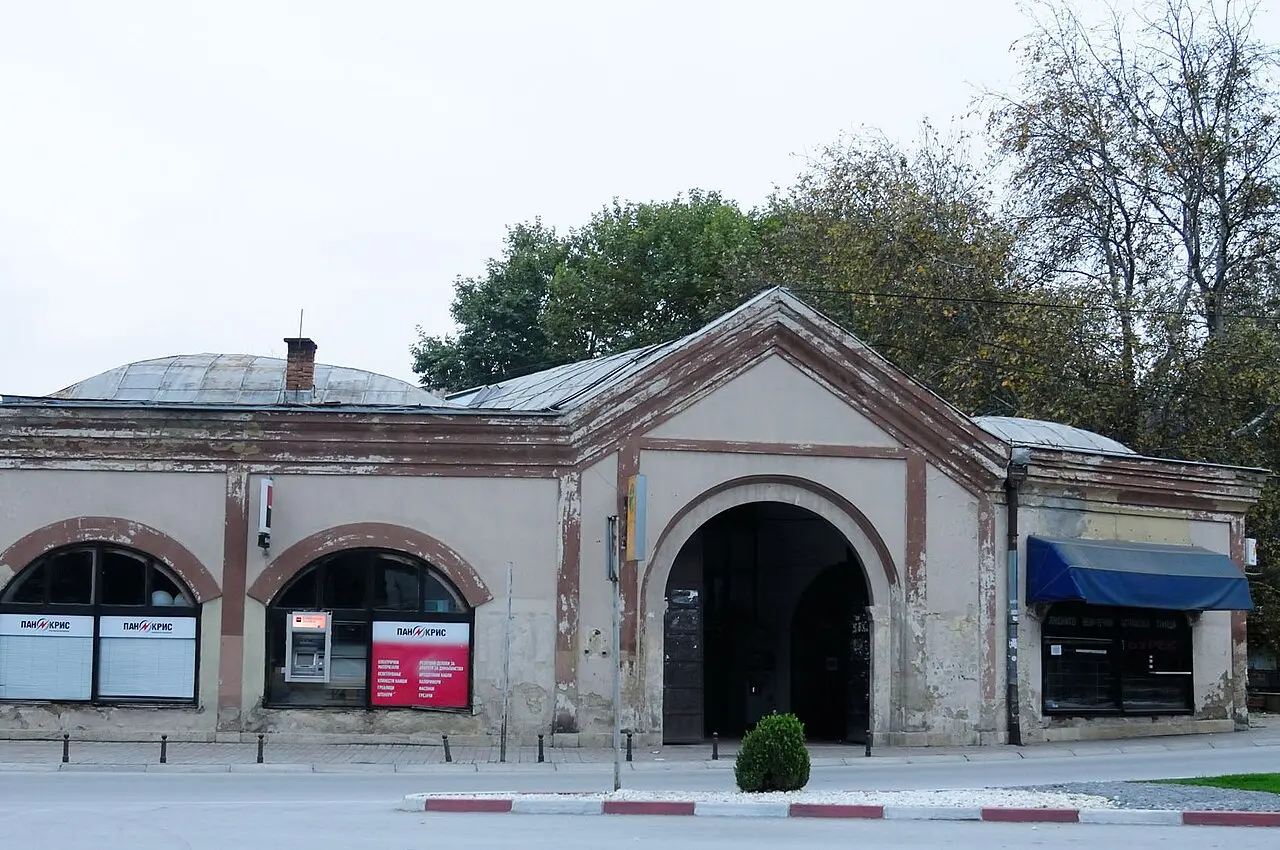
North of Široki Sokak the streets narrow into the Stara Čaršija (Old Bazaar), a working market quarter with Ottoman roots. Its anchor is the Bezisten, a domed, fortress-like covered market built in the 15th-16th centuries with thick stone walls and arched gateways; once it traded in cloth and valuables, and small shops still fill its vaulted lanes. The surrounding bazaar is the place to see everyday Bitola - produce stalls, coppersmiths, bakeries and tucked-away mosques.
The clock tower (Saat Kula)
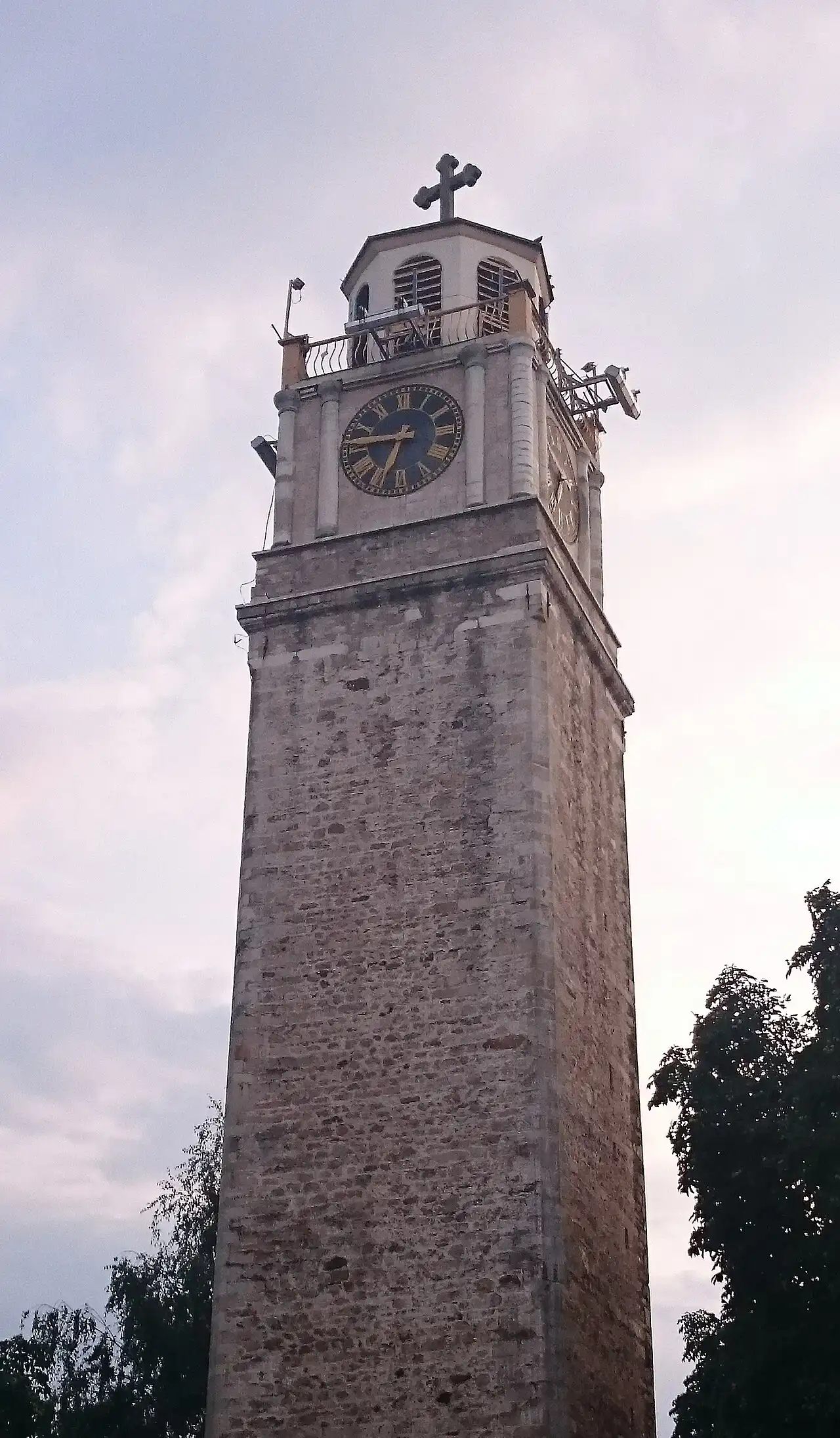
Bitola’s tall stone clock tower, the Saat Kula, rises near the old bazaar and is one of the city’s emblems. The exact origins are debated, but it’s an Ottoman-era landmark of the kind found in many towns across the region, and it remains a handy point to orient yourself on a walk between the bazaar and the promenade.
Day trips from Bitola
Bitola sits at the foot of a mountain and within easy reach of two of the country’s most distinctive smaller destinations, which makes it a natural base for a night or two. Distances, taxi vs car and which outing fits a half-day are in day trips from Bitola. Weighing it against the lake instead? See Ohrid vs Bitola.
Pelister National Park
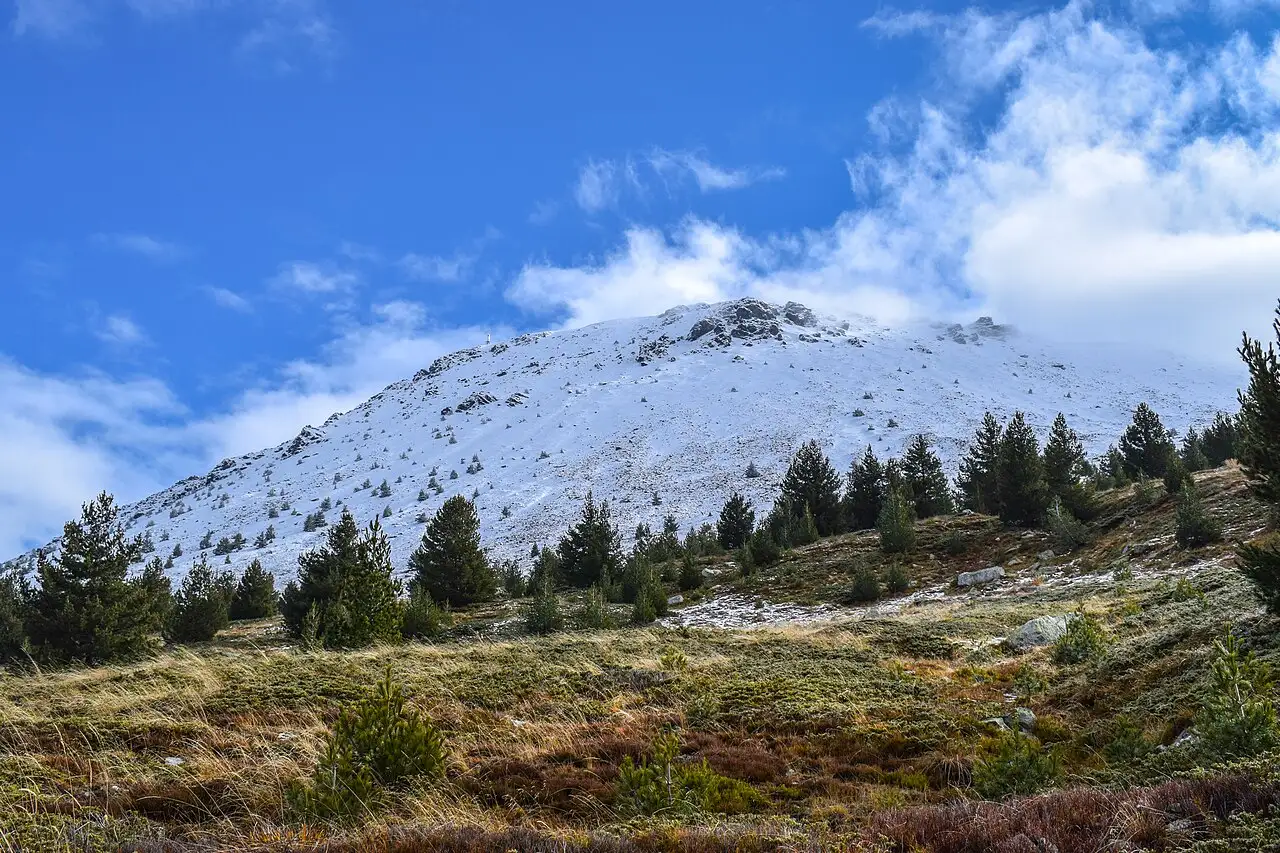
Rising straight above the city is Pelister National Park, proclaimed in 1948 - the oldest national park in North Macedonia. The park climbs from around 891 m to the 2,601 m summit of Pelister and protects rare stands of the endemic Molika pine (the Macedonian pine, Pinus peuce, first described to science here in 1843). Higher up sit two glacial lakes at roughly 2,200 m, known locally as “Pelister’s Eyes.” It’s the area’s main hiking destination in summer and a small ski centre in winter; trailheads start close to town, so even a half-day gets you into the forest and the mountain air.
Kruševo
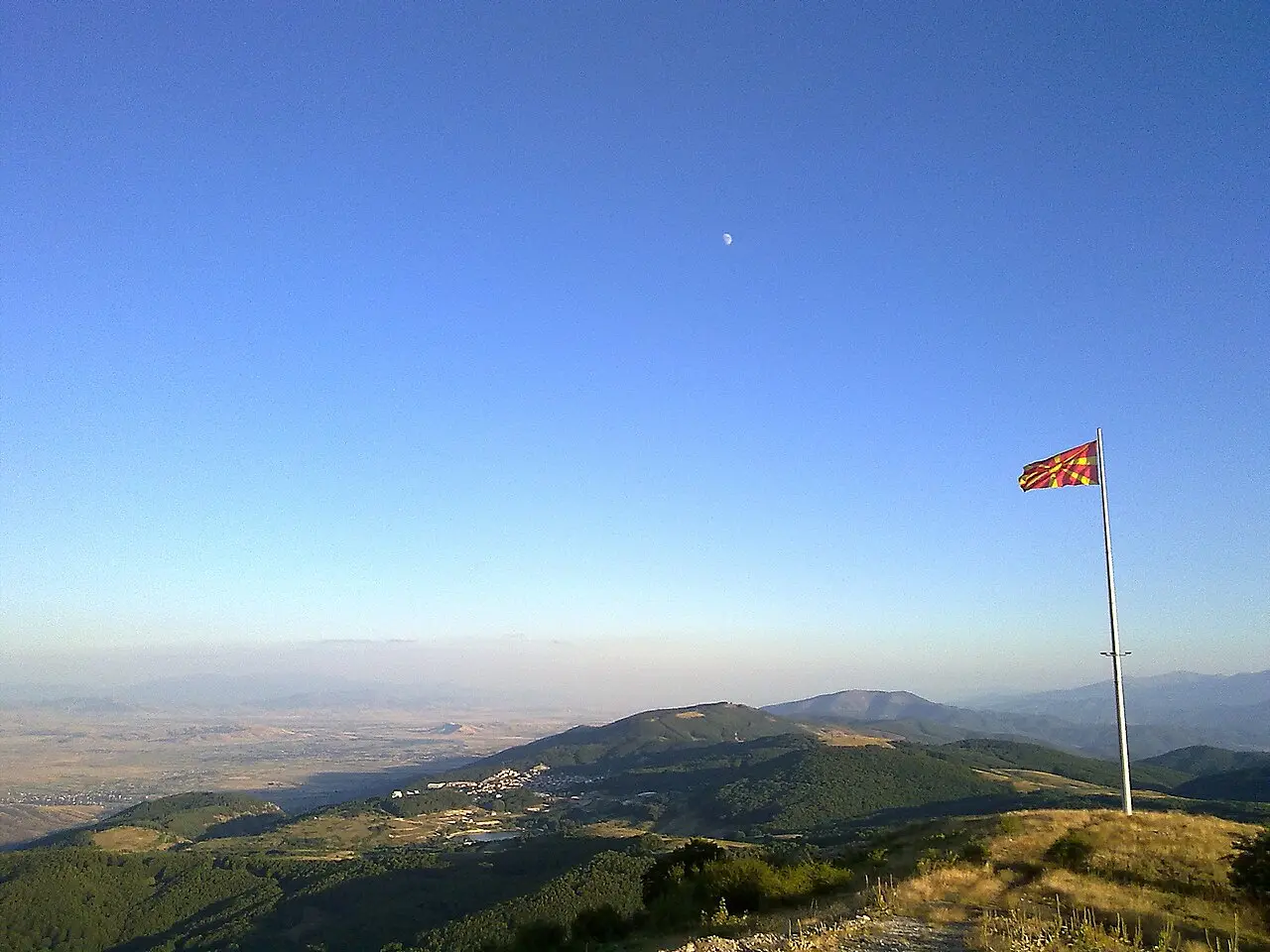
About an hour north (roughly 55 km via Prilep), Kruševo is - at roughly 1,300 m - the highest town in North Macedonia, a cluster of nineteenth-century stone houses on a steep mountainside. It’s the historic heart of the 1903 Ilinden Uprising, when rebels briefly proclaimed the short-lived Kruševo Republic under Nikola Karev before the Ottomans crushed it ten days later. Crowning the hill above town is the Makedonium (the Ilinden monument), a striking white space-age dome opened in 1974 - one of the most photographed pieces of Yugoslav-era memorial architecture anywhere. The town itself is good for a slow wander, and in winter it’s a small ski resort too.
Closer at hand, Prilep is about an hour north by road - a workaday Pelagonia city under the surreal granite boulders of the Markovi Kuli fortress, with the cliff-top Treskavec monastery above it. You’ll easily pair it with Kruševo on a loop out of Bitola; see Bitola to Prilep for the bus, car and a 2026 train option.
If you’re after more nature in this corner of the country, Lake Prespa lies on the far side of the Pelister range and pairs well with a Bitola-Pelister loop - cover, times and logistics are in the same day trips from Bitola guide.
Where to stay in Bitola
Bitola’s compact, so where you stay is mostly about how close you want to be to the promenade:
| Area | Good for |
|---|---|
| Široki Sokak / centre | Cafés, restaurants and the evening stroll right outside; the obvious first choice |
| Old bazaar fringe | Quieter, with the market and clock tower nearby |
| Toward Pelister | Guesthouses and mountain lodges for hikers heading up the park |
Most visitors base themselves near the centre, within walking distance of both Široki Sokak and Heraclea. Bitola’s a university town with a steady year-round buzz rather than a seasonal resort, so rooms are easier to find here than in peak-summer Ohrid. Prices are in Macedonian denar (MKD), steady against the euro at roughly 61.5 MKD to €1, which keeps a stay good value by European standards. For the areas and what to expect in each, see our guide to where to stay in Bitola.
How to get to Bitola
From Skopje. Bitola is about 170 km south of the capital - roughly 2.5-3 hours by road. Buses and trains run from Skopje through the day; a rental car is more flexible and lets you fold in stops on the way if you’re chaining sights. See our getting around North Macedonia guide for the practicalities, and the car rental guide if you want your own wheels.
From Ohrid. Bitola is around 70 km from Ohrid - about 1 to 1.5 hours by road - which makes the two natural to combine on a southern loop. If you’re on a southern loop, Ohrid first and Bitola via the Resen pass is the usual order.
Nearest airport. The closest airport is Ohrid “St. Paul the Apostle” Airport (OHD), about 70 km away, but it runs mostly seasonal flights; outside the season most visitors fly into Skopje (SKP) and continue overland - that’s the practical default.
| Route | Distance | Time |
|---|---|---|
| Skopje → Bitola | ~170 km | ~2.5-3 h |
| Ohrid → Bitola | ~70 km | ~1-1.5 h |
| Bitola → Heraclea Lyncestis | ~2 km | ~5 min by car / short walk |
| Bitola → Kruševo | ~55 km | ~1 h |
Distances and times are approximate - confirm current bus, train and flight schedules before you travel.
Where to eat in Bitola
Bitola eats well, and most of it happens along and around Široki Sokak. The local scene runs from traditional Macedonian cooking - grilled meats, tavče gravče (oven-baked beans), ajvar and šopska salad - to the city’s famous café culture, which is taken seriously here. Look out for the regional Bitola-style burek and good bakeries near the bazaar, and pair a meal with a glass of Tikveš or another Macedonian wine. The promenade terraces are pleasant for the people-watching; you’ll find simpler, better-value spots a street or two back. Cards work in most restaurants, but you’ll still want cash denar for kiosks, the market and smaller cafés.
Practical tips
- How long to stay: one full day covers the city - Široki Sokak, Heraclea, the bazaar and the clock tower; add a night to fit in Pelister or Kruševo.
- Money: the currency is the Macedonian denar (MKD). Cards are common in the centre; keep some cash for the bazaar and small cafés.
- When to go: late spring to early autumn is best for combining the city with Pelister; the mountain holds snow into spring and the park becomes a small ski area in winter.
- Getting around: the centre is flat and walkable; a car (or a tour) helps for Heraclea, Pelister and Kruševo.
- Visas & entry: US, UK, EU and Ukrainian citizens travel visa-free for 90 days within any 180; Russian citizens need a visa (since 21 March 2022). Rules change - always confirm with an official source. More in our North Macedonia planning hub.
Read also
- Browse all cities of North Macedonia
- Its Pelagonia neighbours, both easy day trips: Prilep and Kruševo
- Pair it with the lake: things to do in Ohrid
- See the capital: things to do in Skopje
- The classic 7-day North Macedonia route links Bitola with Skopje and Ohrid
Photos
On the map
The map loads on click - to keep the page lightweight.
The map didn’t load. Check your connection and refresh the page.
Distance
- Skopje ≈170 km · ~2.5-3 h
- Ohrid ≈70 km · ~1-1.5 h
Read also

Cities · 12 min read
Things to Do in Stip: Bargala Ruins & the Isar
Updated · August 29, 2026Stip travel guide: the Isar hill's UNESCO-listed Chetrse ritual, the Bargala ruins, the Bezisten gallery, pastrmajlija, and how to get there from Skopje.

Cities · 8 min read
Demir Kapija, Stobi and the Tikves Wine Road
Updated · July 15, 2026The Demir Kapija gorge, the Roman city of Stobi and the Tikves vineyards - how to see North Macedonia's Vardar valley in one easy day from Skopje.

Cities · 9 min read
Things to Do in Kratovo: Crater Town, Towers & Bridges
Updated · July 14, 2026Kratovo travel guide: a town in the crater of an extinct volcano, with medieval stone towers, high Ottoman bridges, mining history and how to visit.

Cities · 11 min read
Things to Do in Strumica: Carnival, Fortress & Monasteries
Updated · August 5, 2026Strumica travel guide: the pre-Lenten carnival, the Carevi Kuli fortress, the Veljusa and Vodoca monasteries, hot springs and how to get there.