
North Macedonia 7-Day Itinerary
A practical 7-day North Macedonia itinerary: Skopje, Matka Canyon, Ohrid, Sveti Naum, Bitola (Heraclea) and Pelister, with routes, times and tips.
This 7-day North Macedonia itinerary loops from the capital Skopje to the UNESCO lake town of Ohrid and the elegant southern city of Bitola, taking in Matka Canyon, the lakeside monastery of Sveti Naum, ancient Heraclea Lyncestis and the mountains of Pelister along the way. It’s a relaxed pace - two nights in Skopje, two on Lake Ohrid, two around Bitola - that works whether you drive or rely on buses, and it can be tightened to five days or stretched into a two-week Balkan trip. If all you’ve is a long weekend, our 3-day North Macedonia itinerary trims this right down to Skopje, Matka and Ohrid; if you can spare ten, the 10-day grand tour keeps these highlights but adds the eastern half most trips skip - Kratovo, Stobi, Strumica and the Tikveš wine country. The single most important piece of planning to know up front: there’s no direct bus or train from Skopje Airport to Ohrid, so build in a transfer through Skopje or rent a car.
A car makes this route far easier, opening up Matka, the southern shore of Lake Ohrid and the national parks on your own schedule. Without one, the backbone - Skopje, Ohrid and Bitola - is well served by intercity buses, and you can reach Matka, Sveti Naum, Heraclea and Kruševo by local bus, taxi or organised day trip. You’ll still cover the highlights either way.
Itinerary at a glance
| Day | Base | Main stops |
|---|---|---|
| 1 | Skopje | Old Bazaar, Stone Bridge, Kale Fortress |
| 2 | Skopje | Matka Canyon, Mount Vodno on foot (optional) |
| 3 | Ohrid | Transfer from Skopje, Ohrid old town |
| 4 | Ohrid | Kaneo, fortress, theatre, lake swim |
| 5 | Ohrid → Bitola | Sveti Naum, then drive to Bitola |
| 6 | Bitola | Heraclea Lyncestis, Široki Sokak |
| 7 | Bitola | Pelister or Kruševo day trip, return to Skopje |
Distances below are approximate driving figures and should be treated as a guide; check current bus times locally, as schedules change seasonally.
Days 1-2: Skopje and Matka Canyon
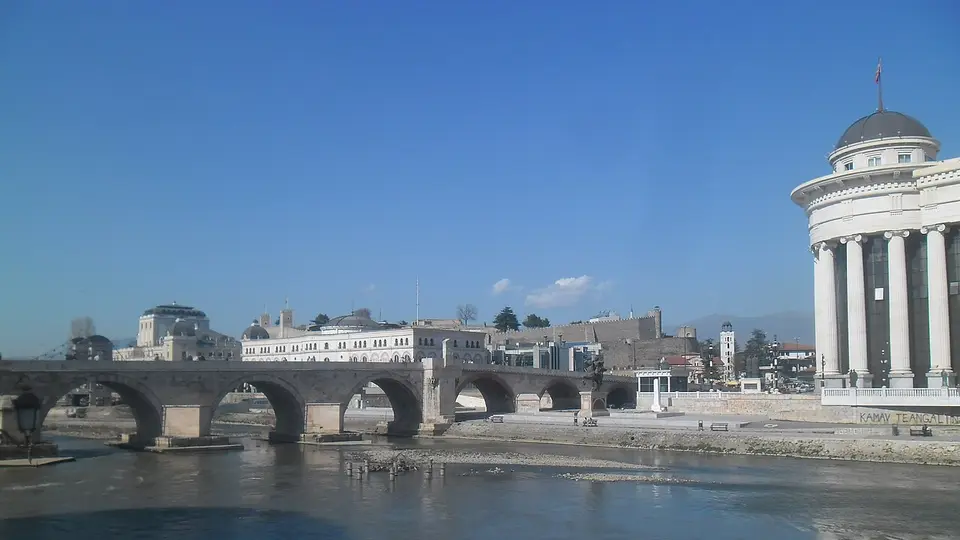
Start in Skopje. The compact centre splits across the Vardar: the marble-and-statue squares of the modern city on the south bank, and the Ottoman Old Bazaar - one of the largest in the Balkans - climbing the north bank toward the Kale Fortress. Give the first day to wandering: cross the Stone Bridge, browse the bazaar lanes and caravanserais, and climb to the free-to-enter fortress for a wide view over the city. The late-afternoon ride up Mount Vodno to the Millennium Cross is off - the cable car has been out of service since April 2026 - so spend the last of the afternoon on the fortress walls and keep the cross for day two.
On day two, head out to Matka Canyon, only about 17 km west of the city - roughly 30 minutes by car or taxi, or reachable by city bus number 60 plus a short walk. The canyon is a steep-sided gorge on the Treska river with a dam-lake at the bottom, lined with hiking paths and a cluster of small medieval churches. Take a boat or kayak across the green water to the Vrelo Cave, walk the lakeside trail to the church of Sveti Andrea, and have lunch on the terrace by the dam. If you’ve still got the legs and the daylight afterwards, the Millennium Cross can be tacked on: bus 25 or a taxi to Sredno Vodno, then about an hour uphill on a marked path. Back in Skopje for a second night. For the full canyon, see our Matka Canyon guide; for the city, things to do in Skopje. You’ll want the half-day at least.
Getting around: Skopje’s sights are walkable; Matka is a half-day trip by taxi, bus 60 or an organised tour. If you’re renting a car, picking it up on day three (rather than paying for it to sit while you explore central Skopje) keeps costs down - see our car rental guide. Have an extra day and a taste for the western mountains? The Skopje to Matka and Mavrovo loop extends this Matka day into a full circuit out to the sunken church of Mavrovo and Bigorski Monastery before returning to the capital.
Day 3: Skopje to Ohrid
The transfer to Ohrid is the route’s longest single leg: about 170 km and 2h45-3h by road, much of it now motorway. By car you simply drive the A2/E65 southwest - and if you want to make a day of it rather than a straight run, our Skopje to Ohrid road trip marks out the stops worth breaking for, from the Painted Mosque in Tetovo to the pass where the lake first appears. By bus, intercity coaches run several times a day from Skopje’s main bus station; book ahead in summer - you won’t find spare seats easily in August.
This is where the airport catch matters. No direct bus or train links Skopje Airport (SKP) with Ohrid. If you’re flying in, take the airport shuttle into Skopje (about 35-40 minutes) and connect to an Ohrid bus, pre-book a private transfer, or collect a rental car - budget for that extra hop rather than expecting a single ride. We cover every option in detail in how to get to Ohrid from Skopje. Don’t plan a same-day flight-to-lake dash without that hop.
Arrive in Ohrid in time to settle in and walk the lakeside promenade at golden hour. Base yourself in or just above the old town for the next two nights.
Days 4: Ohrid
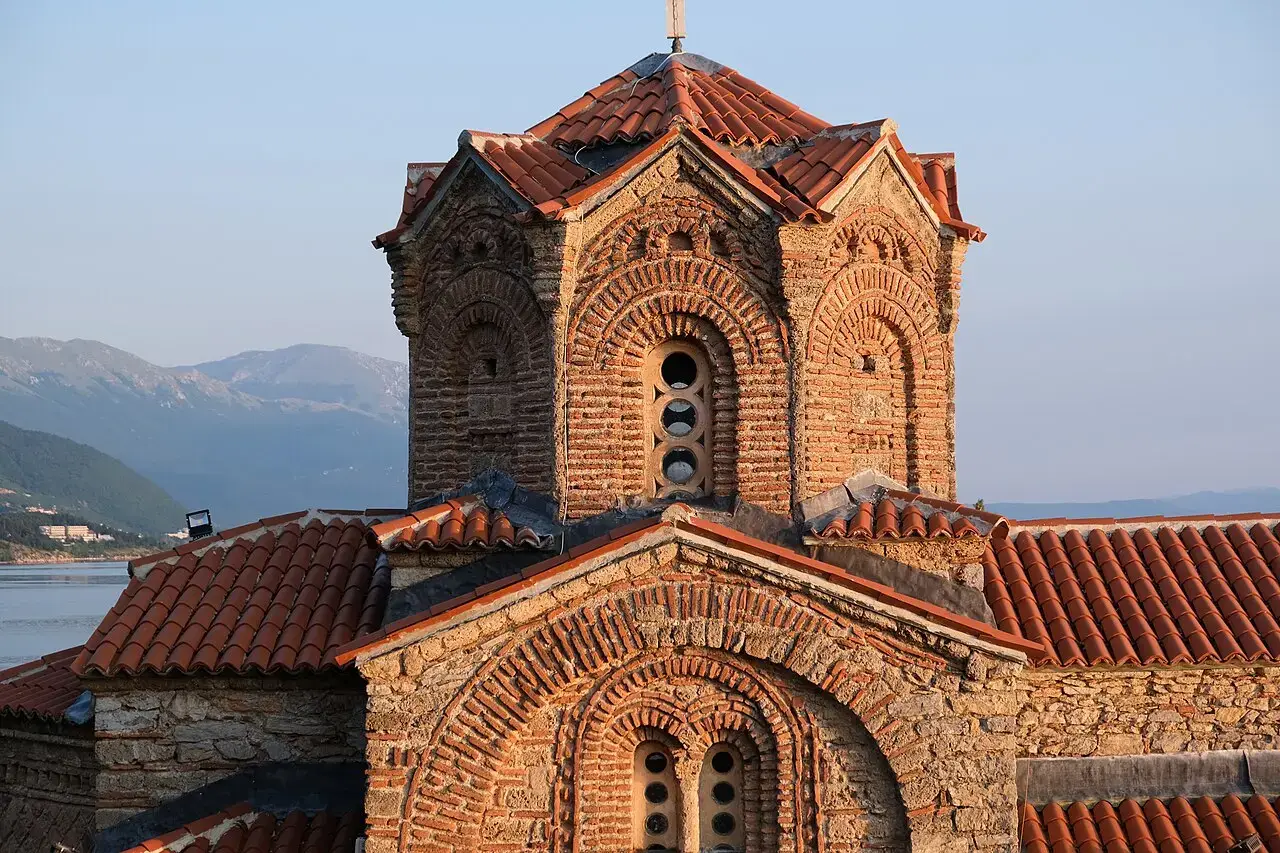
Give a full day to Ohrid itself - a UNESCO World Heritage site where Byzantine churches, an Ottoman-era quarter and a hilltop fortress tumble down to one of Europe’s oldest and deepest lakes. The headline sights string together easily on foot: climb to Samuel’s Fortress for the best view over the red roofs, find the cliff-top Church of St. John at Kaneo, sit in the restored ancient theatre, and visit the cathedral of St. Sophia and the Plaošnik church complex. Cool off with a swim from the town beaches or the better strands east toward Lagadin - you’ll want the afternoon for that.
In the evening, the promenade is the heart of life - a long lakeside walk lined with cafés and fish terraces. Look for Ohrid trout (usually farmed, as the wild species is protected) and Macedonian staples like tavče gravče. For the full list, see things to do in Ohrid. If you want a cheaper, quieter base on the lake - or an easy half-day trip - Ohrid’s twin town of Struga sits just 15 km up the shore where the Black Drin leaves the lake.
Day 5: Sveti Naum, then on to Bitola
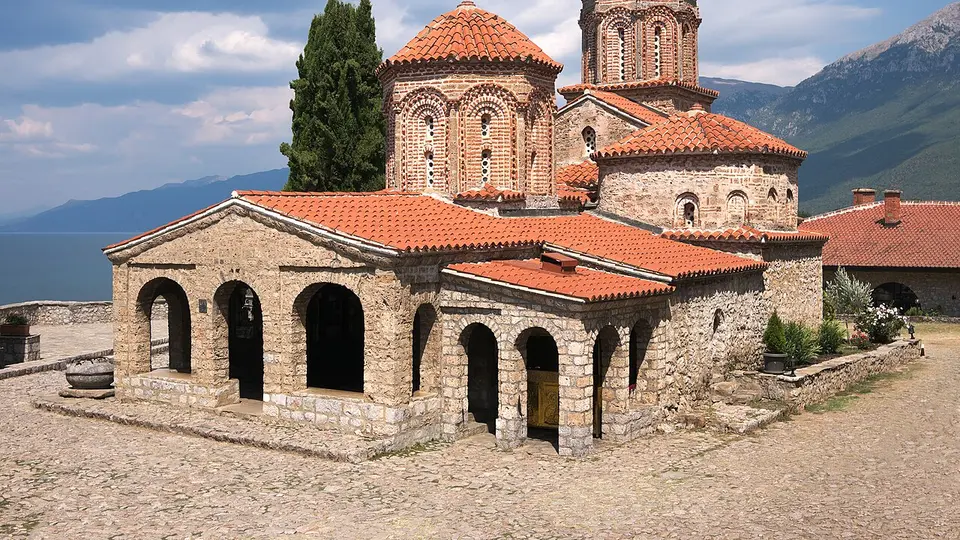
Spend the morning at the Monastery of St. Naum, about 29 km south of Ohrid (about 40 minutes by car, about an hour by local bus) on a bluff near the Albanian border. The 10th-century church sits above springs that feed the lake; peacocks wander the grounds and small boats run out to the spring pools. In summer you can also reach it by passenger boat from Ohrid harbour - a scenic ride of about 1 h 20 to 1.5 hours each way, depending on the operator. It makes a beautiful, unhurried half-day - don’t rush the springs.
In the afternoon, drive on to Bitola - roughly 67-70 km and 1h15 from the lake. If you’re on buses, return to Ohrid first and take an Ohrid-Bitola coach. Check into your Bitola hotel for the next two nights.
Day 6: Bitola and Heraclea Lyncestis
Bitola is North Macedonia’s most elegant southern city - a former Ottoman consular capital where neoclassical facades line the long café-filled promenade of Široki Sokak. Walk the street, browse the Ottoman Bezisten covered market and old bazaar, and look up at the stone clock tower. You’ll want an evening on Široki Sokak even if the ruins wait till morning.
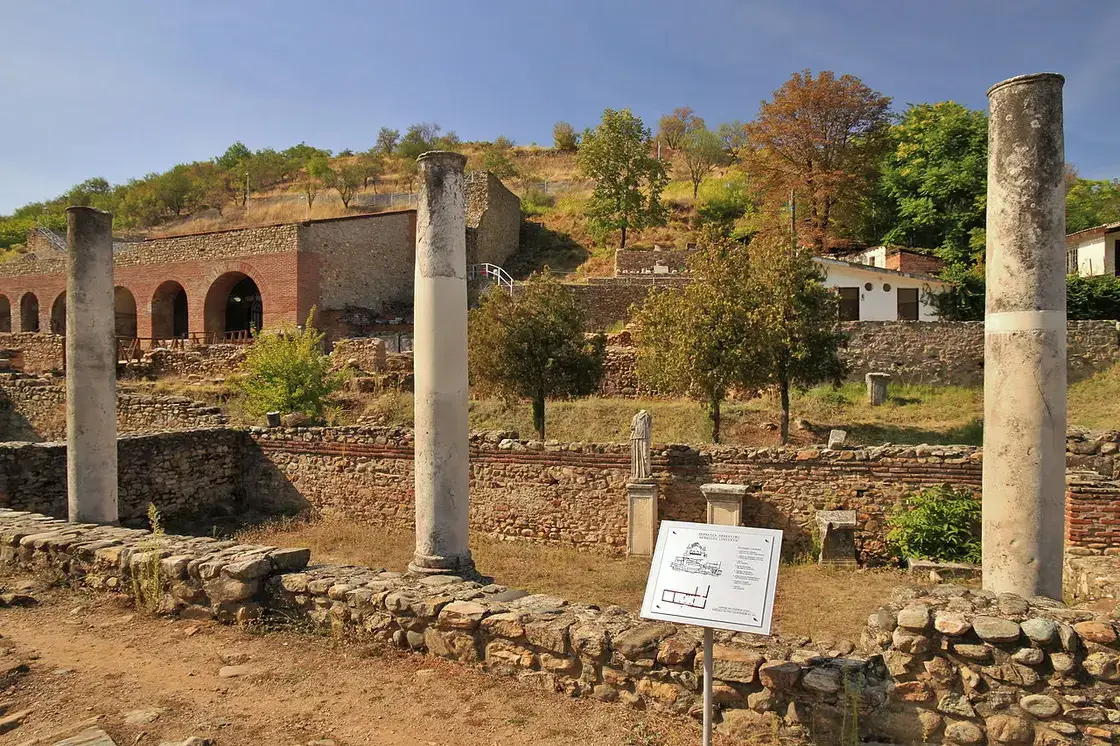
The unmissable sight is just outside town: Heraclea Lyncestis, about 2 km south of the centre. Founded by Philip II of Macedon in the mid-4th century BC and later an early-Christian episcopal centre, it’s best known for its superb floor mosaics - geometric and animal designs in the basilica floors - alongside a Roman theatre and standing columns.
For more, including where to eat and stay, see things to do in Bitola.
Day 7: Pelister or Kruševo, and back to Skopje
On the last day, choose a day trip from Bitola before the drive north. Pelister National Park, rising directly above the city, was proclaimed in 1948 - the oldest national park in the country - with the Pelister peak at 2,601 m, two glacial lakes and rare Molika pines. Even a short drive up to the park edge and a forest walk is rewarding; serious hikers can aim higher.
Alternatively, head up to Kruševo, at about 1,300 m the highest town in North Macedonia - a steep, atmospheric place of old houses and the striking white Makedonium monument, with sweeping views over the Pelagonia plain. The road there runs through Prilep, the “city under Marko’s Towers,” whose boulder-strewn Markovi Kuli fortress makes a worthwhile stop if you’ve the time.
From Bitola it’s roughly 170 km and 2.5-3 hours back to Skopje (or its airport) to close the loop. With more time, you could extend west into Albania - Ohrid sits about 40 km from Pogradec across the border - for a two-country lake trip; see the hub of North Macedonia routes for ideas.
Practicalities: car, buses and season
Renting a car is the most flexible way to do this route, and the only easy way to reach Matka, Sveti Naum and the national parks on your own schedule. North Macedonia drives on the right; the Skopje-Ohrid and Bitola-Skopje legs are straightforward, mostly on good roads. Pick the car up after exploring central Skopje to avoid paying for idle days - our car rental guide covers providers and what to check.
By bus, the Skopje-Ohrid-Bitola triangle is well covered by intercity coaches; the smaller stops (Matka, Sveti Naum, Heraclea, Kruševo) need a local bus, taxi or organised tour. Allow extra time and book popular summer routes ahead.
When to go: late spring through early autumn (roughly May to October) is ideal. July and August are warmest and busiest - best for swimming in Lake Ohrid, but book accommodation early. September and early October bring comfortable temperatures, thinner crowds and autumn colour in Pelister, making them arguably the sweet spot for this loop.
See also
- Choosing what to do rather than which day: best things to do in North Macedonia
- Things to do in Skopje - the capital in detail
- Things to do in Ohrid - the UNESCO lake town
- Things to do in Bitola - Heraclea and the city of consuls
- Got ten days? North Macedonia 10-day grand tour - the same highlights plus the eastern half
- Extend the loop: Prilep and Kruševo in Pelagonia, or Struga on the lake
- How to get to Ohrid from Skopje - every transfer option
- Car rental in North Macedonia - the easiest way to drive this route
- Driving in North Macedonia: rules & tips - limits, tolls, documents and winter rules
- More routes and road trips: North Macedonia routes
Route day by day
- Days on the road
- 7
- Distance
- ≈600 km
- Budget from
- 450 EUR
- Best season
- May, June, July, August, September, October
The route at a glance
-
Skopje
Route startOld Bazaar, Stone Bridge, Kale Fortress and Mount Vodno - the gateway and your first base.
Photo: August Dominus · CC BY-SA 4.0 · Wikimedia Commons ( source) -
Matka Canyon
17 km from the startA half-day nature escape 17 km west of Skopje - boat rides, kayaks and the Vrelo cave.
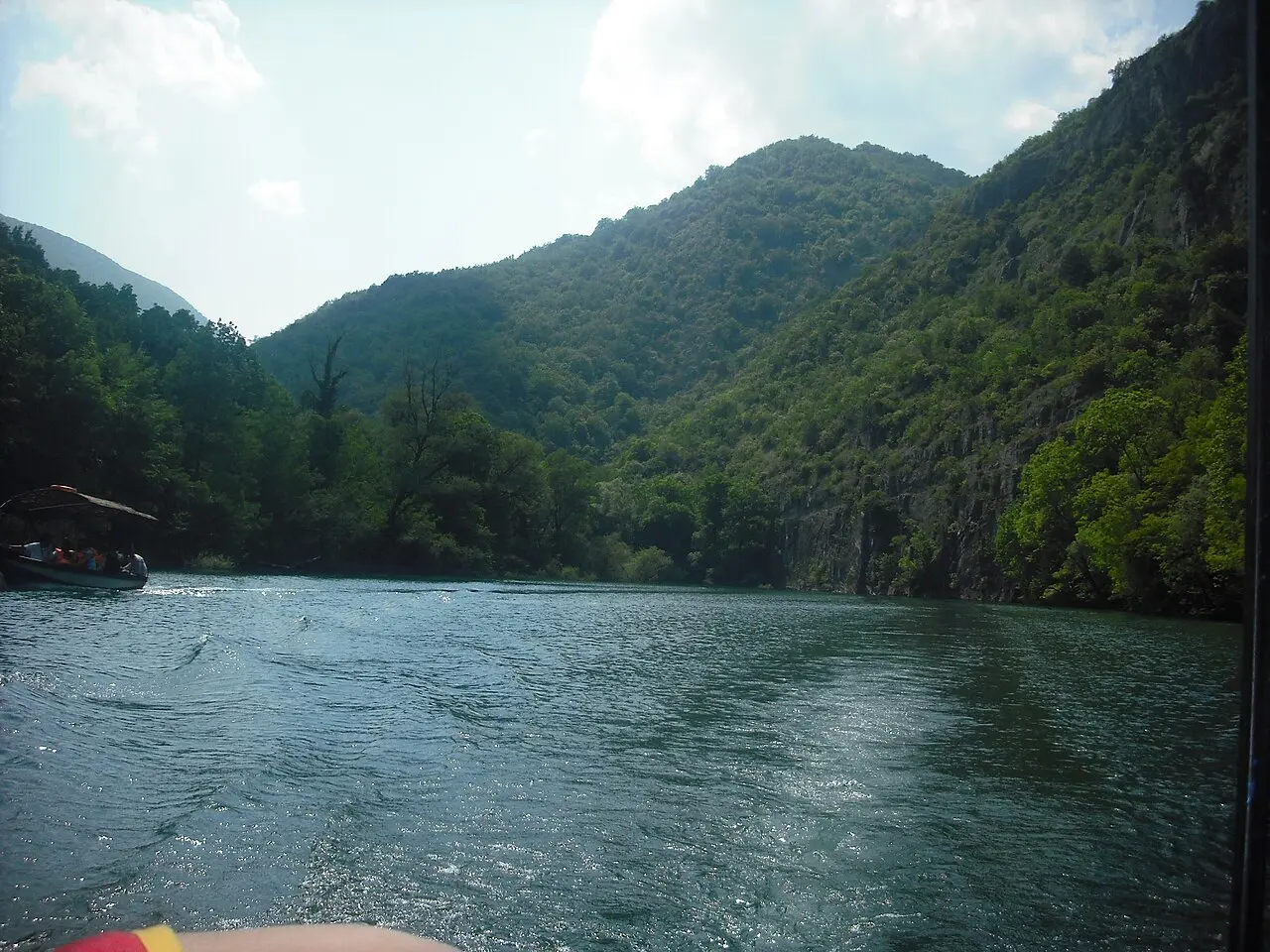
Photo: GP / Wikimedia Commons, CC BY-SA 3.0 ( source) -
Ohrid
190 km from the startThe UNESCO lakeside old town - Kaneo church, Samuel's Fortress and the ancient theatre. Two nights.
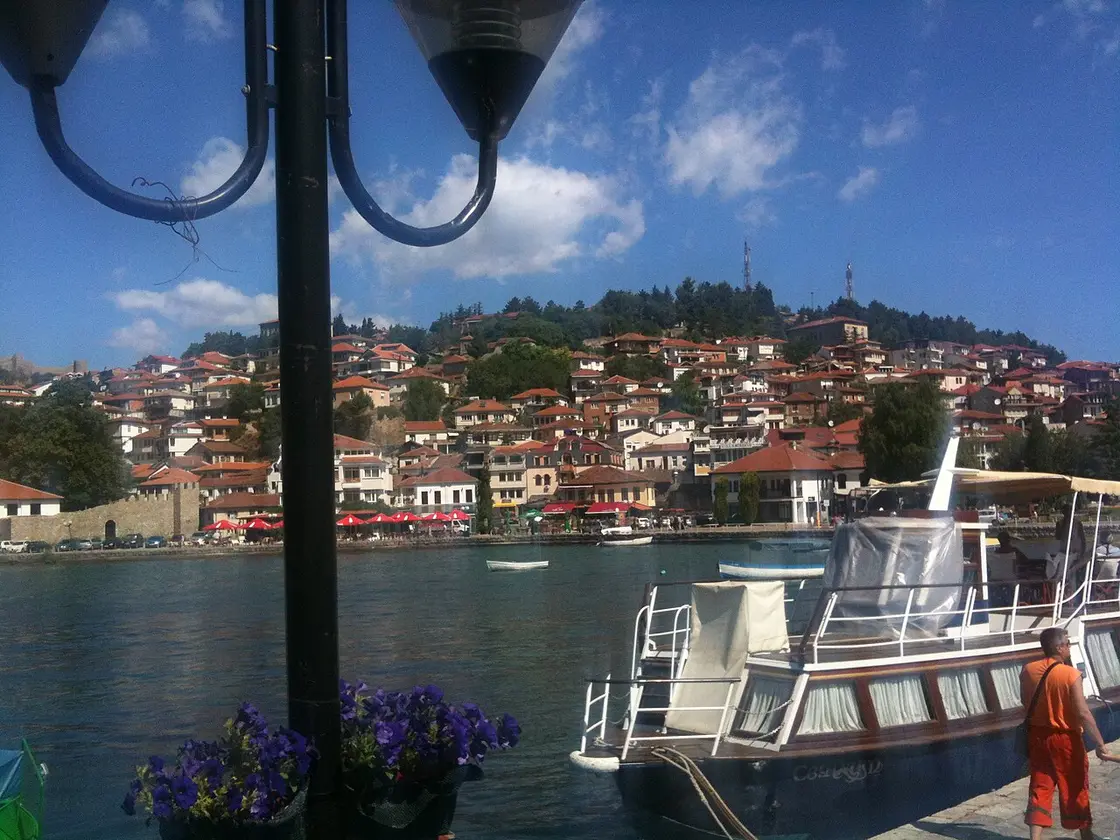
Photo: Local hero / Wikimedia Commons, CC BY-SA 3.0 ( source) -
Sveti Naum
219 km from the start29 km south of Ohrid by the Albanian border - a 10th-century monastery above the lake springs.
Photo: Petar Milošević · CC BY-SA 4.0 · Wikimedia Commons ( source) -
Bitola & Heraclea
290 km from the startElegant Široki Sokak and the mosaics of ancient Heraclea Lyncestis. One night.
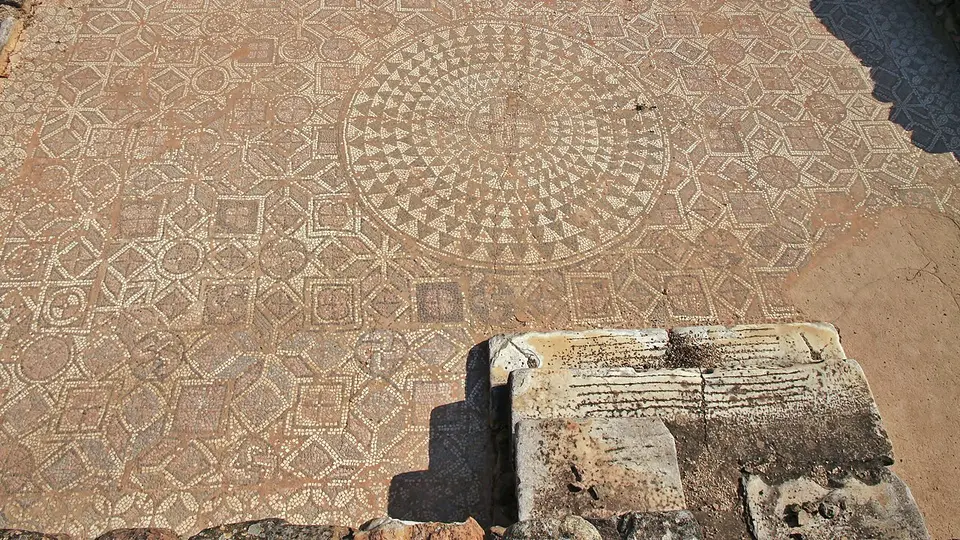
Photo: Marcin Konsek · CC BY-SA 4.0 · Wikimedia Commons ( source) -
Pelister & Kruševo
340 km from the startThe country's oldest national park and its highest town - day trips from Bitola before returning to Skopje.
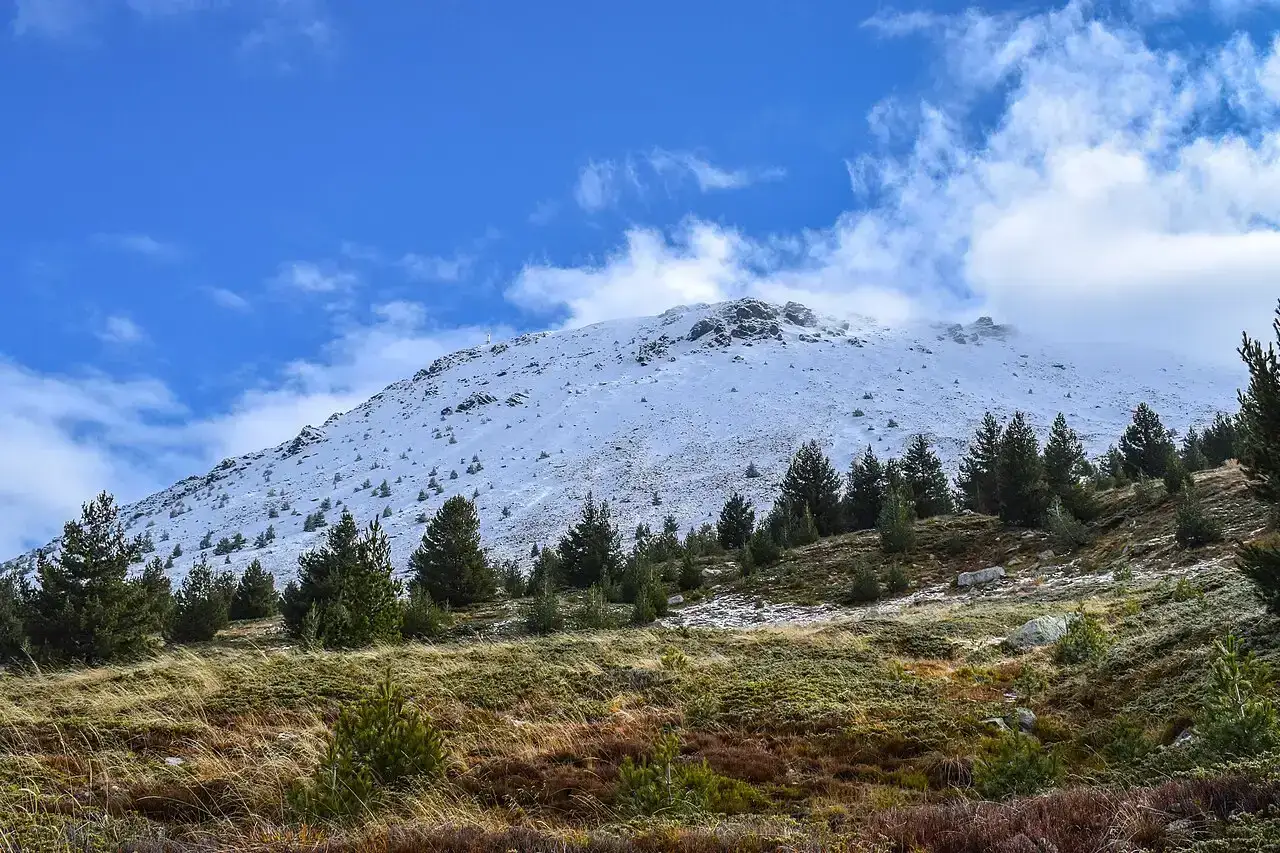
Photo: Liridon · CC BY-SA 4.0 · Wikimedia Commons ( source)
Route map
The map with stops loads on click - to keep the page lightweight.
The map didn’t load. Check your connection and refresh the page.