
Ohrid vs Bitola: Which North Macedonia City to Visit?
Ohrid for the UNESCO lake and summer swimming, Bitola for café culture, Roman ruins and fewer crowds - and they're only 70 km apart.
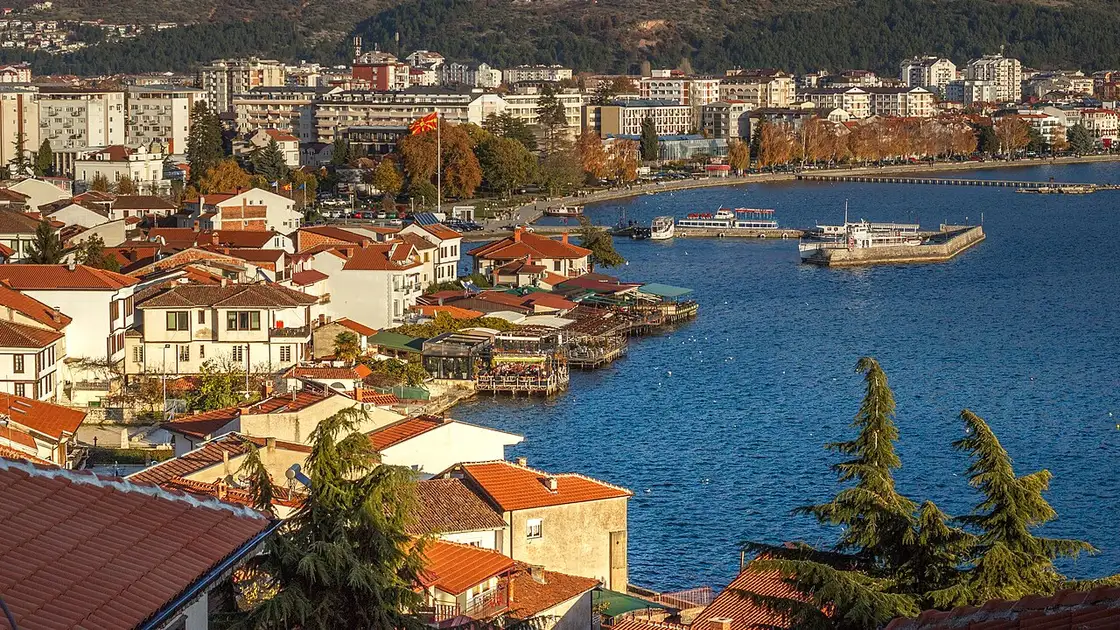
Pick Ohrid if you want the famous lake, the Byzantine churches and warm-water swimming in summer; pick Bitola if you want café culture, Roman ruins, Ottoman architecture and far fewer tourists. Ohrid is the postcard and the bigger draw. The surprise is Bitola: most people arrive at Ohrid expecting a lake and leave never having heard that 70 km east sits a grand nineteenth-century “City of Consuls,” with European-style facades along a café promenade and the Roman ruins of Heraclea Lyncestis on its edge. This guide compares the two on sights, atmosphere, crowds, price, day trips and season, so you can decide where to base - and it’s worth knowing early that they’re close enough to pair on one trip, not just choose between.
The quick verdict
| If you want… | Base in |
|---|---|
| The UNESCO lake, swimming, the classic postcard | Ohrid |
| Café culture, Roman ruins, Ottoman streets | Bitola |
| Fewer tourists and a real working city | Bitola |
| Boat trips and beaches | Ohrid |
| Better nightlife and evening buzz | Bitola |
| An off-season trip (Nov-Mar) | Bitola |
| Mountains at the door | Bitola (Pelister) |
| A first-time, short visit | Ohrid |
Most first-timers should start with Ohrid - it’s the country’s headline sight for good reason. But if you’ve already seen Ohrid, or you want somewhere that feels less like a resort and more like everyday North Macedonia, Bitola is the more rewarding stay. With three days or more in the south, though, the split becomes moot: the two are an easy transfer apart, so the real question shifts from which to how long in each - the section further down lays out a two-plus-two plan.
Ohrid: the lake and the old town
Ohrid is North Macedonia’s showpiece. The old town stacks Byzantine churches, an Ottoman-era quarter and a hilltop fortress down a steep headland to the water of Lake Ohrid - a UNESCO mixed World Heritage site, one of Europe’s oldest and deepest lakes (roughly 1.2 million years old, up to 288 m deep). The single most photographed spot in the country, the cliff-top Church of St. John at Kaneo, is here, along with Samuel’s Fortress, the restored ancient theatre and, across the lake, the Monastery of St. Naum, reached by a lovely boat trip. Two to three days covers it comfortably. Where Ohrid has a waterfront restaurant scene - see eating out in Ohrid - Bitola leans on café culture instead.
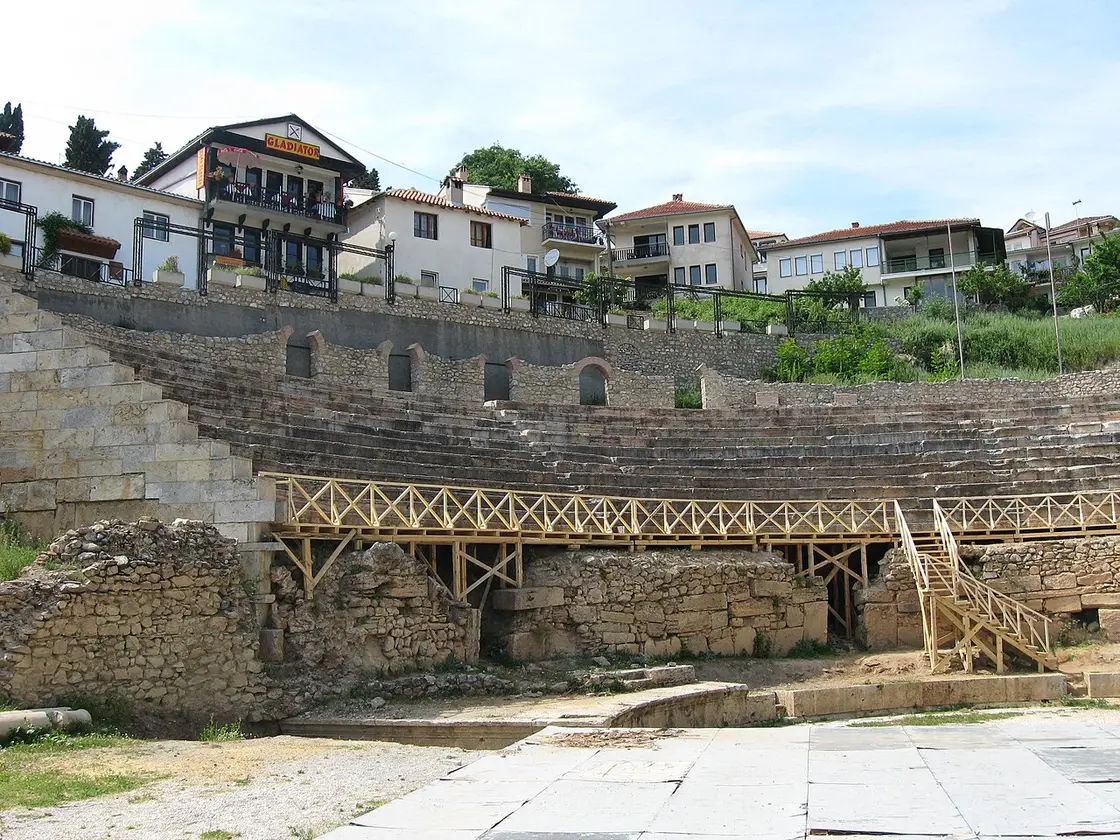
The catch is that Ohrid is a summer destination first and foremost. From late June through August the lake is warm, the promenade is packed and the festival weeks book out - it’s wonderful, but it’s busy and prices climb. Come in November and half the lakeside places are shut and the town feels sleepy. That seasonality is the single biggest thing to weigh against Bitola.
Bitola: café culture and Roman ruins
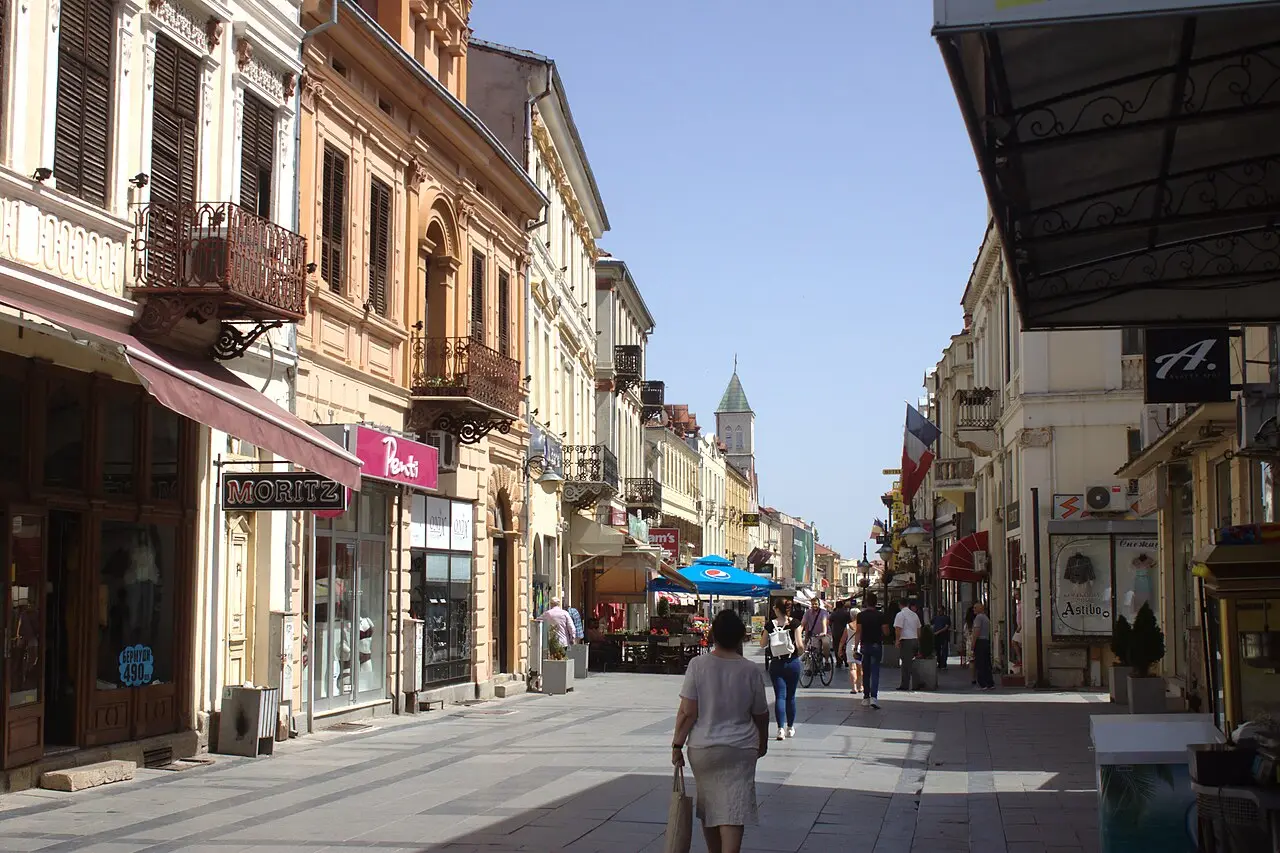
Bitola works the opposite way to Ohrid - North Macedonia’s third-largest city and the biggest in the south, and, unlike the lake town, a proper year-round one. Its nickname is the “City of Consuls”: in the last Ottoman decades it hosted consulates from twelve countries, and that left a centre of neoclassical facades with a distinctly European elegance. The heart of it’s Široki Sokak, a long, tree-lined pedestrian promenade lined with cafés that fills up from morning coffee to the evening stroll. It has the best café-and-bar scene of the three big Macedonian towns - livelier at night than either Ohrid or Skopje. Each September, the Manaki Brothers Film Festival adds a week of international cinema to that nightlife without turning Bitola into a resort.
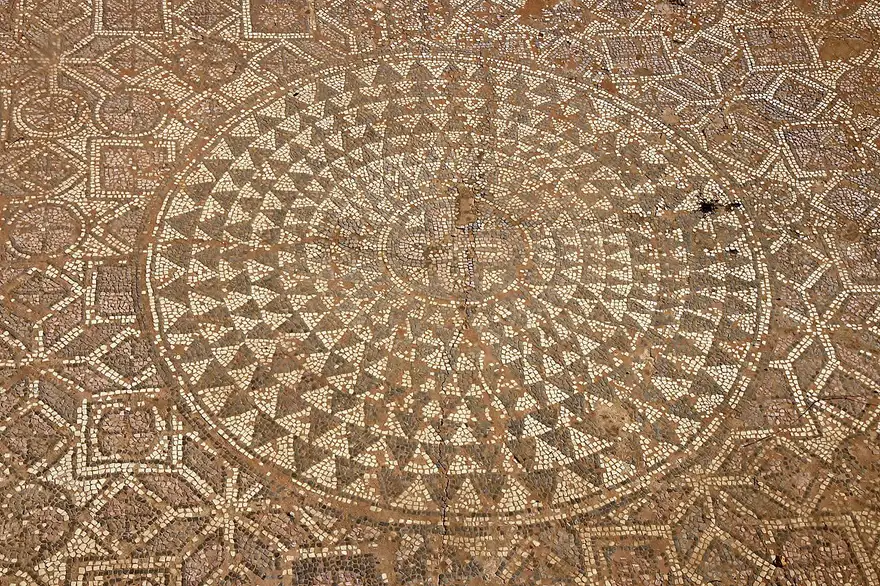
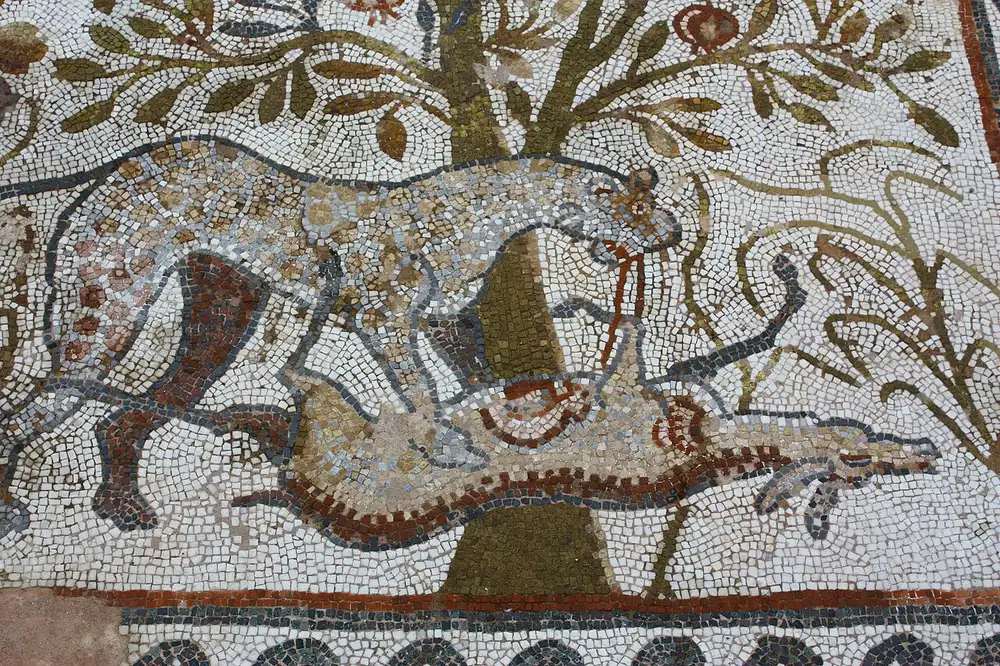
Just south of town sit the ruins of Heraclea Lyncestis, founded by Philip II of Macedon in the mid-4th century BC and later an early-Christian episcopal centre. The draw is the floor mosaics in its basilicas - intricate, well-preserved, and dotted with local trees and animals - alongside a Roman theatre and baths. Add the Ottoman Bezisten covered market, the old bazaar and the stone clock tower, and Bitola has more genuine history per square metre than most visitors expect.
Crowds, price and atmosphere
This is where the two really diverge, and it shows up in the room rate. Ohrid is the tourist star - the Ohrid area alone pulls close to a third of North Macedonia’s overnight stays - and its prices swing with the summer. Off-season you can find a mid-range Ohrid room for roughly €30, but in the July peak the average climbs to around €100+ a night, with three-star places near €60 and four-star closer to €110 (indicative figures from hotel aggregators, mid-2026 - prices change, so confirm when you book). During the summer festival weeks in late July and August, the lakeside beds go fast and often sell out weeks ahead, so book early or come in June or September.
Bitola, as an ordinary inland working city, stays flatter and cheaper: hotels there average roughly €30-35 a night and budget rooms drop to around €20, with little of Ohrid’s summer spike. So beyond atmosphere, Bitola is simply the lighter hit on the wallet - you’re paying Ohrid a premium for the lake. If you like a buzzy lakeside promenade and don’t mind sharing it, that premium is worth it; if you’d rather sit with a coffee among locals on a grand old street and have the ruins nearly to yourself, Bitola wins on both feel and price. For the numbers city by city - Ohrid and Bitola alongside Skopje - see our North Macedonia cost index.
For where to actually stay in each - and which neighbourhoods are worth the money in Ohrid’s busy season - see our guides to where to stay in Ohrid and where to stay in Bitola.
Day trips: what’s on each doorstep
- From Ohrid: the boat trip across the lake to St. Naum, the beaches and coves along the shore, and the Galičica ridge between Lake Ohrid and Lake Prespa. It’s a water-and-lake base.
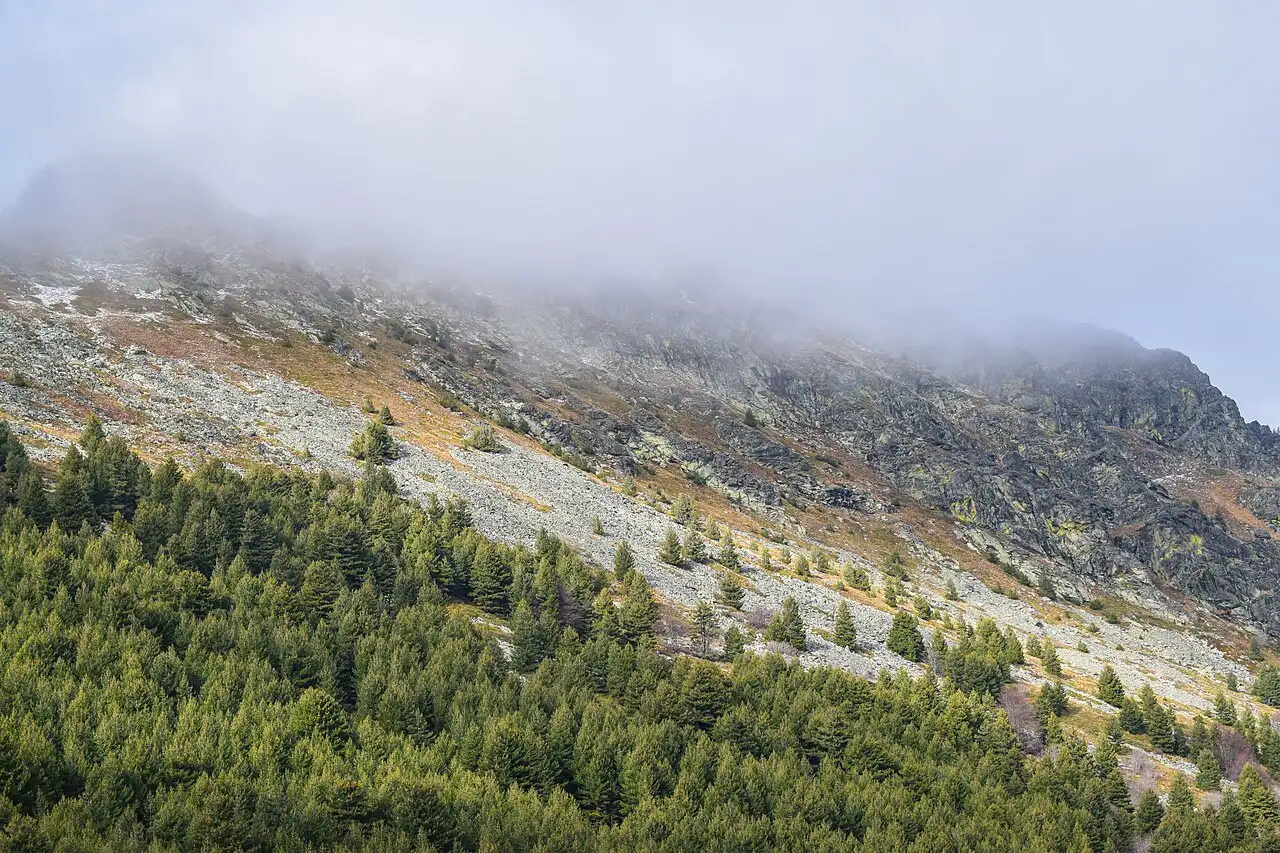
- From Bitola: Pelister National Park - the country’s oldest (established 1948), with its Molika pine forests and glacial lakes near 2,200 m - starts barely 20 minutes away by car. The mountain resort town of Kruševo is also an easy add-on. It’s a mountain base.
That contrast sums the two up neatly: Ohrid points you at the water, Bitola points you at the mountains.
Why not both? Getting between them
The strongest argument is that you barely have to choose. The two cities are only about 68-70 km apart. The intercity bus takes roughly 1.5 to 2 hours for 420 MKD (about €6.80), and it runs often - aggregator listings show up to 17 departures a day - so you can move on a whim. Driving is quicker at about 1 to 1.5 hours, with the bonus of the spectacular Galičica pass over the mountains - though note that shortcut closes in winter, when everyone takes the longer road around through Resen. Full details, times and fares are in our Ohrid to Bitola guide.
A common and easy plan: two or three nights in Ohrid for the lake and churches, then two in Bitola for the café life and Heraclea. You get the postcard and the real city, and the transfer costs about the price of a couple of coffees.
So, which one?
Choose Ohrid if it’s summer, it’s your first time, and you want the lake, the swimming and the famous churches. Choose Bitola if you want somewhere more local and lively, love ruins and Ottoman streets, are travelling off-season, or want mountains on your doorstep. And if you have three days or more, don’t choose at all - they’re close, cheap to hop between, and better together than apart.
For the wider picture, see our full guides to things to do in Ohrid and things to do in Bitola, or read up on Lake Ohrid itself before you go.
Read also
- The lakeside star: things to do in Ohrid
- The city of consuls: things to do in Bitola
- Getting between them: Ohrid to Bitola
- Where to sleep: where to stay in Ohrid · where to stay in Bitola
- The lake itself: Lake Ohrid guide
Read also

Before you go · 11 min read
North Macedonia Travel Tips: Know Before You Go
Updated · September 5, 2026Pack a Type C/F adapter, plan around Sunday shop closures, carry denar, check tap-water alerts, and sort eSIM plus insurance before you land.

Before you go · 10 min read
Macedonian for Travelers: Phrases That Open Doors
Updated · August 31, 2026A working Macedonian phrase kit for travelers: Cyrillic, how to say it, and when it helps in a kafana, taxi or market.

Before you go · 9 min read
Skopje vs Ohrid: Which Should You Base Yourself In?
Updated · September 24, 2026Skopje for flights, museums and day trips; Ohrid for the UNESCO lake and summer swimming - about 3 h 20 apart by bus, and most trips work best split.

Before you go · 12 min read
Skopje or Sofia: Which Balkan Capital to Visit?
Updated · September 26, 2026Skopje's rooms cost less, Sofia's airport transfer is easier, and a direct bus links the two in about 5h for about EUR 27. Here's which to fly into first.