
Renting a Car in North Macedonia: Prices & Insurance 2026
Renting a car in North Macedonia: where to hire, prices in denar, insurance and CDW, driving the mountain passes, parking, fuel and crossing borders.
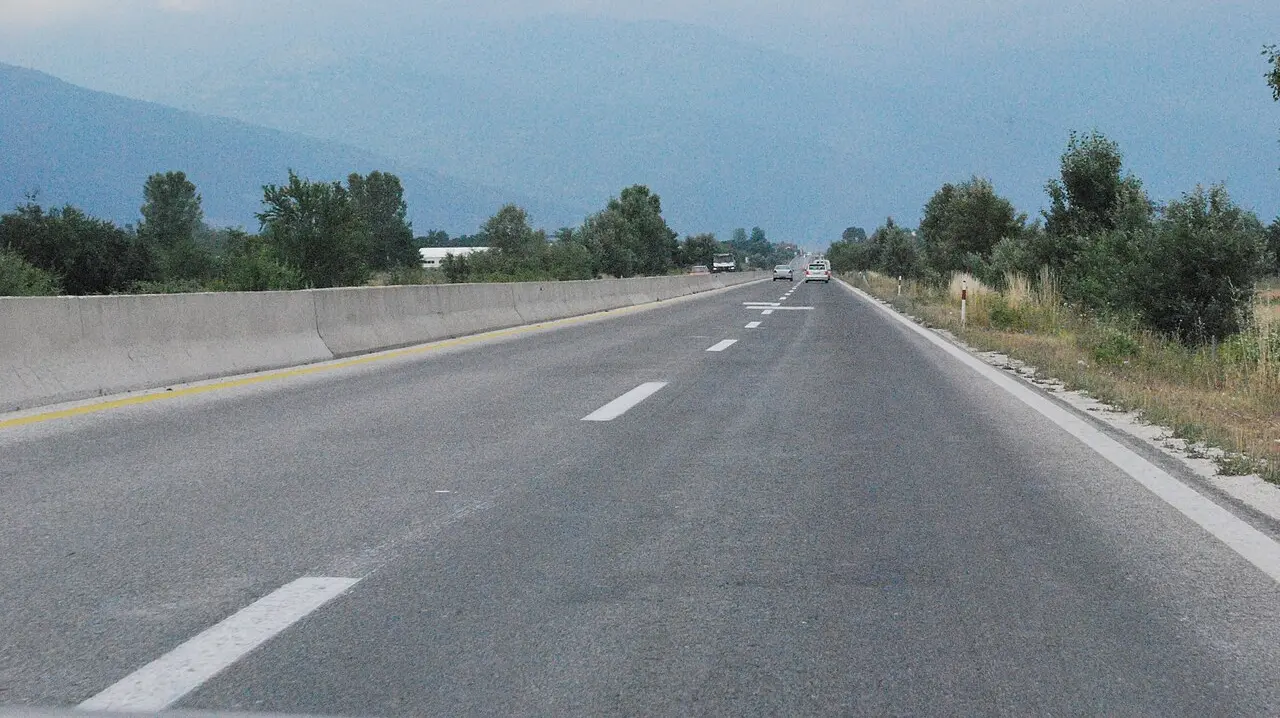
Should you rent a car in North Macedonia? For the lakes, the mountains and the small towns - yes; it’s the single biggest upgrade you can make to a trip here, because public transport thins out fast once you leave the Skopje-Ohrid corridor. For getting around central Skopje, no - the city is walkable, parking is a hassle, and you would only be paying to leave a car idle. Expect rough guide prices of roughly €25-45 a day for a small car in season (always confirm the live quote). This guide covers whether you actually need a car, where to hire one, the paperwork and deposit, insurance and the CDW excess, what the driving is really like, fuel and parking, crossing borders, and how prices move with the season.
Do you actually need a car in North Macedonia?
It depends entirely on where you’re going. The honest split is this:
- You probably want a car for: Lake Ohrid and the western lakes, the national parks (Mavrovo, Galičica, Pelister), Matka Canyon, Kruševo and the smaller towns, and any kind of road-trip loop. Buses reach the main towns but run on their own timetable, skip the scenic detours, and leave you stranded at trailheads and viewpoints.
- You probably don’t need one for: a city break in Skopje, or a single-base stay in Ohrid old town. Skopje’s centre is compact and walkable, taxis are cheap, and a parked rental is just dead money. Ohrid’s old town is steep and partly pedestrian - a car helps for the beaches and St. Naum, but not for the sights themselves.
The strongest single argument for hiring a car is the airport. There is no direct bus from Skopje airport (SKP) to Ohrid - you have to transfer into Skopje city first and pick up an onward bus, which turns a 2.5-3 hour drive into a half-day relay. If your trip is centred on the lake or the mountains, a car (or a private transfer) removes that friction on day one. For the bus-and-taxi alternatives, see our getting around North Macedonia guide.
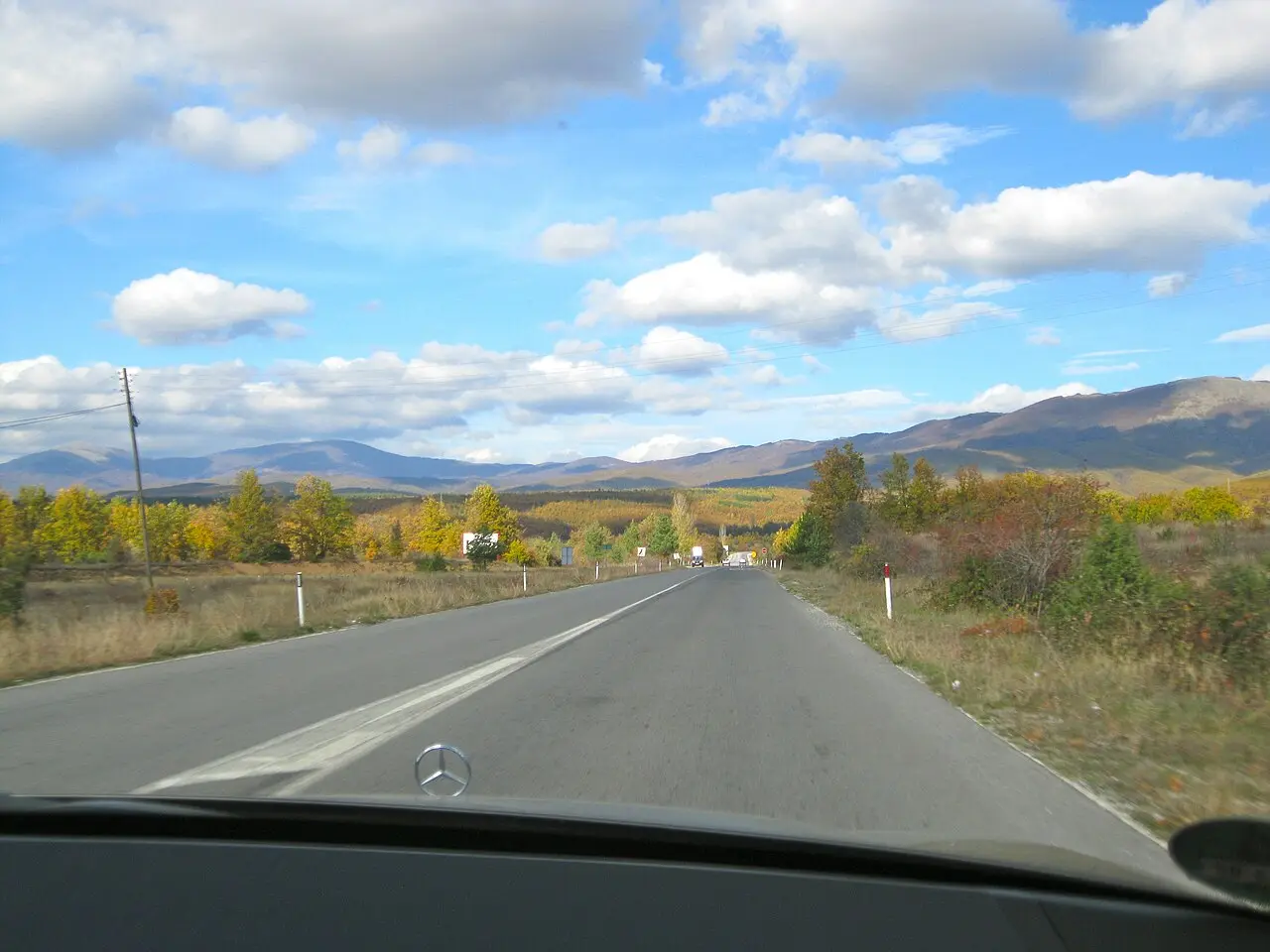
Where to rent a car
Most visitors pick the car up at an airport or in a city centre. The two airport counters are the easiest for a fly-drive trip:
| Pick-up | Best for | Notes |
|---|---|---|
| Skopje airport (SKP) | Most road-trips; widest choice | International + local agencies on site; book ahead in summer |
| Skopje city | Add-on after a few city days | Downtown offices; skip if you only want the car for day trips |
| Ohrid airport (OHD) | Lake trips and the Galicica pass | 12 agencies on the airport’s own list, but no permanent desks: local firms meet you in arrivals |
| Ohrid town | Picking up after arriving by bus | Local agencies; reserve in advance for July-August |
Skopje airport has both the global brands and Macedonian agencies, so it has the most cars and the most competitive prices. Ohrid’s airport is much smaller and runs mostly seasonal flights, so car-hire stock there is thin and worth locking in early. A common pattern is to fly into Skopje, drive the country, and fly out of Skopje - a one-way drop in Ohrid is sometimes possible but usually carries a fee, so ask before you book. For the specifics of the Skopje counter - who’s staffed when, the real deposit spread and the out-of-hours fee - see our dedicated guide to car rental at Skopje Airport. The lake end works differently enough to need its own page: car rental in Ohrid covers who’s actually at OHD, why the local agencies quote by phone instead of publishing rates, the old-town driving permit and the winter closure of the Galicica pass.
Whichever way you go, compare a few suppliers rather than walking up to a single desk - availability and the small print (deposit, mileage, cross-border rules) vary more than the headline rate.
Documents, age and the deposit
To hire and drive a car in North Macedonia you generally need:
- A full driving licence held for at least one to two years (the minimum varies by company).
- An International Driving Permit (IDP) alongside your national licence, unless you’re driving on an EU or UK licence. Canada and Australia tell their citizens outright to carry one, and the US State Department says Americans need a US licence plus an IDP obtainable only in the United States - so get it at home. The UK Foreign Office is the exception and says a UK photocard licence is enough in a rental car. Agencies also ask for an IDP in their own right, non-Latin-script licences in particular.
- A passport or ID card, and a credit card in the main driver’s name for the security deposit.
- A minimum age of around 21, often with a young-driver surcharge under 23-25. A few categories (larger or premium cars) set a higher floor.
The deposit is the part travellers underestimate. The agency blocks a hold on your credit card - commonly a few hundred euros’ equivalent in denar, more for bigger cars - and a debit card or cash is frequently not accepted for it. The hold is released after you return the car undamaged, which can take a few days to clear. Confirm the deposit amount and the accepted card types when you book, not at the counter.
Insurance, CDW and the excess
Every rental includes a baseline of third-party liability (legally required) plus Collision Damage Waiver (CDW) and theft protection. The catch is that CDW isn’t the same as “fully covered”: it comes with a franchise / excess - the amount you still pay if the car is damaged or stolen. That excess can run to several hundred or even over a thousand euros’ equivalent, and tyres, windscreen and the underbody are often excluded altogether.
You have three sensible options:
- Take the agency’s excess-reduction (“Super CDW” / full protection) at the desk - simplest, but the priciest per day.
- Buy standalone excess insurance before you travel from a third-party provider - usually much cheaper, but you pay any damage up front and claim it back.
- Rely on a credit-card or travel-insurance benefit - only if you’ve read the policy and know it covers rentals in North Macedonia (many exclude it, or exclude the excess).
Whatever you choose, photograph the car all the way round at pick-up and drop-off, including the roof, wheels and any existing scratches, and get every mark noted on the contract. This is the single best protection against a disputed damage charge. For longer or multi-country trips, pairing the rental with proper travel cover is worth it - see our travel insurance for North Macedonia guide.
What the driving is actually like
Driving in North Macedonia is straightforward but not motorway-smooth everywhere. You drive on the right, seatbelts are mandatory, dipped headlights are required at all times (day and night), and the drink-drive limit is very low - treat it as zero. Speed limits run to roughly 120 km/h on motorways, 80-100 on open roads and 50 in towns; police checks and speed cameras are common, so stick to the posted limits.
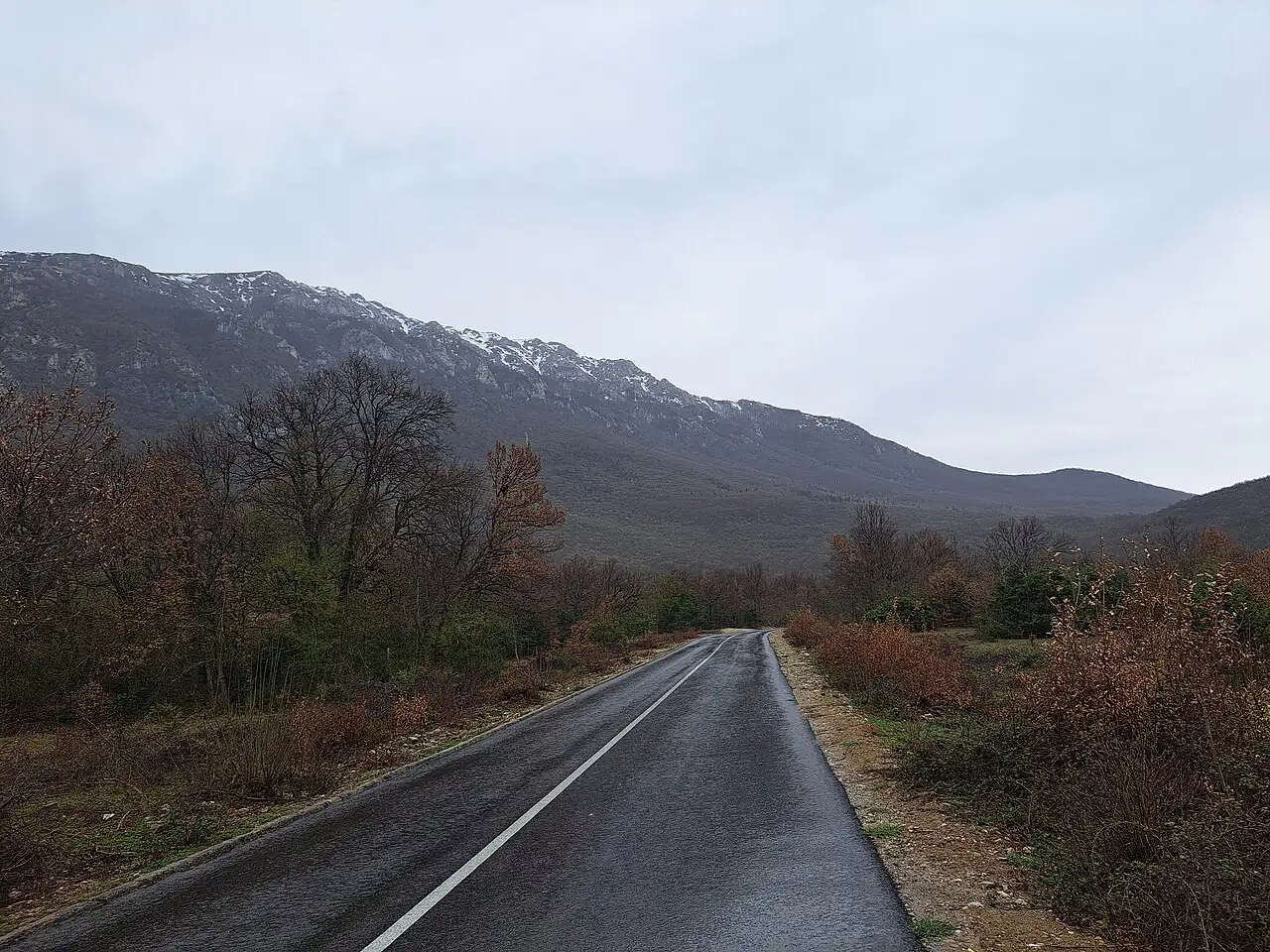
The A1 motorway spine (Skopje-Veles-Gevgelija toward Greece, and the Skopje-Tetovo leg) is modern, tolled and easy. Off that spine the picture changes: secondary roads are mostly fine but narrower, and mountain routes mean genuine passes - switchbacks, steep grades and few barriers over the Mavrovo, Galičica and Pelister ranges. They’re spectacular and perfectly drivable in daylight in good weather, but slow, and you don’t want to meet them for the first time at night or in fog. The road-risk side of things is covered in more depth in is North Macedonia safe to visit.
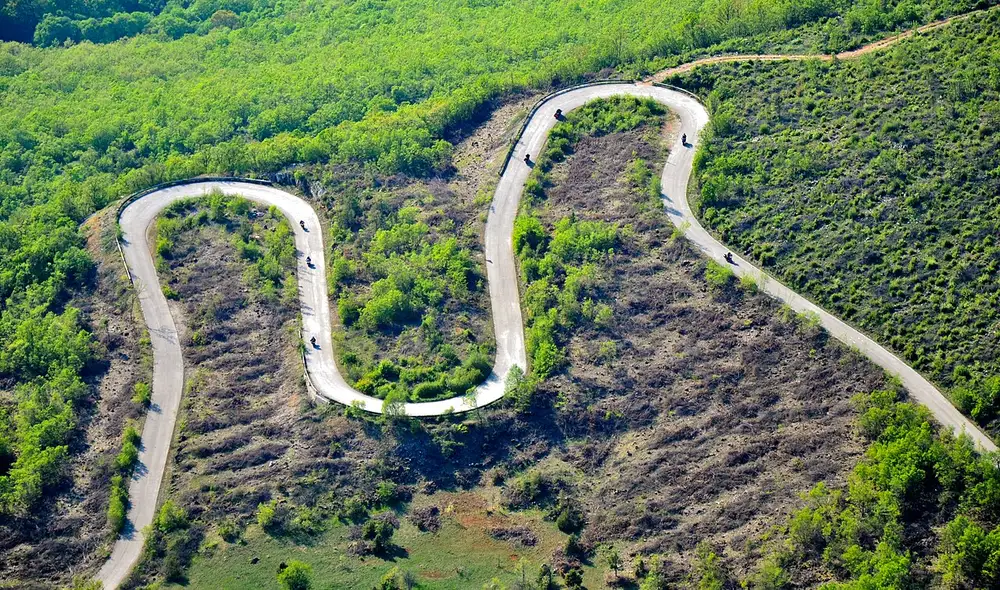
A few practical habits help a lot:
- Toll the motorways with cash or card - keep some small denar notes for the booths.
- Watch for the unexpected on rural roads: livestock, tractors, potholes after winter, and the occasional overtake into your lane.
- Don’t drive the passes after dark if you can avoid it - unlit, unfenced and tiring.
- Fuel up before the mountains. Stations are plentiful on the main corridors but sparse on remote routes; most take cards but carry cash as backup. Petrol and diesel are sold by the litre and priced in denar.
Parking
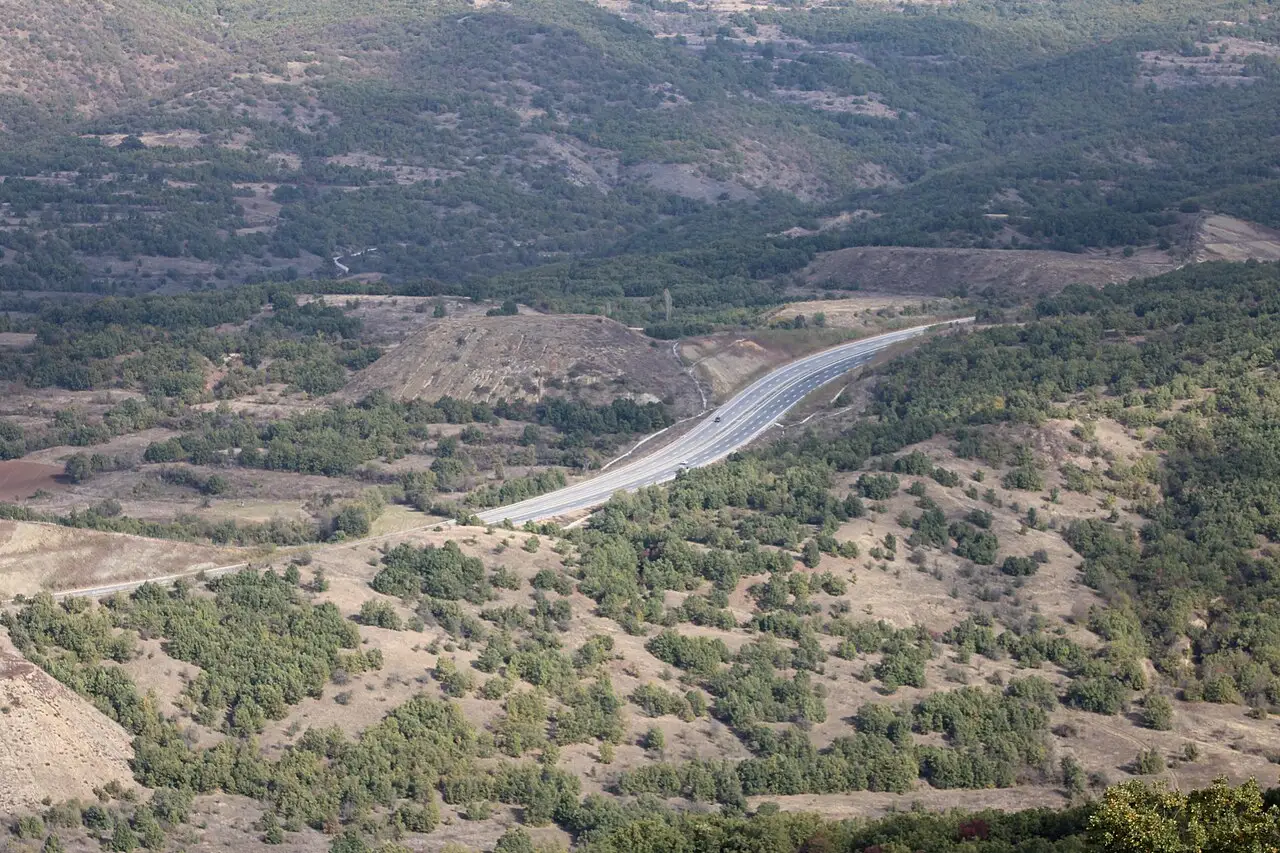
Parking is where a car turns from asset to liability in the cities. In central Skopje it’s metered, zoned and often full - you pay at machines or by SMS, and a hotel with parking is worth more than its star rating. In Ohrid, the old town is steep and largely off-limits to cars, so you park below or outside the centre and walk up. In smaller towns and at the lake, parking is easy and usually free. Plan to garage the car while you are city-based and only really use it for the days you head out.
Crossing borders into Albania, Kosovo or Greece
North Macedonia sits at the centre of a very crossable corner of the Balkans, and the temptation to dip into a neighbour is real - Albania’s Pogradec is only about 40 km from Ohrid, Kosovo is a short hop north, and Greece lies straight down the A1. But you can’t just drive across. Rental companies set their own cross-border rules, and you must clear them in advance:
- Tell the agency exactly which countries you plan to enter and get written permission on the contract. An unauthorised crossing can void your insurance entirely.
- Check the Green Card (the International Motor Insurance Card): the destination country must be ticked as covered on the certificate. North Macedonia is in the Green Card system; Kosovo is not. As of October 2026 the Kosovo Insurance Bureau accepts a North Macedonian or Montenegrin green card and Albanian or Serbian domestic cover, so a car on Macedonian plates is accepted while a car driven down from the EU buys border liability insurance at the crossing or online - from EUR 15 for 15 days for a car on the Bureau’s published tariff.
- Expect a cross-border fee and, sometimes, a restriction on which categories of car may leave the country.
If a two-country lake loop is the plan - Ohrid paired with Albania’s Pogradec is the classic one - our 7-day North Macedonia route shows how the driving days fit together; just confirm the cross-border paperwork with your supplier first. For which physical crossing to actually use on each border, which run one-stop control, and how to check the live queue yourself, see our North Macedonia border crossings guide.
Season and when it’s worth it
North Macedonia’s tourism is sharply seasonal, and so is car hire. July and August are the peak: Ohrid is full, demand for cars is highest, and prices rise with it - book weeks ahead for those dates. June and September are the sweet spot, with warm weather, thinner crowds and softer rates. In winter, base rates fall but mountain driving gets serious - snow on the passes, and rentals in the high season may come with winter tyres or chains as standard (confirm this if you’re heading for Mavrovo or the ski areas).
How much does it cost? (a guide, confirm the live quote)
Prices move with season, demand and how far ahead you book, so treat any figure as a ballpark and check the live quote before you commit. As a rough guide, a small manual car often sits around €25-45 a day in season, with larger or automatic cars higher, and shoulder-season and longer rentals cheaper per day. North Macedonia uses the Macedonian denar (MKD), which is steady against the euro at roughly 61.5 MKD to €1, so euro estimates convert predictably.
| Item | Rough guide (confirm) |
|---|---|
| Small manual car, per day (season) | ~€25-45 |
| Security deposit (credit card hold) | A few hundred €, more for larger cars |
| Cross-border permission | Extra fee + Green Card check |
| Fuel | Sold by the litre, priced in MKD |
Watch the extras that inflate the final bill: full excess-reduction, additional drivers, child seats, one-way drops, out-of-hours pickup and cross-border fees. Comparing a few suppliers usually beats walking up to one desk.
Treat the range above as a country-wide starting point, not a lake quote. Ohrid’s own market moves far more sharply between peak summer and the autumn shoulder than this page’s ballpark suggests, and its agencies price by phone as often as by website. For dated, operator-quoted numbers month by month - plus the airport taxi fare if you skip the car - see our dedicated car rental in Ohrid guide.
Read also
- The section hub: car rental in North Macedonia
- Before you set off: driving in North Macedonia - rules & tips
- Getting around without a car: transport in North Macedonia
- Plan the trip: North Macedonia planning hub and is North Macedonia worth visiting?
- Where to drive: things to do in Ohrid and things to do in Skopje
- Tie it together: the classic 7-day North Macedonia route
- Cover the trip: travel insurance for North Macedonia
Photos
Read also

Car rental · 15 min read
Ohrid Car Rental Prices by Month 2026: EUR 19.5-66/Day
Updated · October 3, 2026Ohrid car rental prices by month: EUR 19.5-66/day (dated quotes), Oct-Apr floor advertised from EUR 22. Deposits, OHD 10 km, taxi 550 MKD.

Car rental · 12 min read
Car Rental at Skopje Airport: Desks, Prices, Deposits
Updated · October 3, 2026Renting a car at Skopje Airport (SKP): who has a desk, which counters run 24 hours, real July 2026 rates, deposits, insurance excess and cross-border fees.

What to see · 14 min read
North Macedonia Monasteries: Six Worth the Drive
Updated · October 5, 2026Six monasteries in North Macedonia worth a detour - Nerezi, Lesnovo, Osogovo, Treskavec, Bigorski and Sveti Naum - by base town, with roads and stays.

What to see · 9 min read
Popova Šapka Ski Resort: Powder, Cats & Prices
Updated · October 5, 2026Popova Šapka above Tetovo: the 2025/26 ski pass prices, the six-seat chair, snowcat freeride on Šar, when the snow really arrives and how to drive up.