Travel Insurance for North Macedonia: Do You Need It? 2026
Travel insurance for North Macedonia: the law doesn't require it at the border, but most visitors pay their own hospital bills. Cover, sports, EHIC, cost.
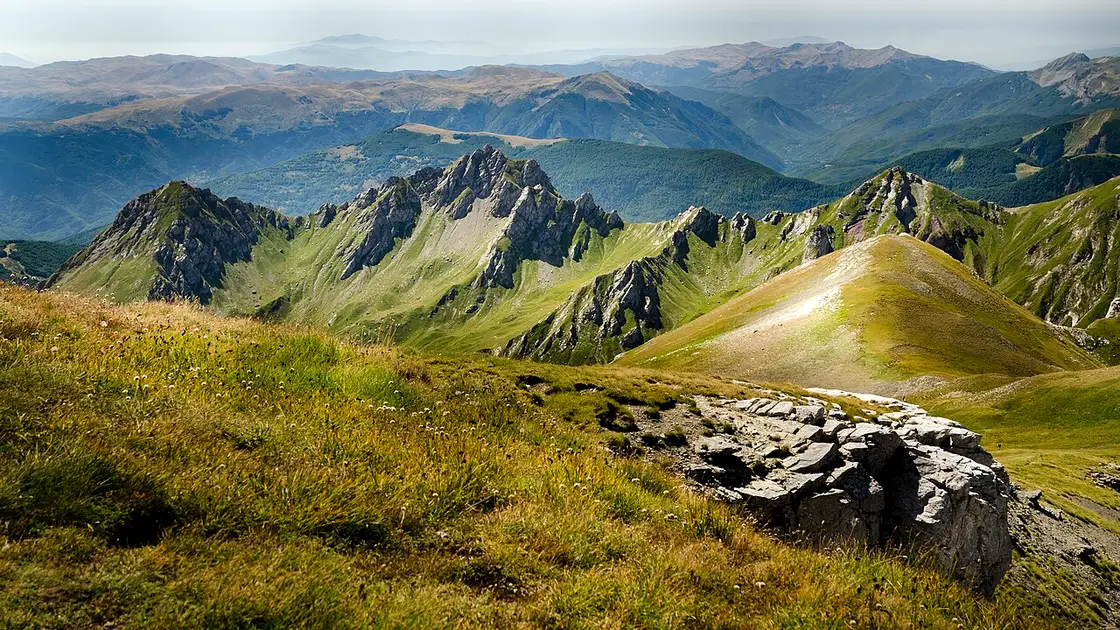
Should you get travel insurance for North Macedonia? Yes - and the entry question is messier than most guides admit, although the law settles it. North Macedonia’s Law on Foreigners doesn’t list insurance among the entry conditions for a visit of up to 90 days; it asks for travel insurance only from visa applicants, and the Ministry of Foreign Affairs lists it among the short-stay visa documents. The US State Department, on its country information page, still states flatly that “foreign citizens are required to present travel medical insurance upon entering the country” - a claim older than the current law. The practical instruction is simple either way: carry proof of cover with your passport. The stronger reason to insure is the bill. Most visitors pay as they go, Skopje’s private hospitals quote only on request, and a medical evacuation off a mountain is the most expensive thing that can go wrong here. Hiking, kayaking Matka or skiing Mavrovo? You’ll want those sports named in the policy.
Disclaimer (please read). This article is general information, not insurance, legal or medical advice, and not a quote. We don’t state a minimum medical sum, because we found no official figure for visa-free visitors, and any provider price here is a single snapshot from the day we checked, not a quote you can rely on. Entry rules and prices change - confirm the current requirement with official sources (mfa.gov.mk and your embassy) and read your own policy wording before you rely on it.
Do you actually need travel insurance for North Macedonia?
For practical purposes, yes. There are three separate reasons, and they stack up.
Healthcare isn’t free for most foreign visitors. The EHIC and GHIC that Europeans lean on elsewhere in Europe don’t work here as EU-scheme cards (British passport holders get a narrow emergency-only agreement, and some EU insurers a workaround - both covered below). State hospitals exist and the cities have private clinics, but as a tourist you’re generally a self-paying patient. Canada’s advisory puts the mechanics plainly: “immediate cash payment is usually required for medical services.” Even a routine problem - a stomach bug that needs a drip, a sprain that needs an X-ray, dental pain - becomes an out-of-pocket cost, and a real emergency can escalate fast. Then there’s the part you can’t price in advance: Skopje’s private hospitals (Acibadem Sistina, Re-Medika) don’t publish a self-pay price list for foreign patients online, so you request a quote once you’re already there, which is exactly the wrong moment to be shopping around. That’s the practical argument for a policy with direct billing to the hospital rather than one that only reimburses you afterwards: it takes the price negotiation off your plate entirely.
Serious cases can mean an expensive transfer. This is the part that turns a “nice to have” into a “get it.” If something major happens in the mountains or far from Skopje, you may need transport to a better-equipped hospital - and in the worst case, medical evacuation or repatriation to your home country, which is one of the most expensive things in travel and the single biggest reason to insure. A good policy is really buying that evacuation cover; the everyday claims are a bonus.
The law and the State Department say different things about the border. North Macedonia’s Law on Foreigners lists the entry conditions for a visit of up to 90 days in Article 11 - a valid passport, a visa if you need one, a reason for the trip and enough money for it - and insurance isn’t among them; the law asks for travel insurance from visa applicants (Article 30). The Ministry of Foreign Affairs pages, read directly on 22 September 2026, match that: travel medical insurance is listed among the short-stay (“C”) visa documents, and nothing mentions it for the visa-free regime that covers most Western travellers - US, UK, EU, Canadian, Australian and Ukrainian citizens, for up to 90 days in any 180. The US State Department’s country page still says foreign citizens must present travel medical insurance on entry; a claim the page has carried, in older wording, since at least 2018, and the older Law on Foreigners of 2006 did ask for travel insurance documents at entry where required. Proof is cheap to carry and hospitals may ask for it before treatment, so carry the policy, digital and printed, with your travel documents. Russian citizens have needed a visa since 21 March 2022, and for a visa application, insurance is not optional. If you want certainty for your own passport, confirm on mfa.gov.mk or with your embassy before you fly.
For scale: SafetyWing, one widely used provider, listed its Essential nomad plan at $62.72 per 4 weeks for ages 18-39 on its own site on 23 September 2026 - about $15.70 a week on our own arithmetic, not a weekly rate SafetyWing sells. The same page offers a fixed-dates option alongside the rolling 4-week billing, so check the checkout price for your exact dates and set it against a standard single-trip quote. It’s a nomad-style policy (more on those below), and the price moves with age, provider and date.
What a travel insurance policy should cover
Not all “travel insurance” is the same, and the cheapest box-ticking policies are thin where it matters. For a North Macedonia trip, look for cover that includes:
| Cover | Why it matters here |
|---|---|
| Emergency medical & hospital | You are a self-paying patient, and Skopje’s private hospitals quote only on request - you cannot price this yourself in advance. |
| Medical evacuation & repatriation | The big one. Korab, Pelister and Mavrovo are hours from a well-equipped hospital, and beyond Skopje the State Department rates care below standard. |
| Repatriation of remains | Grim but standard; check it is included. |
| 24/7 assistance line | Someone to call who arranges and guarantees payment to the clinic. |
| Trip cancellation / curtailment | Recovers prepaid costs if you cannot travel or must cut the trip short. |
| Baggage & personal belongings | Both the UK and Canadian advisories flag pickpocketing in central Skopje; check single-item limits for cameras and laptops. |
| Personal liability | If you injure someone or damage property. |
The two that genuinely protect your finances are emergency medical and evacuation/repatriation - never drop those to save a few euros. Trip-cancellation and baggage are useful but secondary. Read the excess (the amount you pay per claim) and the exclusions, because that’s where a policy quietly stops covering the thing you actually came to do.
Cover for hiking, kayaking and active travel
Read this part twice: North Macedonia is an outdoors country, and a standard policy often excludes the very activities you came for. If you plan to do anything active, you usually need to add a sports or “adventure activities” pack, and you need to check it covers your specific activity and altitude.
What that means in practice here:
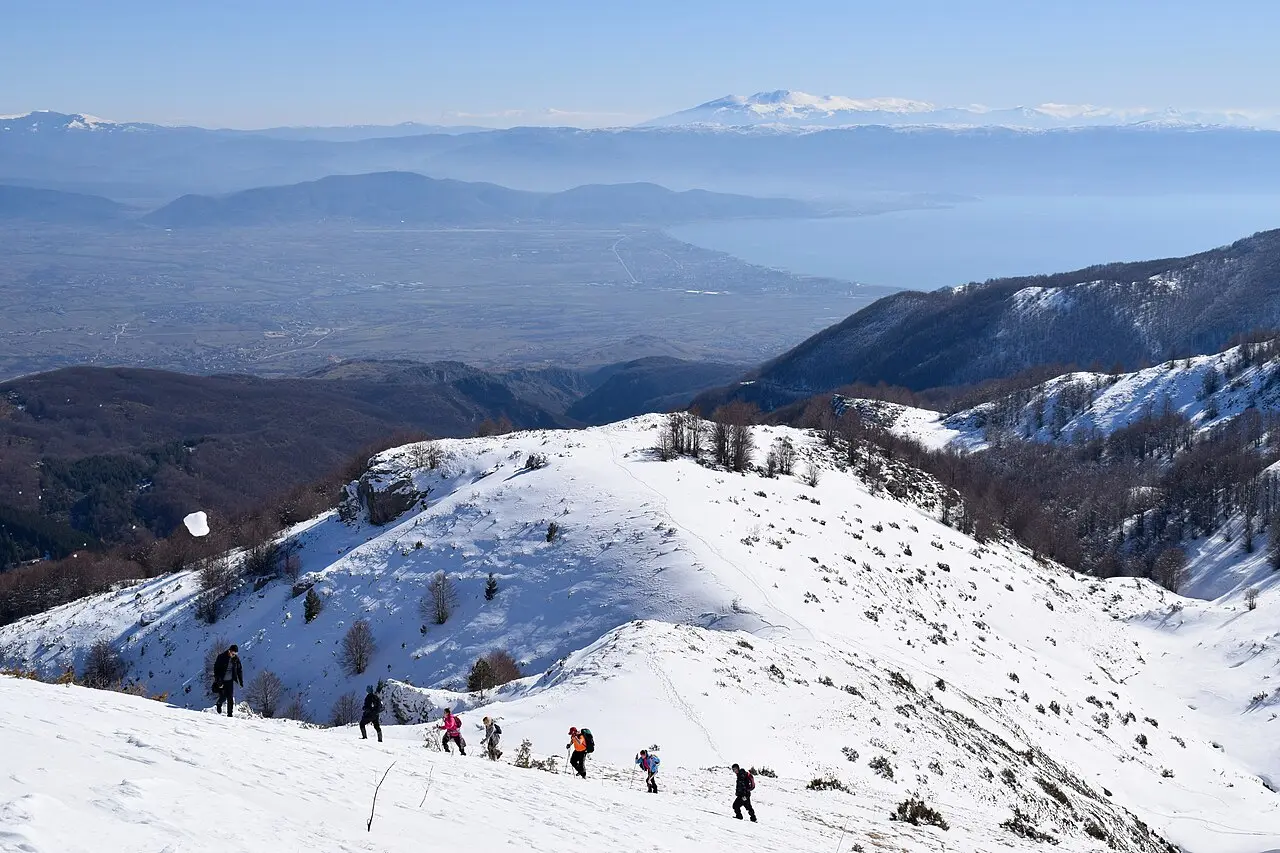
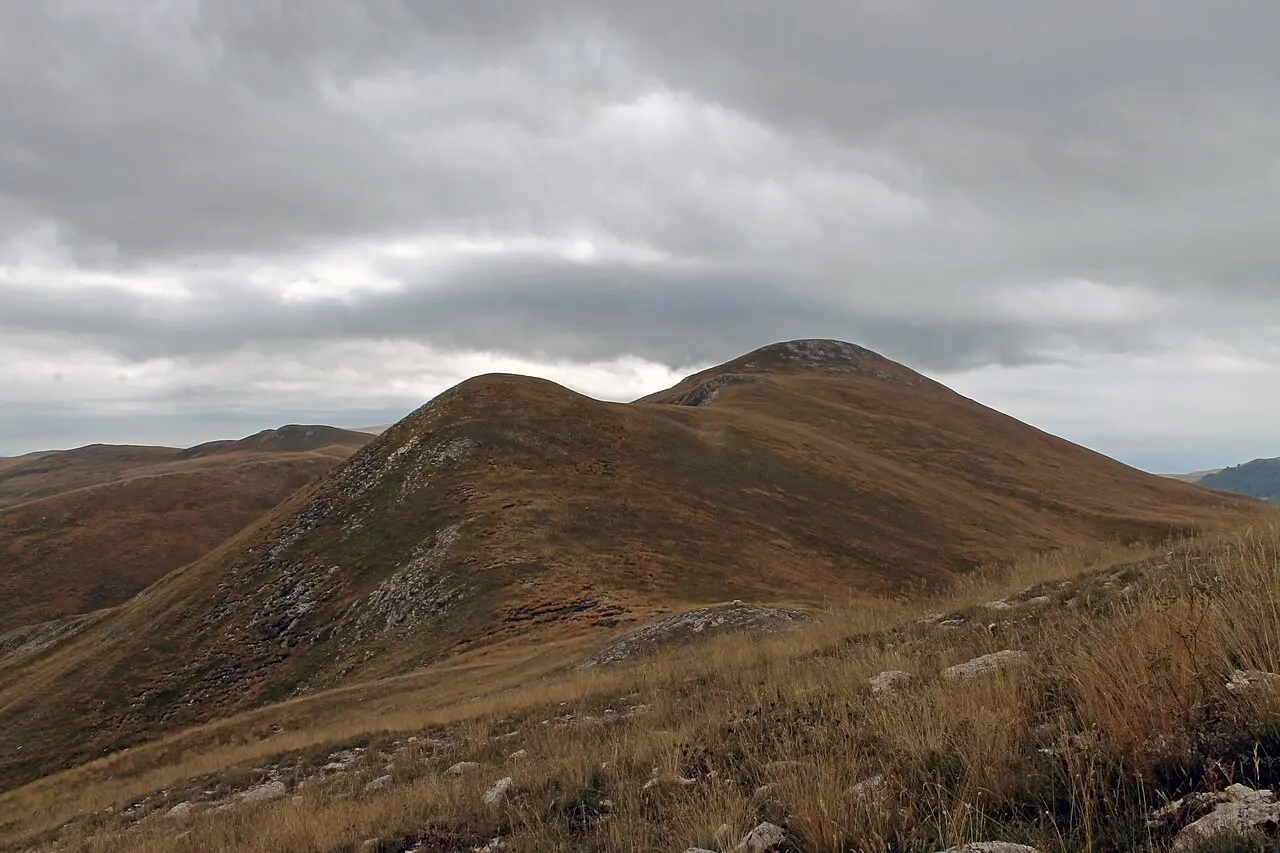
- Hiking the national parks. Mavrovo, Pelister and the high Korab range (Golem Korab, 2,764 m, is the country’s highest point) are proper mountain terrain. Many policies cover low-altitude trekking as standard but draw a line at a certain altitude or at “mountaineering” - read where your policy sets that line before you head up.
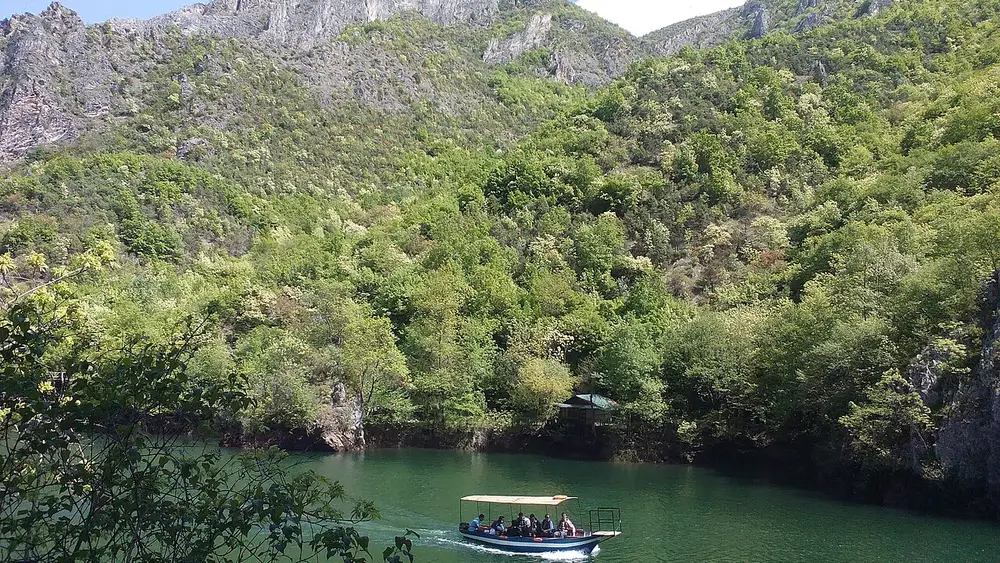
- Matka Canyon by kayak or boat. Paddling the Treska gorge and the lake activities around it are exactly the sort of thing a basic policy may treat as a watersport add-on. If you will be in a kayak, confirm watersports are included.
- The lakes and the water. Swimming, boat trips and paddling on Ohrid, Prespa and the Mavrovo reservoir are gentle, but check whatever you book against your policy wording rather than assuming.
- Winter and the passes. If you’re going up to Mavrovo’s ski area or onto snow, winter-sports cover is a separate, specific thing - confirm it explicitly.
The rule of thumb: if an activity carries any extra risk, assume it’s excluded until your policy says otherwise in writing. Worth reading alongside is North Macedonia safe, which sets out what the everyday risks actually are before you price cover for them. A short call or a careful read of the wording is cheaper than a declined claim. If you’re also driving here, note that travel insurance and the car’s insurance are two different things - the rental’s CDW and excess are covered separately in our renting a car in North Macedonia guide.
How to choose the cover amount
We won’t put a number on your medical sum, because the right figure depends on your nationality, your provider and the date - and quoting a fixed amount on a topic like this would be guesswork. Instead, here’s how to size it sensibly:
- Lead with the medical and evacuation limits, not the price. A policy with a high (often effectively unlimited) emergency-medical and evacuation limit is what you are really buying. A low headline price with a low medical cap is a false economy.
- Match any required minimum, then exceed it. If an entry rule or your own country’s guidance specifies a minimum sum, treat that as a floor, not a target - and confirm the current figure with the official source, not with a third-party blog (including this one).
- Check the excess. A lower excess costs more upfront but hurts less at claim time; weigh it against how likely you are to claim.
- Mind the cover region and trip length. Make sure North Macedonia (often sold under “Europe” or “Worldwide excl. North America”) is included, and that the policy spans your whole trip - including any hop into Albania, Kosovo or Greece if you are doing a Balkan loop.
North Macedonia uses the Macedonian denar (MKD), which is steady against the euro at roughly 61.5 MKD to €1, so a clinic bill quoted in denar converts to euros predictably. That’s useful for understanding a bill, but your insurer settles in your policy currency - keep every receipt and report itemised in denar for the claim.
Does an EHIC work in North Macedonia?
Usually not - with two exceptions that matter.
The European Health Insurance Card (EHIC) and the UK’s GHIC cover state healthcare in EU and EEA countries on the same terms as locals. North Macedonia is in neither, so the card does not work here as an EU-scheme card, and it is no substitute for travel insurance anywhere outside that area in any case: it never covers evacuation, repatriation or private clinics.
If you hold a British passport, there is a narrow fallback - and it isn’t the card. The UK has a reciprocal healthcare agreement with North Macedonia, so a UK passport entitles you to emergency hospital treatment, some emergency dental care and other emergency treatment on the same basis as a local resident (GOV.UK guidance, updated 15 January 2025; UK residents who are not UK nationals show proof of National Insurance enrolment instead). The Foreign Office says the same on its own health page for the country. You still pay for prescribed medicines, and the agreement covers nothing that isn’t an emergency and nothing that gets you home - which is exactly the gap a travel policy fills.
If you’re insured in the EU, check with your own fund before you assume the answer is no. Some member states run their own bilateral agreement with North Macedonia and accept the EHIC as the entitlement certificate for it. Germany is the clearest case: the DVKA leaflet for North Macedonia tells German statutory insurees that the card serves as proof of entitlement for treatment that cannot wait until they get home, with co-payments of up to 20% of the cost, only at providers contracted to the state fund, and with nothing at all for private doctors or the flight home. The DVKA’s own conclusion is to buy private travel health cover anyway. Your fund’s answer may differ from Germany’s, so ask it rather than guessing from the card in your wallet.
Either way, the practical kit is the same: carry the policy details, the insurer’s 24/7 assistance number and your certificate.
Insurance for a longer stay
If you’re staying for weeks or months - a slow trip, a remote-work stint, or testing the waters before a move - a single-trip tourist policy may not be the right shape. Two points to weigh:
- Single-trip vs. long-stay / nomad cover. Standard travel insurance is built for short holidays and often caps trip length. For long stays, look at multi-trip annual policies or dedicated long-term / “nomad” health cover that is designed to run for months and renew. These are a different product from a two-week holiday policy.
- Residence is a separate question. If you’re pursuing a residence permit rather than just visiting, health cover requirements there are set by immigration rules, not your travel policy, so confirm them with an official source. North Macedonia has no dedicated “digital nomad” visa despite what some aggregator sites claim; longer stays run through work, business, study or family routes. The residence side lives in our relocation hub and healthcare in North Macedonia for expats.
For the trip itself, the practical answer holds: choose a policy with strong medical and evacuation limits, the right activity add-ons, and the correct region and duration - then read the wording before you rely on it.
Read also
- The section hub: travel insurance for North Macedonia
- Before you book: North Macedonia planning hub and is North Macedonia worth visiting?
- Driving here: renting a car in North Macedonia (car insurance and CDW are separate)
- Where you will actually use the cover: Matka Canyon, Lake Ohrid and things to do in Ohrid
- Staying longer: healthcare for expats and nomads and the relocation hub
Photos
Read also

What to see · 14 min read
North Macedonia Monasteries: Six Worth the Drive
Updated · October 5, 2026Six monasteries in North Macedonia worth a detour - Nerezi, Lesnovo, Osogovo, Treskavec, Bigorski and Sveti Naum - by base town, with roads and stays.

What to see · 9 min read
Popova Šapka Ski Resort: Powder, Cats & Prices
Updated · October 5, 2026Popova Šapka above Tetovo: the 2025/26 ski pass prices, the six-seat chair, snowcat freeride on Šar, when the snow really arrives and how to drive up.

What to see · 9 min read
Skiing in North Macedonia: Resorts, Costs & Season
Updated · October 4, 2026Where to ski in North Macedonia: Mavrovo and Popova Šapka compared on lifts, height and pass prices, plus the small hills, the season and winter tyres.

Food · 10 min read
Ajvar: North Macedonia's Red Pepper Obsession
Updated · October 3, 2026Ajvar explained: the autumn pepper-roasting ritual, how it differs from pindjur and malidzano, what a jar costs in Skopje and how to fly home with one.