Is North Macedonia Worth Visiting in 2026?
Yes - UNESCO Lake Ohrid, quirky Skopje, Matka Canyon, real mountains and low prices make North Macedonia one of the Balkans’ best-value trips.
Yes - North Macedonia is well worth visiting, and in 2026 it’s one of the best-value trips in the Balkans. The short version: you get UNESCO-listed Lake Ohrid, the wonderfully strange capital Skopje, the Matka Canyon day trip, genuine mountains for hiking, hearty food and good wine - all at prices well below Croatia or Greece, and with a fraction of the crowds. It’s a small country, so a week is plenty, and it slots neatly into a wider Balkan road trip. This guide covers what people love about it, who it suits (and who it doesn’t), how many days to give it, how to combine it with neighbours, safety and when to go.
What people love about North Macedonia
The country punches far above its size. Tourist numbers hit a record 1.34 million in 2025 (up about 6% on the year), yet outside the July-August peak in Ohrid it still feels uncrowded compared with the Adriatic coast. Outside that peak, what the weather does month to month decides whether the lake and the mountains are pleasant or closed.
Lake Ohrid and the old town
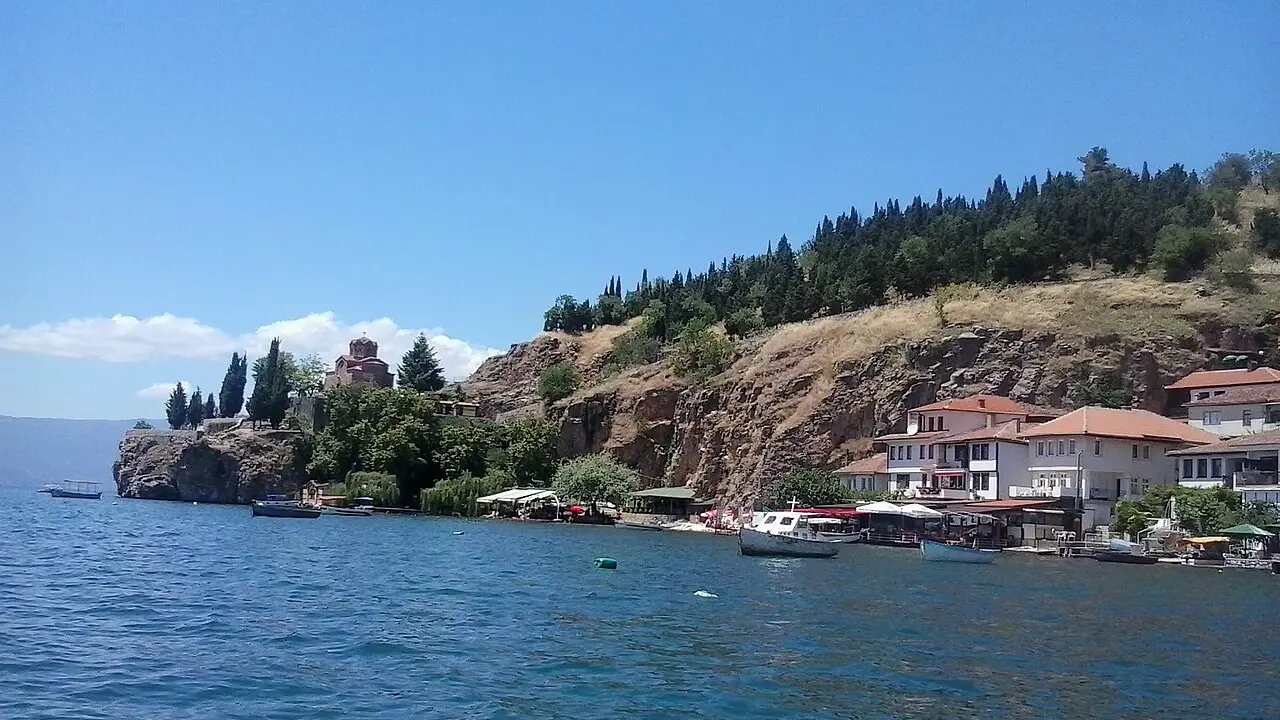
Ohrid is the headline. Lake Ohrid is a rare mixed natural-and-cultural UNESCO World Heritage site - one of Europe’s oldest and deepest lakes, roughly 1.2 million years old and up to 288 m deep, with more than 200 species found nowhere else. Above it, the old town of Ohrid stacks Byzantine churches, an Ottoman-era quarter and a hilltop fortress down to the water. The single most photographed spot in the country, the cliff-top Church of St. John at Kaneo, is here. The Ohrid municipality alone draws close to 29% of the country’s tourists and over a third of its overnight stays - for good reason.
Skopje, the love-it-or-puzzle-over-it capital
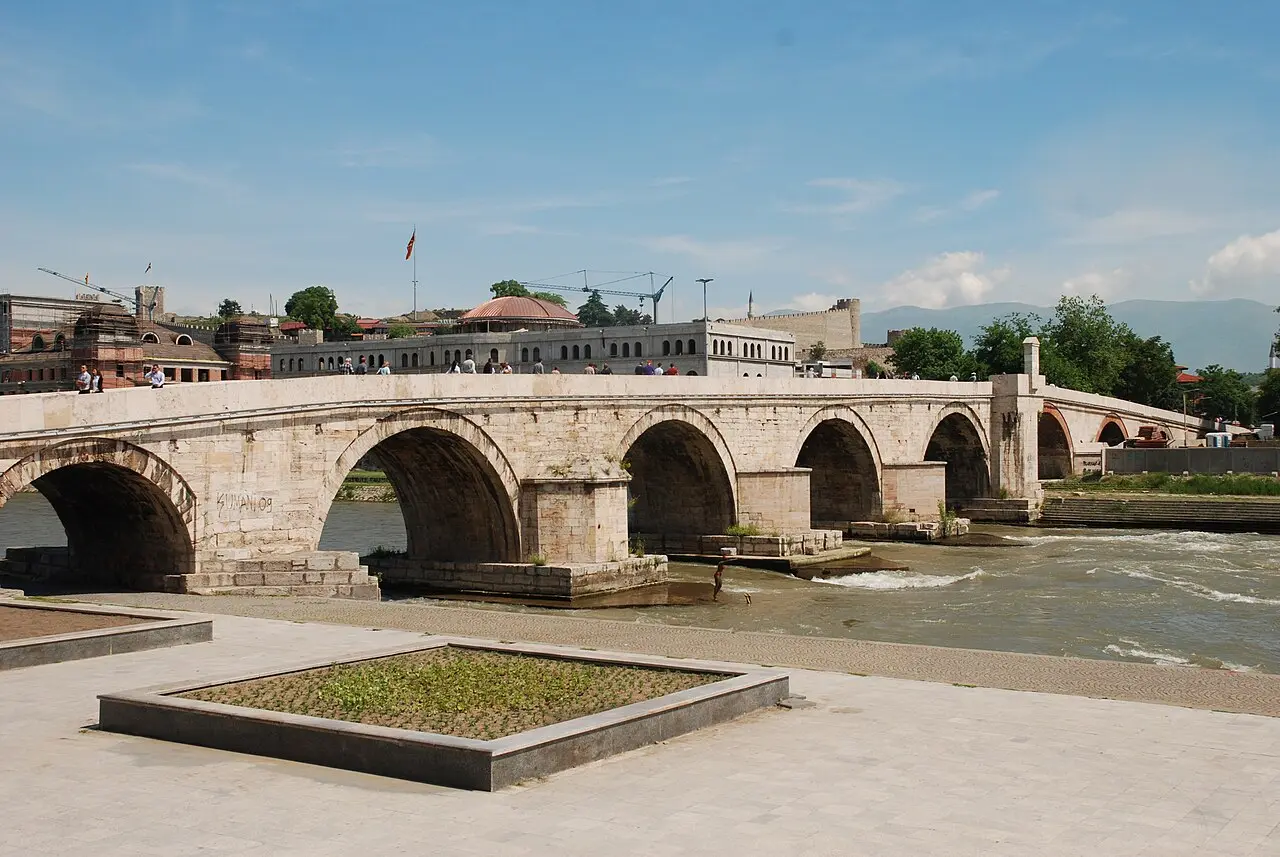
The capital Skopje is unlike anywhere else. Its centre was rebuilt with a wave of giant neoclassical statues, fountains and faux-baroque facades that locals and visitors argue about endlessly - but cross the Ottoman Stone Bridge into the Old Bazaar (Čaršija), one of the largest in the Balkans, and you’re back in a maze of mosques, hammams, craftsmen’s lanes and cheap, excellent grills. Add the hilltop Kale fortress and a Mother Teresa memorial (she was born here) and Skopje easily fills a day or two.
Matka Canyon, right next to the city
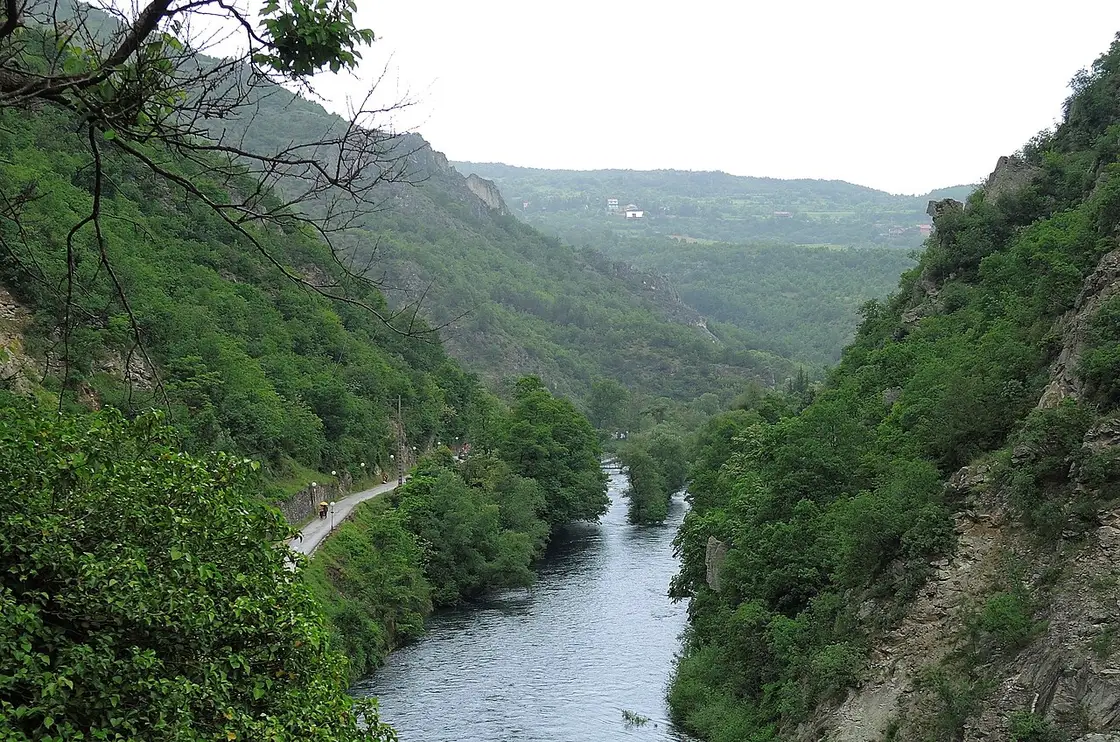
Just 15 km from Skopje, Matka Canyon is the easiest “wow” in the country: a steep, green gorge on the Treska river with a walking path along the cliffs, kayaks and small boats for hire, a clutch of medieval churches and a cave system. It’s a half-day trip that makes Skopje feel far bigger than it is.
Mountains and hiking
For a small country this is a genuinely mountainous one. Three national parks anchor the outdoors: Mavrovo (the largest, home to Mount Korab at 2,764 m - the highest peak in the country and a winter ski resort), Galičica (the ridge between Lake Ohrid and Lake Prespa), and Pelister above Bitola, the oldest park, famous for its rare molika pine and glacial lakes. Trails are quiet, signage is improving, and you can be on a serious ridge an hour or two from any city.
Food and wine
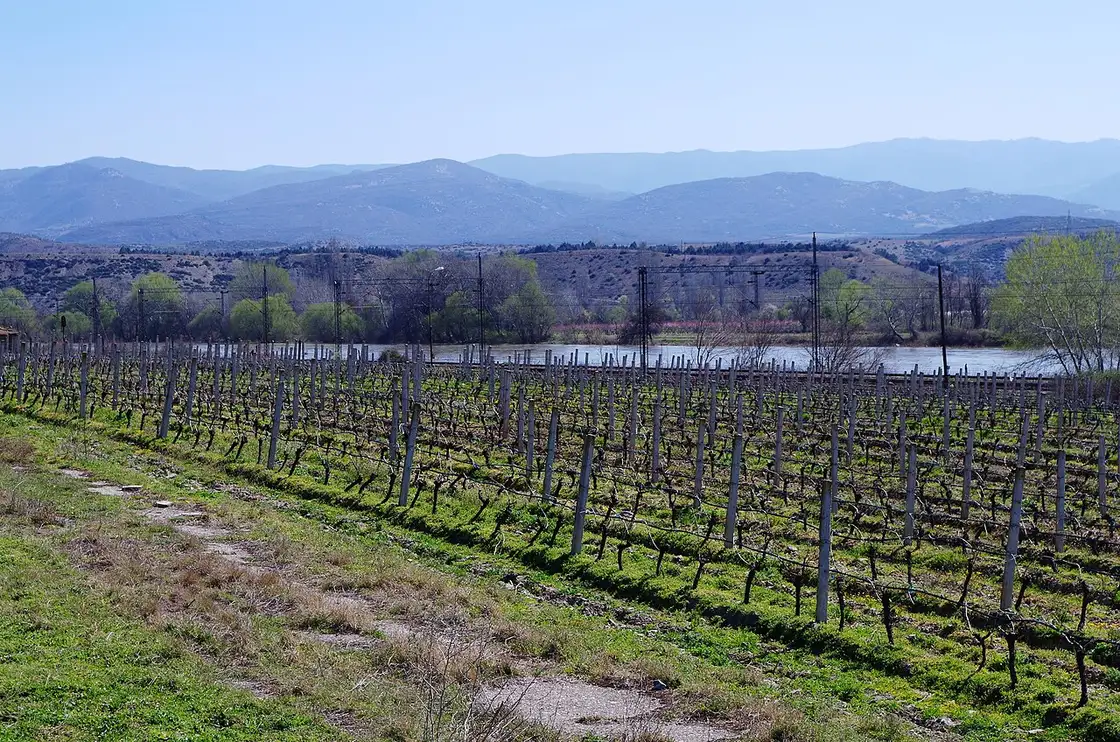
Macedonian food is Balkan comfort eating: tavče gravče (oven-baked beans), ajvar (roasted red-pepper relish), grilled meats, šopska salad, burek and lake trout in Ohrid. It’s cheap and filling. The country is also a real wine producer - the Tikveš region around Kavadarci is the heart of it, and a tasting there or a bottle with dinner costs a fraction of what you’d pay further west.
Low prices
This is the clincher for most people. North Macedonia uses the denar (MKD), which is steady against the euro at roughly 61.5 MKD to €1, so prices are stable and easy to estimate. Meals, transport, museums and accommodation all run well below Western Europe and noticeably below neighbouring Greece or coastal Croatia. A sit-down meal with a drink is often single-digit euros; a comfortable room a fraction of an Adriatic rate. (Prices change - treat any figure as a guide and confirm locally.)

Who it’s for - and who might skip it
It’s a great fit if you like lakes, mountains, history and food over beaches and nightlife; want Balkan character without crowds or high prices; enjoy slow towns, hiking and the odd quirky city; or are a remote worker or budget traveller looking for value. The low cost of living also draws long-stay nomads and would-be expats - though note there’s no digital-nomad visa here; longer stays go through work or business residence. Thinking of basing here for a while? Living in Skopje and Ohrid as a nomad covers what the two cities are actually like to work from.
You might be underwhelmed if you’re chasing a classic beach holiday (this is a landlocked country - the “beaches” are on lakes), a buzzing club scene, or a deep menu of big-ticket international sights. North Macedonia rewards curiosity and a slower pace more than a tick-list. It’s also a small market, so a few places feel low-key rather than polished - which many travellers count as a plus.
How many days do you need?
If you’re on a first visit, 5 to 7 days hits the sweet spot:
| Trip length | What you can realistically cover |
|---|---|
| 2-3 days | Skopje + Matka Canyon, or Ohrid on its own |
| 5 days | Skopje, Matka, then Ohrid with a St. Naum boat trip |
| 7 days | Add Bitola, the Pelister/Mavrovo mountains or a Tikveš wine stop |
| 10+ days | A relaxed loop plus a hop into Albania or Greece |
With a week, you’ll pair the two anchors - Skopje and Ohrid - with one mountain or wine detour without rushing. For a fuller breakdown of what each trip length actually gets you, see how many days in North Macedonia; our 7-day North Macedonia itinerary then maps exactly that route.
Combining it with Albania, Greece or Kosovo
One of the strongest arguments for visiting is how easily North Macedonia plugs into a bigger Balkan trip:
- Albania. Lake Ohrid is shared with Albania - the Albanian lakeside town of Pogradec is only about 40 km away, making a two-country lake loop genuinely easy. Continue west and you reach Tirana and the Adriatic. Torn between the two? See North Macedonia vs Albania.
- Greece. The Greek border is close to Bitola; Thessaloniki is a straightforward onward leg south, and many travellers combine the two.
- Kosovo. Pristina is a short hop north of Skopje by bus, an easy add-on for a few days.
For the classic multi-country drive, see our wider Balkan Grand Loop idea (North Macedonia → Albania → Montenegro → Croatia) and the cross-border Lake Ohrid guide linking the Macedonian and Albanian shores - both stitch this country into a longer route. Getting around is covered in our North Macedonia transport guide and, if you’re after the freedom to reach the parks and lakes, the car rental guide.
Is North Macedonia safe?
Broadly, yes. North Macedonia is generally considered a safe destination for tourists, with low rates of violent crime; the usual sensible precautions against petty theft in busy spots are enough. Roads are fine on main routes but can be narrow and winding in the mountains, so you’ll want to drive to conditions. On entry: US, UK, EU and Ukrainian citizens travel visa-free for 90 days within any 180, while Russian citizens have needed a visa since 21 March 2022. Rules can change - you’ll want to confirm with an official source before you book. A travel-insurance policy is a smart idea for the hiking and the mountain driving - see our travel insurance for North Macedonia guide.
When to go
- May-June and September are the sweet spot: warm, green, fewer crowds, and Lake Ohrid is comfortable for swimming by late June and into September.
- July-August’s the busy, hot peak - Ohrid genuinely fills up and the summer festival weeks book out, so reserve ahead for those dates.
- Autumn brings the wine harvest around Tikveš and crisp hiking weather in the parks.
- Winter is for the Mavrovo ski resort and a quieter, atmospheric Skopje and Ohrid.
In short, North Macedonia is worth visiting precisely because it isn’t yet on every traveller’s list: UNESCO-grade scenery, real mountains, good food and low prices, with the room to breathe that its better-known neighbours have lost. Plan it as a focused 5-7 days or fold it into a Balkan loop - either way it’ll deliver more than its size suggests.
Read also
- Start here: the North Macedonia planning hub
- The capital: things to do in Skopje
- The lakeside star: things to do in Ohrid
- Easy southern base: things to do in Bitola
- The full route: 7-day North Macedonia itinerary
- Cover the trip: travel insurance for North Macedonia
- Phrases that help on the ground: Macedonian for travelers
Read also

Before you go · 11 min read
North Macedonia Travel Tips: Know Before You Go
Updated · September 5, 2026Pack a Type C/F adapter, plan around Sunday shop closures, carry denar, check tap-water alerts, and sort eSIM plus insurance before you land.

Before you go · 10 min read
Macedonian for Travelers: Phrases That Open Doors
Updated · August 31, 2026A working Macedonian phrase kit for travelers: Cyrillic, how to say it, and when it helps in a kafana, taxi or market.

Before you go · 9 min read
Skopje vs Ohrid: Which Should You Base Yourself In?
Updated · September 24, 2026Skopje for flights, museums and day trips; Ohrid for the UNESCO lake and summer swimming - about 3 h 20 apart by bus, and most trips work best split.

Before you go · 12 min read
Skopje or Sofia: Which Balkan Capital to Visit?
Updated · September 26, 2026Skopje's rooms cost less, Sofia's airport transfer is easier, and a direct bus links the two in about 5h for about EUR 27. Here's which to fly into first.