
Skopje Cost of Living: About €700-1,000 a Month 2026
Skopje 2026: plan roughly €280-420 for a usable one-bed, utilities and food on top; solo all-in about €700-1,000/month. Check live listings.
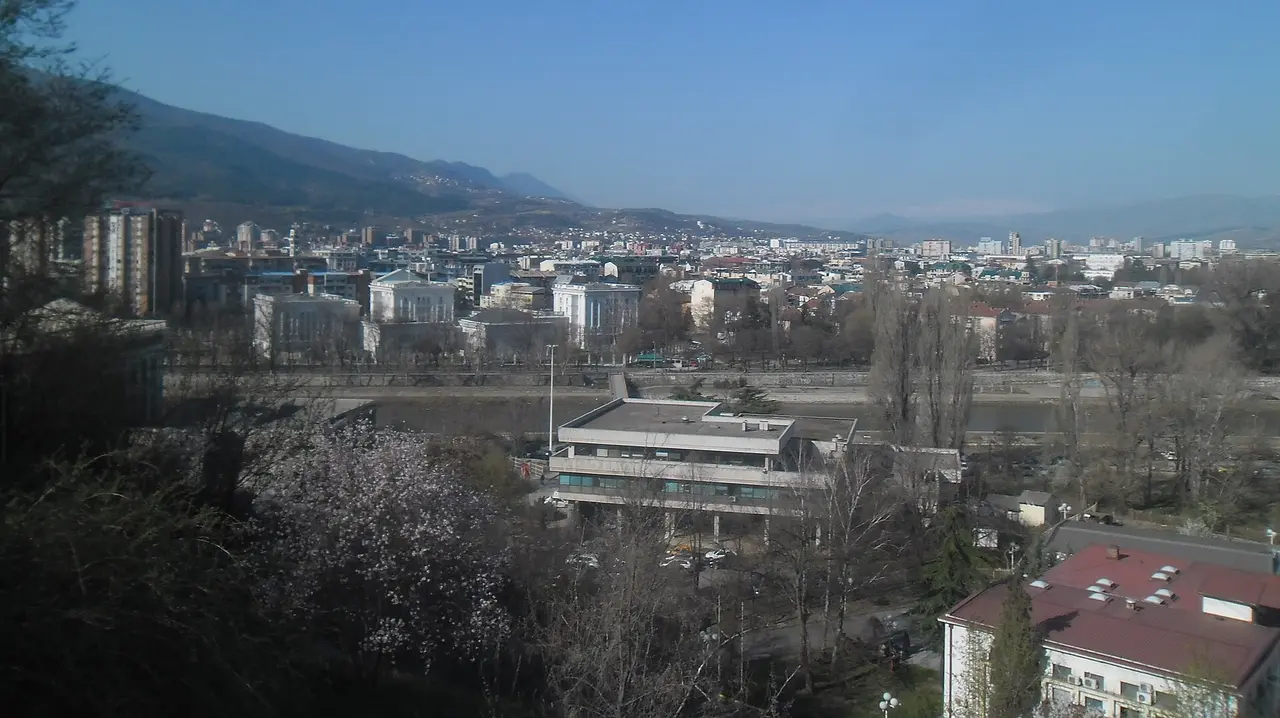
A solo remote worker in Skopje on a one-bedroom flat budgets €700-1,000 a month all in. Plan roughly €280-420 for a usable one-bed (outer neighbourhoods toward the bottom of that band, renovated centre above it), €100-160 for a typical utilities bundle on a mid-size flat, and a city transport pass around €23-26; a kafana meal runs roughly €6-8, a planning estimate rather than a dated spot-check (see “Eating out” below). A couple sharing in Skopje lands nearer €1,200-1,600. The denar is steady at about 61.5 MKD/€1, so euro income converts without FX swings.
| Nomad line item (EUR) | Figure (2026) |
|---|---|
| 1-bed Skopje, usable flat | €280-420 / month (planning range - check listings) |
| 1-bed Bitola / off-season Ohrid long-let | usually below Skopje - confirm live |
| Utilities, typical flat | €100-160 / month (no single bundled tariff) |
| Inexpensive meal | €6-8 (estimate, not a dated spot-check) |
| Dinner for two, mid-range | €25-32 (estimate, not a dated spot-check) |
| Solo all-in budget (own 1-bed) | €700-1,000 / month |
Ranges, not quotes. Converted at about 61.5 MKD/€1. No landlord registry publishes a city average - check live listings (for example Pazar3.mk) before you sign a lease. Ohrid July-August holiday lets are a different market from winter long-lets.
How much does it cost to live in North Macedonia per month?
Add a Skopje one-bed and a solo remote worker sits in €700-1,000. Cook at home in Bitola and you can hold nearer €550-800. Ohrid in August on a holiday let blows past that. Exact “single person excluding rent” country averages from crowd-sourced sites are not repeated here - build your total from the lines below and current bills instead.
Two anchors keep the maths steady. The denar has held steady against the euro since 2002, close to 61.3644 MKD/€1 (National Bank, via Wikipedia). The State Statistical Office put the official average net wage at €805/month (49,544 MKD) in its May 2026 release. That’s a national number, not a Skopje-only one, so treat it as a floor for the capital rather than a ceiling - and either way, it’s local context, not a remote-income target.
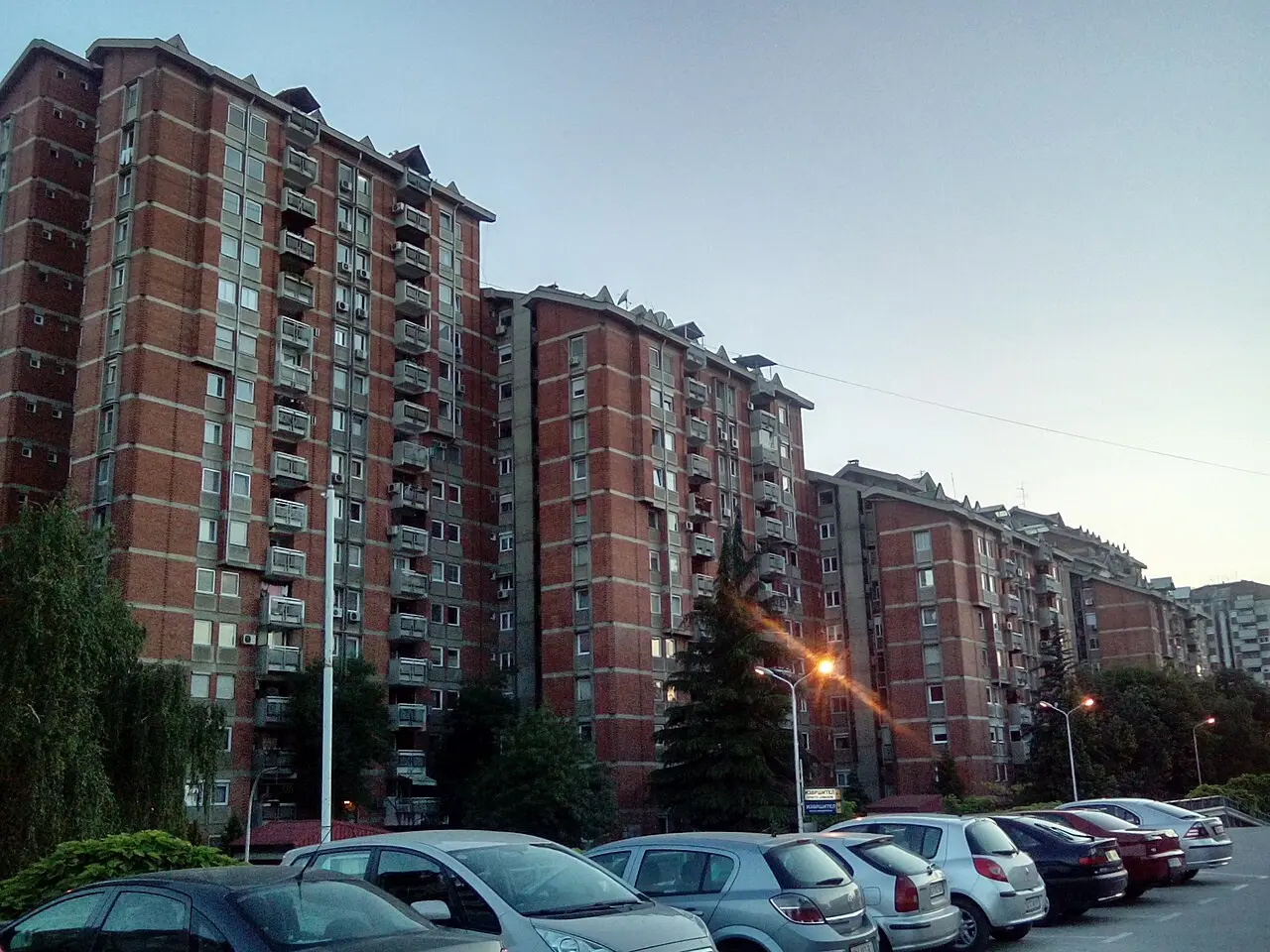
Rent in Skopje, Ohrid and Bitola (EUR)
Rent decides the monthly total. No landlord registry or agency publishes a city-wide average - treat the bands below as orientation and confirm on live listings before you sign:
| City (1-bed flat) | Planning band |
|---|---|
| Skopje | roughly €280-420 for a usable one-bed (renovated centre above, outer neighbourhoods below) |
| Bitola | usually below Skopje for a comparable flat |
| Ohrid | winter long-lets often look cheap; July-August holiday lets can run 2-3× |
Skopje: plan €280-420 for a usable one-bed. Larger central flats cost more - check current ads rather than an old average.
Bitola: lower rents than Skopje for the same café-street pattern; confirm on local listings.
Ohrid: paper long-let looks cheap off-season, but July-August holiday lets are a different market. Sign a long lease outside peak season. Neighbourhood detail: where to stay in Ohrid, how to actually find a monthly flat: long-term rentals in Skopje and Ohrid, nomad base comparison: living in Skopje and Ohrid as a nomad, nightly travel prices: North Macedonia cost index.
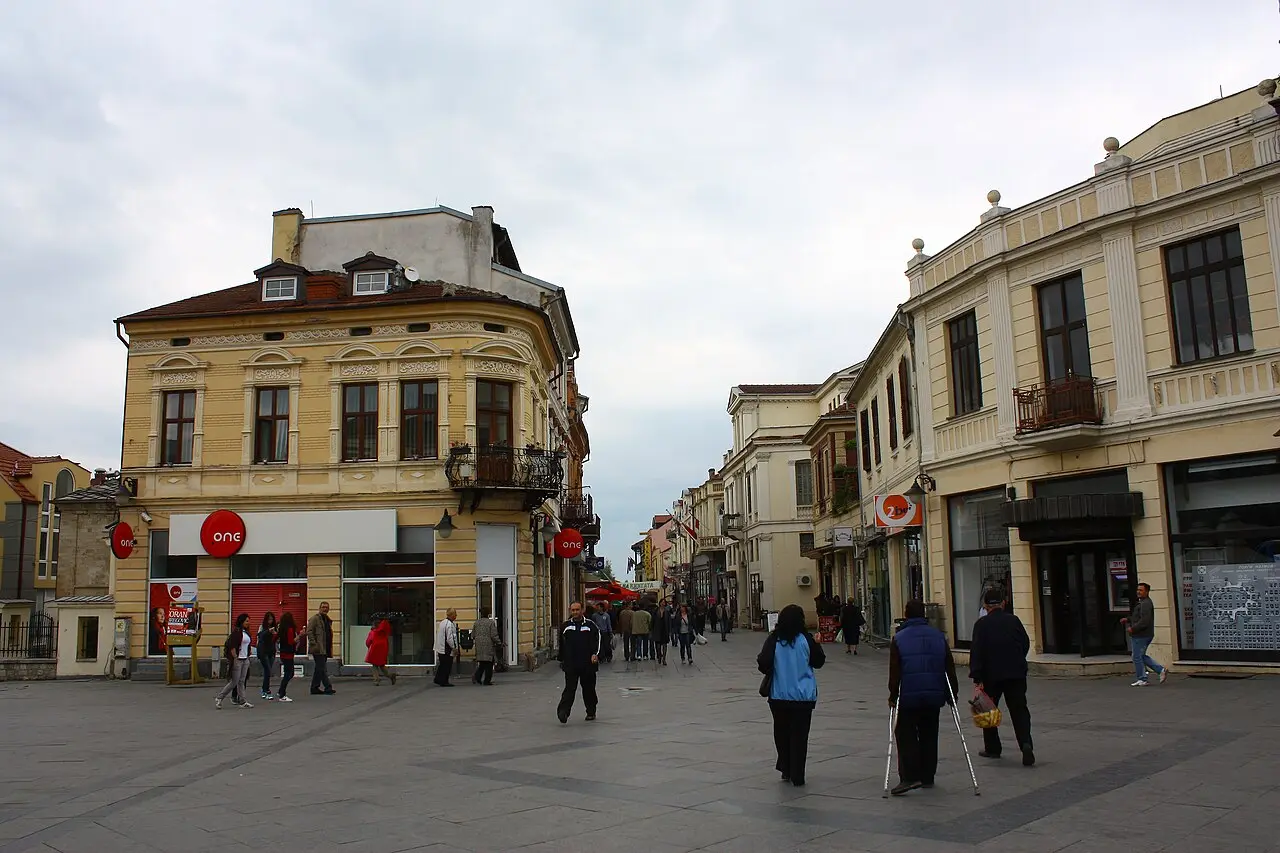
Groceries and food shopping: what you spend per month
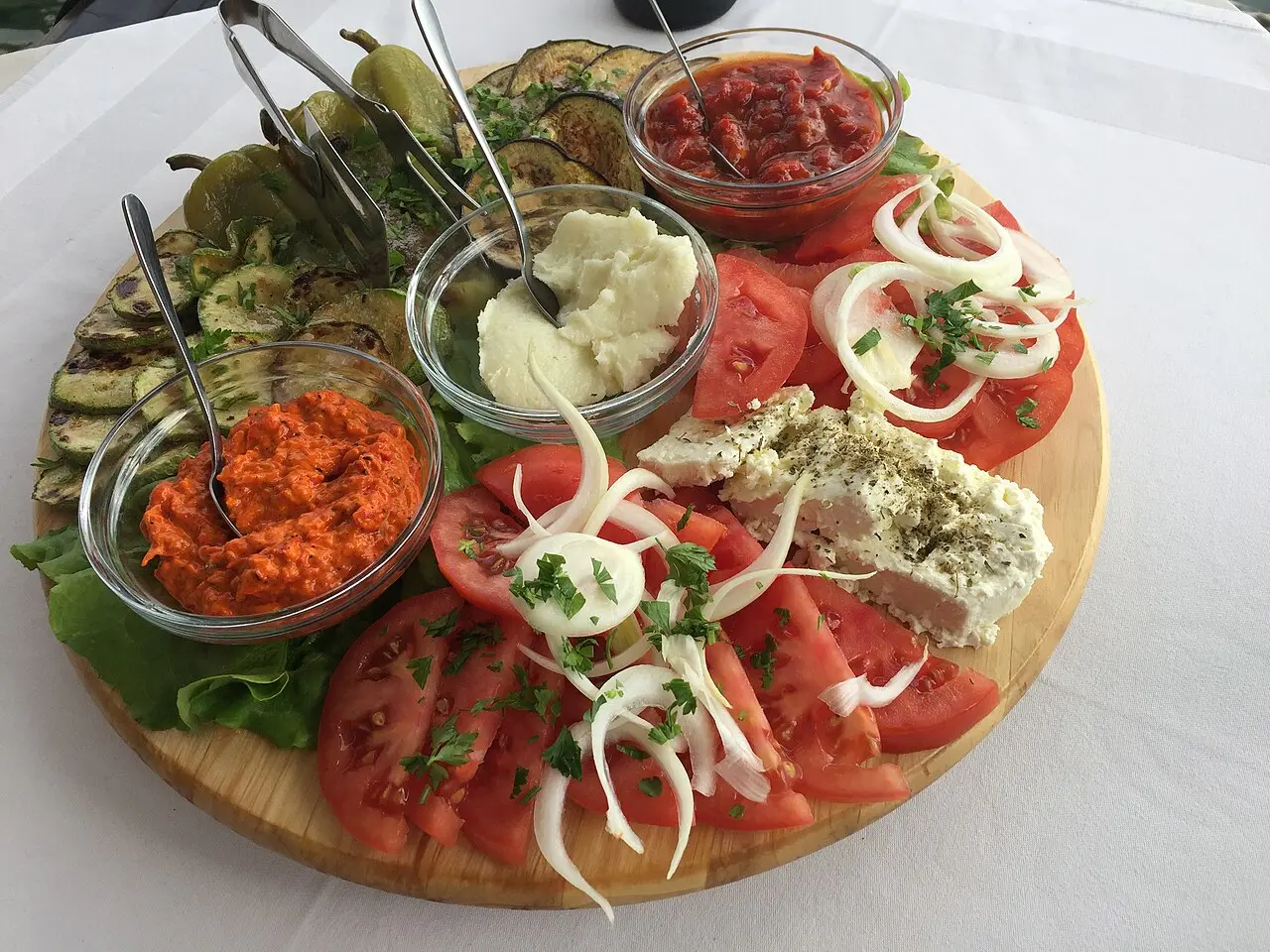
Self-catering is the main lever after rent. Green markets (Skopje Bunjakovec / Zelen Pazar) undercut supermarkets on produce. Staples - milk, bread, eggs, chicken - stay cheap at market prices; check the current tags rather than an old basket. Plan €150-250/month groceries for one person who cooks most meals, or €250-400 for a couple. Vero, Tinex and Stokomak cover the rest; beans, peppers, tomatoes and white cheese stay the cheap staples.
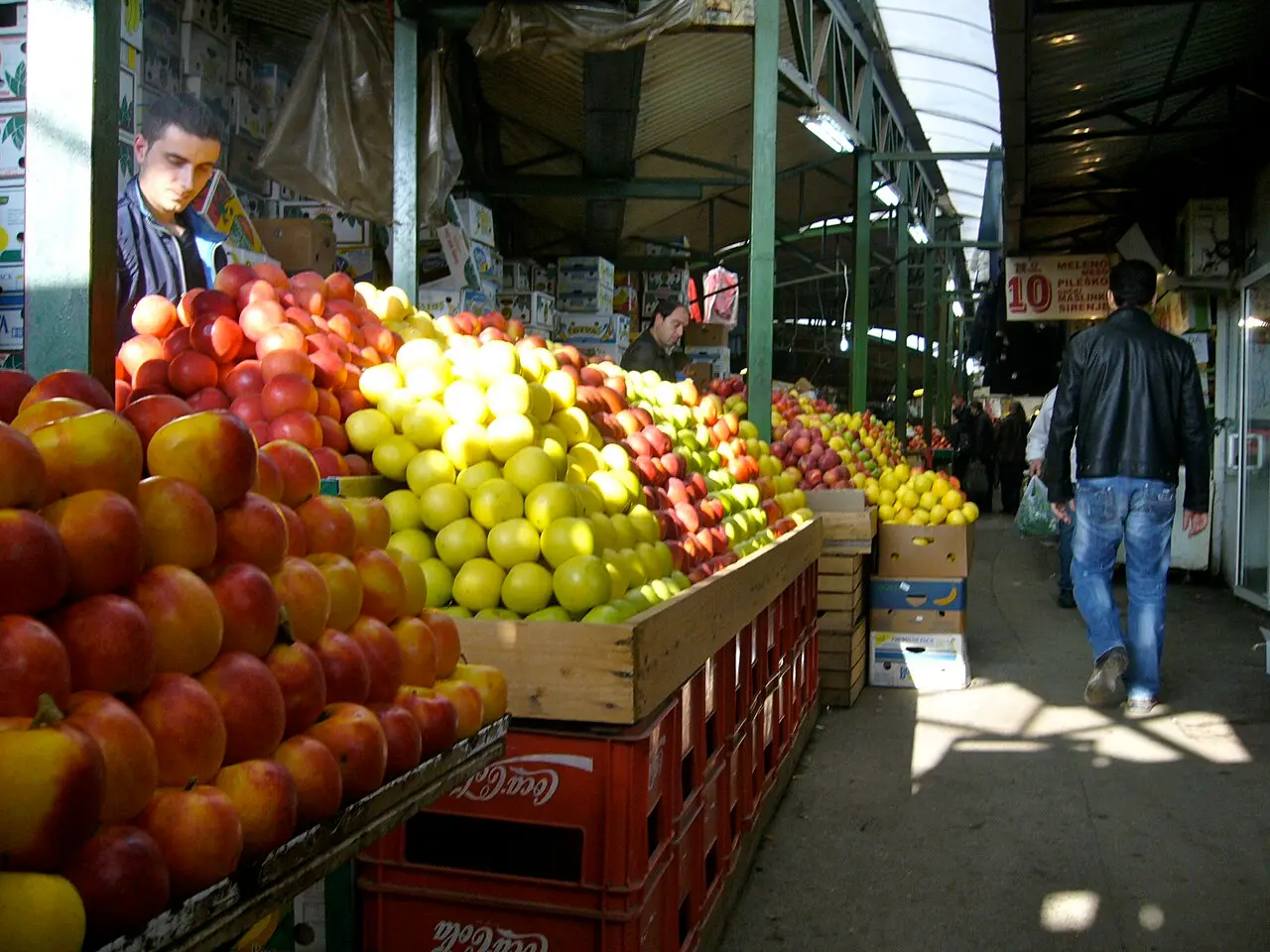
Eating out: meal and coffee prices in EUR
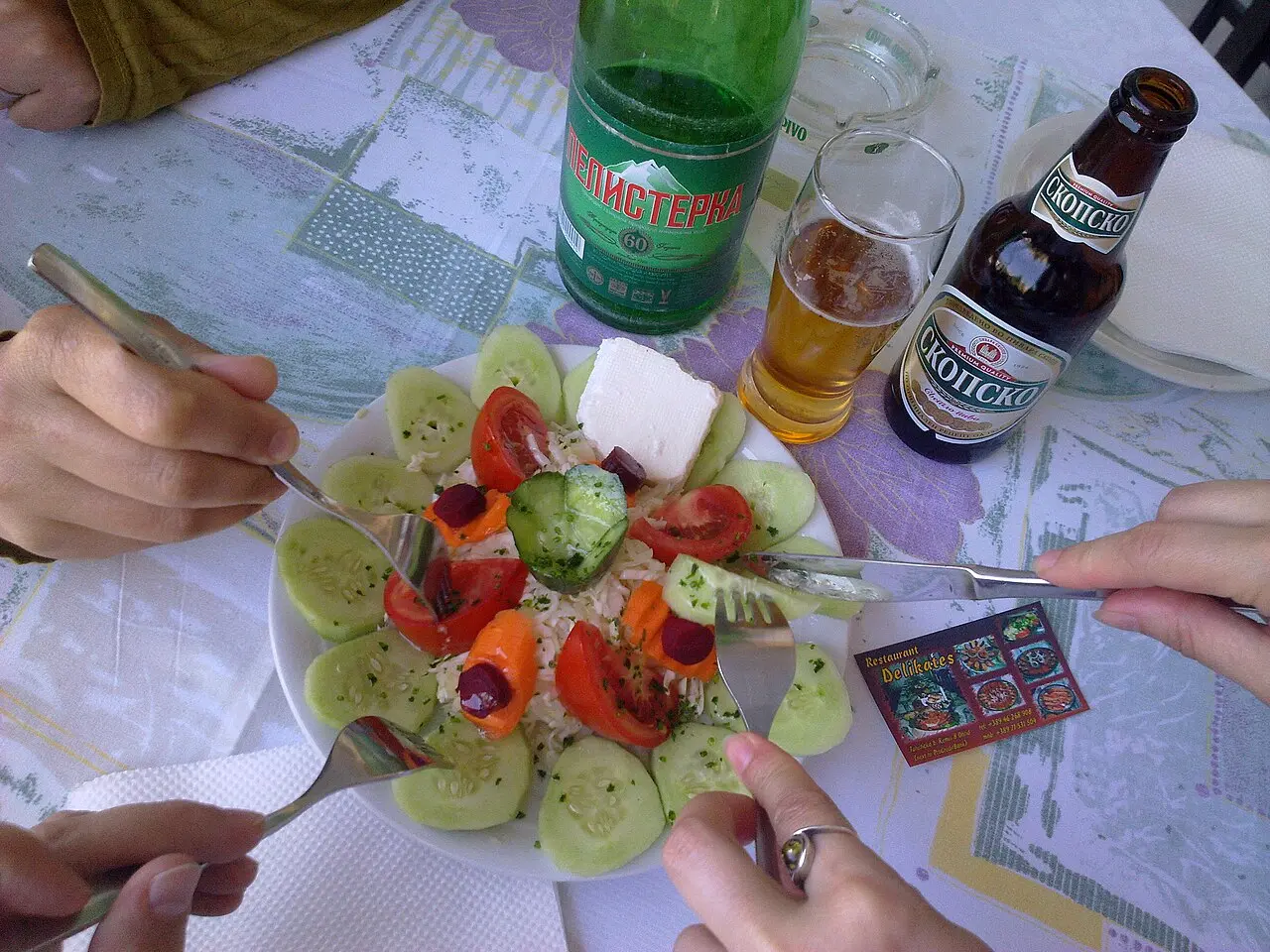
A kafana or inexpensive restaurant meal in Skopje is roughly 350-500 MKD (€6-8); a three-course dinner for two mid-range runs 1,500-2,000 MKD (€25-32) - planning estimates rather than a dated spot-check. Coffee is better sourced: 80-150 MKD (€1.30-2.45) at an ordinary café, spot-checked against real venues and 2026 local reporting; half-litre draught 150-300 MKD (€2.45-4.90). Bitola likely runs lower on both and Ohrid’s lakefront terraces higher in summer, following the same pattern as accommodation - though we don’t have an equally dated figure for either city to quote directly.
€100-200/month covers several restaurant meals and café sessions a week. Many remote workers treat a single cappuccino as a two-hour desk. When you need a proper desk instead, coworking in Skopje lists current day rates and monthly packs.
Utilities, internet and mobile
Basic utilities (electricity, heating, cooling, water, rubbish) for a typical mid-size flat: plan roughly €100-160/month, more in deep winter - no single provider bills that bundle as one published tariff, so treat it as a planning band, not a quote. The electricity slice of it, at least, is predictable: household tariffs are set by the national energy regulator and revised only modestly each year (a few percent from 1 January 2026), through universal supplier EVN Home.
Home internet mid-speed fibre commonly lands around €15-20/month on current retail offers - confirm with the ISP for your building. Arrive on an eSIM, then switch to prepaid A1, Telekom or Lyca.
Utilities + internet + mobile for one person: typically €150-200/month, more in deep winter.
Transport without a car: pass, taxi, petrol
Skopje monthly public-transport pass: about 1,400 MKD (€23) for city lines or 1,600 MKD (€26) for all lines on the JSP tariff; single tickets stay under a euro (35 MKD electronic wallet / 50 MKD paper). City taxis and Bolt rides are usually a euro or two. Intercity buses are a few euros a hop.
Petrol: 100.00 MKD/L (€1.63), the national maximum price set by the Regulatory Commission for Energy (decision of 28 September 2026). For parks and lakes, rent short-term rather than buy - renting a car in North Macedonia. Traveller fares city by city: North Macedonia trip cost. Car-free residents often budget €30-60/month.
Leisure budget: gym, cinema, nights out
Gym membership runs roughly 800-2,000 MKD (€13-33)/month - budget city gyms start near the bottom of that band, full clubs near the top; there’s no single price list across Skopje’s dozens of independent clubs, so treat it as a spread rather than a quote. Cinema at Cineplexx - the city’s only large-format screen while Millennium stays closed for renovation - is 350 MKD (€5.70) on weekdays, 380 MKD (€6.20) Friday through the weekend, with a 230 MKD (€3.75) Tuesday discount. A night out (dinner, drinks) rarely tops €20-30 per person. National-park hiking is free beyond transport.
Set aside €100-200/month for gym, nights out and weekend trips. Wider case for the move: is North Macedonia worth visiting?.
Sample monthly budgets (EUR, rent included)
Per person where noted, at about 61.5 MKD/€1. Ranges, not quotes.
| Frugal solo (smaller city) | Comfortable solo (Skopje) | Couple (sharing, Skopje) | |
|---|---|---|---|
| Rent | €165-235 | €280-420 | €375-500 |
| Groceries | €130-180 | €180-250 | €280-400 |
| Eating out | €40-80 | €100-200 | €150-280 |
| Utilities + internet + mobile | €120-160 | €150-200 | €170-230 |
| Transport | €25-40 | €40-60 | €60-90 |
| Leisure & extras | €60-120 | €120-220 | €180-320 |
| Per month | ≈ €550-800 | ≈ €750-1,150 | ≈ €1,200-1,600 |
Frugal column: Bitola or shared flat, cook at home, hold €550-700. Comfortable column: own central flat, restaurants several times a week.
The tax angle (and why it matters here)
The reason this country shows up on every “cheapest places for remote workers” list isn’t just rent - it’s the 10% flat personal income tax, in force since 2023, which is among the lowest in Europe (PwC Tax Summaries). Pair a low flat tax with low living costs and a euro-pegged currency and the maths is compelling for freelancers and company owners. If you’re thinking of formalising it, our guide to registering a company (DOO/DOOEL) and the flat 10% tax walks through the setup and what you actually pay. If you’re not registering a company at all, our North Macedonia taxes for expats guide covers the personal side - the 183-day residency test, and how freelancers with no local company self-report and pay every month.
Important - verify before you rely on this. Tax and residence rules are sensitive and change. The 10% headline is real, but social contributions (28% of gross), VAT (18%) and exactly how a foreigner’s income is taxed depend on your status and structure. There is no formal “digital nomad visa” in North Macedonia - residence runs through work, business or property routes, which we cover in our North Macedonia residence permit guide. Always confirm the current rules with official sources (PwC, the Public Revenue Office and a local accountant) before you move money or register anything. Treat the figures above as orientation, not advice.
Who is North Macedonia right for?
It suits you if you:
- Earn in euros, dollars or pounds and work remotely. A Western income against local prices is the whole game - and the 10% flat tax sweetens it.
- Want a low cost of living without sacrificing café culture, mountains and a lake. Skopje for the city, Ohrid for the water, Bitola for value.
- Value predictability. The euro peg means your budget doesn’t lurch with exchange rates.
- Don’t need a big expat scene or English everywhere. The remote-work community is small but growing; daily life leans local, which is part of the appeal - and part of the adjustment.
It’s a weaker fit if you need a large international job market on the ground (local wages are low), a guaranteed sunny beach climate (winters are cold, especially inland), or a turnkey “nomad visa” - which, again, doesn’t exist here.
The bottom line for nomads
Budget €700-1,000/month solo with your own Skopje flat, €1,200-1,600 as a couple, or €550-800 frugal in Bitola / off-season Ohrid. Rent is the swing factor; the euro peg keeps the rest predictable; the 10% flat tax is the formalisation upside. Practical stack: trip cost, where to stay in Ohrid, is North Macedonia safe?, and once you’re settling in, opening a local bank account.
Read also
-
Arriving in order: moving to North Macedonia
-
Paid desks and café Wi-Fi: coworking in Skopje
-
Daily life in the two main bases: living in Skopje and Ohrid as a nomad
-
Going freelance or setting up: register a company (DOO/DOOEL) and tax
-
The personal tax picture: North Macedonia taxes for expats
-
Sorting your money: opening a bank account in North Macedonia
-
Staying long-term, legally: North Macedonia residence permit
-
The traveller’s view of prices: North Macedonia trip cost
-
Basing yourself by the lake: where to stay in Ohrid
-
Still deciding? Is North Macedonia worth visiting?
Admission and opening hours
- Admission price
- Indicative 2026 ranges only, converted at the euro rate (about 61.5 MKD/€1). Prices move with the city and the season - check current figures before you commit.
Hard tariffs (petrol, cinema, transport pass) cite the regulator or operator. Rent and bundled utilities have no single fare-setter - planning ranges only; confirm on live listings (e.g. Pazar3.mk). Rechecked 2026-08-11.
Details checked: August 11, 2026
Read also

Relocation · 16 min read
HIF Health Insurance North Macedonia 2026: Who Can Join
Updated · September 5, 2026North Macedonia public health insurance (HIF/FZO) for foreigners: Article 5 grounds, 8-day ZO-1 registration, 8% health contribution, 20% co-pay cap. 2026.

Relocation · 10 min read
Moving to North Macedonia: Start Here
Verified · September 3, 2026Move in order: entry, police registration, residence, housing, tax, health. Live numbers sit on the linked pages, not here.

Relocation · 11 min read
Healthcare in North Macedonia for Expats
Updated · September 24, 2026How expats and nomads use North Macedonia public HIF, private clinics in Skopje, and when long-stay cover still matters. Checked 30 Aug 2026.

Relocation · 12 min read
Buying Property in North Macedonia as a Foreigner
Updated · August 24, 2026Can foreigners buy in North Macedonia? EU/OECD rules, cadastre checks, notary steps, transfer tax, and the EUR 40k residence link - checked Aug 2026.