Is North Macedonia Expensive? Trip Cost €30-150 a Day 2026
Is North Macedonia expensive? No: €30-150 a day ($34-172, £26-128) in budget, mid-range and comfort bands, a week's total, and how it compares to Greece.
Per person, per day, on the ground and flights aside: €30-50 ($34-57 / £26-43) as a backpacker, €65-110 ($75-126 / £56-94) for a comfortable mid-range trip, and about €150 ($172 / £128) to travel in real comfort. A week solo therefore lands near €450-1,050, and a fortnight for a mid-range traveller near €900-1,500. The currency is the Macedonian denar (MKD), pegged to the euro since 2002 inside a narrow band, so nothing shifts under you between booking and arrival; the daily middle rate is on that page. Dollar and pound figures throughout use the European Central Bank reference rate of 31 July 2026: €1 = $1.1485 = £0.8557. One number tends to surprise people who have already decided this is the cheap option: Bulgaria undercuts it, while Greece costs about double.
Currency converter
- MKD
- 5,489
- USD
- $100
- EUR
- €89.25
- GBP
- £75.62
Is North Macedonia expensive? The short answer
No. North Macedonia is one of the cheapest countries you can travel in Europe, and it stays cheap in high summer everywhere except one lakeshore. For a reader pricing this against London, New York or Sydney the recalibration happens fast: a proper sit-down meal costs about what a fast-food combo costs back home, a cross-country bus fare costs less than a coffee, and museum entry barely registers on the day’s spending. The first few days here usually mean checking the bill twice because the total looks like a mistake. It isn’t.
The bands on this page tell the story in numbers: a backpacker gets by on €30-50 a day, a comfortable mid-range trip runs €65-110, and even a soft-luxury week rarely tops €150 a day. Against the neighbours the picture is subtler - Bulgaria undercuts it and Greece costs about double - and that comparison is the next section.
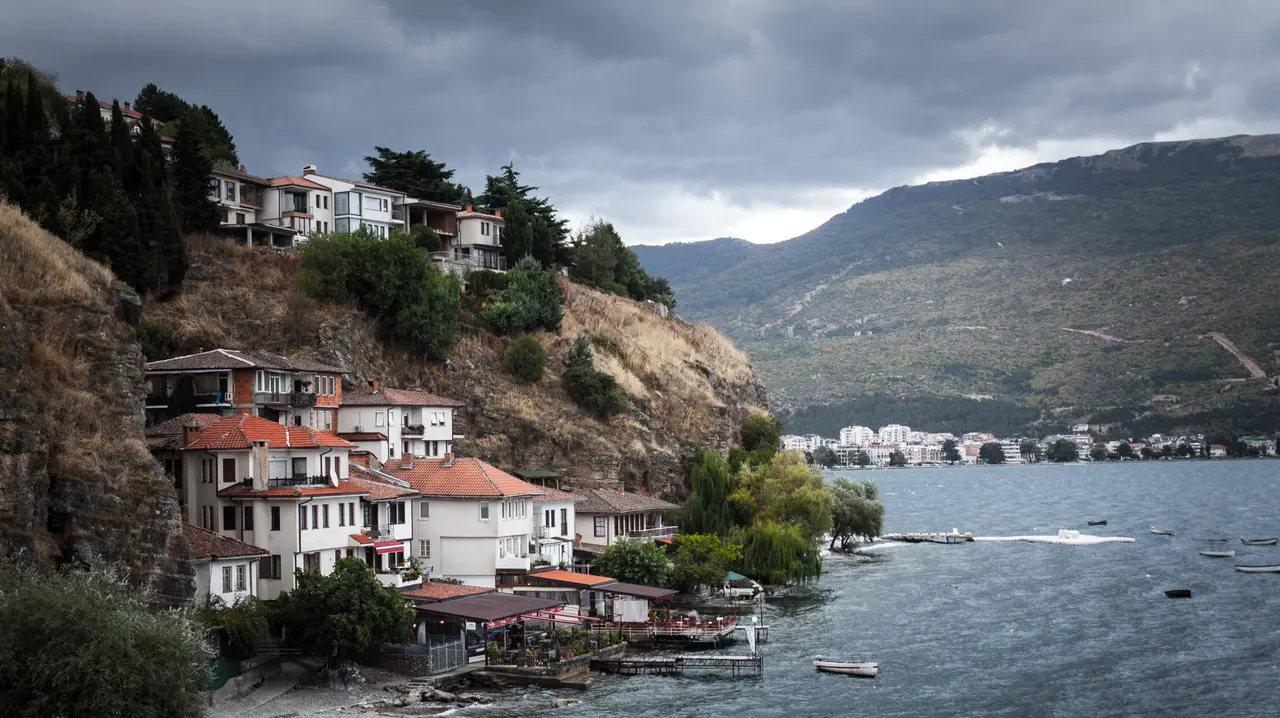
The one thing that breaks the pattern is Ohrid in July and August, when the town behaves like the summer resort it is and lakefront rooms can double. If your dates are locked to peak summer, book Ohrid early and expect resort money for a lake view; if they aren’t, June or September buys the same lake at the spring rate. That’s the whole small print.
Cheaper than Greece? How it compares with the neighbours
This is the question most people actually mean, and the honest answer has a twist in it. Using Budget Your Trip’s country averages, which pool self-reported spending by past travellers on the same basis in every country (all four checked 1 August 2026):
| Per person, per day | Budget | Mid-range | Luxury |
|---|---|---|---|
| North Macedonia | $54 | $123 | $228 |
| Albania | $49 | $120 | $291 |
| Bulgaria | $35 | $86 | $205 |
| Greece | $98 | $247 | $611 |
Against Greece, the gap is the whole argument: a mid-range day costs about double across the border, and the budget tier is nearly twice as much again. If Greece is your reference point, you’ll find North Macedonia close to half price for a lake, a UNESCO old town and mountains that are just as good.
Against the other two the picture is less flattering than the usual “cheapest country in Europe” line suggests. Albania is a wash - within a few dollars at every tier, so pick between them on what you want to see, not on price. And Bulgaria is genuinely cheaper, by roughly a third at the mid-range tier, helped by cheaper restaurants ($30 a day against $46 here). North Macedonia’s counter-punch is local transport: $6.59 a day against $15 in Bulgaria and $17 in Albania, because the buses are absurdly cheap and the country is small enough that you barely use them.
One caveat on that table: these are traveller self-reports, and they run well above the itemised prices further down this page, because people who log their spending eat out more than people who don’t. Read the columns as a fair comparison between countries and the euro figures below as the better guide to your own bill.
Trip budget calculator
Estimated total for the trip, flights excluded
- EUR
- €910-1,540
- MKD
- 55,962-94,705
- USD
- $1,020-1,725
- GBP
- £771-1,305
A note on money: the denar and cash
You’ll deal in denar day to day. Cards are widely accepted in city hotels, supermarkets and most restaurants, but carry cash for the things that run on it: bazaar stalls, bakeries, smaller cafés, market produce, Matka boat tickets and kayaks, parking and the odd guesthouse. ATMs are easy to find in towns; withdraw a sensible amount at once and check your own bank’s foreign-withdrawal fee before you travel. The airport taxi and some tours can be paid in euros, but you’ll usually get a better effective rate paying in denar. Every figure here’s a 2026 range, not a fixed price - fares and entry fees nudge upward in high season. For the denar itself, ATMs, cards versus cash and tipping, see the currency guide.
Accommodation
That’s where your daily total is really set, and where the Skopje-versus-Ohrid, off-season-versus-July gap is widest.
- Hostel dorm bed: roughly €9-15 a night in Skopje or Ohrid; cheapest beds dip below that out of season (Hostelworld).
- Budget guesthouse / private double room: around €15-30, often with breakfast in family-run places.
- Mid-range 3-star hotel (double): about €35-70. The country-wide hotel average sits near €32, climbing toward €60 in peak season (Budget Your Trip).
- Higher-end / 4-star: roughly €60-110, more for lakefront rooms in summer.
The big caveat is Ohrid in July and August, when the monthly hotel average peaks around €100+ a night (Expedia’s Ohrid hotel averages; link in sources) - roughly double its own shoulder-season rate. Come in June or September and the water is still swimmable for far less; see best time to visit North Macedonia.
Food and kafanas
Eating is a genuine bargain, and it’s one of the country’s great pleasures. These are spot-checked against real menus and current Macedonian reporting, not a single averaging site:
- Bakery / street food: a burek (filled filo pie) or a slice runs about €1-2 - a full breakfast for pocket change.
- Meal at an inexpensive restaurant or kafana: roughly €6-8 (350-500 MKD) as a planning estimate at an everyday spot; a touristy terrace charges more. (This one’s an estimate, not a dated spot-check - see note below on coffee and beer, which are.)
- Three-course dinner for two, mid-range: roughly €25-32 (1,500-2,000 MKD), same caveat.
- Coffee: an espresso or cappuccino runs 80-150 MKD (€1.30-2.45) at an ordinary café. Some central Skopje spots now push past that toward 150-200 MKD (about €2.45-3) - a real 2026 gripe locally, with one hospitality-industry voice calling a 150-denar espresso “absolutely unrealistic” (Vecer): the flagged exception, not the everyday price. Half-litre of draught beer: 150-300 MKD (€2.45-4.90). A 1.5L bottle of water is well under €1.
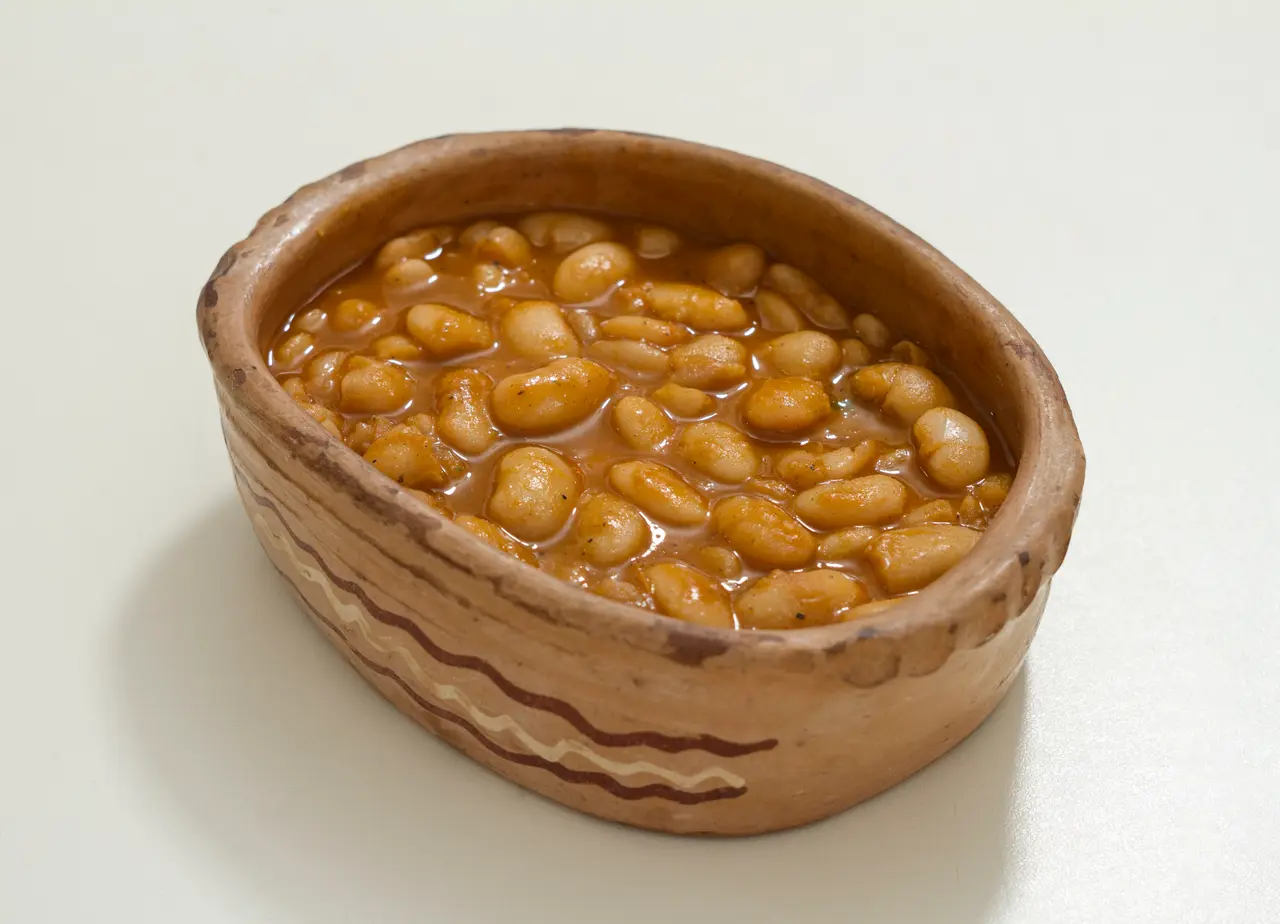
Plan on roughly €10-15 a day for food if you mix bakeries, market produce and the occasional kafana, or €20-35 if you eat in restaurants for lunch and dinner. The traditional dishes to seek out - tavče gravče (oven-baked beans), grilled kebapi, ajvar, šopska salad and a glass of Tikveš wine - are also the cheapest things on most menus.
Getting around
Transport is the other big lever, and it’s cheap. Full detail sits in our getting around North Macedonia guide; here’s what it’ll cost you on the ground.
Intercity buses are the backbone of travel here and the best value going:
| Route | Approx. distance | Typical fare |
|---|---|---|
| Skopje → Ohrid | ~170 km, ~3-3.5 h | ~€13-14 |
| Skopje → Bitola | ~170 km, ~3.5 h | 730-780 MKD (~€12-13) |
| Skopje → Tetovo | ~45 km, 40-50 min | 200-250 MKD (~€3.25-4.06), by carrier |
(Skopje-Ohrid is a direct FlixBus fare, confirmed on the operator’s own site. Skopje-Bitola and Skopje-Tetovo come from the Skopje bus station’s own departures board, read 26 September 2026: 730 MKD on Transkop and 780 MKD on Galeb to Bitola, 250 MKD on Rule Turs and Euro Turist and 200 MKD on Eko-Turs and Vakčare to Tetovo; links in sources.)
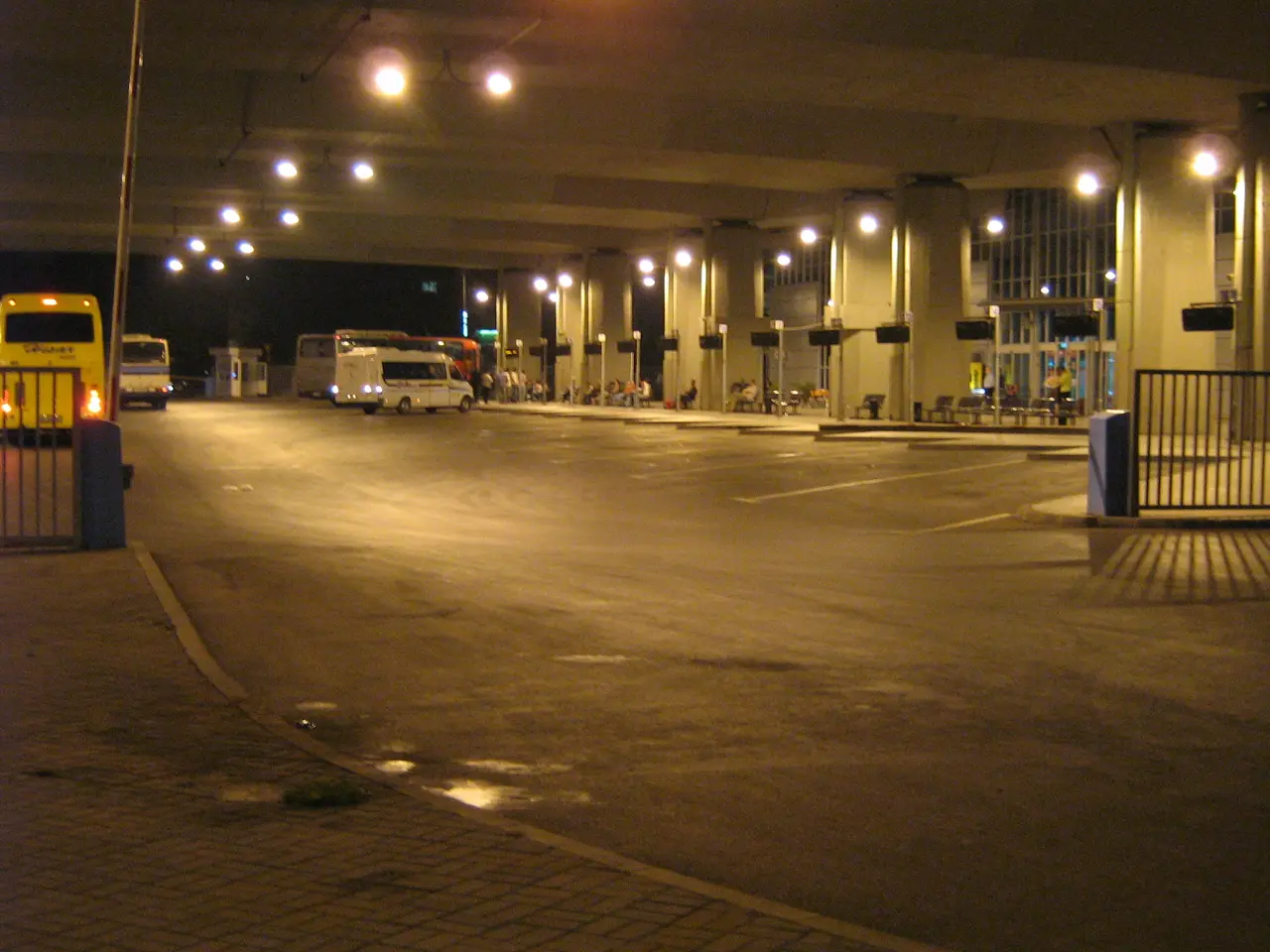
In Skopje, a single city-bus ticket on the red JSP double-deckers is just 35 MKD by card or app / 50 MKD for a paper single - well under a euro (JSP price list). Taxis run on a fuel-linked tariff the city set in 2022: 50 MKD start + 30 MKD/km at today’s petrol price (it climbs to 60/35 only once petrol tops 120 MKD/litre, though some drivers quote that tier regardless, so it’s worth watching the meter). Most in-town rides still come to a euro or two; use the meter or the Bolt app (there’s no Uber). Your first spend of the trip is usually the official airport taxi from Skopje (SKP) into the centre, a fixed €25, about $29 or £21 (airport price list) - the single most expensive ride you’re likely to take all week.
Renting a car opens up the lakes, mountains and national parks that buses reach awkwardly. Economy hire runs roughly €10-25 a day, swinging from about €12 in winter to €40+ at the July peak (DiscoverCars Skopje rates (link in sources)). Petrol is capped nationally by the energy regulator - at most 100 MKD/litre (about €1.63) under the regulator’s decision of 28 September 2026 - so unlike everything else here, the same price ceiling applies in Skopje, Ohrid and Bitola. See our renting a car in North Macedonia guide for deposits and the practicalities.
Attractions and tours
Sightseeing barely dents a budget. Museum and site entry typically runs €1-6.50 - Skopje’s Archaeological Museum tops that band at 400 MKD/€6.50 for foreign visitors (200 MKD for locals, free the first Saturday of the month), while Bitola’s ancient Heraclea Lyncestis runs an estimated 150-180 MKD/€2.50-3 - its own operator doesn’t publish a price list online, so treat that one as the going rate recent visitors report rather than a posted fee. Ohrid’s Tsar Samuil’s Fortress charges a confirmed 150 MKD/€2.50 for foreign visitors (120 MKD locals); exact figures change, so you’ll want to check on the day.
The signature splurges are still cheap. At Matka Canyon the gorge is free to enter. The boat to Vrelo Cave costs 500 denars (about 8.5 euro) at the operator’s own price list. Whether cave entry is included isn’t stated there, so ask at the jetty before you pay. Kayak hire is roughly 150-300 MKD an hour (Skopje.in). On Lake Ohrid, the full-day boat down to the Sveti Naum monastery is 1,200 MKD / €20 return for an adult and €10 for a child, bought at the harbour - the monastery entrance itself is a separate, confirmed 150 MKD, and a rowboat through the springs behind it is about €5 more if you’re after one - against €45 per adult for KTM Voyage’s guided day (summer weekdays only) with the monastery entrance and rowing boat bundled in, booked on its own site (Ohrid Lake Cruises sells a guided day at €35 with the entrances extra, and Vik Experience at €49 with pickup and lunch), and our Ohrid boat trip guide sets out which is worth it.
Connectivity: eSIM and SIM
Staying online isn’t expensive. An Airalo eSIM for North Macedonia starts around $9.50 for 3GB (30 days), with 5GB near $13 and 10GB near $21 - the easiest option, set up before you land. Prefer a physical local SIM? An A1 prepaid starter SIM is about 399 MKD and includes 20 GB, with add-on data bundles from roughly 99 MKD (A1); note that a local SIM must be registered to your passport in a shop before it’ll work. Either way, mobile data costs a few euros for a whole trip. For the full comparison of providers, plans and coverage, see our guide to the best eSIM for North Macedonia.
Three sample daily budgets
Per person, per day, excluding international flights. Denar uses ~61.5 MKD/€1; dollars and pounds use the ECB rate of 31 July 2026.
| Backpacker | Mid-range | Comfort | |
|---|---|---|---|
| Accommodation | Dorm / cheap room €10-18 | Private double €30-55 | Hotel €60-100 |
| Food | Bakeries + 1 kafana €8-14 | Restaurants €18-30 | Restaurants + wine €35-55 |
| Transport | City bus + 1 intercity €3-10 | Buses + occasional taxi €8-18 | Car hire / private transfers €20-40 |
| Sights & extras | 1 cheap site €2-6 | Site + boat trip €8-18 | Tours / boat trips €25-45 |
| Per day (EUR) | ≈ €30-50 | ≈ €65-110 | ≈ €150+ |
| Per day (USD) | ≈ $34-57 | ≈ $75-126 | ≈ $172+ |
| Per day (GBP) | ≈ £26-43 | ≈ £56-94 | ≈ £128+ |
| Per day (MKD) | ≈ 1,850-3,080 | ≈ 4,000-6,800 | ≈ 9,200+ |
| One week | ≈ €210-350 | ≈ €455-770 | ≈ €1,050+ |
A relaxed two-week mid-range trip for one therefore tends to land near €900-1,500 ($1,030-1,720 / £770-1,285) on the ground. Add flights on top: those are the one line item that doesn’t care how cheap the country is, and from North America they’ll usually outweigh everything in this table put together.
Skopje vs Ohrid, and the season effect
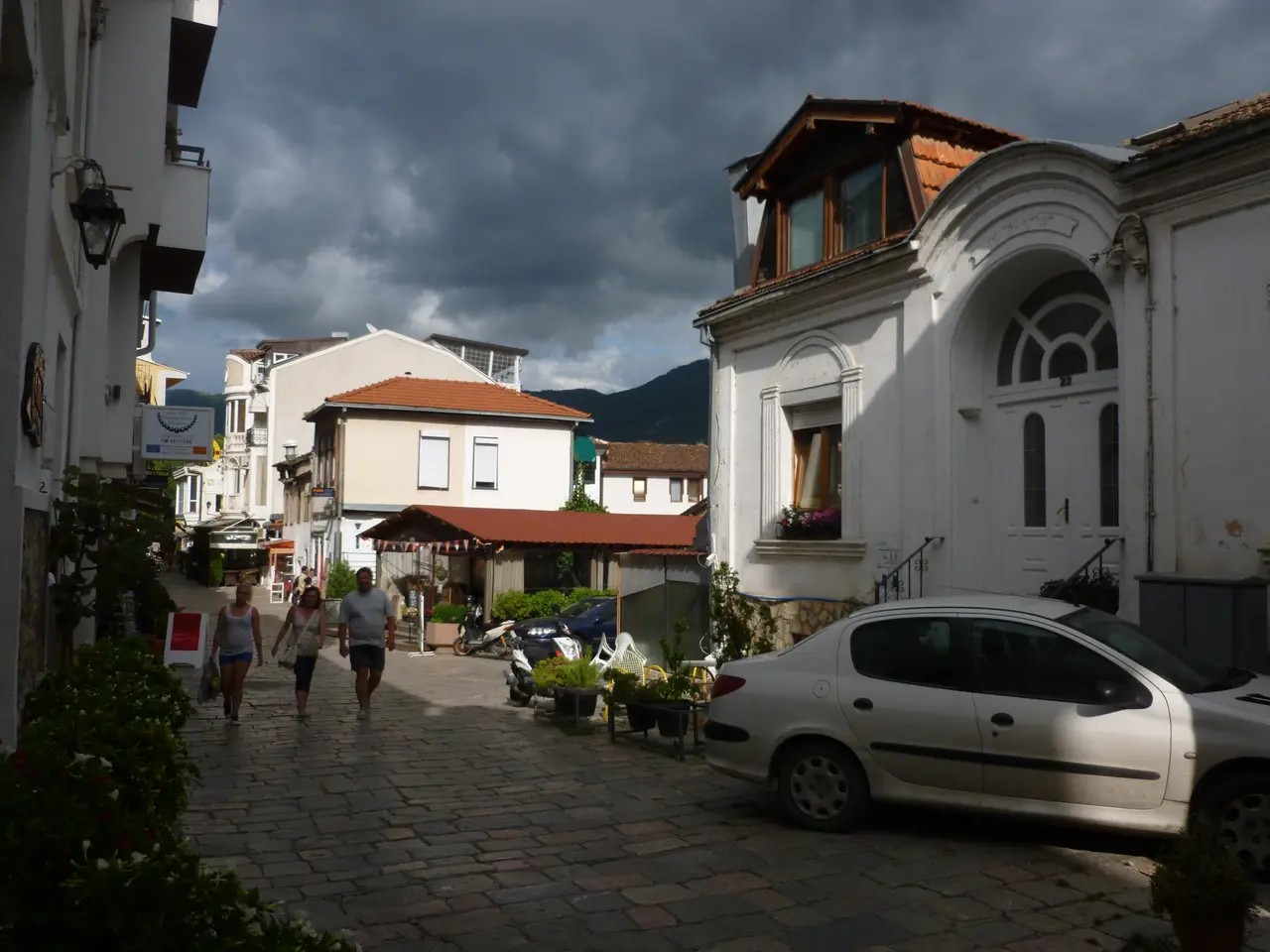
Where and when you go changes the maths more than anything else. Skopje is a year-round capital: rooms, restaurants and transport hold steady in every month, which makes it the cheapest reliable base. Ohrid is a summer resort, so from late June to August lakefront rooms can double, while in spring and autumn the same town is one of the best-value lake destinations in Europe and still warm enough to swim in September.
So the simplest way to cut the bill is Ohrid in the shoulder season and Skopje in any month at all. Compare the three main bases line by line in our North Macedonia cost index.
How to save money
- Travel by intercity bus. A cross-country coach costs a fraction of car hire and reaches every city.
- Eat where locals eat. Bakeries, kafanas and the green market beat tourist-strip terraces on both price and food.
- Dodge the Ohrid peak. June and September give you the lake without the August premium.
- Pay in denar, carry cash. Skip dynamic-currency-conversion at card machines and keep notes for stalls, boats and parking.
- Book an eSIM, not roaming. A few euros of data covers the whole trip.
- Self-cater breakfast. Markets and supermarkets are cheap; a picnic by the lake costs almost nothing.
- Group up for tours and taxis. Matka boats, day tours and longer taxi rides are priced to share.
The bottom line
Budget €30-50 ($34-57) a day as a backpacker, €65-110 ($75-126) for a comfortable mid-range trip and €150+ ($172+) for real comfort, with Ohrid in high summer the one line that can push you over. That’s roughly half what the same week costs in Greece, and the euro peg means the figure you plan with in January is the figure you pay in July. Staying months rather than days? Our cost of living in North Macedonia guide works in monthly rent and bills instead. Otherwise, fix your dates with best time to visit, work out the moving parts in getting around, and settle the bigger question in is North Macedonia worth visiting?
Read also
- Plan your dates: best time to visit North Macedonia
- Get around for less: getting around North Macedonia
- Self-drive the lakes and mountains: renting a car in North Macedonia
- Build the trip: 7-day North Macedonia itinerary
- Still deciding? Is North Macedonia worth visiting?
- Staying longer? Cost of living in North Macedonia - monthly budgets for nomads and couples
- More in the North Macedonia planning hub
Admission and opening hours
- Admission price
- No national tourist tax to enter; museums and sites are cheap (roughly €1-6.50). Boat trips, kayaks and tours are paid on site or per operator.
All prices are 2026 ranges and move with the season - confirm current fares and entry fees on the day.
Details checked: August 10, 2026
Read also

Before you go · 11 min read
North Macedonia Travel Tips: Know Before You Go
Updated · September 5, 2026Pack a Type C/F adapter, plan around Sunday shop closures, carry denar, check tap-water alerts, and sort eSIM plus insurance before you land.

Before you go · 10 min read
Macedonian for Travelers: Phrases That Open Doors
Updated · August 31, 2026A working Macedonian phrase kit for travelers: Cyrillic, how to say it, and when it helps in a kafana, taxi or market.

Before you go · 9 min read
Skopje vs Ohrid: Which Should You Base Yourself In?
Updated · September 24, 2026Skopje for flights, museums and day trips; Ohrid for the UNESCO lake and summer swimming - about 3 h 20 apart by bus, and most trips work best split.

Before you go · 12 min read
Skopje or Sofia: Which Balkan Capital to Visit?
Updated · September 26, 2026Skopje's rooms cost less, Sofia's airport transfer is easier, and a direct bus links the two in about 5h for about EUR 27. Here's which to fly into first.