
Is North Macedonia Safe to Visit in 2026?
Is North Macedonia safe in 2026? Yes - US, UK, Canada and Australia agree. Taxi scams, pickpockets, driving risks and emergency numbers, honestly covered.
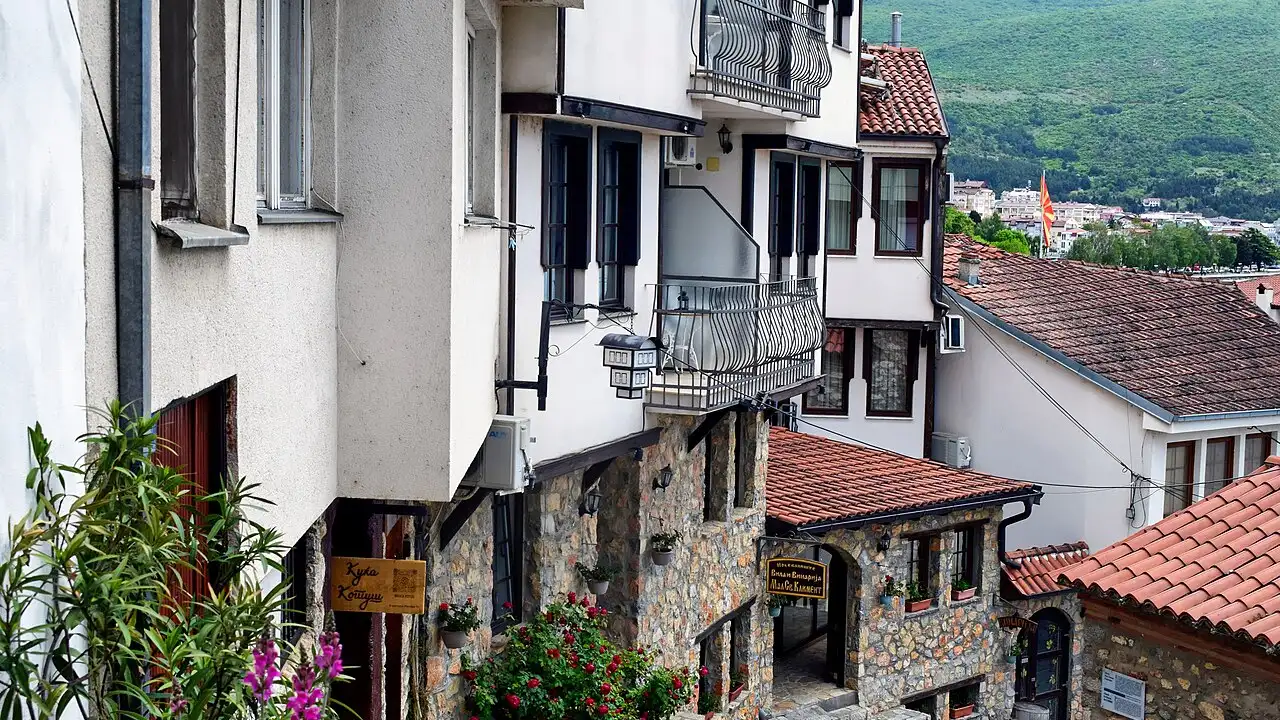
Yes. For a normal tourist trip in 2026, the US, UK, Canadian and Australian governments all keep North Macedonia at their calmest setting - the US at Level 1 of 4, “Exercise Normal Precautions” - and none of the four flags any part of the country as unsafe to visit (each one’s wording and date is in the table below). Violent crime against visitors is uncommon; what actually goes wrong is small and avoidable: pickpockets in crowded spots, the odd taxi overcharge, card fraud at a careless ATM, and mountain roads that demand a careful driver.
None of those should keep you home. Day to day, Skopje, Lake Ohrid and the national parks feel like the calmer end of southern Europe - hospitable, walkable and low-drama - provided you use the same street sense you’d bring to any European capital. If you’ve travelled in Greece, Bulgaria or Albania, you already have the right instincts here.
Check current travel advisories before you go. The rows below are what the US State Department, the UK Foreign Office, the Government of Canada and Australia’s Smartraveller were saying when we read them in the week to 23 September 2026, each with that government’s own last-updated date. Advice can change at any time, so confirm the current position for North Macedonia with your own government’s foreign-travel service shortly before you travel. This is general guidance, not official advice.
Four governments’ current travel advice
Here’s where each one stands, and when it last changed its page:
| Government | Current advice | Last updated |
|---|---|---|
| US State Department | Level 1 - “Exercise Normal Precautions” | reissued 14 Jan 2025 |
| UK Foreign Office | No numbered level; no part of the country is advised against | 13 Aug 2026 |
| Government of Canada | ”Take normal security precautions” | 9 Sep 2026 |
| Australia (Smartraveller) | “Exercise normal safety precautions” | 2 Sep 2026 |
All four sit at their calmest setting, and on the American scale that is a step below where the US puts France, Germany, Italy, Spain and the UK, all of which sit at Level 2. Around the region, the same feed has Albania, Serbia, Kosovo and Bosnia at Level 2, and Montenegro, Greece and Bulgaria at Level 1 alongside North Macedonia. The useful part is the detail, and each government adds something: the UK says who and when for pickpocketing in Skopje (gangs of children, in the main shopping and entertainment areas late at night), Canada says where (the downtown pedestrian zone, markets, transport hubs, the airport and hotel lobbies) and also calls out ATM and card fraud and rental cars as a theft target, and Australia spells out old landmines and unexploded ordnance in the mountains along the Kosovo border.
That doesn’t mean it’s risk-free - nowhere is. But the issues you’re likely to meet are the small, avoidable kind.
Petty crime and pickpockets
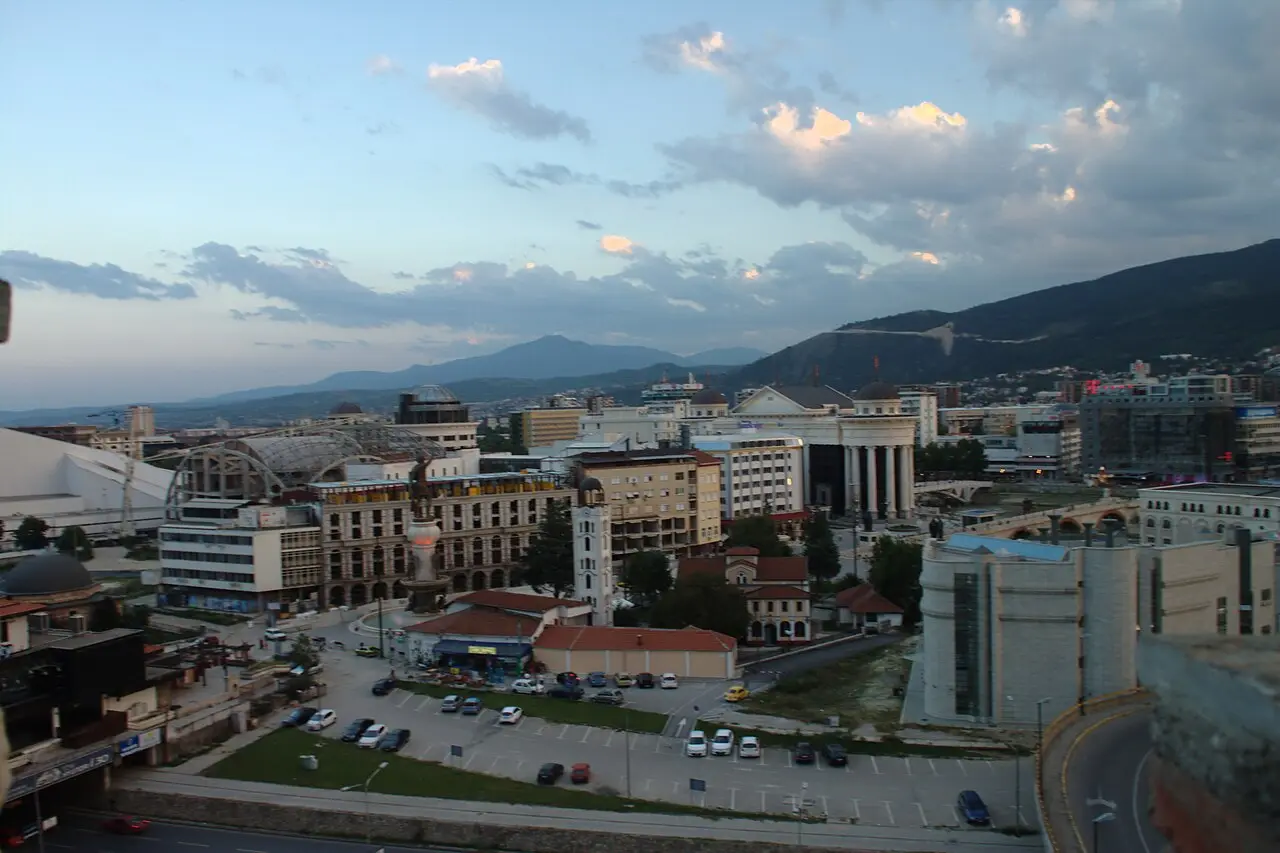
The most common problem tourists actually encounter is petty theft, not violence. The UK Foreign Office flags pickpocketing and bag-snatching by gangs of children in the main shopping and entertainment areas of Skopje, particularly late at night, and notes that foreign nationals appear to have been specifically targeted. Canada’s advisory is more specific about where: Skopje’s downtown pedestrian zone, markets, public-transport hubs, the airport and hotel lobbies, alongside theft targeting rental and luxury cars. The same UK advice notes that organised crime groups are active in the northern areas near the Kosovo border, though that rarely touches ordinary visitors, and that there are occasional shooting incidents in Skopje which are not aimed at foreign nationals. People here also fire guns to celebrate, which Canada’s advisory treats as a real hazard rather than local colour: “injuries and cases of death due to stray bullets do occur”, so leave any area where celebratory fire is going on.
None of this is unusual for a European capital. The sensible habits are the obvious ones:
- Keep your phone and wallet in a front pocket or a zipped bag in crowded markets, bus stations and nightlife streets.
- Don’t leave bags unattended on café terraces or hang them on the back of a chair.
- Be a little more alert late at night in busy entertainment areas of central Skopje.
- Use a hotel safe for your passport and spare cash where one is available.
- Driving a rental? Don’t leave bags or valuables visible inside a parked car - rental and higher-end vehicles are the ones Canada’s advisory calls out as a target.
Hiking near the Kosovo border? Australia’s advice warns that mountain areas along that frontier still hold old landmines and unexploded remnants of war, so stay on roads and well-marked paths there rather than cutting across open country.
Terrorism, protests and crowds
The UK Foreign Office says attacks “cannot be ruled out” and could be indiscriminate, including in places visited by foreign nationals - and it goes further than boilerplate on this country: the authorities in North Macedonia have carried out raids against suspected terrorists, and the FCDO names a risk of attacks inspired by extremist ideology. That is background risk, not a live alert, and it changes nothing about how you spend a day in Skopje, but it’s the official wording and you should have it.
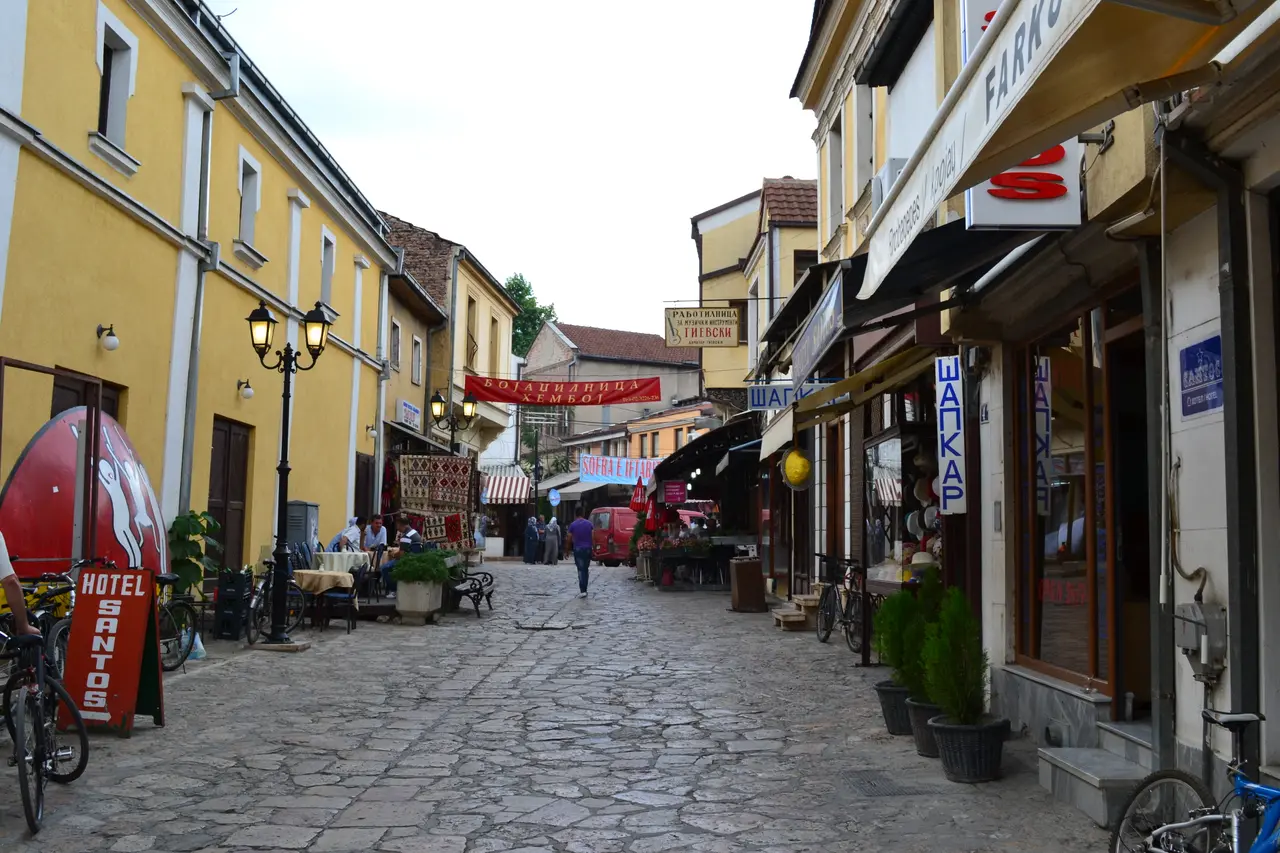
Protests are a live feature, not a rarity. The FCDO says demonstrations happen occasionally and can cause disruption, and asks you to check local media, stay vigilant and avoid large crowds and gatherings. Canada puts it harder: “demonstrations take place frequently. Even peaceful demonstrations can turn violent at any time.” The practical response is the same either way - if you come across a crowd or a march, give it a wide berth and carry on with your day.
Roads and driving
If there’s one area that deserves real attention, it’s driving. Motorways and main routes are fine; the problem is everything else. Canada’s advisory is specific about why: secondary roads are poorly maintained and lack adequate lighting, and in mountainous areas most roads lack guard rails and are unpaved, with farm equipment and stray animals thrown in. It also says plainly that drivers here don’t respect traffic laws. Drive defensively, especially after dark and in the mountains, and don’t assume anyone else will.
A few practical legal points if you’re renting:
- An International Driving Permit, depending on your passport. Canada’s advisory says flatly that you must carry one, and Australia says the same and warns that driving without one could void your insurance. The US State Department says American drivers need a US licence plus an IDP, and that the permit “can only be obtained in the United States” - so sort it before you fly. Britons are the exception: the Foreign Office says a UK photocard licence is enough in a rental car, and you only need the 1968-style IDP if you’re driving your own car or hold a residence permit.
- The blood-alcohol limit is 50 mg per 100 ml of blood - lower than England’s 80 mg, so treat it as effectively zero before driving.
- Dipped headlights are required during the day, year-round; the UK advice lists it among the things you get fined for.
For more on getting behind the wheel here - what to expect, costs and the paperwork - see our renting a car in North Macedonia guide. If you’d rather not drive, the North Macedonia transport guide covers buses and trains.
Taxis and common scams
Taxi overcharging is the scam travellers report most often, and it’s in the official advice too. Canada’s government is direct about it: “use only officially marked taxis. Negotiate fares in advance, or insist that the driver use the meter, as you may be overcharged.” Australia goes further for its own citizens, recommending you arrange a taxi through your hotel rather than hailing one on the street, and sit in the back seat. None of it is usually dangerous, just annoying, and it’s easy to sidestep:
- Use official, marked taxis, or ask your hotel to call one for you. Don’t count on an app: the US State Department’s country page states that Uber is not present in the country and that other reliable ride-hailing options are few.
- Carry cash. The same page notes that most taxis accept cash payments only, which is not what you want to discover at the end of the ride.
- Agree the fare or insist on the meter before you set off - not once you’re already moving.
- For the airport run, prefer a pre-booked transfer or a marked official taxi over an unmarked car touting for business in the arrivals hall.
Card fraud gets its own line in Canada’s advisory: keep an eye on your card when a waiter or clerk handles it, and use ATMs inside a bank or a busy, well-lit business rather than a standalone machine on a quiet street.
Emergency numbers
Save these before you travel. North Macedonia uses the single European emergency number alongside the older direct lines:
| Service | Number |
|---|---|
| General emergency (Europe-wide) | 112 |
| Police | 192 |
| Ambulance | 194 |
| Fire | 193 |
| Roadside assistance | 196 |
112 is the one to remember if you’re unsure: the State Department tells US citizens to dial it for the general emergency line, and the Foreign Office tells you to use it to report a wildfire. Save the roadside-assistance number too if you’re driving, and see our renting a car in North Macedonia guide for the paperwork side.
Money, water and health
Cash and cards. Card payment is normal in cities, but you’ll want some denars for small shops, markets and rural areas. Change money only at banks or licensed exchange offices, never with people offering rates on the street. For what a trip actually costs day to day - and why the country is one of Europe’s cheapest - see our North Macedonia trip cost guide.
Tap water. Follow the official wording rather than blog cheerleading. The US State Department says that other than in Skopje, tap water is not potable in many areas, that bottled water and drinks are generally safe, that plenty of restaurants and hotels serve tap anyway, and that ice may be made with tap water. Australia’s advice is blunter still: boil your drinking water or buy it bottled. Bottled water is cheap and sold everywhere, so outside the capital that’s the easy call.
Forests in fire season. Wildfires are possible here from April to October, and the Foreign Office warns that the government commonly bans entry to forest and wilderness areas over the summer months, with severe fines for ignoring it. That’s a recurring mechanism, not a one-off: in 2026 the ban on state forest land held through the summer and was extended again to cover 1-30 September, with access only on written permission from Public Enterprise National Forests, which tells visitors to check separately with whoever manages the park forests and national parks. So before you plan a summer or early-autumn hike, ask the park or your accommodation whether a ban is in force.
Insurance. Australia’s advice describes medical facilities here as “poor” and says doctors and hospitals “will usually require a deposit before commencing treatment”; Canada adds that most facilities are poorly equipped and that immediate cash payment is usually required. Add the hiking and the mountain driving, and a policy that covers medical care and, ideally, mountain activities isn’t optional here - see our travel insurance for North Macedonia guide for what to look for.
Solo travellers and women
Solo travel here, including for women, is common and generally trouble-free, and the usual precautions cover it: stick to well-lit, busy streets at night, keep an eye on your drink in bars and clubs, share your plans with someone, and trust your instincts about people and places. It’s the same petty-theft awareness that applies to everyone, and it’s the main thing to carry.
LGBT travellers
Same-sex sexual activity has been legal since decriminalisation in 1996, and an anti-discrimination law covering sexual orientation and gender identity was adopted on 27 October 2020. In practice, society remains fairly conservative and reserved: there aren’t many openly LGBT venues, and same-sex marriage is not recognised. Public displays of affection may draw attention outside the most relaxed parts of Skopje. Most LGBT travellers visit without problems, but a degree of discretion is wise, particularly in smaller towns and rural areas.
What about the news from 2025?
You may have read about North Macedonia in 2025, so it’s worth putting in context. On 16 March 2025, a fire at the Pulse nightclub in Kočani - a town in the east - killed 63 people and injured 193, one of the worst disasters in the country’s recent history. Protests over safety enforcement and accountability began within days.
This was a tragedy, but it was a specific event, not a sign of ongoing instability or danger to tourists: the country still sits at the calmest advisory level everywhere it’s rated. That is not the same as “nothing to watch” - as above, Canada expects demonstrations frequently and says any of them can turn. We mention Kočani only because travellers sometimes remember the headline without the follow-up: it does not change the picture for a 2026 visit.
Entry rules and visas
Entry is straightforward for most Western visitors. US, UK, EU, Canadian, Australian and Ukrainian citizens travel visa-free for up to 90 days within any 180-day period. Russian citizens have required a visa since 21 March 2022. Rules can and do change, so always confirm your own situation with an official source - the Ministry of Foreign Affairs (mfa.gov.mk) or your nearest North Macedonian embassy - before you book. For the full breakdown by nationality, plus the border and EES changes, see our North Macedonia visa requirements guide. Hotels usually handle the routine guest registration with the police on your behalf.
Before you fly
Four things to do while you’re still at home:
- Save 112, 192 and 194 in your phone, and 196 too if you’re driving.
- Book the airport run - a pre-booked transfer or a marked official taxi, with cash in your pocket for it.
- Plan to use ATMs inside banks rather than standalone machines on quiet streets, and change money only at licensed offices.
- Buy insurance that names the mountains, because that’s where the expensive things happen and where a standard policy tends to stop.
Do that and the rest takes care of itself: North Macedonia is a low-key country where the main hazards are an over-eager taxi driver and a winding road, not crime or unrest. If you’re still weighing the trip, our take on whether it’s worth it lives in is North Macedonia worth visiting.
Read also
- Staying longer to work remotely? coworking in Skopje
- Start here: the North Macedonia planning hub
- The big question: is North Macedonia worth visiting
- Entry rules: North Macedonia visa requirements
- Practical tips: North Macedonia travel tips
- Budget the trip: North Macedonia trip cost
- Behind the wheel: renting a car in North Macedonia
- Getting around without a car: North Macedonia transport guide
- Cover the trip: travel insurance for North Macedonia
Photos
Read also

Before you go · 11 min read
North Macedonia Travel Tips: Know Before You Go
Updated · September 5, 2026Pack a Type C/F adapter, plan around Sunday shop closures, carry denar, check tap-water alerts, and sort eSIM plus insurance before you land.

Before you go · 10 min read
Macedonian for Travelers: Phrases That Open Doors
Updated · August 31, 2026A working Macedonian phrase kit for travelers: Cyrillic, how to say it, and when it helps in a kafana, taxi or market.

Before you go · 9 min read
Skopje vs Ohrid: Which Should You Base Yourself In?
Updated · September 24, 2026Skopje for flights, museums and day trips; Ohrid for the UNESCO lake and summer swimming - about 3 h 20 apart by bus, and most trips work best split.

Before you go · 12 min read
Skopje or Sofia: Which Balkan Capital to Visit?
Updated · September 26, 2026Skopje's rooms cost less, Sofia's airport transfer is easier, and a direct bus links the two in about 5h for about EUR 27. Here's which to fly into first.