
Mother Teresa Memorial House, Skopje: Hours and Visit
Mother Teresa Memorial House in Skopje: free entry, open Tuesday to Sunday 10:00-18:00, what is inside, and why it is not her birthplace.
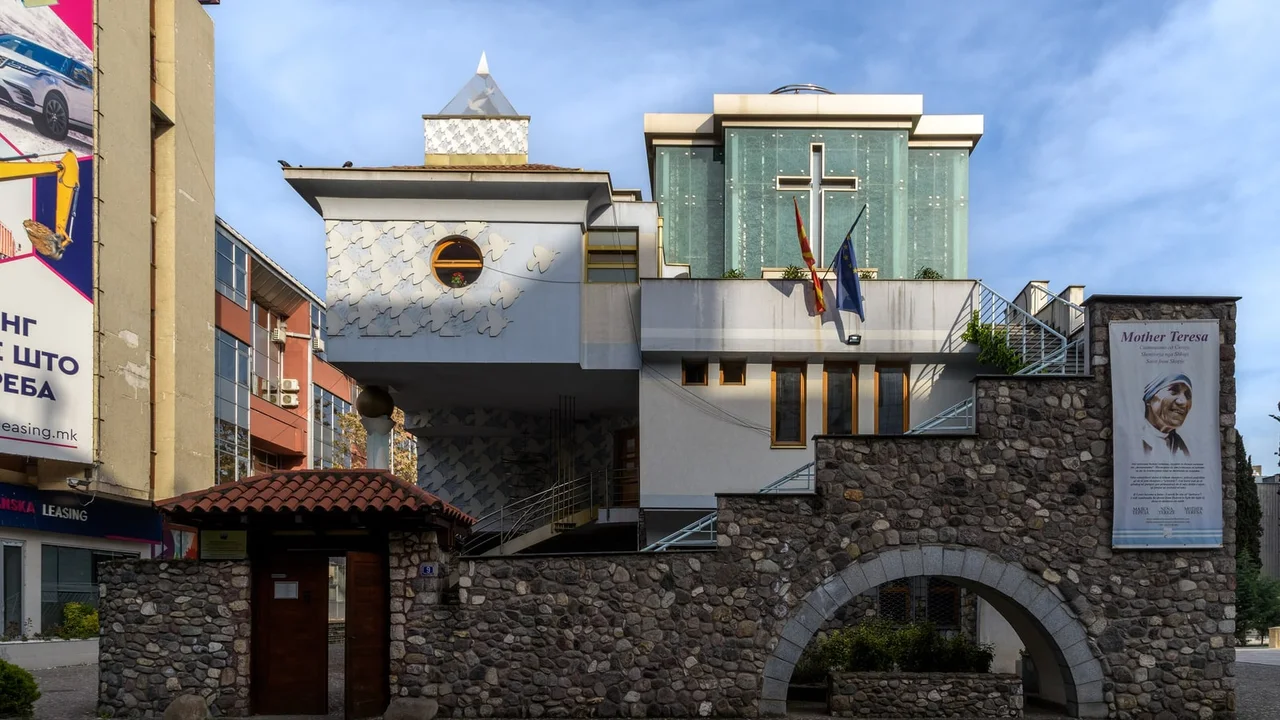
The Mother Teresa Memorial House is free, open Tuesday to Sunday from 10:00 to 18:00, and small enough that most people are back on the street within 45 minutes. That short visit pays off for one reason that’s easy to miss: the building isn’t on her birthplace, and knowing where she actually was born turns a polite museum stop into a short walk with a point.
The street she came from
Agnes Gonxha Bojaxhiu was born on 26 August 1910, at 14 Pop Kochina Street. According to the museum’s own biography, that address is “what is now main square Macedonia” - so the place of her birth lies under the paving of the square you probably crossed on the way here.
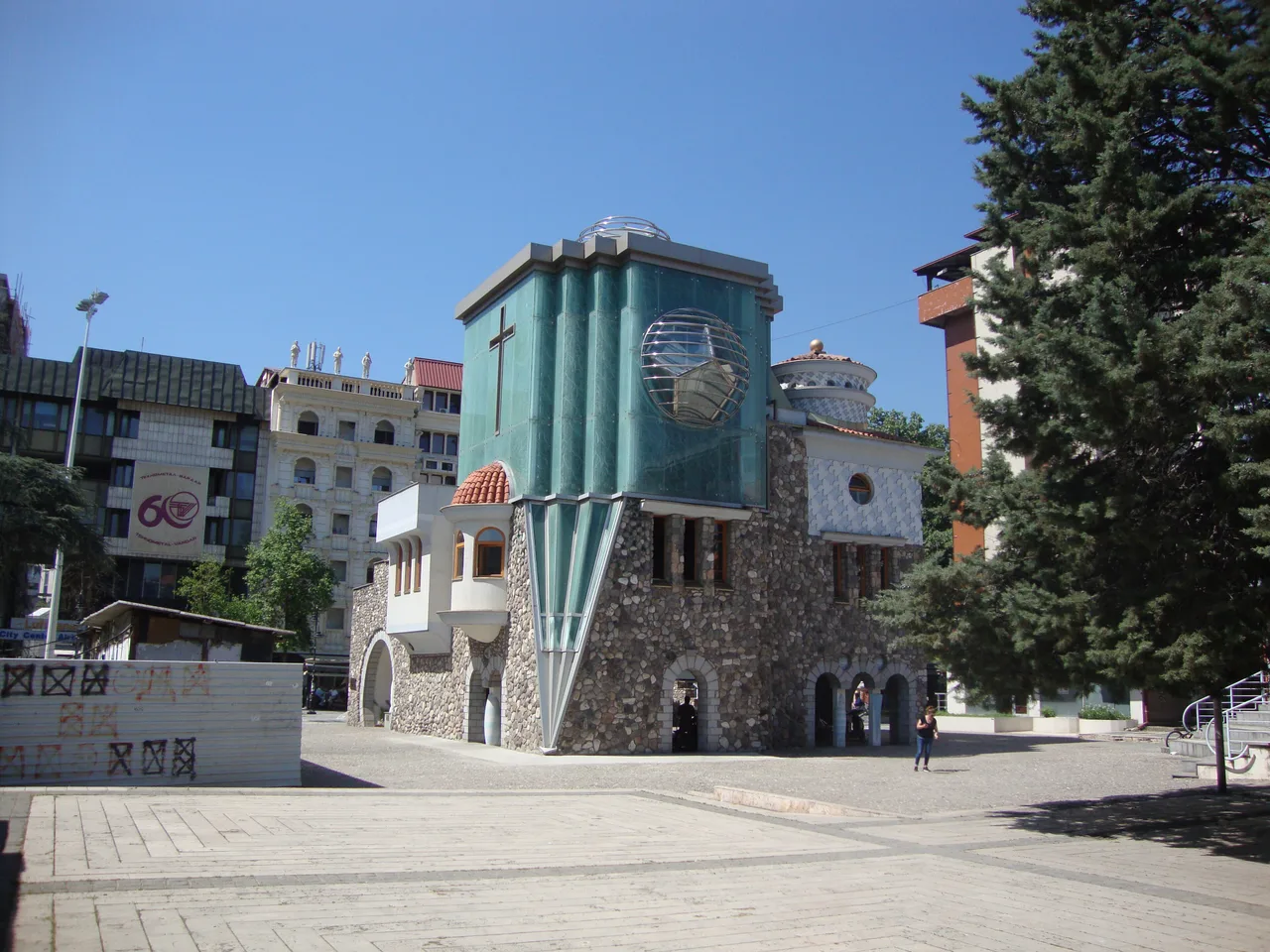
What the museum stands on is something else: the site of the Sacred Heart of Jesus church, where she was baptised the day after she was born. That church was destroyed in the 1963 earthquake. The memorial house went up on the spot, with the foundation stone laid on 9 May 2008 and the doors opened to visitors on 30 January 2009. So you’re standing where she was christened, a short walk from where she was born, in a city she left at eighteen.
That’s worth saying out loud because the house is often described as her birthplace. It isn’t. The official line is baptism, not birth, and the difference is the nicest thing the visit has to offer.
Hours, entry and the practical bit
The museum’s visitor page gives the rules plainly, and they’re friendlier than most:
- Open: Tuesday to Sunday, 10:00 to 18:00, last entrance at 17:45. The page names Tuesday to Sunday only, so treat Monday as a day off.
- Price: free entrance, and tour guiding is free of charge too.
- Closed: on public holidays. Check the date against the national holiday list before a long walk, particularly around Orthodox and Catholic feast days.
- Groups: must book the visit in advance.
- Chapel: Holy Mass is listed for Tuesday at 08:00, two hours before the museum opens. It’s a place of worship, not a viewing platform, so dress as you would for a church.
- Shop: the souvenir shop is listed Monday to Friday, 10:00 to 18:00, so Monday appears for the shop but not for the exhibition.
Those times were read on the museum’s own site on 10 October 2026. They’re the operator’s published hours, not an aggregator’s, but small institutions change them without announcement, so check again on the day you go. The house itself is on Macedonia Street (number 9), just east of the Ristić Palace and the main square, so from anywhere in central Skopje it’s a walk, not a transport problem. Budget 30 to 45 minutes for the visit itself.
Three details are worth planning around. The last entrance is 17:45, fifteen minutes before the 18:00 closing, so if you’re coming down from the fortress late in the day, start on time. Groups must book in advance, which matters if you’re part of a tour party; individual visitors just walk in. And the souvenir shop keeps its own Monday to Friday hours, so on a weekend the exhibition is open but the shop isn’t listed as open.
To pair it with the city’s other museums in a single afternoon, use our Skopje museums guide, which has the full run with prices; the Skopje city guide puts the house into a wider day.
What the house keeps and what it doesn’t
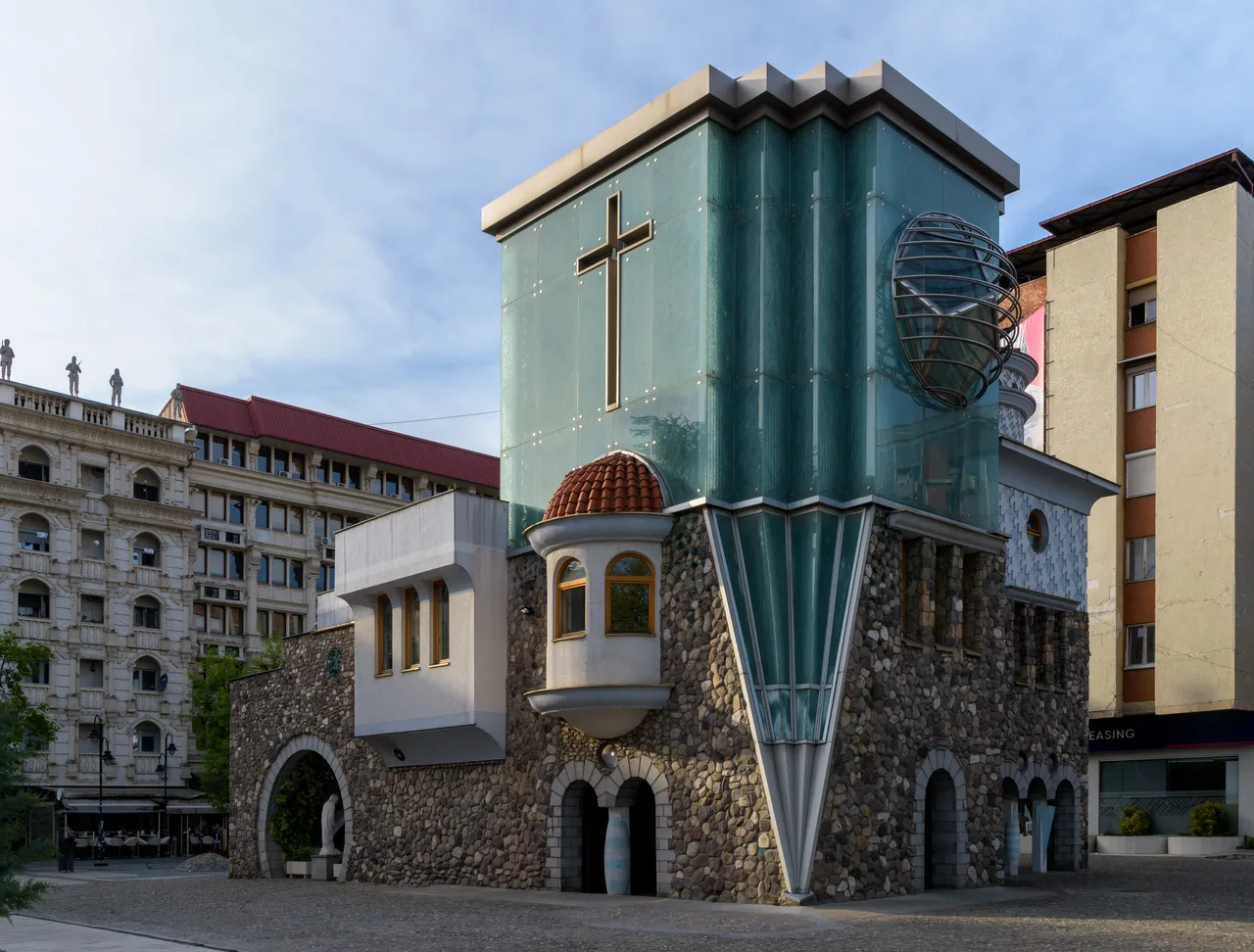
The exhibition is laid out to look like an urban house of the early twentieth century. It opens with photographs of old Skopje from the time when the city was still part of the Ottoman Empire, then shows furniture, clothes and silversmiths’ and goldsmiths’ work to suggest a town where East and West sat side by side. After that it follows her life: childhood in Skopje, the years as a Missionary of Charity in India, her death in 1997, the beatification in 2003.
The objects are modest and personal rather than grand:
- the sari with blue stripes, which the museum classes as a second class relic;
- the habit of the Missionaries of Charity;
- a copy of her baptism certificate from the Sacred Heart church;
- copies of documents in her handwriting, including a prayer book she wrote;
- a copy of the Nobel Peace Prize she received on 10 December 1979, and a copy of the letter that went to the mayor of Skopje after the award.
Below the gallery is a basement amphitheatre used for screenings, exhibitions and educational events, and above it sits a small chapel. On important dates linked to her life, the museum says, her relic is presented at honorary masses. Her feast day is 5 September, the day after the anniversary of her canonisation by Pope Francis on 4 September 2016, and it’s the sort of date when you’d expect the house to be at its busiest.
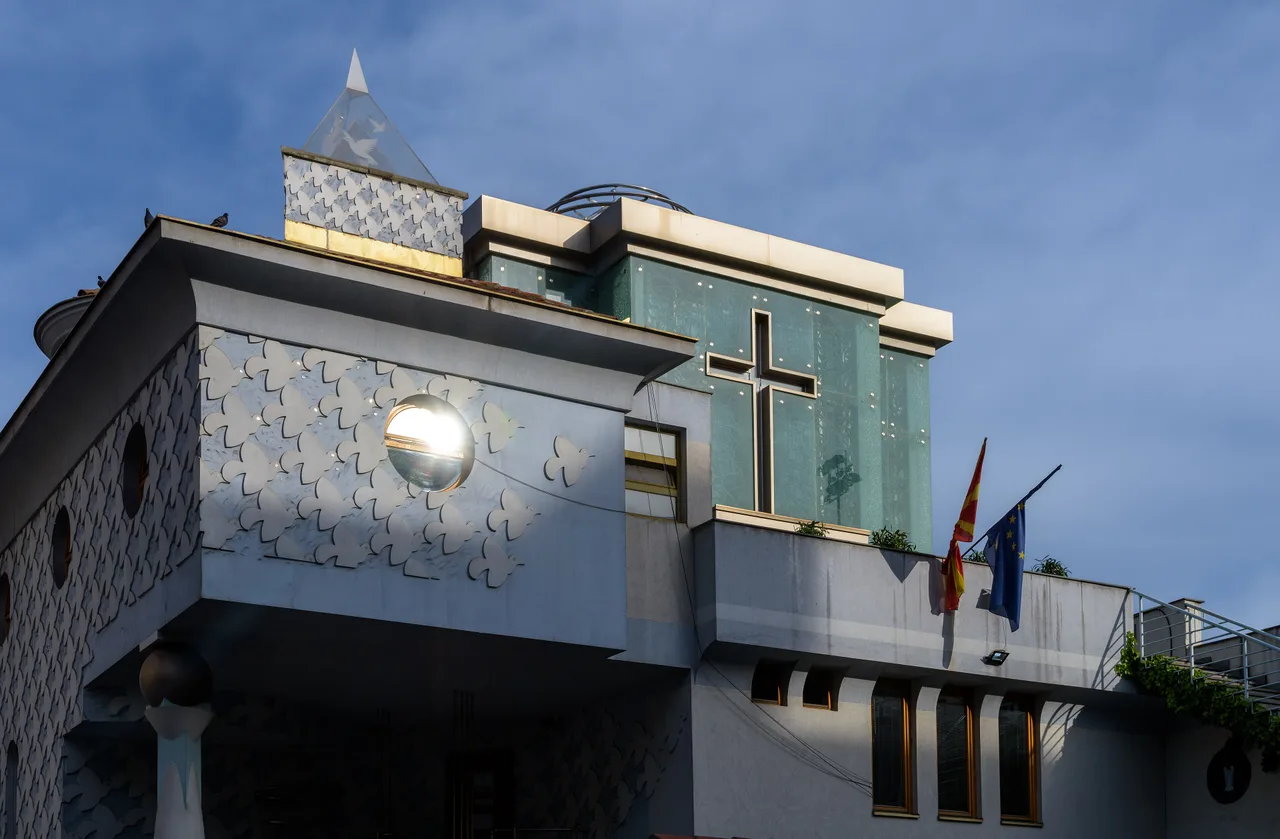
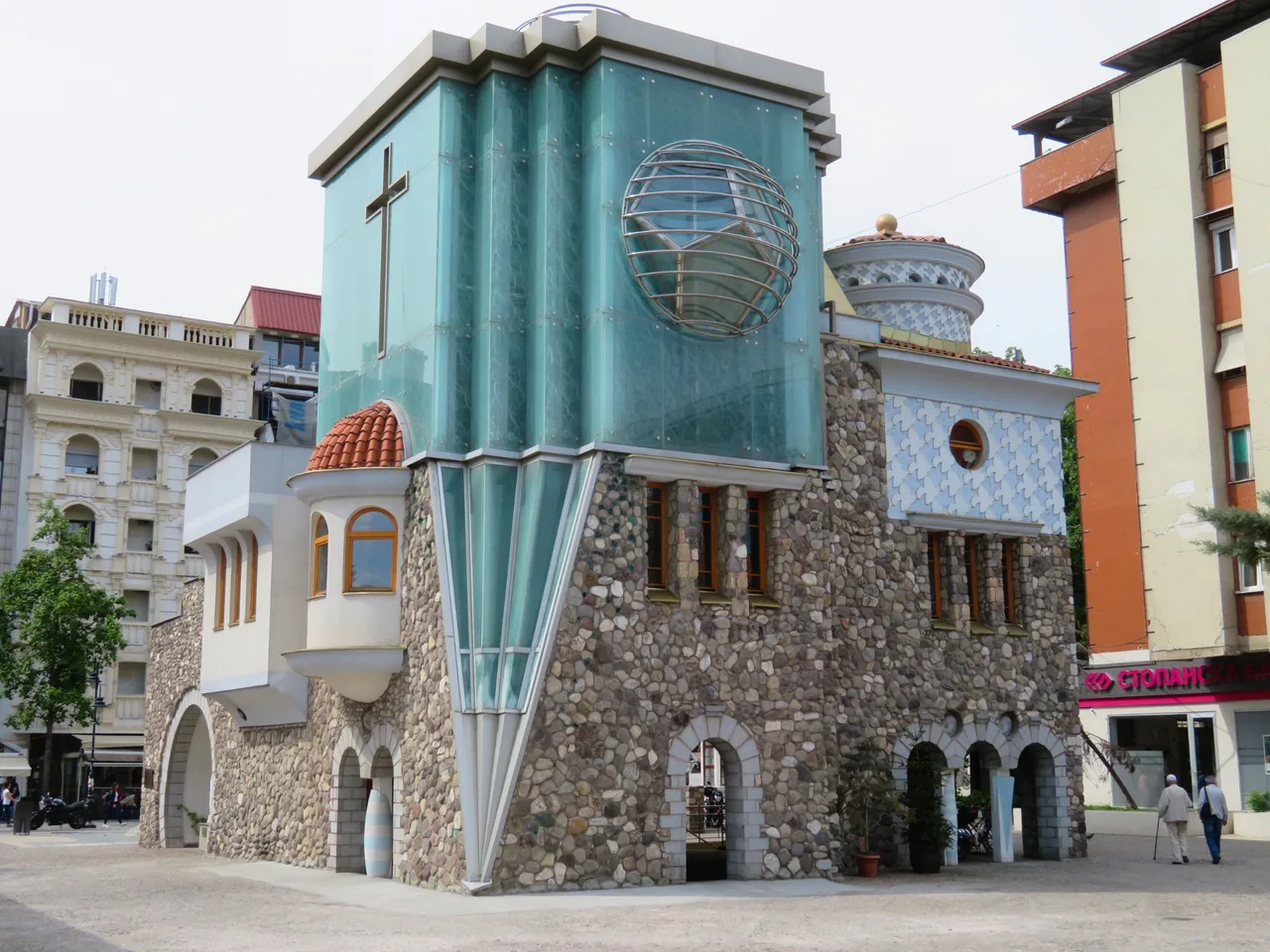
Be realistic about what this is. It’s not a large collection, and the originals are few. People who come expecting a major museum are slightly let down; people who come to see where a very well-known woman’s story starts tend to find it quietly affecting. The building is modern and light-coloured. Around 12,000 people came in its first three weeks, and the museum now puts annual numbers at 80,000 to 100,000.
Reading the story before you go in
A short detour into the biography makes the exhibits land harder. Her family was well off, and the museum’s account stresses one house rule: help everybody who needs help. Her father died in 1919, after which her mother, Drana, took up sewing and embroidery to keep the family going. Gonxha sang in the church choir, played the mandolin, acted in the church and city theatres and wrote poetry. At twelve, the museum says, she felt the call to missionary life; at eighteen she left Skopje for the Loreto Sisters in Dublin, where she took the name Teresa after Thérèse of Lisieux and learned English, the language the order used for its schools in India.
She sailed for India on 1 December 1928 and, on the voyage, wrote a farewell song about her home town and family. She didn’t come back to live. That’s the quiet framing of the house: it’s about a place she left, not one she kept.
Fitting it into a walk
The house is a natural opening or closing stop for a loop through the centre. It sits between the main square and the river, and Kale Fortress is about a 21-minute walk away, so you can fold both into one morning. Skopje’s Old Bazaar is across the Stone Bridge on the north bank, and the Millennium Cross on Vodno is the long afternoon option if the weather’s clear.
Guided walking tours of the centre on Viator link the square, the house and the old town into one story; the museum’s own free guiding stops at the door.
Read also
On the map
The map loads on click - to keep the page lightweight.
The map didn’t load. Check your connection and refresh the page.
Admission and opening hours
- Admission price
- Free admission; guided tour in the house is free of charge, per the museum
- Opening hours
- Tuesday to Sunday 10:00-18:00, last entrance 17:45; closed on public holidays; groups must book ahead; Holy Mass in the chapel on Tuesday at 08:00, per the museum
Hours read on the museum website on 10 October 2026; the page lists no Monday opening for the museum itself.
Details checked: October 10, 2026
Distance ≈0 km · short walk from Macedonia Square
- Skopje ≈0 km · short walk from Macedonia Square On Macedonia Street, a short walk east of the main square.
Read also

What to see · 7 min read
Skopje Fortress (Kale): Views, History and Visiting
Updated · October 22, 2026Skopje Fortress (Kale) above the Old Bazaar: no official hours found, 14 minutes on foot from the Stone Bridge, its history and the view from the walls.

What to see · 10 min read
North Macedonia Thermal Springs: Five Spas and Prices
Updated · October 9, 2026Katlanovo near Skopje, Negorski Banji by the Greek border, Banjište and Kosovrasti at Debar, Kežovica in Štip: what each is like, published prices, access.

What to see · 14 min read
North Macedonia Monasteries: Six Worth the Drive
Updated · October 5, 2026Six monasteries in North Macedonia worth a detour - Nerezi, Lesnovo, Osogovo, Treskavec, Bigorski and Sveti Naum - by base town, with roads and stays.

What to see · 9 min read
Popova Šapka Ski Resort: Powder, Cats & Prices
Updated · October 5, 2026Popova Šapka above Tetovo: the 2025/26 ski pass prices, the six-seat chair, snowcat freeride on Šar, when the snow really arrives and how to drive up.