
Skopje Museums: Archaeology to Mother Teresa
Four Skopje museums worth an afternoon: archaeology, Mother Teresa, the Holocaust center and Macedonian Struggle - hours, tickets and how to visit.
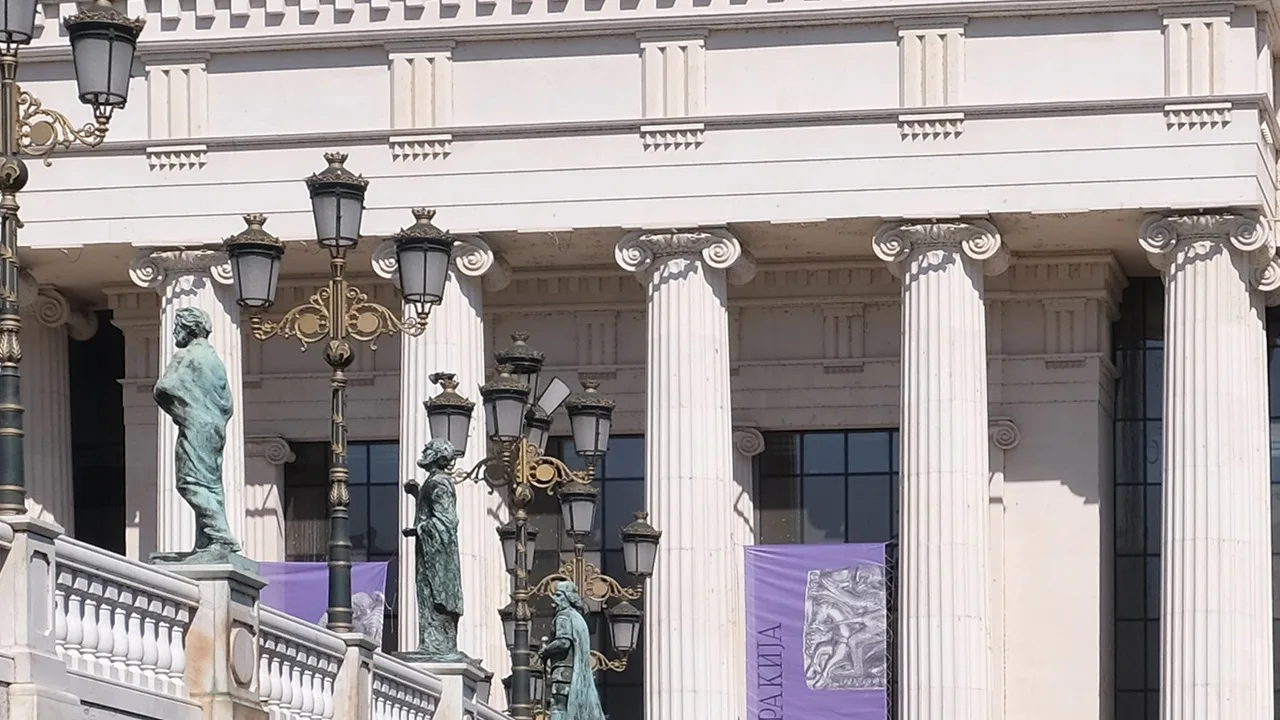
Skopje’s best museums sit within a twenty-minute walk of each other along the Vardar, and you can hit the four that matter most in one unhurried afternoon. Expect to pay about 800 MKD (roughly €13) in foreign-adult tickets for the Archaeological Museum, the Holocaust Memorial Center and the Museum of Macedonian Struggle, plus free entry at the Mother Teresa Memorial House. All four close on Monday - including the Holocaust Memorial Center. On other days the Holocaust center stays open later on weekdays (until 19:00 Tue-Fri). Below: what each building actually holds, current hours and prices, and a walkable route that strings them together without backtracking.
How to plan your museum afternoon
Start with the constraint that bites every visitor: Monday. The Archaeological Museum, Mother Teresa house and Museum of Macedonian Struggle all close that day. So does the Holocaust Memorial Center, which keeps the same Monday closure but different weekday hours - Tuesday to Friday until 19:00, shorter at the weekend. If you’re landing on a Monday and museums are non-negotiable, plan on the free Kale Fortress and the Old Bazaar instead: all four are shut, and three of them are the ticketed ones.
Budget roughly three to four hours inside the buildings, plus walking between them. None of the four is enormous, but the Archaeological Museum and the Macedonian Struggle museum both reward slow reading, and the Holocaust center deserves unhurried time. Add another hour for coffee on Macedonia Square or a detour into the bazaar’s hammam galleries.
| Museum | Foreign adult ticket | Typical visit | Closed |
|---|---|---|---|
| Archaeological Museum | 400 MKD (~€6.50) | 1.5-2 h | Monday |
| Mother Teresa Memorial House | Free | 30-45 min | Mon + public holidays |
| Holocaust Memorial Center | 100 MKD (~€1.60) | 45-90 min | Monday |
| Museum of Macedonian Struggle | 300 MKD (~€4.90) | 1-1.5 h | Monday |
First Saturday of the month: the Archaeological Museum and the Museum of Macedonian Struggle both offer free individual admission (confirmed on their official sites as of August 2026). If your dates line up, that’s the cheapest day to go.
Archaeological Museum of North Macedonia
The big white building on the riverbank is impossible to miss - a neoclassical slab from the Skopje 2014 building wave, reached across the Bridge of Civilizations from Macedonia Square. Don’t let the political baggage of the exterior put you off: inside is the country’s main archaeological collection, and it’s the one museum here I’d call essential.
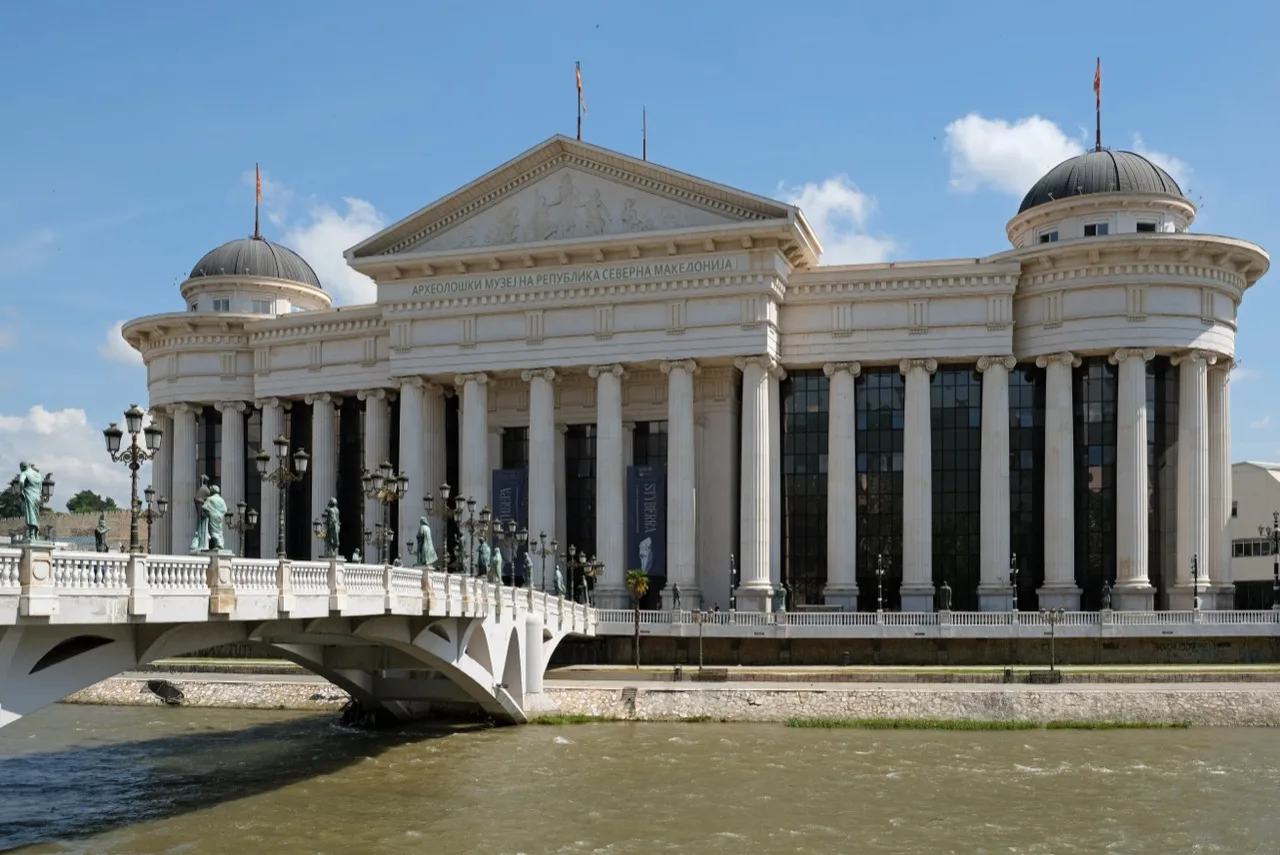
The permanent galleries run from prehistory through the Roman and early Byzantine periods, with strong Macedonian emphasis - think Neolithic village life, gold funeral masks from Trebeništa, and marble heads that’ll stop you mid-stride. Labels are in Macedonian and English, and a guided tour is included in the ticket according to the museum’s official visitor information. Foreign adults pay 400 MKD; students with ISIC or Euro 26 cards pay 200 MKD.
Hours (checked August 2026): Tuesday to Sunday, 10:00-18:00; last tickets sold at 17:00. Closed Monday. Confirm on amm.org.mk before you go - holiday hours can shift.
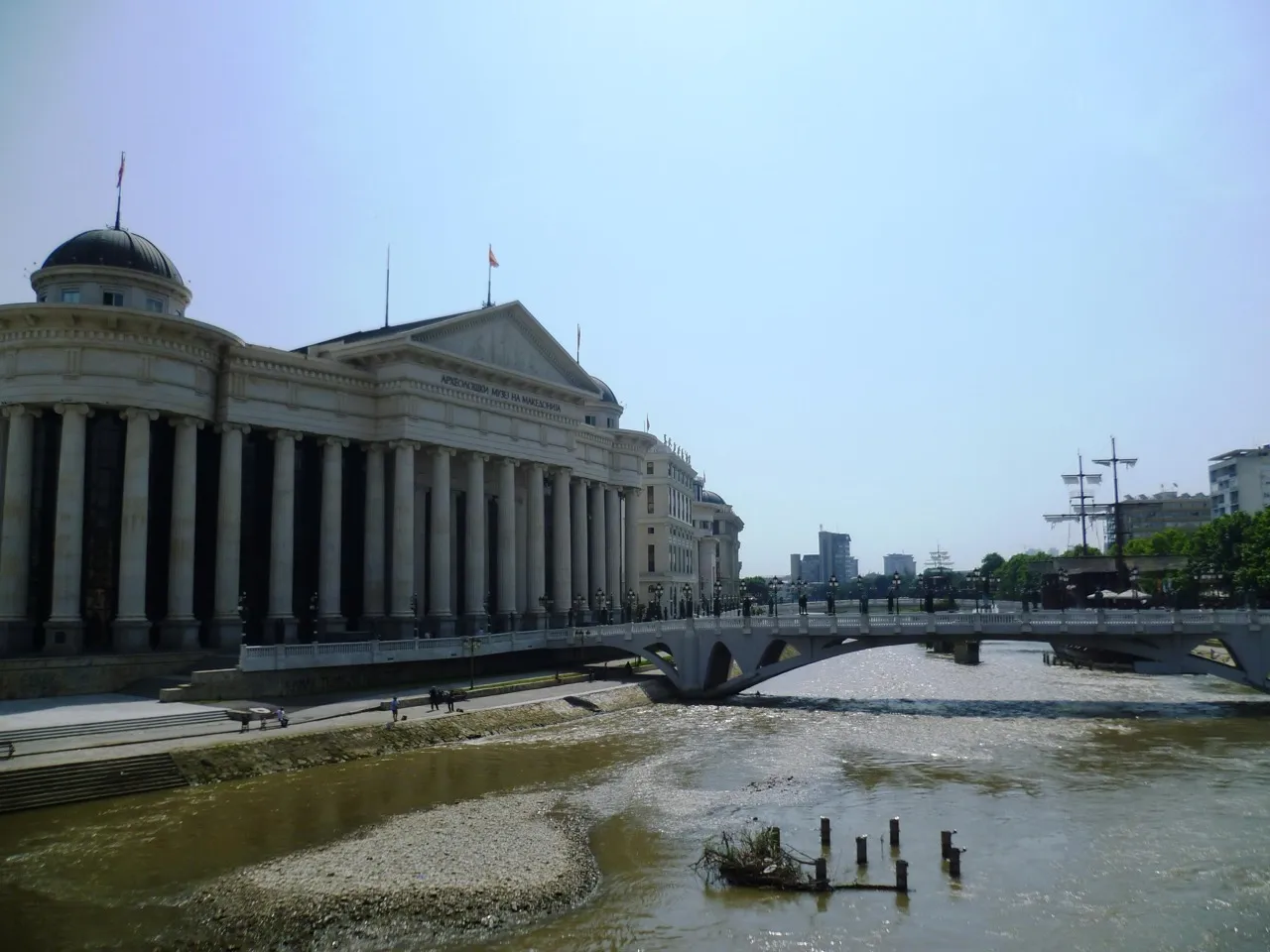
Practical tip: the museum sits directly across the river from the statue zone. Pair it with a morning on Macedonia Square, cross the bridge for lunch in the bazaar, and you’ll have seen both sides of Skopje’s split personality without a taxi.
Mother Teresa Memorial House
Agnes Gonxha Bojaxhiu was born in Skopje in 1910, left as a teenager, and became Mother Teresa - the city’s most famous export and its only Nobel Peace Prize winner. The memorial house on Macedonia Street is a modern chapel-and-museum combo built on the site of the church where she was baptised; it opened to the public in January 2009.
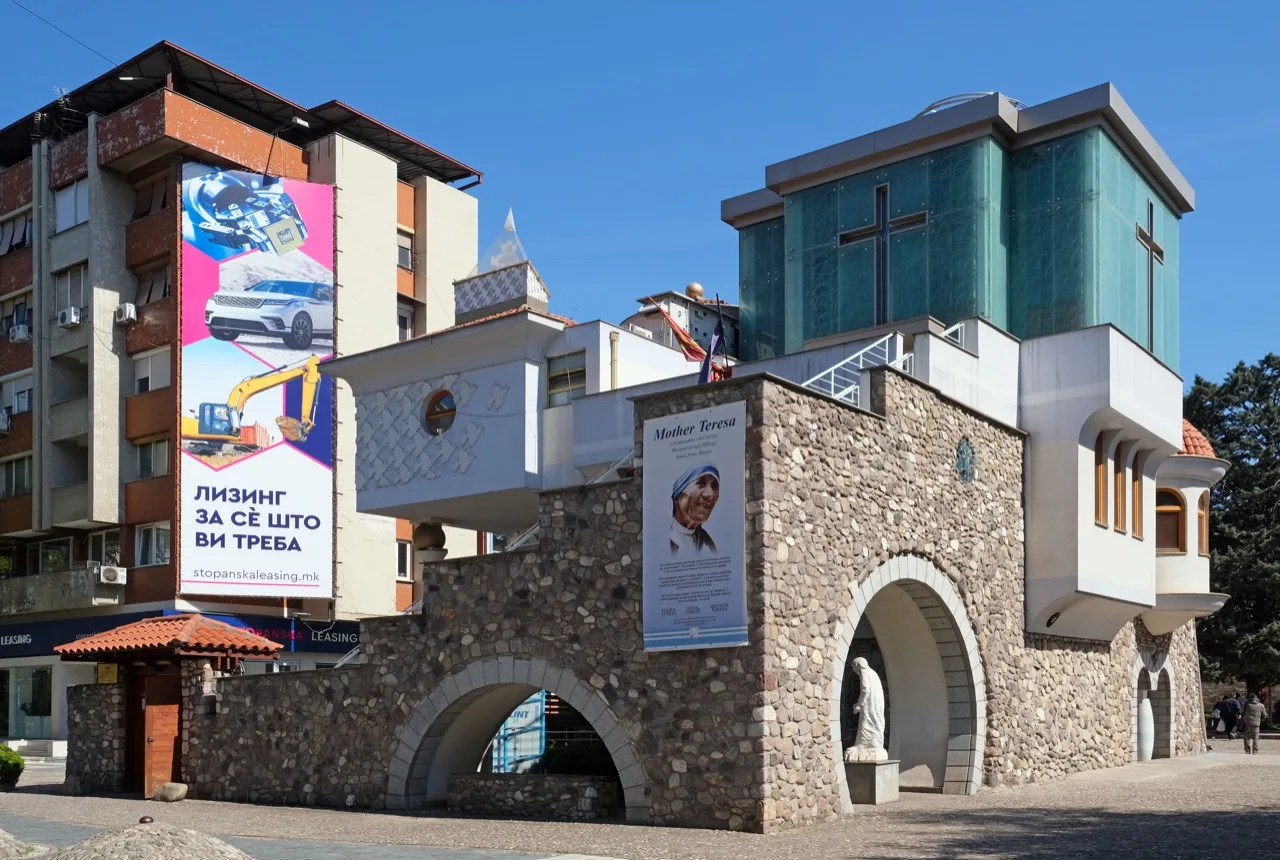
It’s compact - a spiral of photographs, documents and personal objects tracing her childhood in Skopje and her decades of work in Kolkata - and entry is free. The official visitor page lists Tuesday to Sunday, 10:00-18:00, with last admission at 17:45; the house also closes on public holidays. Groups need to book ahead. You’ll spend thirty to forty-five minutes unless you sit in the upstairs chapel, which many visitors do.
The tone is reverent rather than critical - this isn’t the place for debate about her legacy - but as a piece of local history it works. You can see the footprint of her childhood home marked on the pavement outside. If you’re weighing whether Skopje merits a stop at all, our is Skopje worth visiting? guide puts the museums in context with the bazaar and the statue project.
Holocaust Memorial Center for the Jews of Macedonia
This is the museum that stays with you. The center stands in what was Skopje’s Jewish quarter, and the date it commemorates is 11 March 1943, when Bulgarian occupation authorities rounded up and deported virtually the entire Jewish community of what was then Bulgarian-occupied Macedonia. Listings give the address variously as Samoilova, Iljo Vojvoda or 11 Mart - the building sits just behind the Museum of the Macedonian Struggle, which is the landmark to navigate by. The building opened in 2011 as a memorial and teaching space, one of a handful of national Holocaust centers worldwide.
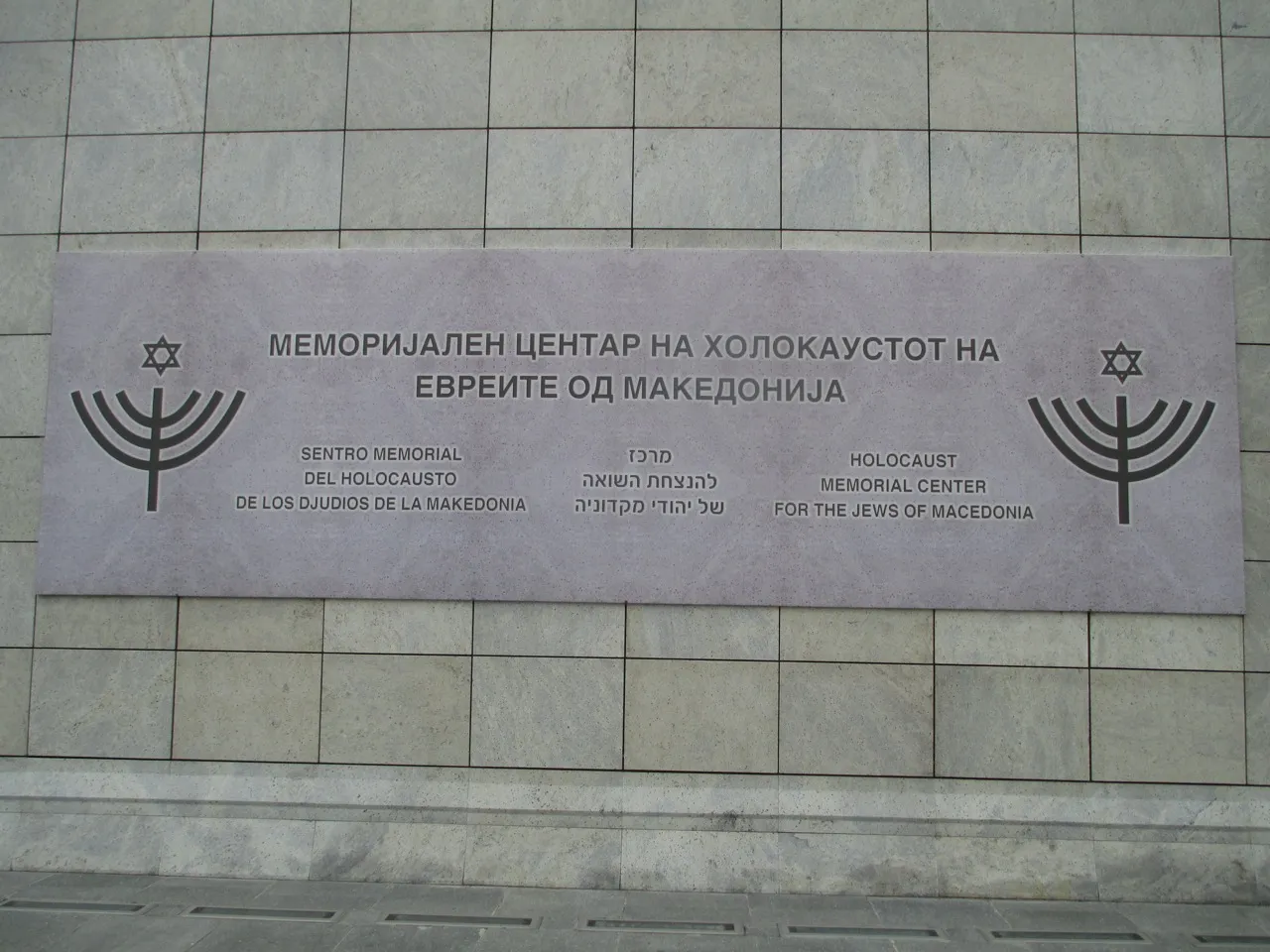
The exhibition walks you through centuries of Jewish life in the Balkans - Ladino, synagogue silver, family photographs - before the war years close in. It’s sober, well designed, and aimed partly at Macedonian school groups who may never have met a Jewish neighbour. Foreign adults pay 100 MKD; students and children 50 MKD.
Hours (checked August 2026): closed Monday; Tuesday-Friday 09:00-19:00; Saturday-Sunday 09:00-15:00. The center opens earlier and closes later than the state museums on weekdays, which makes it a good first or last stop. Double-check at holocaustfund.org.mk before you travel.
Allow at least an hour. Photography rules vary by gallery - ask at the desk.
Museum of the Macedonian Struggle
Facing the river near the Holocaust center, the Museum of the Macedonian Struggle is the nationalist counterweight to the archaeological collection - thirteen rooms of documents, weapons, wax figures and dioramas covering the nineteenth and twentieth-century fight for Macedonian statehood, from Ottoman rule through the Ilinden Uprising to independence in 1991. The neo-Baroque building with the round dome is itself part of the Skopje 2014 streetscape.
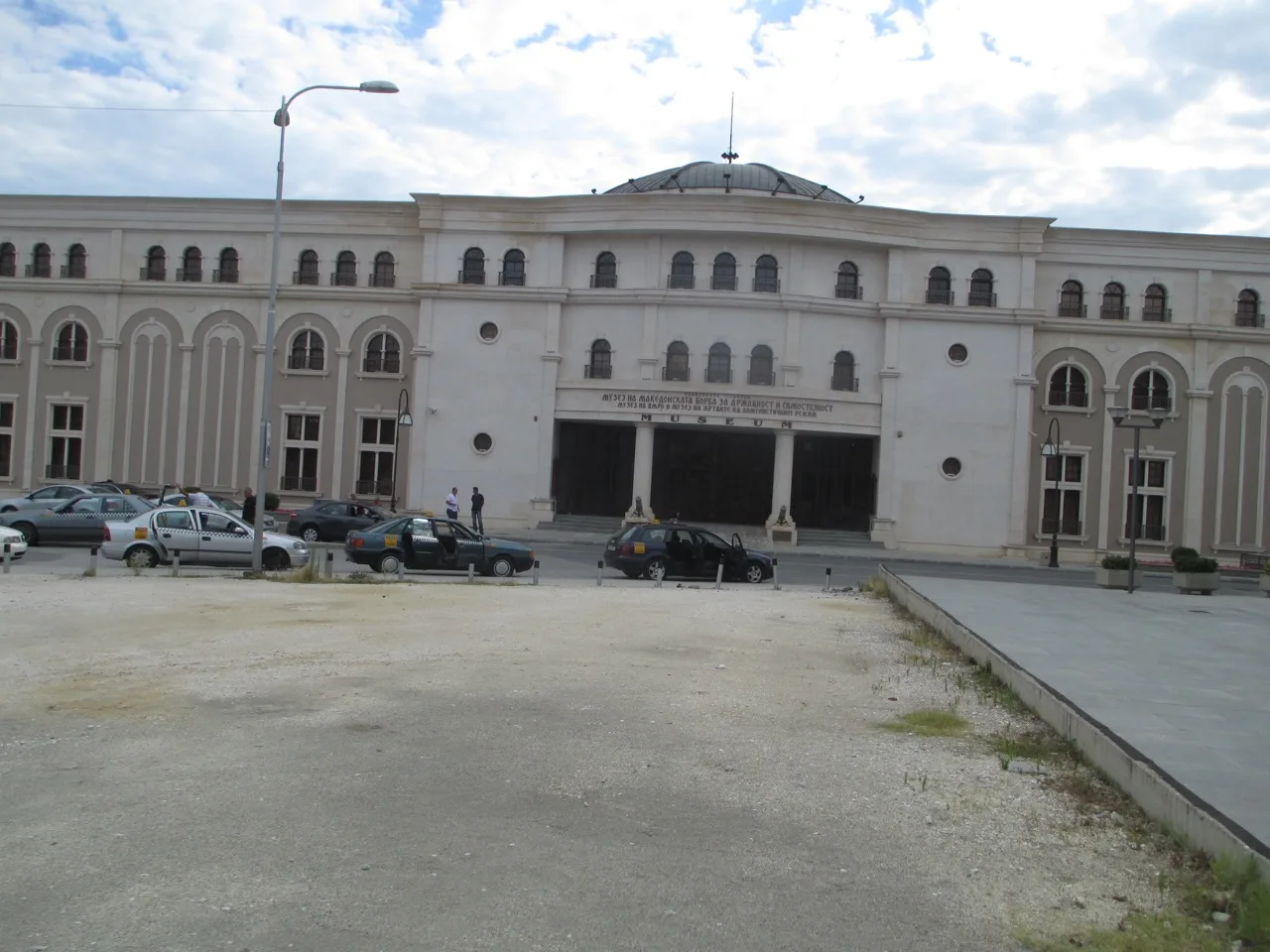
It’s more propaganda than neutral history - expect a clear national narrative - but to understand why the city’s statues look the way they do, this is where the story clicks. Foreign tickets cost 300 MKD, and a professional guided tour is included in the price. The official site lists Tuesday-Sunday, 10:00-18:00, with last entry to the galleries at 17:15. Like the archaeological museum, it offers free admission on the first Saturday of each month for individual visitors.
An audio guide in English is available free on the izi.travel app if you’d rather wander solo. Most people spend sixty to ninety minutes.
A walkable half-day circuit
Here’s a route that works without a map. Start at Macedonia Square (Warrior on a Horse, Porta Macedonia - all the Skopje 2014 greatest hits). Walk five minutes to the Mother Teresa Memorial House while it’s still quiet. Cross to the north bank - the Stone Bridge or the Bridge of Civilizations, whichever you reach first - and keep going for the Museum of the Macedonian Struggle and, right behind it, the Holocaust Memorial Center - both sit on the same side of the river, two minutes apart. The Archaeological Museum is their neighbour on that bank, then climb into the Old Bazaar for grilled meat and Turkish coffee.
That loop covers the four headline museums plus the city’s two faces - marble south bank, Ottoman north bank - in one afternoon. If you’re building a wider city itinerary, the wider Skopje guide hub ties museums together with Kale, Vodno and Matka.
What about the Museum of Macedonia?
You’ll see references to the Museum of Macedonia in the Old Bazaar - a general ethnography and history collection housed near Sveti Spas church. It’s a worthwhile fifth stop if you have a second museum day, but it overlaps with both the archaeological museum (ancient objects) and the bazaar’s own small galleries in Suli An and Kursumli An. On a tight schedule, prioritise the four museums above.
Practical tips
- Money: prices are in denars (MKD). Cards are usually accepted at ticket desks, but carry cash as backup. At the central parity of about 61.4 MKD to the euro, even the full ticket stack stays cheap by Western European standards.
- Students: ISIC and Euro 26 cards earn reduced rates at the Archaeological Museum and the Macedonian Struggle museum - bring the physical card.
- Tours: if you’d rather not self-guide, a city walking tour often bundles the square, the bazaar and an exterior look at the museum row. You still pay museum tickets separately unless the operator states otherwise.
- Combine wisely: in summer, do indoor museums in the midday heat and save Kale Fortress or the bazaar for morning and evening light.
- Confirm hours: all schedules above were checked 23 August 2026 on official museum sites. Public holidays can close even the free memorial house - verify the day before you go.
Read also
- What else to see in Skopje - museums in the context of the full city
- Skopje Old Bazaar - Ottoman quarter, hammam galleries and the Museum of Macedonia
- Is Skopje worth visiting? - the honest case for the capital
Photos
On the map
The map loads on click - to keep the page lightweight.
The map didn’t load. Check your connection and refresh the page.
Distance
- Ohrid ≈170 km · ~2.5-3 h
- Bitola ≈175 km · ~2.5 h
Read also

What to see · 11 min read
Skopje Brutalist Architecture Walking Guide
Verified · September 3, 2026Walk Skopje's post-1963 concrete: Post Office, GTC, Tange's station and MoCA. Dates and architects from named sources.

What to see · 9 min read
Plaošnik & St Clement's: Ohrid's Sacred Hill
Updated · August 25, 2026Plaošnik in Ohrid: St Clement's church, early Christian mosaics and Slavic literacy's cradle - what to see, the walk up and looping Kaneo.

What to see · 12 min read
Bigorski Monastery: The Carved Wonder of Western Macedonia
Updated · August 4, 2026Sveti Jovan Bigorski: the walnut iconostasis with 500+ carved figures, what the 2009 fire took, and how to get there from Skopje or Ohrid.

What to see · 10 min read
Kuklica Stone Town: North Macedonia's Petrified Wedding
Updated · July 23, 2026Kuklica stone dolls near Kratovo: how the pillars formed, the wedding legend, how to get there and the entry-fee dispute you should know about.