
Macedonian Wine: A Guide to Grapes and Regions
A guide to Macedonian wine: Vranec, Temjanika and Stanušina grapes, the three wine regions, how to read a label and what a bottle costs.
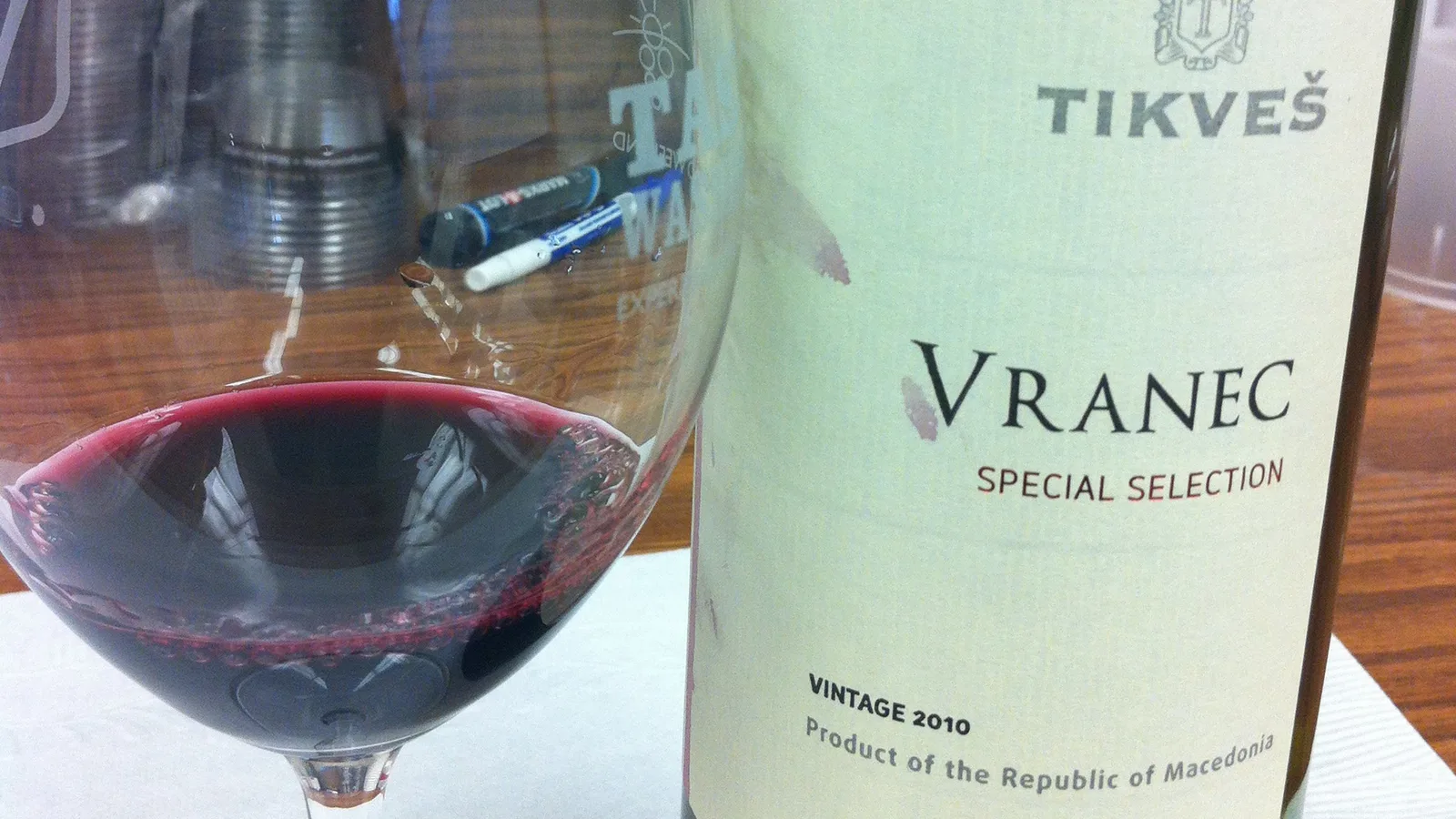
Macedonian wine is some of the best value in Europe, made by a country hardly anyone outside the Balkans has on their wine map: it quietly grows more Vranec than anywhere on earth and sells a genuinely good bottle for under €10. This guide is about the wine itself - the grapes to know, the three regions, how to read a label, and what to actually buy - so you can order and shop with confidence. If you want to go and taste at the source instead, our companion guide covers the Tikveš wineries and how to visit them.
Why you have never heard of it
The strange thing about Macedonian wine is that the country is a genuine heavyweight that stayed invisible. In the 1980s, as part of Yugoslavia, Macedonia made roughly two-thirds of the entire federation’s wine - but almost all of it left in bulk, in tankers, to be bottled and blended elsewhere under other names. The country grew the grapes and someone else took the credit.
When Yugoslavia broke up, that export machine seized: production crashed from around 1.8 million hectolitres in the mid-1990s to under 450,000 by 2002. What has happened since is the interesting part. The big cellars started bottling under their own labels, a wave of small estates appeared, and the focus swung from quantity to quality. The upshot for a visitor is a rare combination: real winemaking history, modern bottles, and prices that haven’t caught up with the quality. The industry’s anchor, Tikveš Winery, has been going since 1885.
The grapes to know
Get four or five names straight and you can read almost any Macedonian wine list.
Vranec is the one that matters. It’s the national red and the country’s calling card, and North Macedonia has the largest planted area of it in the world. Expect something dark and full-bodied, all blackberry and dark cherry, firm and a little rustic when young and rounder with a few years of age. It’s the house red in every kafana and the natural partner for grilled meat. Around 80 percent of the wine made here’s red, and a lot of that red is Vranec.
Kratošija is the fun one to drop into conversation. It is an old Balkan variety that turns out to be genetically the same grape as Zinfandel and Primitivo (Tribidrag, if you want the original name) - so the juicy, brambly red the Americans and Italians made famous has been growing here quietly all along.
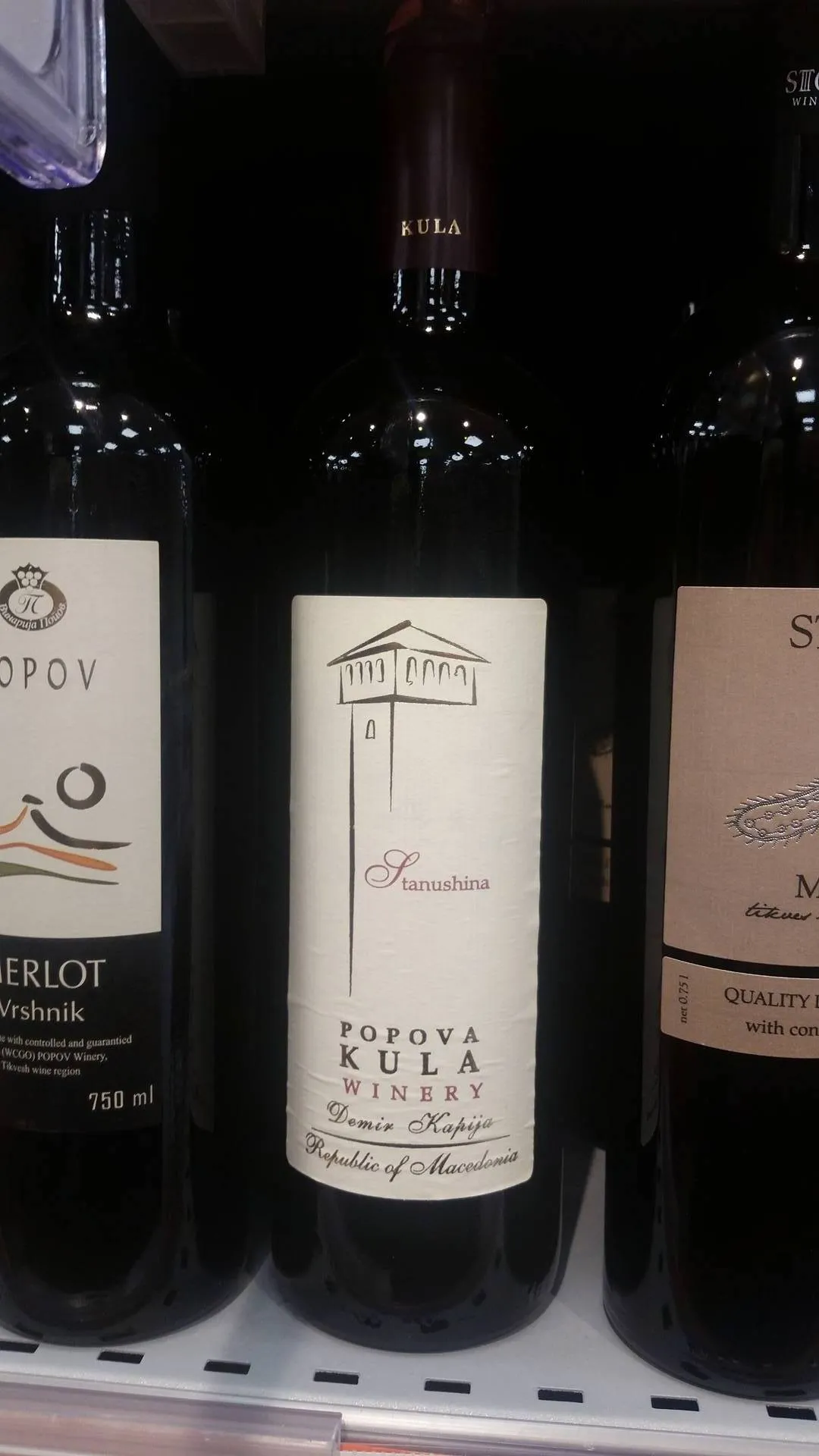
Stanušina is the rarity worth seeking out. It is the only grape truly native to North Macedonia, it nearly died out (there are only a few hundred hectares of it left), and it makes pale, gentle reds and easy rosés grown almost entirely in Tikveš. The winery that did the most to save it is Popova Kula, so that’s the label to look for if you want to taste something you can’t get anywhere else on earth.
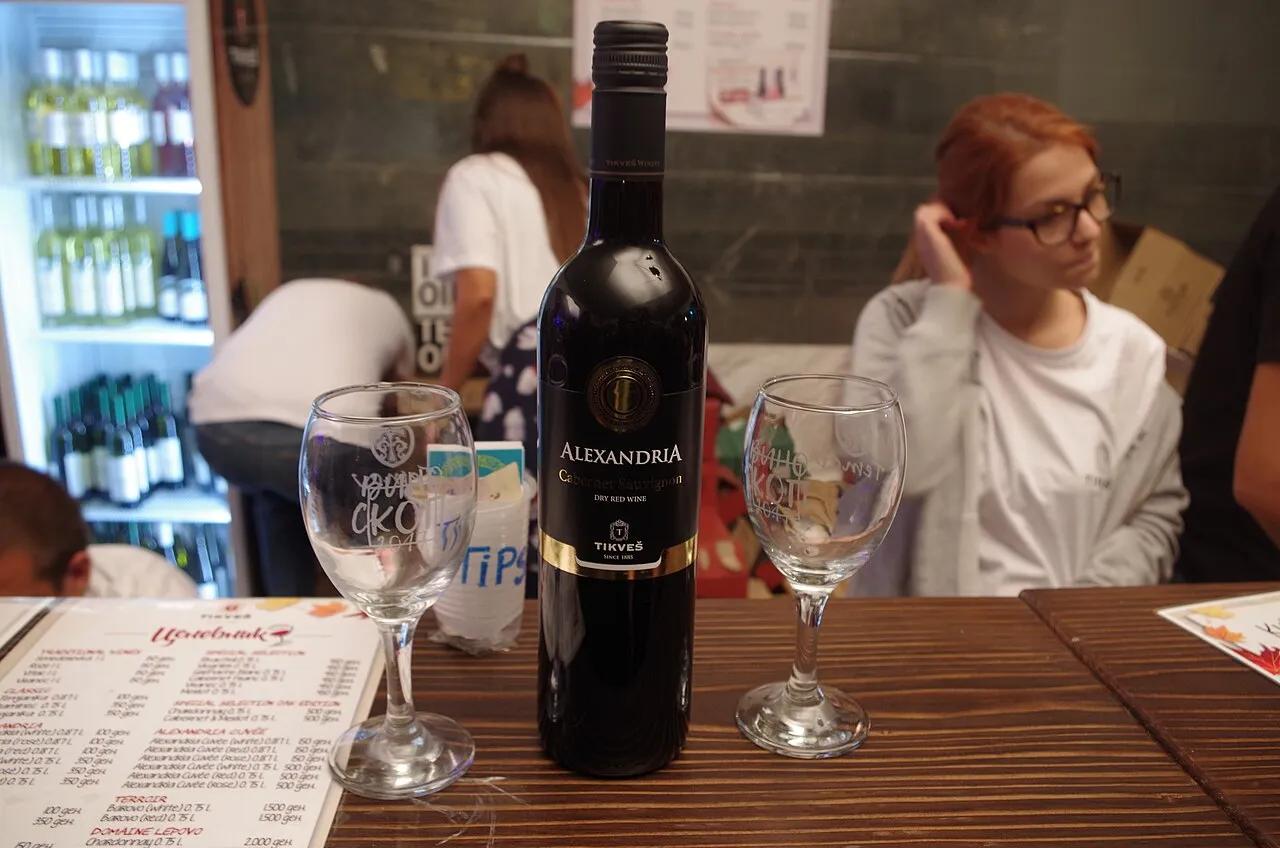
For whites, the star is Temjanika, which is the local name for Muscat Blanc à Petits Grains. Don’t let “Muscat” fool you into expecting something sweet - here it’s made bone dry, floral and grapey on the nose but crisp in the mouth, and it is a lovely match for lake fish. The everyday white is Smederevka, fresh and neutral, and you’ll also see Žilavka, plus the usual international suspects (Chardonnay, Sauvignon Blanc). Reds also include plenty of Cabernet, Merlot and Syrah, often blended with Vranec to soften it.
The three regions
On paper the country splits into three wine regions, but in practice one of them does most of the work.
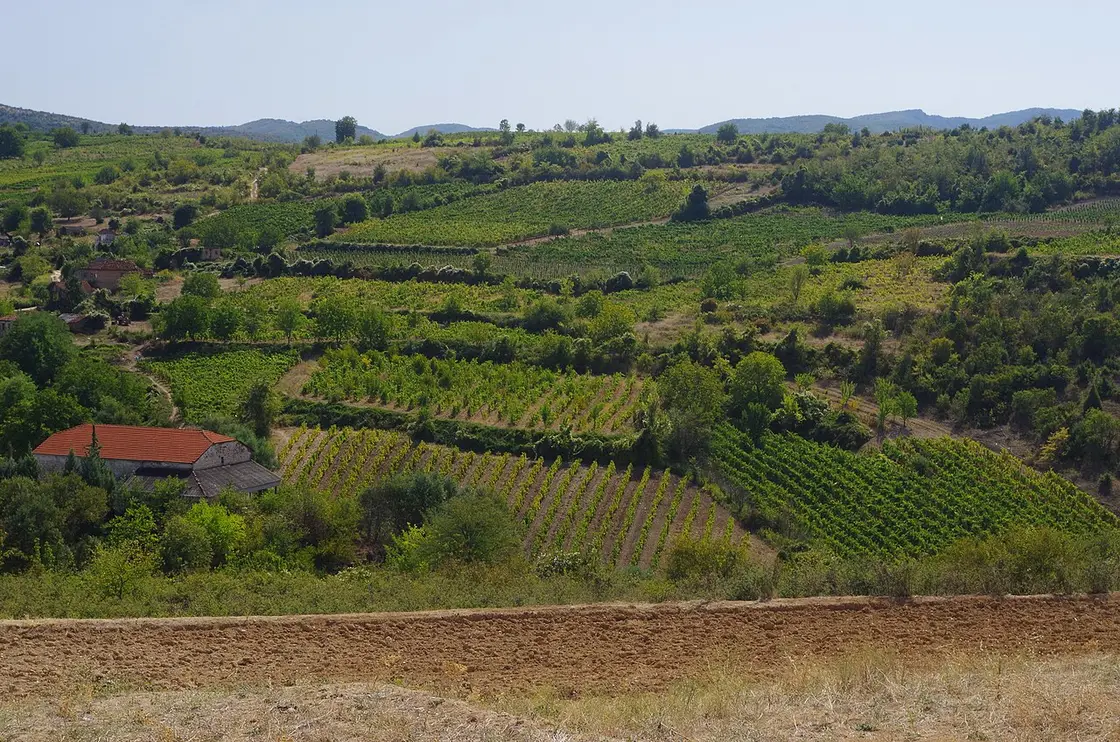
Povardarie, the central Vardar valley around Negotino and Kavadarci, is the giant. It contains the famous Tikveš district, it’s hot and dry and made for red grapes, and it holds something like four in five of the country’s wineries. If a bottle doesn’t say where it is from, it is almost certainly from here. Pelagonija-Polog, in the southwest, is the cooler, higher country stretching from Bitola and Prilep toward the Ohrid and Tetovo areas - a smaller scene, but altitude gives its wines a bit more freshness. Pčinja-Osogovo, off to the east near the Bulgarian border, is the smallest and the one you’ll meet least.
The practical takeaway: when you see Tikveš or Povardarie on a label, you’re looking at the mainstream of Macedonian wine, and that’s no bad thing.
How to read a label, and what to pay
Macedonian labels are easy once you know the code. You’re looking for the grape, the region (Tikveš or Povardarie most often), the vintage, and a line reading “wine with controlled origin” - the local appellation mark, sometimes “controlled and guaranteed origin” for the better bottles. At the top end, the names to know are the single-vineyard Tikveš reds Bela Voda and Barovo, which are the country’s benchmark wines.
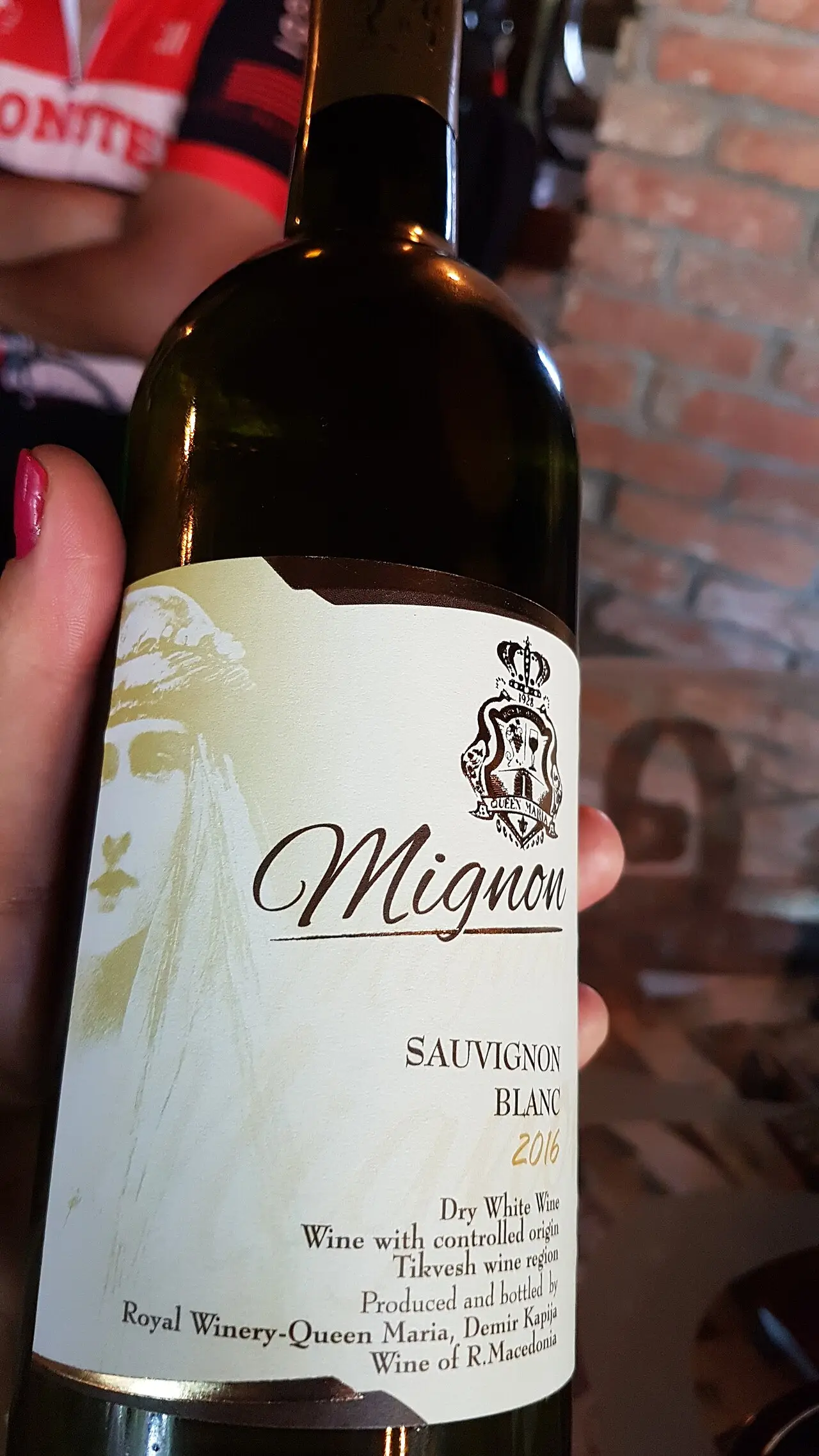
Now the good news: the prices are almost silly. An everyday supermarket bottle runs a few euro, a genuinely good one rarely troubles €10, and even the flagship single-vineyard reds top out somewhere around €15 to €30 - the kind of money a mediocre bottle costs in a Western restaurant. In villages and market halls you’ll also find nalievno wine, the local bulk stuff sold from the barrel by the litre into whatever bottle you bring; it’s cheap and cheerful and a fine way to drink like a local, if a lottery on quality. Prices move, so treat these as a guide and check in the shop. For where wine sits in the wider cost of a trip, see North Macedonia trip cost.
What to drink with what
The pairings write themselves once you have the grapes down. Vranec wants grilled meat: order it with kebapi, a mixed grill or the meat-topped bread pastrmajlija. Temjanika is the one to pour with Ohrid trout and a šopska salad piled with white cheese. A chilled Stanušina rosé is the easy summer drink on a lake terrace. For the food side of all this - the dishes, the kafana ritual and the spirits like rakija and mastika - see our guides to what to eat in North Macedonia and how the Macedonian table works.
Where to taste it
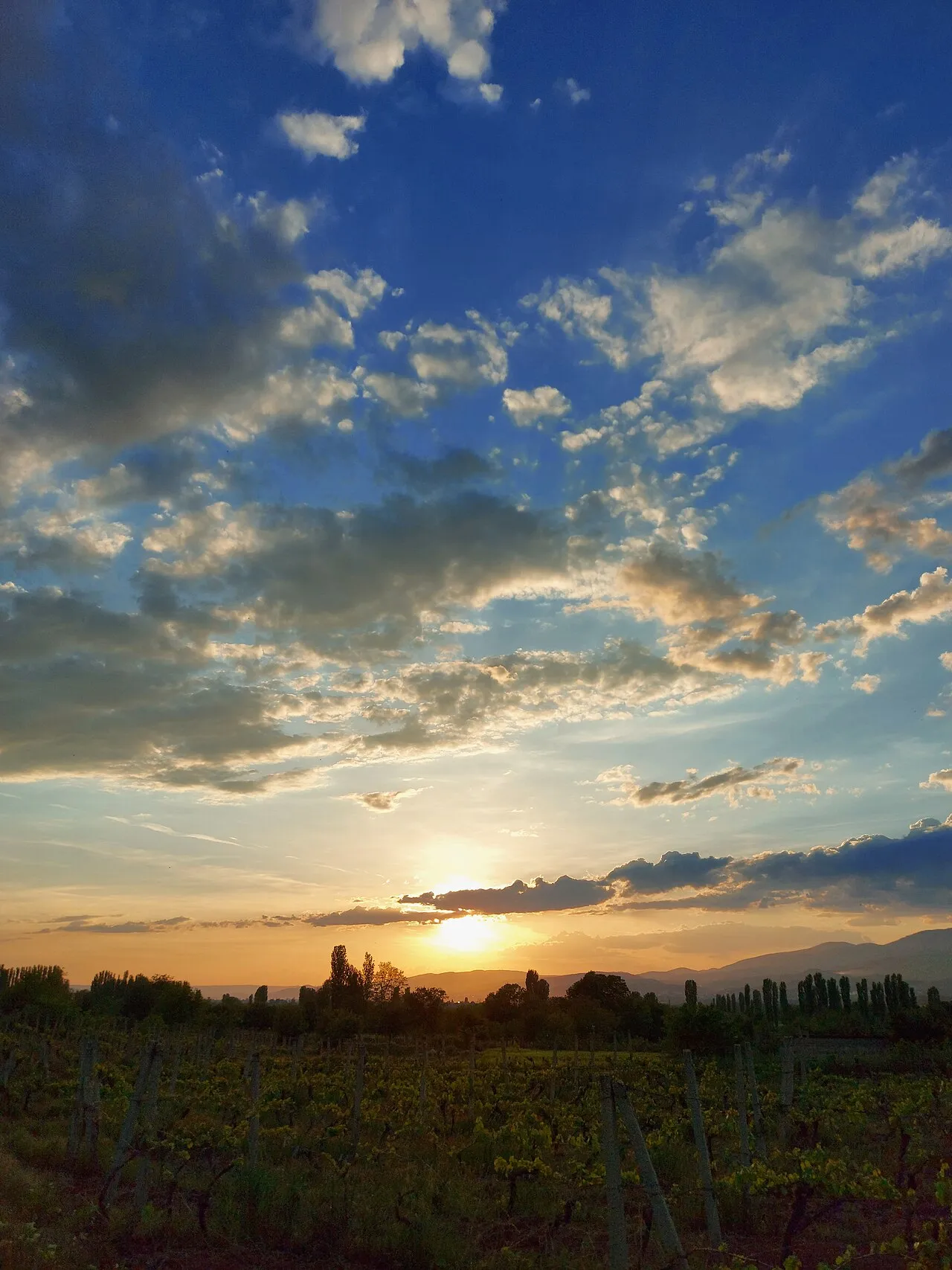
You do not have to leave Skopje to start: the wine bar in our where to eat in Skopje directory pours the whole country by the glass and will steer you through the unfamiliar grapes. But the real experience is down in the vineyards, and it’s close - about an hour south of the capital. For which wineries welcome visitors, what a tasting costs and how to get there, read our guide to the Tikveš wine region and its tours. Either way, do the one thing worth doing: try a Vranec, try a Temjanika, and bring a bottle of Stanušina home, because you’ll not find it anywhere else.
See also
- Tikveš wine region: wineries and tasting tours - how to visit and what it costs
- Tikves Grozdober: Kavadarci’s grape harvest festival - early-September carnival and concerts
- What to eat in North Macedonia - the dishes to pair with the wine
- Macedonian food - the kafana, the table and the spirits
- Where to eat in Skopje - the wine bar and the city’s best tables
- North Macedonia trip cost - where wine sits in a trip budget
Read also

Food · 8 min read
Where to Eat in Ohrid: Best Restaurants & Lakeside Dining
Updated · July 13, 2026Where to eat in Ohrid: the best lakeside fish restaurants at Kaneo, traditional kitchens in the old town, the trout to order, and what it costs.

Food · 9 min read
Tikveš Winery & Wine Region: Tours, Tastings, from Skopje
Updated · September 12, 2026Tikveš Winery (founded 1885), Stobi by the Roman ruins, Popova Kula with rooms: which wineries take visitors, what tastings cost, 1-1.5 h from Skopje.

Food · 8 min read
Best Restaurants in Skopje: Old Bazaar, Debar Maalo, Kafanas
Updated · September 12, 2026Where to eat in Skopje by district: kebapi at Destan (grilling since 1913) and burek in the Old Bazaar, kafana dinners with live music in Debar Maalo.

Food · 10 min read
Macedonian Food: A Guide to Eating and Drinking
Updated · July 9, 2026A guide to Macedonian food: the kafana table, meze and grills, Ohrid trout, Tikves wine and rakija, and where to eat well in Skopje.