
Macedonian Food: A Guide to Eating and Drinking
A guide to Macedonian food: the kafana table, meze and grills, Ohrid trout, Tikves wine and rakija, and where to eat well in Skopje.
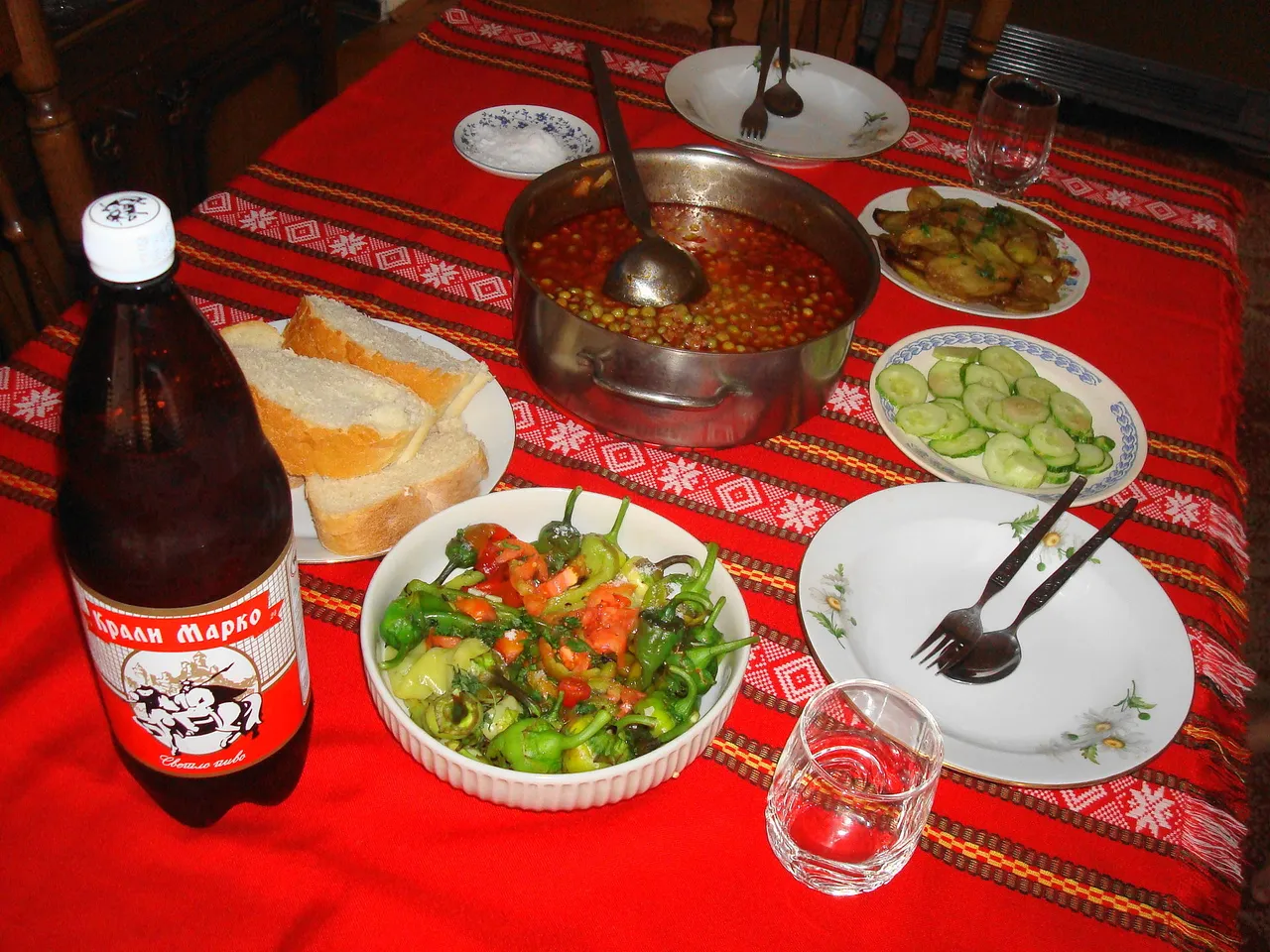
Eating well in North Macedonia has less to do with any single dish than with how the table is run: shared plates set down all at once, a clay pot in the middle, nobody in a hurry, and an evening that stretches for hours. The centre of gravity is the kafana, the family tavern where the home cooking actually lives, and once you learn to order the way locals do - slowly, sociably, meze first - the food doubles in value. This is the orientation guide to that table: how a Macedonian meal is built, where to sit down for the real thing city by city, how to shop a green market, and what a day of eating costs. For the dish-by-dish rundown of exactly what to order - tavče gravče, ajvar, pastrmajlija, the lot - see our companion guide to what to eat in North Macedonia.
What Macedonian food actually is
It sits at a Balkan crossroads, so the table shares a lot with Serbia, Bulgaria, Greece and Albania, then adds a few things that are properly its own. The national dish is tavče gravče, white beans baked with red paprika and served bubbling in a shallow clay pot; the everyday relish is ajvar, smoky roasted red pepper blended to a spread and jarred by the family-load every autumn. Around those you get the shared-Balkan cast: kebapi (small grilled minced-meat rolls), šopska salad piled high with grated white cheese, burek pastry by weight from the bakery, and, down on Lake Ohrid, the celebrated Ohrid trout.
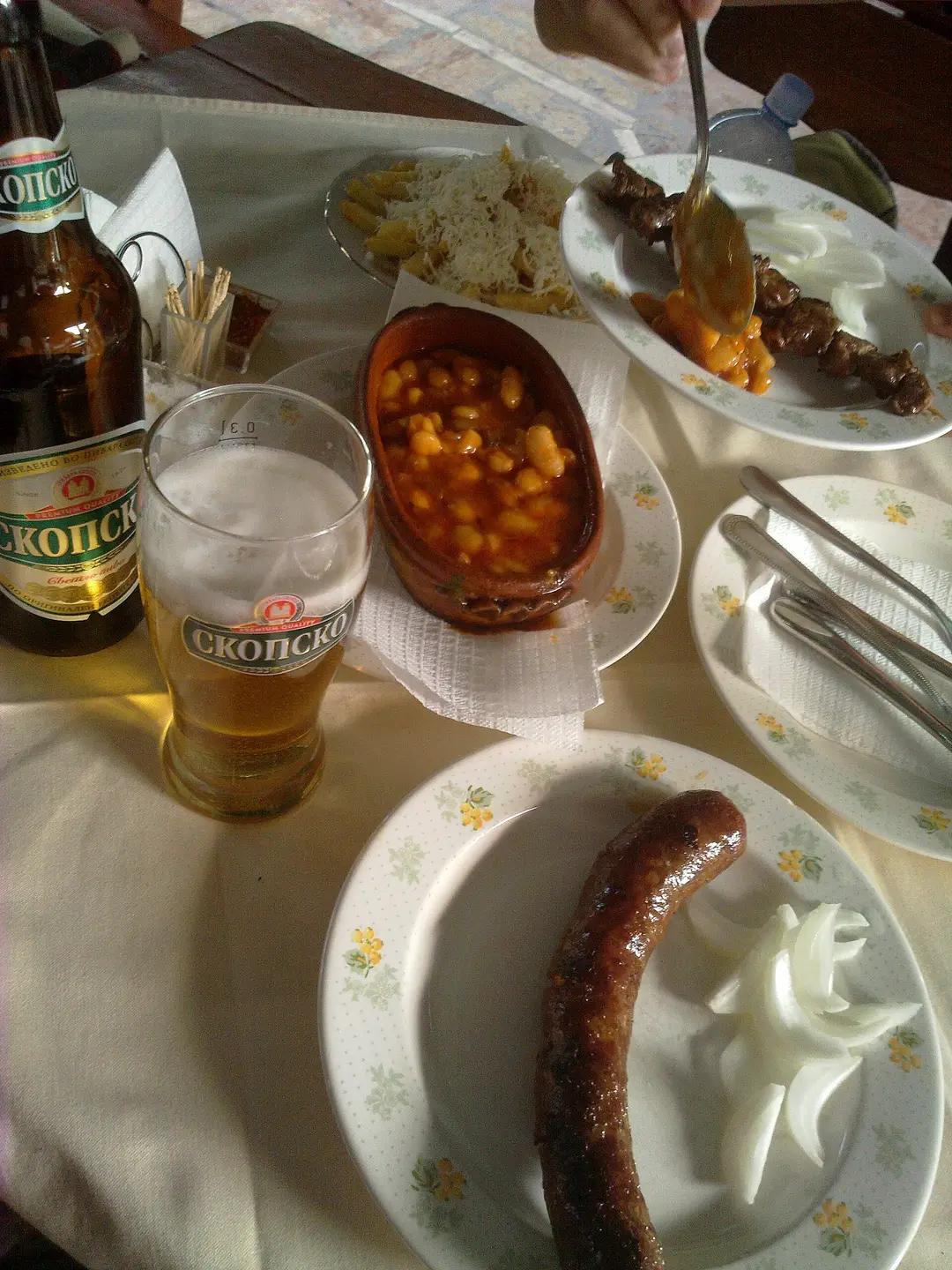
I’ll not re-explain each of those here, because the what to eat guide does it in full, including pastrmajlija, the pastries and the one fish to order carefully. The point worth holding on to is that this is honest, filling, low-fuss food. Nobody is plating micro-portions; a kafana dinner is meant to leave you happy and slightly overfed.
How a meal works
Order the way locals do and the food is twice as good. Start with meze - a spread of small plates to share while you settle in: white cheese, ajvar, a šopska salad, cured sausage, maybe grilled peppers or a dip of roasted aubergine. This is the social part of the meal, and it can happily run for an hour over a first drink. The mains come when they come; there’s no rush, and rushing is faintly rude.
The kafana itself is the institution to understand. It’s not quite a restaurant and not quite a bar: a family-run tavern, often a little worn and low-lit, where you take a table for the whole evening rather than a slot for a meal. Many fill on Friday and Saturday nights with live starogradska or čalgija music - the old urban songs, played on accordion and clarinet - and the room hums along between courses. The unspoken deal is that you’re buying the night, not the plate: nobody brings the bill unasked or turns the table, and the pleasure is in the slow drift of it. Come hungry, come early enough to get a seat, and plan to leave a good deal later than you meant to.
The grill (skara) is the reliable heart of dinner - kebapi and a pljeskavica patty arrive with raw onion, a scoop of ajvar and flatbread - and alongside it you’ll see home-style oven and pot dishes: tavče gravče, stuffed peppers, sarma, a turli tava vegetable-and-meat bake. A few practical habits smooth the whole thing:
- Carry denar cash. City restaurants take cards, but the bazaar grill, village kafanas and market stalls are cash-first.
- Tipping is casual: round up or leave about 10 percent for good service, no more.
- Breakfast isn’t a big meal out. Grab burek and a drinkable yoghurt from a pekara (bakery) for a couple of euro and move on.
- Book a kafana for weekend dinner, especially if there’s live music - the good ones fill.
Where to eat it: Skopje, Ohrid and Bitola
The capital is where most visitors do their eating, and it splits into two hunting grounds. The Old Bazaar (Stara Čaršija) on the north bank of the Vardar is the place for cheap, fast, authentic food - grilled kebapi, burek, Turkish coffee, all eaten under the open sky of the old Ottoman quarter. Across the river and a little west, leafy Debar Maalo is the kafana district, a grid of streets packed with taverns doing meze, grill and house rakija long into the evening. Both are mapped in our guide to things to do in Skopje. You’ll want an evening in each if you’ve got the nights.
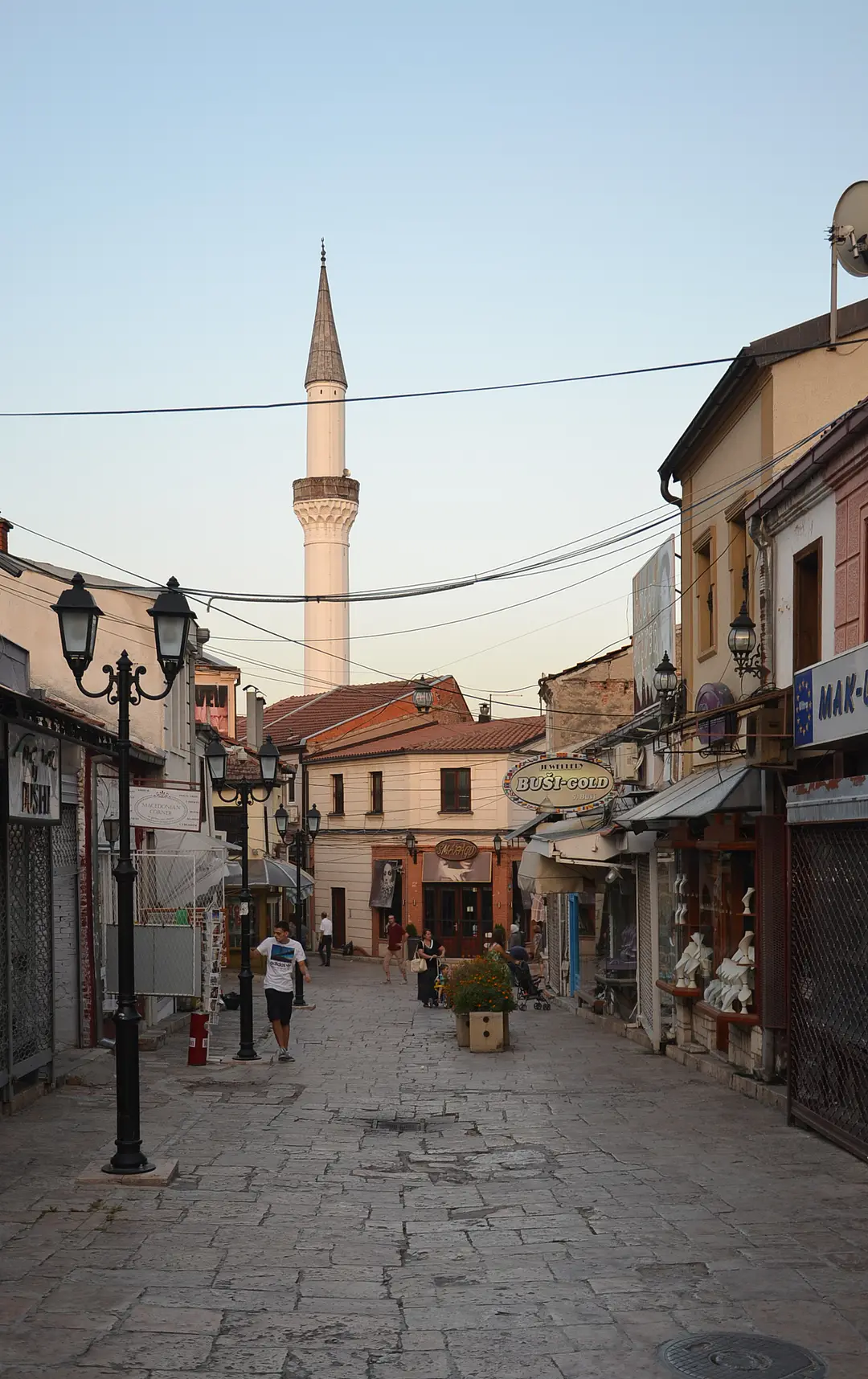
For a shortlist of specific places, three names cover the registers you actually want: Destan in the Old Bazaar for the classic kebapi grill (going since 1913), Skopski Merak in Debar Maalo for the sit-down kafana with a live band, and Vinoteka Temov back in the bazaar for wine. Bazaar grill, kafana, wine bar: between them you’ve a full day of eating without leaving the two neighbourhoods. For the full area-by-area rundown - who does what and what it costs - see our guide to where to eat in Skopje.
Beyond the capital, two more towns are worth planning a meal around. In Ohrid, the eating turns to the lake: the run of fish terraces below the old town and around Kaneo serves trout, carp and small fried plašica with the water at your feet, while the old-town konaks up the hill set a quieter, more traditional table - always ask whether the trout is farmed before you order it. Bitola, the elegant southern city, is all café culture: Širok Sokak, its long pedestrian promenade, is lined with coffee houses where locals nurse a single espresso for a whole afternoon, and the old čaršija behind it hides cheap grill houses and bakeries. Between a Skopje bazaar lunch, an Ohrid fish supper and a Bitola coffee crawl you’ve the country’s three eating moods in a single trip.
Eat by region
Macedonian food has a geography, and it’s worth eating to the map:
- Lake Ohrid (southwest): the menu turns to the water. Try Ohrid trout - but ask for farmed, because the wild endemic species is endangered and protected - plus carp and small fried lake fish at a simple place by the shore. See things to do in Ohrid and the Lake Ohrid guide for where the good kitchens hide.
- The east (Štip, Veles, Sveti Nikole): the home of pastrmajlija, the oval meat-topped bread, best eaten hot from the oven in its heartland, where Štip holds an annual festival for it.
- Strumica (southeast): pepper country. This is where the best ajvar peppers grow, and the region is tied to mastika, the strong anise spirit counted among the national drinks.
- The Vardar valley (Tikveš): the wine country, which gets its own section below.
Markets and edible souvenirs
To understand the food, spend twenty minutes in a green market (zelen pazar) - Skopje, Bitola and Ohrid all have busy ones. This is where the ajvar peppers, white cheese, honey, dried beans and strings of drying chillies are sold, and it’s the best place to buy edible souvenirs: a jar of homemade ajvar, a wedge of sirenje, a bag of dried peppers.
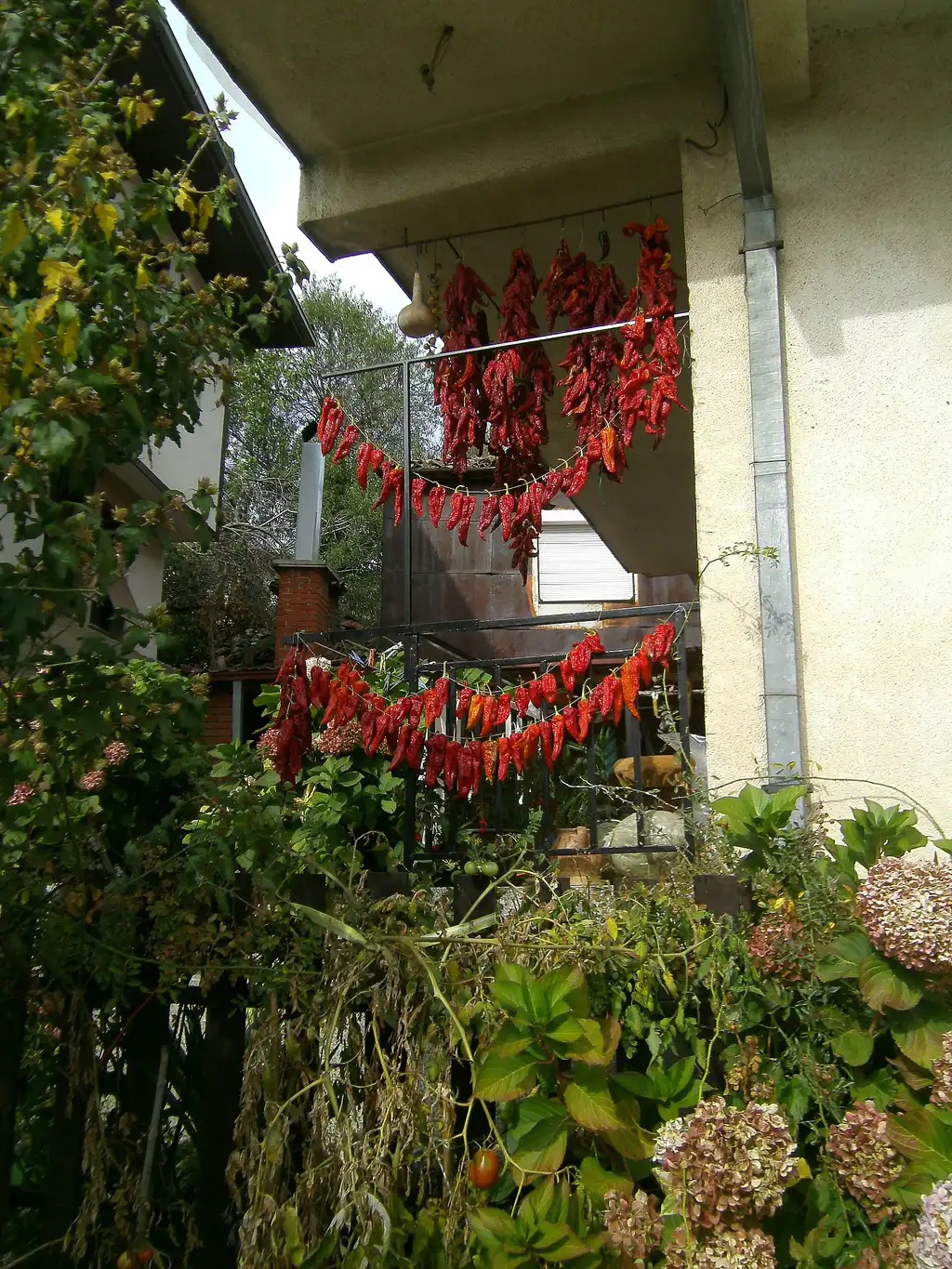
Shopping one is easy once you know the rhythm. Go in the morning, when the produce is freshest and the cheese counters are still full, and bring small denar notes - stalls don’t take cards and rarely have change for big bills. Prices are by the kilo and generally fixed rather than haggled, though a friendly vendor will let you taste the cheese and the honey before you commit. The things worth carrying home are the jarred ones: a jar of homemade ajvar, a tub of thick sirenje, a bag of dried peppers or mountain tea. A sealed jar of ajvar travels fine in checked luggage and is the most portable souvenir you can bring back. If you want the full story of how that ajvar is made each autumn - the zimnica weekends when families roast, peel and jar peppers by the sackful - the what to eat guide goes into it.
What to drink
Drink the wine. North Macedonia is a serious, absurdly cheap wine country, and the everyday house red - the dark, meaty Vranec - is exactly what the grilled food wants. There’s rakija to sip, an anise spirit called mastika, and a cold Skopsko lager for the heat, but the wine is the thing to chase.
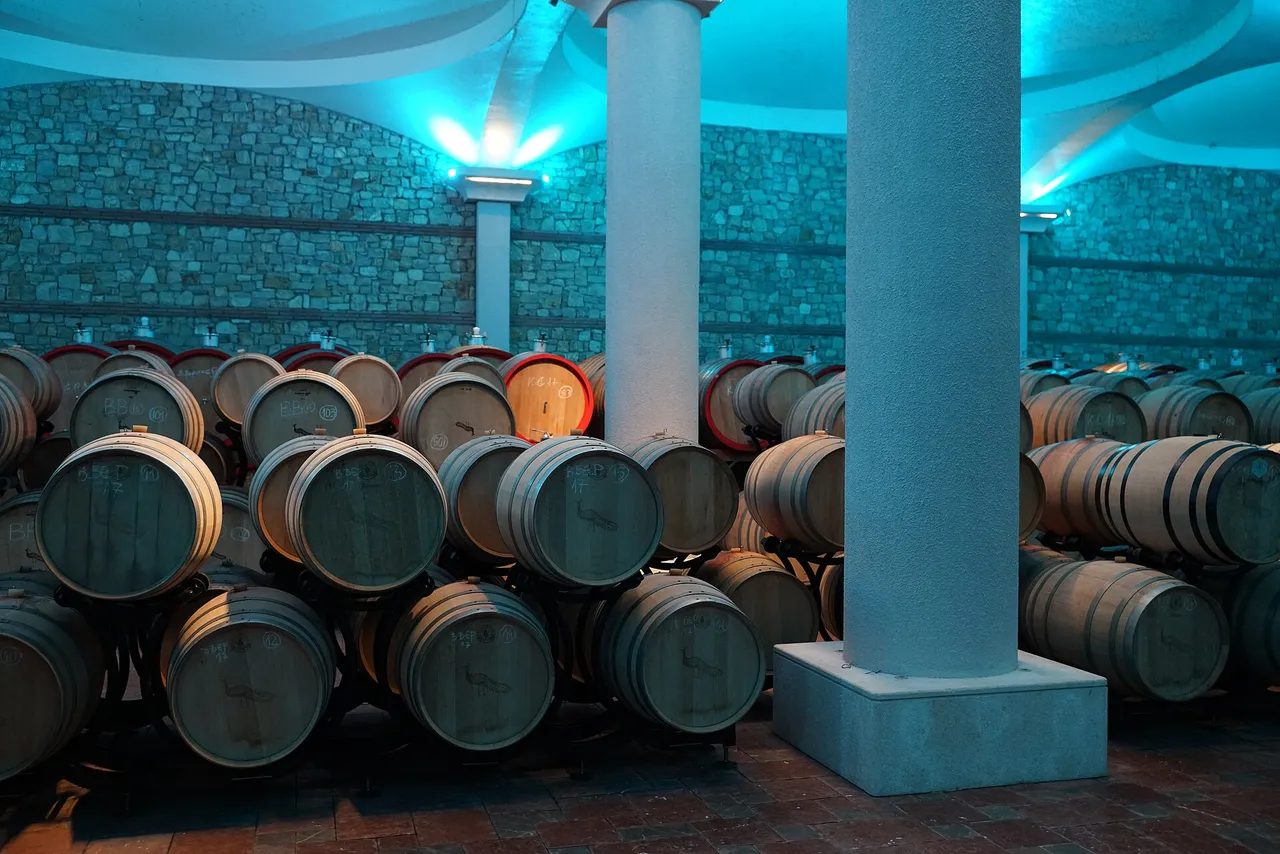
The easiest way to get your bearings is a tasting at a Skopje wine bar like Vinoteka Temov, or a day out among the Tikveš vineyards themselves. For the grapes, the three regions and how to read a label, see our Macedonian wine guide; for which wineries welcome visitors and what a tasting costs, our Tikveš wine region guide has the details.
What it costs, and how to do it well
Eating is cheap by Western standards, so use that freedom. A bakery breakfast runs a euro or two; a plate of kebapi in the bazaar is a few euro; a full kafana dinner with wine for two rarely stings. The pattern that works: bakery breakfast, a light bazaar or market lunch, and a long kafana dinner where you spend the evening rather than the money. For the wider trip budget, our North Macedonia trip cost guide puts food in context with rooms and transport, and if you would rather have the tastings and Skopje food walks organised for you, a guided food or wine tour can do the driving.
Do the one thing that matters with the specialties - ask whether the Ohrid trout is farmed before you order it - and let the rest unfold slowly. The best meals here are the ones nobody hurried.
See also
- What to eat in North Macedonia - the full dish-by-dish guide
- Where to eat in Skopje - Destan, Skopski Merak, Vinoteka Temov and more
- Things to do in Skopje - the Old Bazaar and Debar Maalo
- Things to do in Ohrid - where to eat lake trout
- Lake Ohrid - the lake and its fish
- North Macedonia trip cost - what a trip costs
Read also

Food · 8 min read
Where to Eat in Ohrid: Best Restaurants & Lakeside Dining
Updated · July 13, 2026Where to eat in Ohrid: the best lakeside fish restaurants at Kaneo, traditional kitchens in the old town, the trout to order, and what it costs.

Food · 8 min read
Macedonian Wine: A Guide to Grapes and Regions
Updated · July 12, 2026A guide to Macedonian wine: Vranec, Temjanika and Stanušina grapes, the three wine regions, how to read a label and what a bottle costs.

Food · 9 min read
Tikveš Winery & Wine Region: Tours, Tastings, from Skopje
Updated · September 12, 2026Tikveš Winery (founded 1885), Stobi by the Roman ruins, Popova Kula with rooms: which wineries take visitors, what tastings cost, 1-1.5 h from Skopje.

Food · 8 min read
Best Restaurants in Skopje: Old Bazaar, Debar Maalo, Kafanas
Updated · September 12, 2026Where to eat in Skopje by district: kebapi at Destan (grilling since 1913) and burek in the Old Bazaar, kafana dinners with live music in Debar Maalo.