
Best Restaurants in Skopje: Old Bazaar, Debar Maalo, Kafanas
Where to eat in Skopje by district: kebapi at Destan (grilling since 1913) and burek in the Old Bazaar, kafana dinners with live music in Debar Maalo.
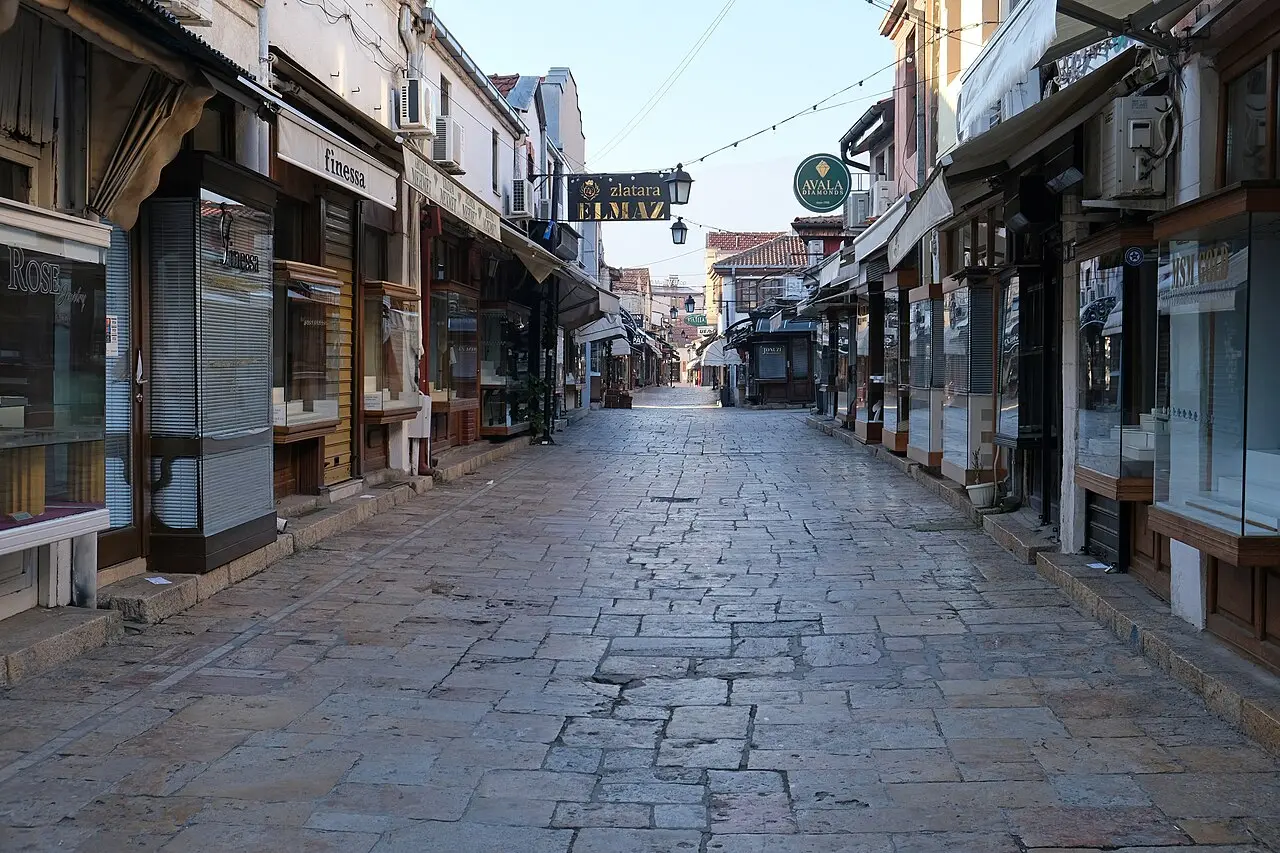
Skopje is an easy city to eat well in, and it comes down to knowing two neighbourhoods. The Old Bazaar is where you go for cheap, fast, authentic food - grilled kebapi, burek by weight, a thimble of Turkish coffee - eaten under the open sky of the old Ottoman quarter. Debar Maalo, across the river and a little west, is the kafana district, where dinner turns into a whole evening of meze, grill and house rakija, often with a live band. Get those two straight and you have the city’s food figured out. This guide runs through where to eat in each, plus the central square, what it costs, and how to do it without wasting a meal.
The Old Bazaar: grills, burek and coffee
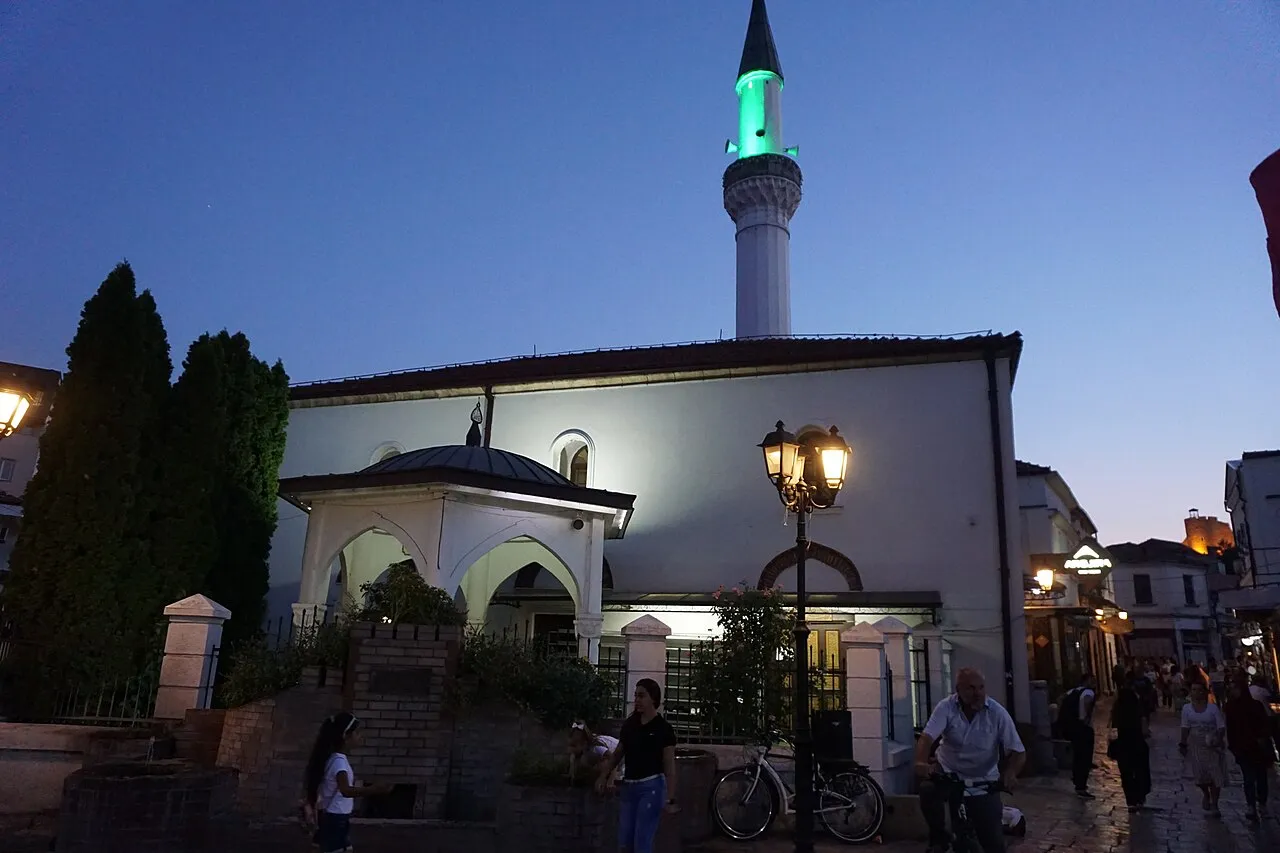
The Stara Čaršija on the north bank of the Vardar is the largest bazaar in the Balkans outside Istanbul, and it is the place for a cheap, brilliant lunch. This is daytime and early-evening territory: come hungry, wander the lanes, and eat where the smoke is. For the monuments in among the grills - the hans, mosques and hammam-galleries - see our Skopje Old Bazaar guide.
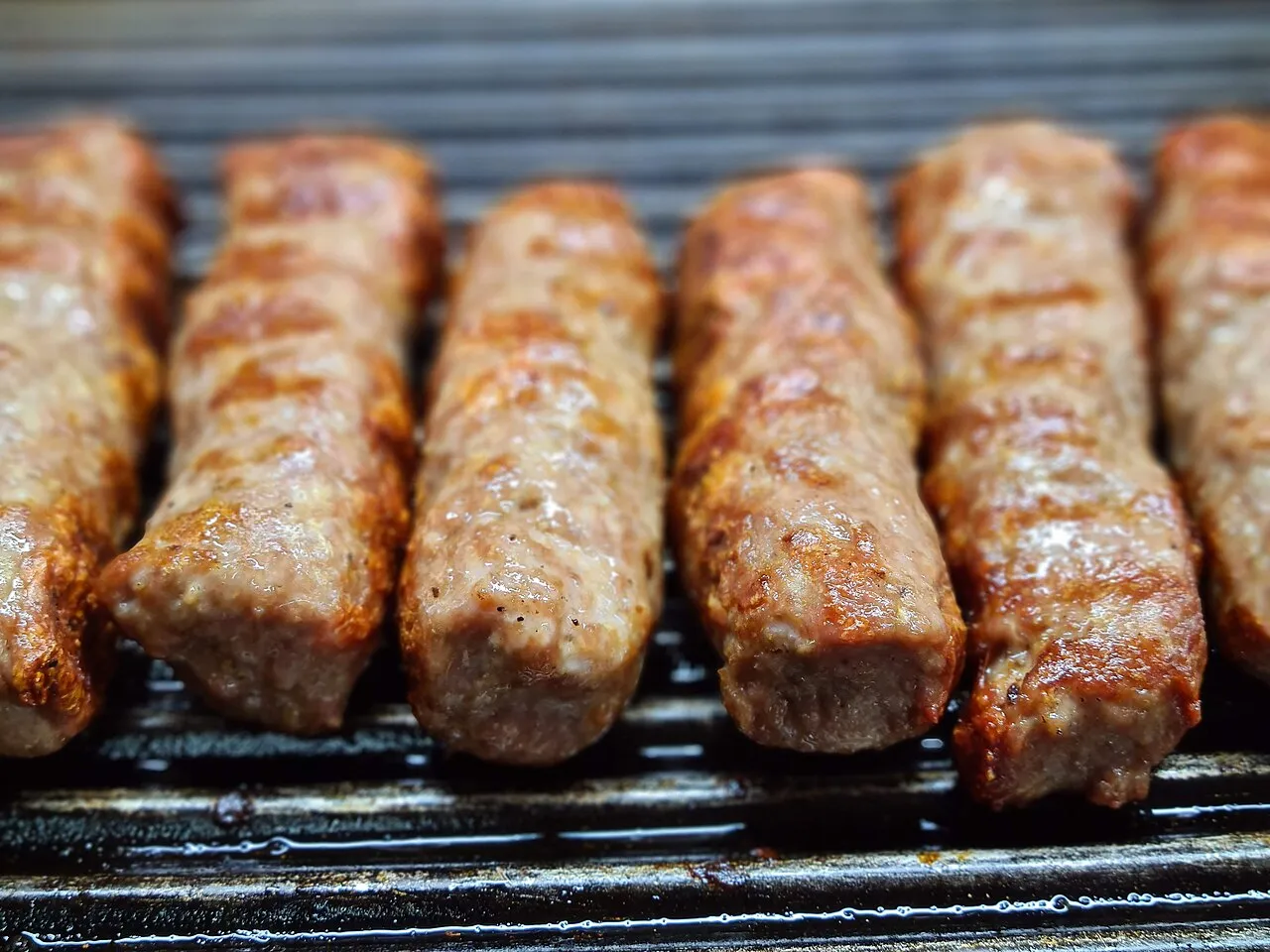
The name to know is Destan, said to be the oldest restaurant in the city and grilling kebapi since 1913. Don’t go looking for a menu: you order kebapi by the portion, they come with chopped onion, a scoop of ajvar and warm bread, and the meat is on the grill more or less constantly, so you rarely wait. It’s about as cheap as a good meal gets. There are a couple of Destan branches around town, but the bazaar original is the one to find.
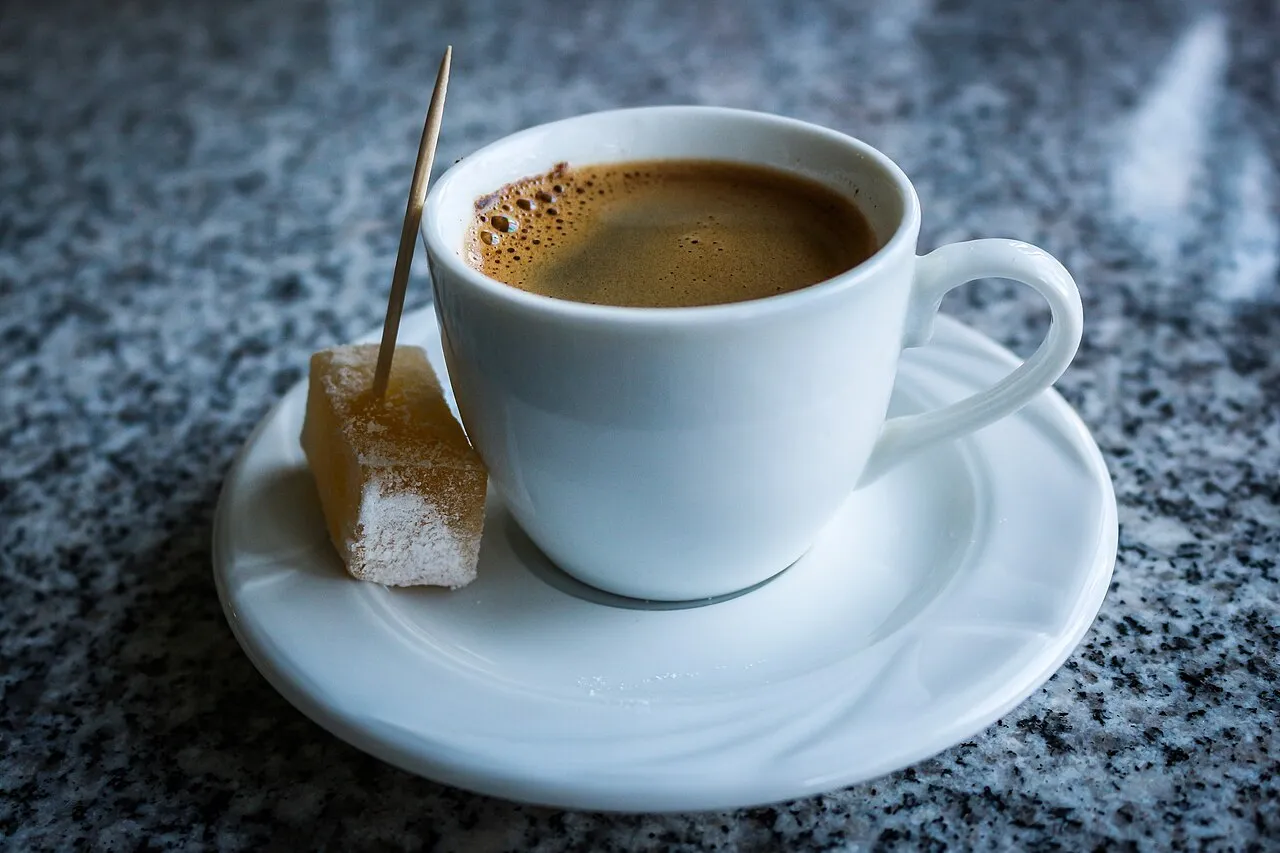
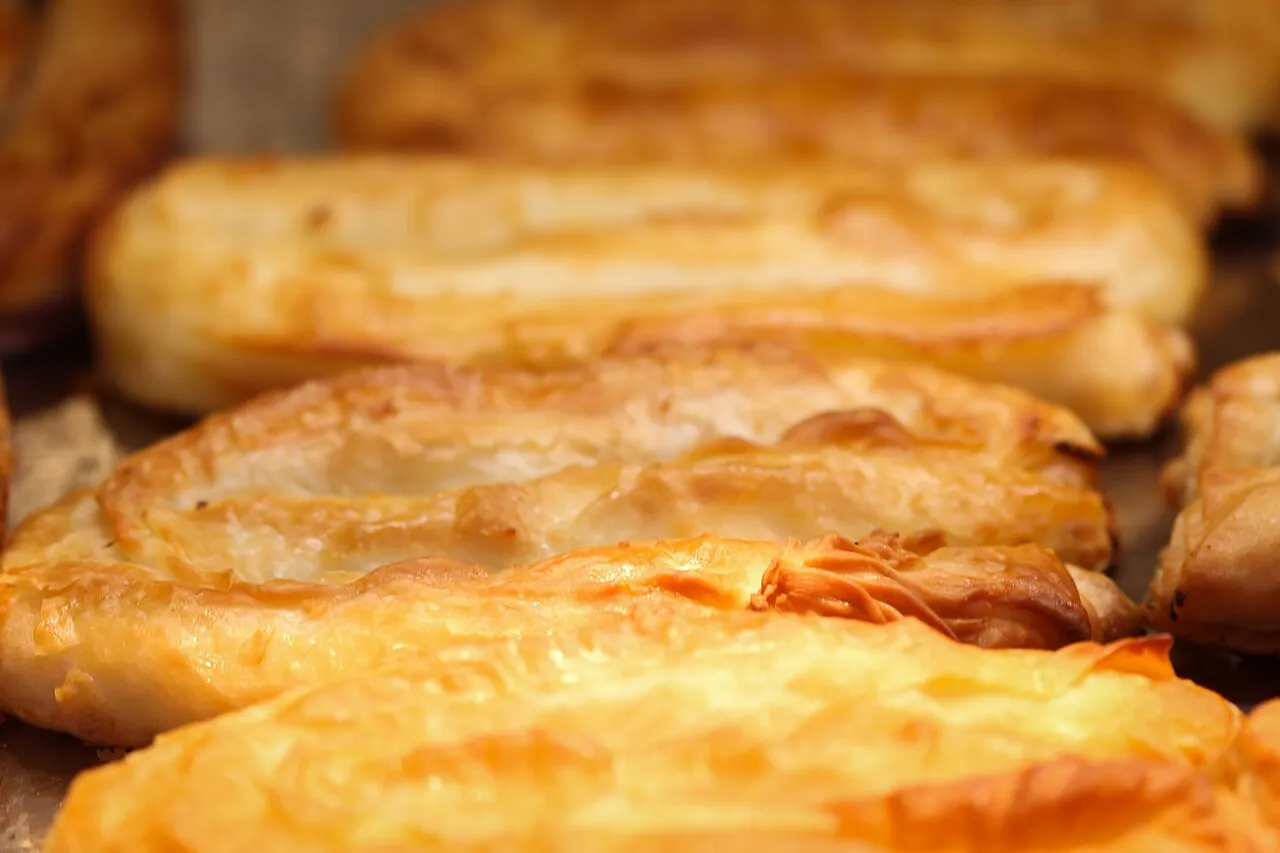
Around the grilling, the bazaar rewards grazing. Grab burek by weight from a bakery for breakfast or a snack, and stop for a Turkish coffee in one of the old coffee houses - it comes thick and unhurried, usually with a cube of lokum on the saucer. If it’s hot, duck into one of the restored Ottoman inns (the ans - Kapan An, Suli An, Kurshumli An) for shade and a courtyard table. And if you would rather shop than sit, the bazaar runs straight into Bit Pazar, Skopje’s biggest green market, where the cheese counters, honey, dried peppers and jars of homemade ajvar are the makings of a picnic or an edible souvenir to carry home.
The bazaar also hides the city’s best wine stop. Vinoteka Temov, tucked into a restored old house near the Church of Sveti Spas, is widely credited as the first proper wine bar in Macedonia, and it’s the place to taste local labels with someone who can explain them. Treat it as a tasting destination rather than a cheap dinner - the wine prices run high for the region - and pair it with a bazaar wander. If it sparks an interest, our Macedonian wine guide explains the grapes you’ll be drinking.
Debar Maalo: the kafana district
When you want dinner to be an event rather than a refuel, cross to Debar Maalo. It’s a leafy grid of streets just west of the centre, and it is stacked with kafanas - family-run taverns where you take a table for the whole evening, order meze to share, and settle in. Many put on live starogradska or čalgija music at weekends, the old urban songs on accordion and clarinet, and the rooms sing along between courses.
The reliable choice is Skopski Merak, one of the most consistently recommended kafanas in the city: big shareable platters, slow-roasted meats, pastrmajlija, and a live acoustic band on most nights. It’s the safe, atmospheric bet for a first proper Macedonian dinner - which also means it fills, so book ahead for a weekend table. What arrives is the classic spread: white cheese, ajvar, cured sausage, grilled peppers and warm bread to share, a house rakija poured as a welcome, and then the grilled meat and clay-pot dishes when you’re ready for them. Nearby, Kafana Debar Maalo does the same traditional formula, and Chardak, on the district’s so-called Bohemian Street, is a local favourite for food, rakija and weekend čalgija.
One habit worth adopting: in a kafana you’re buying the evening, not the plate, so order slowly, start with meze and a first drink, and let the mains arrive in their own time. The full kafana etiquette is in our guide to Macedonian food.
The centre and the square
The pedestrian centre around Macedonia Square is less about hidden gems and more about a good terrace and people-watching. Pelister, right on the square, is the reliable central option - a hotel restaurant doing traditional Macedonian and Mediterranean dishes, handy when you want to sit over a long lunch and watch the city go by. For a livelier traditional dinner with music, Gostilnica Dukat is a solid central pick. It is worth knowing the centre mainly as a fallback: the better, cheaper, more characterful eating is over in the bazaar and Debar Maalo.
What to order, and what it costs
Wherever you land, a few things belong on the table: kebapi and a pljeskavica patty off the grill, tavče gravče (the baked-bean pot) for something properly local, a šopska salad under a mound of white cheese, and burek or a cheese maznik from the bakery.
Vegetarians do better here than in most of the Balkans, because tavče gravče is traditionally a meatless fasting dish and the meze table leans on cheese, salads, beans and roasted peppers - just say bez meso (no meat) and you’ll eat well. For the full dish-by-dish rundown, see our guide to what to eat in North Macedonia, and for how a meal is actually run - the meze order, the kafana ritual - the companion guide to Macedonian food.
The prices make all of this easy. Burek runs under a euro or two a piece, five kebapi with bread come to a couple of euro, and a full kafana dinner with wine for two rarely stings. A few practical notes: carry denar cash for the bazaar grills and the market, because they’re cash-first even though centre restaurants take cards; tip casually, rounding up or leaving about 10 percent; and book the popular kafanas for weekend nights, especially when there is live music. The daily rhythm is worth knowing too: the bazaar is a daytime and early-evening affair that winds down after dark, while the kafanas of Debar Maalo run late, so the natural plan is a bazaar lunch and a Debar Maalo dinner rather than the other way round. The two neighbourhoods are both walkable from the centre and mapped in our guide to things to do in Skopje.
Let someone else do the ordering
If you would rather have the first meal figured out for you, a food tour is a good way in on day one. Old Bazaar street-food walks run around €45 for about four hours in a small group, starting with warm burek from a neighbourhood bakery and working through kebapi off the charcoal, ajvar, and a coffee or rakija, with a local guide filling in the stories. It’s an efficient crash course, and after it you will know exactly which lane to come back to. Once the plates are cleared, our guide to Skopje nightlife picks up where dinner leaves off.
See also
- Macedonian food - how the kafana and the table work
- What to eat in North Macedonia - the dishes to order
- Things to do in Skopje - the Old Bazaar and Debar Maalo on the map
- Macedonian wine guide - what to drink with it
Read also

Food · 8 min read
Where to Eat in Ohrid: Best Restaurants & Lakeside Dining
Updated · July 13, 2026Where to eat in Ohrid: the best lakeside fish restaurants at Kaneo, traditional kitchens in the old town, the trout to order, and what it costs.

Food · 8 min read
Macedonian Wine: A Guide to Grapes and Regions
Updated · July 12, 2026A guide to Macedonian wine: Vranec, Temjanika and Stanušina grapes, the three wine regions, how to read a label and what a bottle costs.

Food · 9 min read
Tikveš Winery & Wine Region: Tours, Tastings, from Skopje
Updated · September 12, 2026Tikveš Winery (founded 1885), Stobi by the Roman ruins, Popova Kula with rooms: which wineries take visitors, what tastings cost, 1-1.5 h from Skopje.

Food · 10 min read
Macedonian Food: A Guide to Eating and Drinking
Updated · July 9, 2026A guide to Macedonian food: the kafana table, meze and grills, Ohrid trout, Tikves wine and rakija, and where to eat well in Skopje.