
Tikveš Winery & Wine Region: Tours, Tastings, from Skopje
Tikveš Winery (founded 1885), Stobi by the Roman ruins, Popova Kula with rooms: which wineries take visitors, what tastings cost, 1-1.5 h from Skopje.
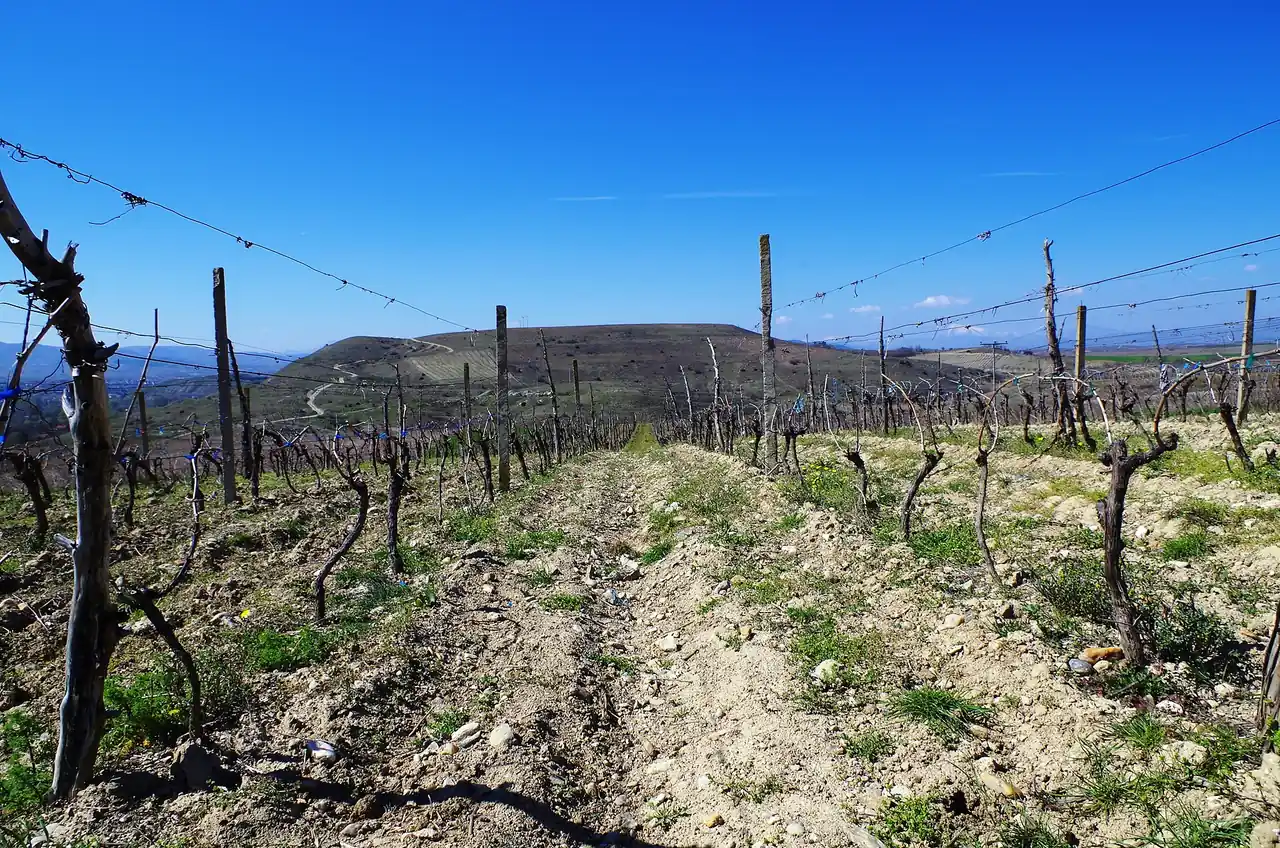
North Macedonia makes some of the best-value wine in Europe, and almost all of it comes from one valley about an hour south of Skopje: Tikveš, the hot, dry basin around Kavadarci and Negotino that holds roughly 80 percent of the country’s wineries. You can taste your way through it as a day trip from the capital or, better, stay a night among the vines. This guide covers which wineries are actually set up for visitors, what a tasting costs, and how to get there without ending up as the designated driver who never gets a sip.
If you want the grapes and regions explained first - what Vranec tastes like, why Temjanika is worth chasing - start with our guide to Macedonian wine. This page is about going there.
Where Tikveš is, and why it matters
Tikveš sits in the middle of the country, in the Vardar river valley that wine people call Povardarie. It’s the warmest, driest corner of North Macedonia, with well over 200 sunny days a year, and it has been growing grapes since antiquity. The modern industry is built here: this single district accounts for around four in five of the country’s wineries and the bulk of its serious wine, from the giant co-operative-era cellars to a new wave of small family estates.
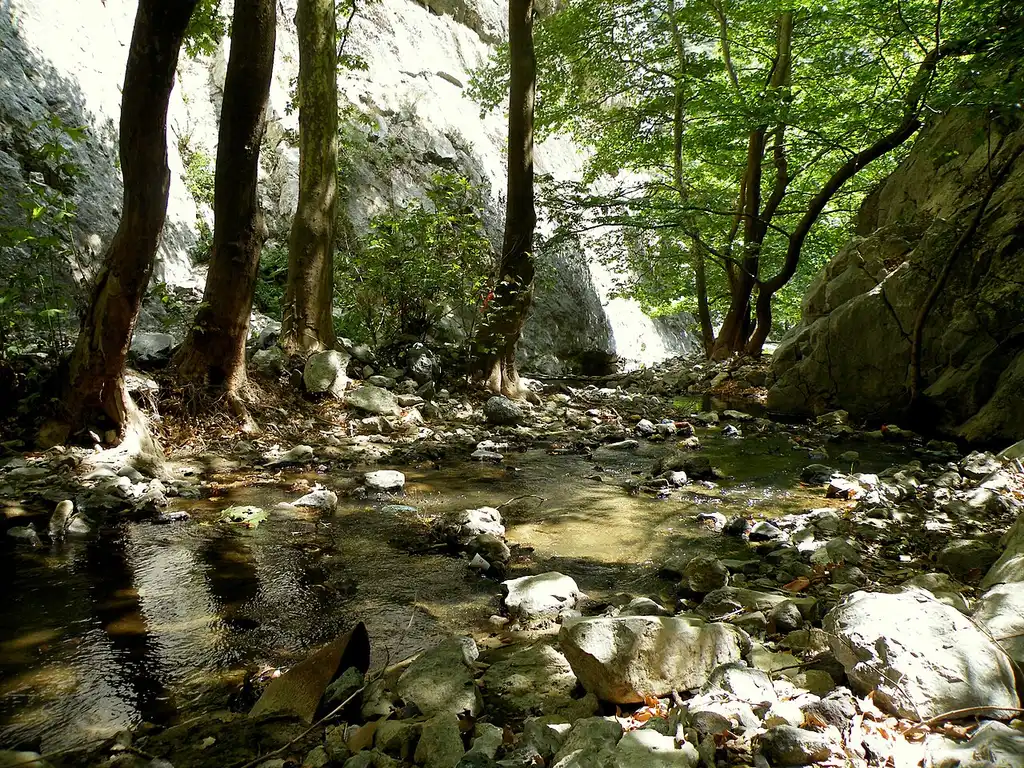
The two towns to fix on the map are Kavadarci and Negotino, about 10 km apart, with Demir Kapija and its dramatic gorge a short drive further down the same road, where the motorway squeezes through the hills. Most of the wineries worth visiting are strung between these three points, which makes the region easy to cover in a day once you’re down there.
Getting there from Skopje
The drive is simple: head south on the A1/E75 motorway, and it is roughly 1 to 1.5 hours to the heart of the region. Gradsko (for Stobi) is about 75 km, Demir Kapija about 85, Negotino about 90, and Kavadarci about 95 to 100 km. The road runs through the Demir Kapija gorge, one of the more scenic stretches of motorway in the Balkans, so the journey is part of the day.
Here’s the catch nobody mentions until it is too late: tasting and driving don’t mix, and North Macedonia enforces a low blood-alcohol limit. Three or four wineries in an afternoon means somebody isn’t drinking. You have three ways around it:
- Self-drive with a designated driver (or spit at the tastings, which any serious cellar expects). Best if you want the freedom to wander and stop at small producers. See our road trip guide, which runs right past Tikveš.
- Book an organised day tour from Skopje. Transport, two or three wineries, tastings and usually lunch are handled for you, and everyone gets to drink. A small-group Stobi and Tikveš day trip with around six tastings runs a full day, from about €75 to €90 per person; private tours are dearer (a private Popova Kula day is around €150 or more), and prices swing with group size, so confirm when you book. Tours also run from Ohrid if you’re based on the lake.
- Stay overnight at a winery hotel and taste freely on arrival. More on that below.
The wineries worth booking
These are working wineries, not a Tuscan cellar-door strip where you drift in off the road. Call or email ahead, especially at weekends and in the September harvest crush. Four are set up properly for visitors.
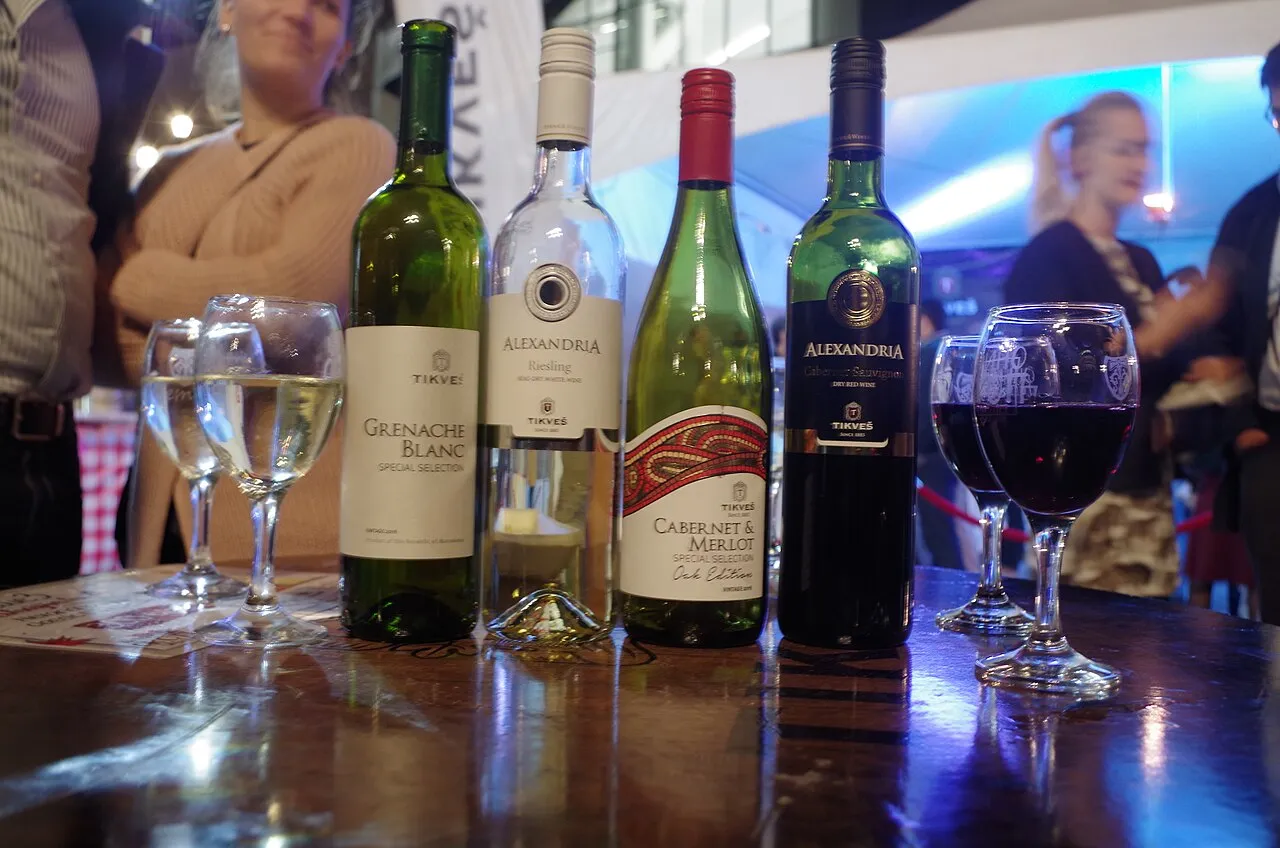
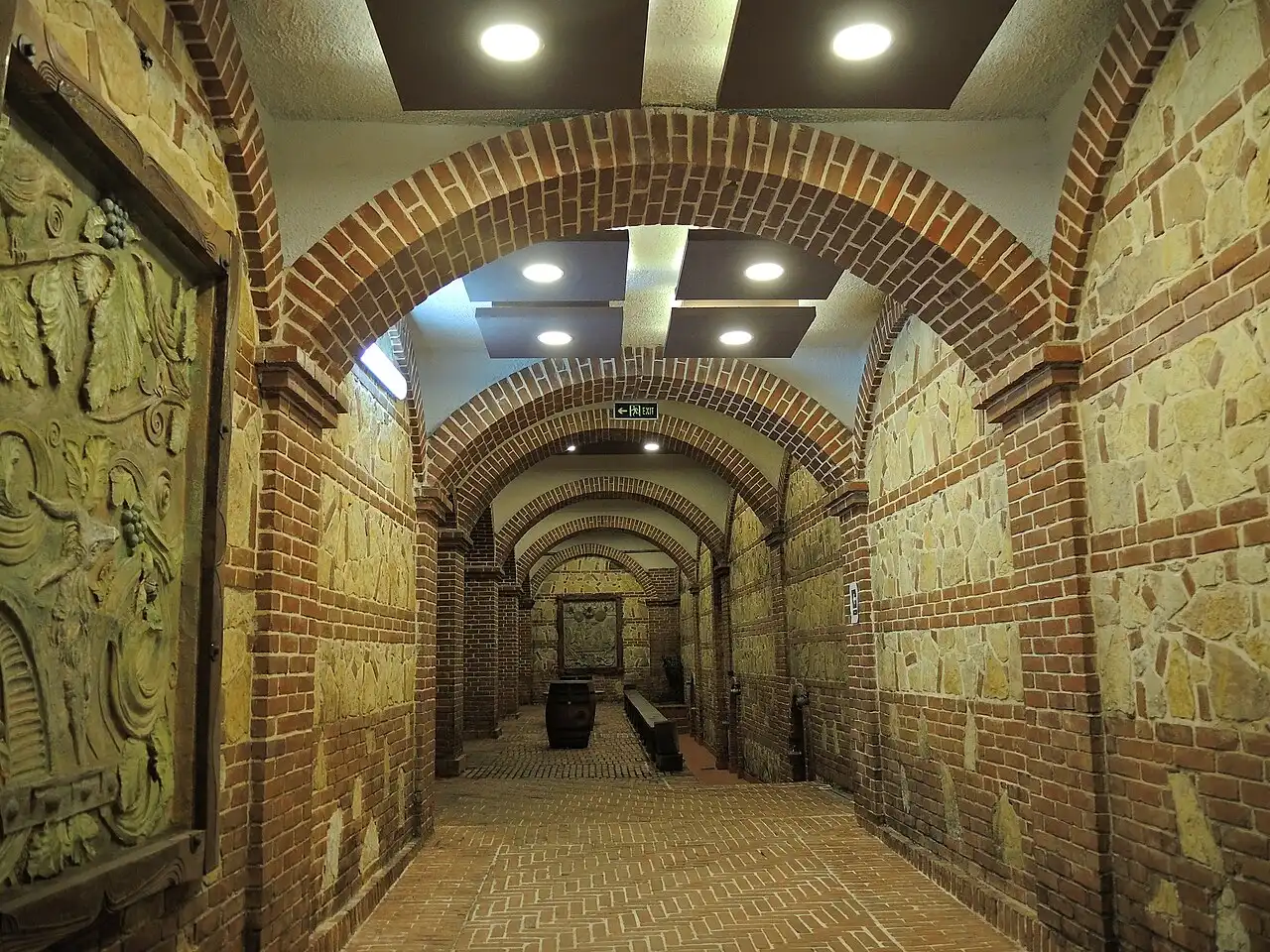
Tikveš Winery, in Kavadarci, is the obvious anchor. Founded in 1885, it is one of the largest wineries in southeastern Europe, and its visitor tour walks you through the production halls and down into the cellars, where you taste straight from the barrel. Tour-and-tasting packages are sold through wine-tourism booking platforms from about €26 per person; the winery publishes no rates of its own, so email or ring to confirm what your visit actually costs. The on-site restaurant does proper multi-course food-and-wine pairings if you want to make an afternoon of it. Look for the single-vineyard Bela Voda and Barovo labels, which are the estate’s serious wines.
Stobi Winery, near Gradsko, is the clever two-for-one. It’s a big, modern estate, and it sits right beside the ruins of Stobi, a genuinely impressive Roman city with mosaics and a theatre. Do the archaeological site in the morning and the winery after: a guided tour with a tasting of about four wines plus cheese and cured meats runs somewhere around €15 to €30 per person, depending on what you pick. Reserve ahead in spring and autumn.
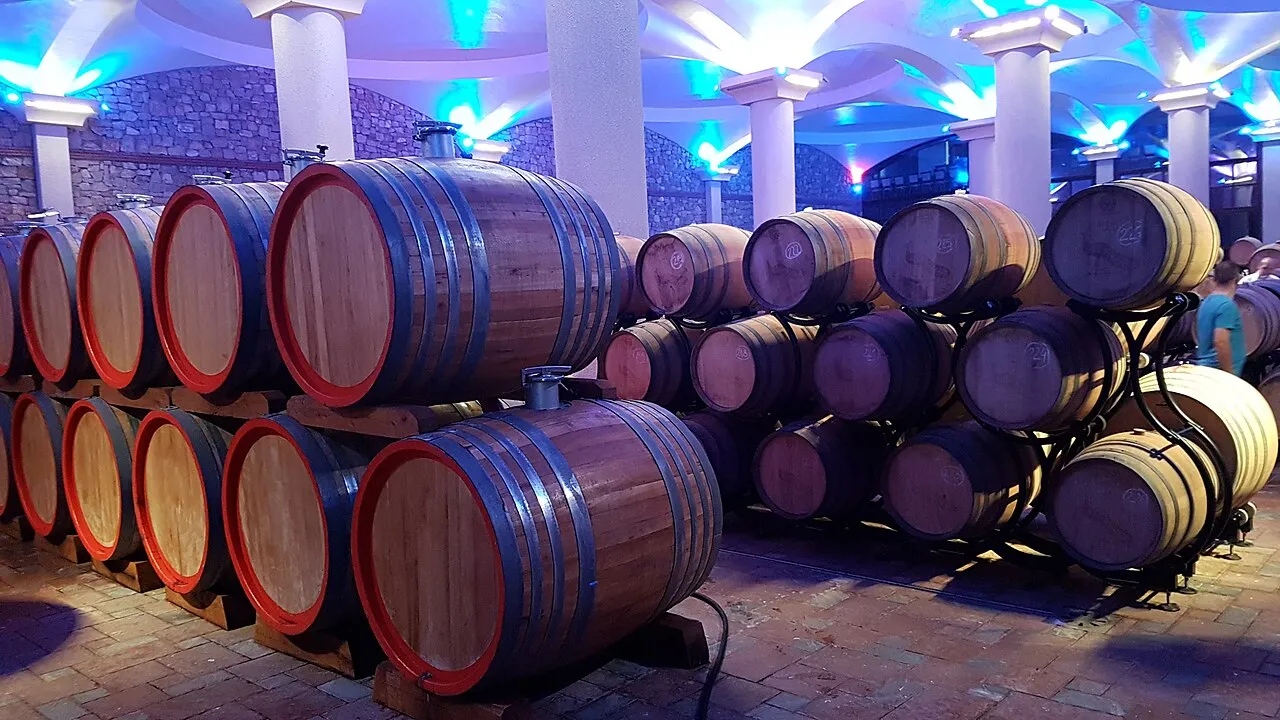
Popova Kula, at Demir Kapija, is where I would send anyone who wants to actually relax. It’s a winery with its own hotel attached (rooms from around €65 a night), which solves the driving problem completely: check in, taste as much as you like, and roll upstairs. Visitors report a tasting flight of about five wines with meats and cheeses at around €10, which is close to comedy by Western standards - the estate publishes no rate, so confirm it when you book. Popova Kula is also the estate that did the most to rescue Stanušina, the pale indigenous red that had almost died out, so it’s the place to try something you can’t get anywhere else.
Chateau Kamnik is the wild card, and it’s not in Tikveš at all - it sits on the edge of Skopje, about 13 minutes from the centre. If you simply don’t have time to drive south, this is your fallback: a smart estate with vineyard and barrel-cellar tours, a standard and a premium tasting (visitors report about €20 and up; the estate lists no prices), and the Hunter’s Lodge restaurant on site for lunch afterwards. Reservation is by phone, so ring ahead.
Beyond these four, the valley is dotted with smaller family cellars - Bovin and Grkov in and around Negotino among them - that welcome visitors by arrangement. They rarely have set tasting-room hours, so a phone call or a local guide is the way in.
When to go, and the harvest festival
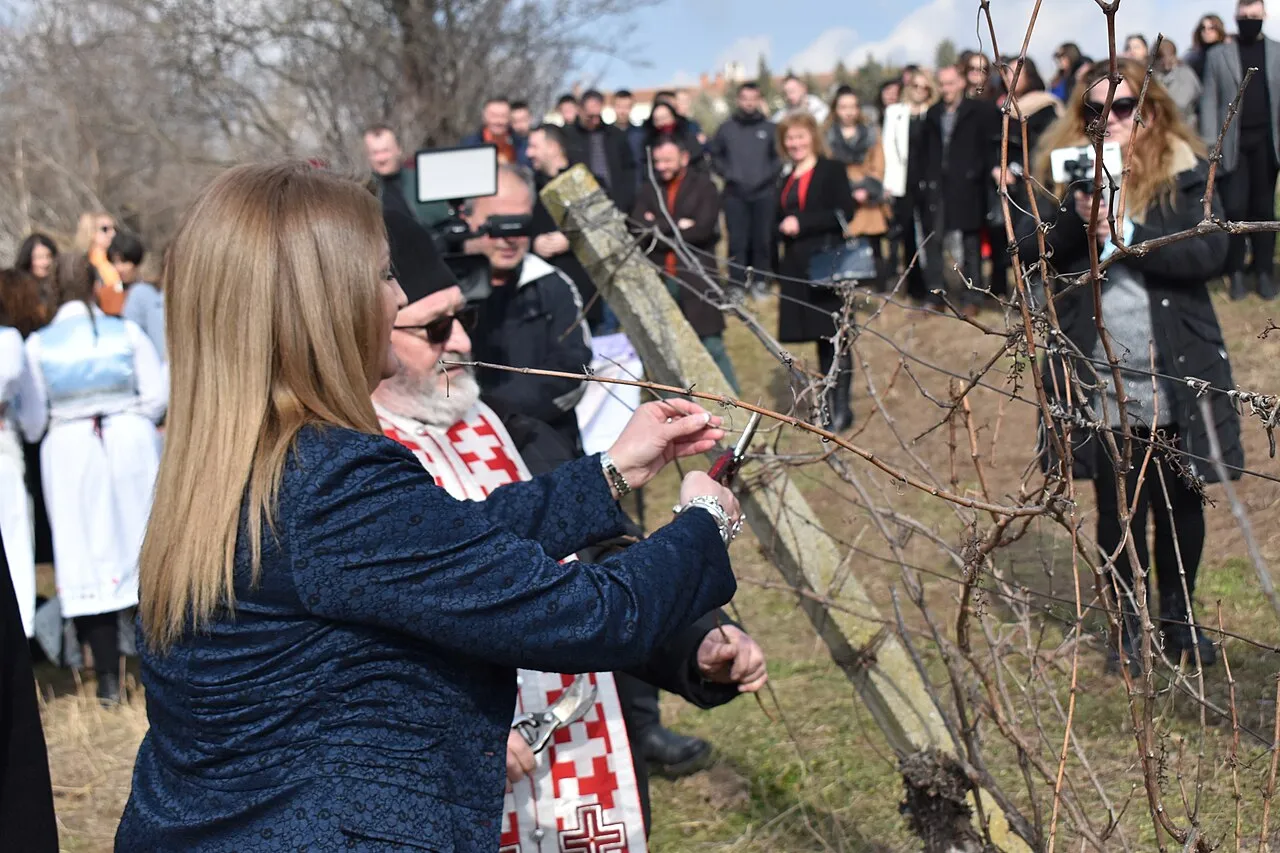
Spring and autumn are the sweet spots: mild weather, and in autumn the vineyards turn and the cellars are busy with the new vintage. The set-piece event is Tikveški Grozdober, the Tikveš grape harvest festival in Kavadarci, held in early September - one of the biggest cultural events in the country, with a parade, street wine and music taking over the town. Dates shift year to year, so check with the organisers before you build a trip around it.
Summer works too, but it’s genuinely hot down in the valley, and the vineyards are at their least photogenic under the midday glare. If you come in July or August, taste in the morning or the cool of the evening.
What it costs, and how to do it well
The maths is the whole appeal. A serious cellar tour with a guided tasting here costs what a single glass of decent wine does in Paris or London, and a very good bottle to take home rarely troubles €10. For the wider trip budget, our North Macedonia trip cost guide puts wine in context with rooms and food.
My honest recommendation: pick two wineries, not five. One big name for the scale of it - Tikveš or Stobi - and one small or mid-size estate for the personal version, with lunch in between. If you are driving, build in the Stobi ruins; if you want to drink properly, either book a tour with transport or stay the night at Popova Kula. And bring a box: the wine is cheap enough that carrying a few bottles home is the single best souvenir you can bring back from the country.
To round out the food side of the trip, see what to order alongside all this wine in our guide to what to eat in North Macedonia, and if you would rather taste without leaving the capital, the wine bar in our where to eat in Skopje directory pours the whole region by the glass.
See also
- Macedonian wine: a guide to grapes and regions - Vranec, Temjanika and how to read a label
- What to eat in North Macedonia - the dishes to pair with the wine
- Macedonian food - how the table works, kafana to green market
- North Macedonia road trip - the self-drive loop that passes Tikveš
- Where to eat in Skopje - restaurants and kafanas by district
- North Macedonia trip cost - what a trip costs
- Demir Kapija, Stobi and the Tikves wine road - the gorge and the ruins as a destination
Read also

Food · 8 min read
Where to Eat in Ohrid: Best Restaurants & Lakeside Dining
Updated · July 13, 2026Where to eat in Ohrid: the best lakeside fish restaurants at Kaneo, traditional kitchens in the old town, the trout to order, and what it costs.

Food · 8 min read
Macedonian Wine: A Guide to Grapes and Regions
Updated · July 12, 2026A guide to Macedonian wine: Vranec, Temjanika and Stanušina grapes, the three wine regions, how to read a label and what a bottle costs.

Food · 8 min read
Best Restaurants in Skopje: Old Bazaar, Debar Maalo, Kafanas
Updated · September 12, 2026Where to eat in Skopje by district: kebapi at Destan (grilling since 1913) and burek in the Old Bazaar, kafana dinners with live music in Debar Maalo.

Food · 10 min read
Macedonian Food: A Guide to Eating and Drinking
Updated · July 9, 2026A guide to Macedonian food: the kafana table, meze and grills, Ohrid trout, Tikves wine and rakija, and where to eat well in Skopje.