
Macedonian for Travelers: Phrases That Open Doors
A working Macedonian phrase kit for travelers: Cyrillic, how to say it, and when it helps in a kafana, taxi or market.
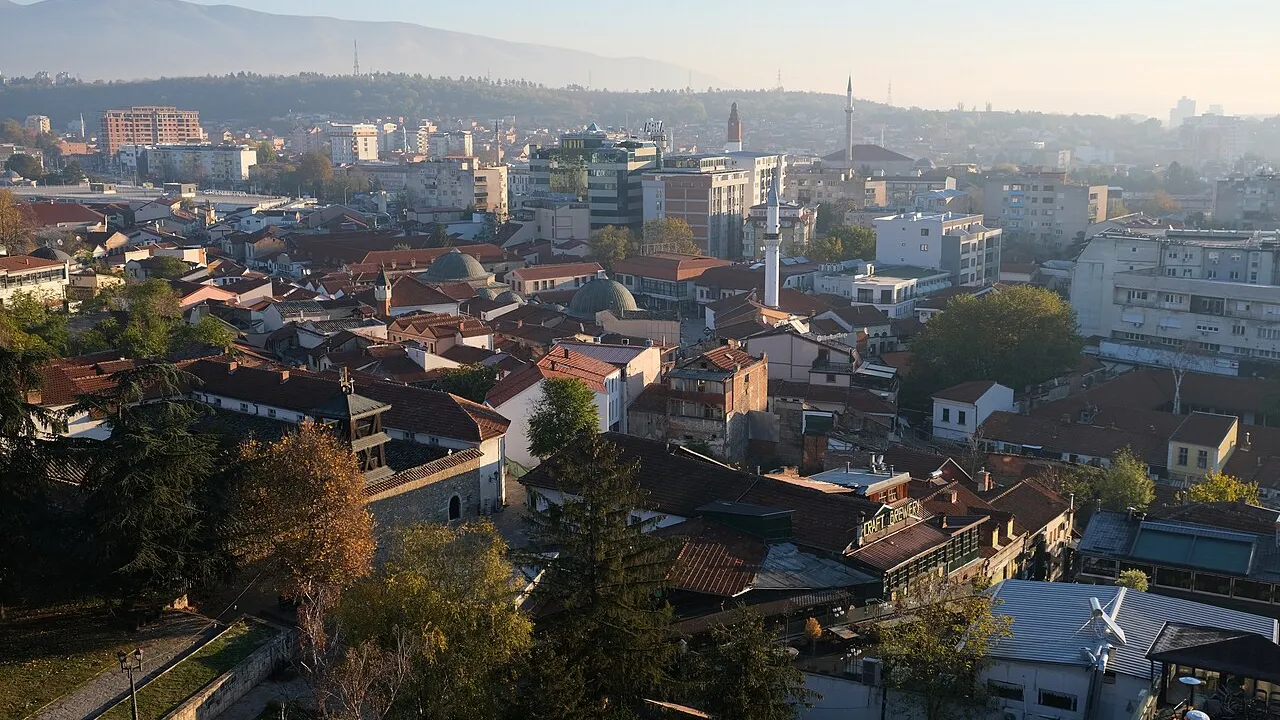
Walk into a kafana, a Bit Pazar stall or a Skopje taxi with about a dozen phrases you can say out loud - greetings, thanks, “how much”, “the bill”, “where is…” - and the conversation usually starts friendlier than mime at a phone screen. In Skopje’s centre and along Ohrid’s lakefront you’ll often get by in English. Off that track, a Cyrillic greeting still opens doors.
This is a working kit, not a classroom. Each block has the Cyrillic, a Latin spelling you can read at speed, and the moment it earns its keep. For what to order once you’ve sat down, see what to eat in North Macedonia. For buses and fares, use getting around.
How much English you’ll meet
In hotels, lakeside restaurants and the bigger Skopje cafes, staff usually switch to English without drama. Younger people in particular have heard enough of it online that your question often comes back in English before you’ve finished the Macedonian version.
That softens in markets, village shops, some taxis and older kafanas. Signs stay in Cyrillic. Menus may be Cyrillic-only. The person behind the counter isn’t being unfriendly - English simply isn’t the default. That’s when Здраво and Благодарам do more work than a full sentence.
Albanian is also an official language under the Law on the Use of Languages (the language spoken by at least 20% of citizens of the republic). On the street you’ll hear it most around Tetovo and in western towns. A Macedonian greeting still lands; don’t assume every conversation must be Macedonian-first.
Cyrillic you can use in five minutes
Macedonian is written in a 31-letter Cyrillic alphabet. Spelling is largely one sound per letter, so once you’ve mapped the shapes, reading a menu gets easier fast. Skip the political history of the script for lunch - keep the letters that trip English speakers:
| Letter | Sounds like | You’ll see it in |
|---|---|---|
Ј / ј | y in “yes” | Јас (I); Ohrid stays “Ohrid” |
Љ / љ | lli in “million” | љубов on signs, names |
Њ / њ | ny in “canyon” | коњ, place names |
Џ / џ | j in “jam” | џем (jam), names |
Ќ / ќ and Ѓ / ѓ | soft k / soft g | ќе (will), ѓубре on bins |
Ч / ч, Ш / ш, Ж / ж | ch / sh / zh | чај, шума, жаба |
Ѕ / ѕ | dz | rarer; don’t panic |
Street name boards often carry Latin underneath. Market stalls and handwritten menus sometimes don’t. Pointing at a dish still works - saying Сакам ова (Sakam ova, “I’d like this”) while you point works better.
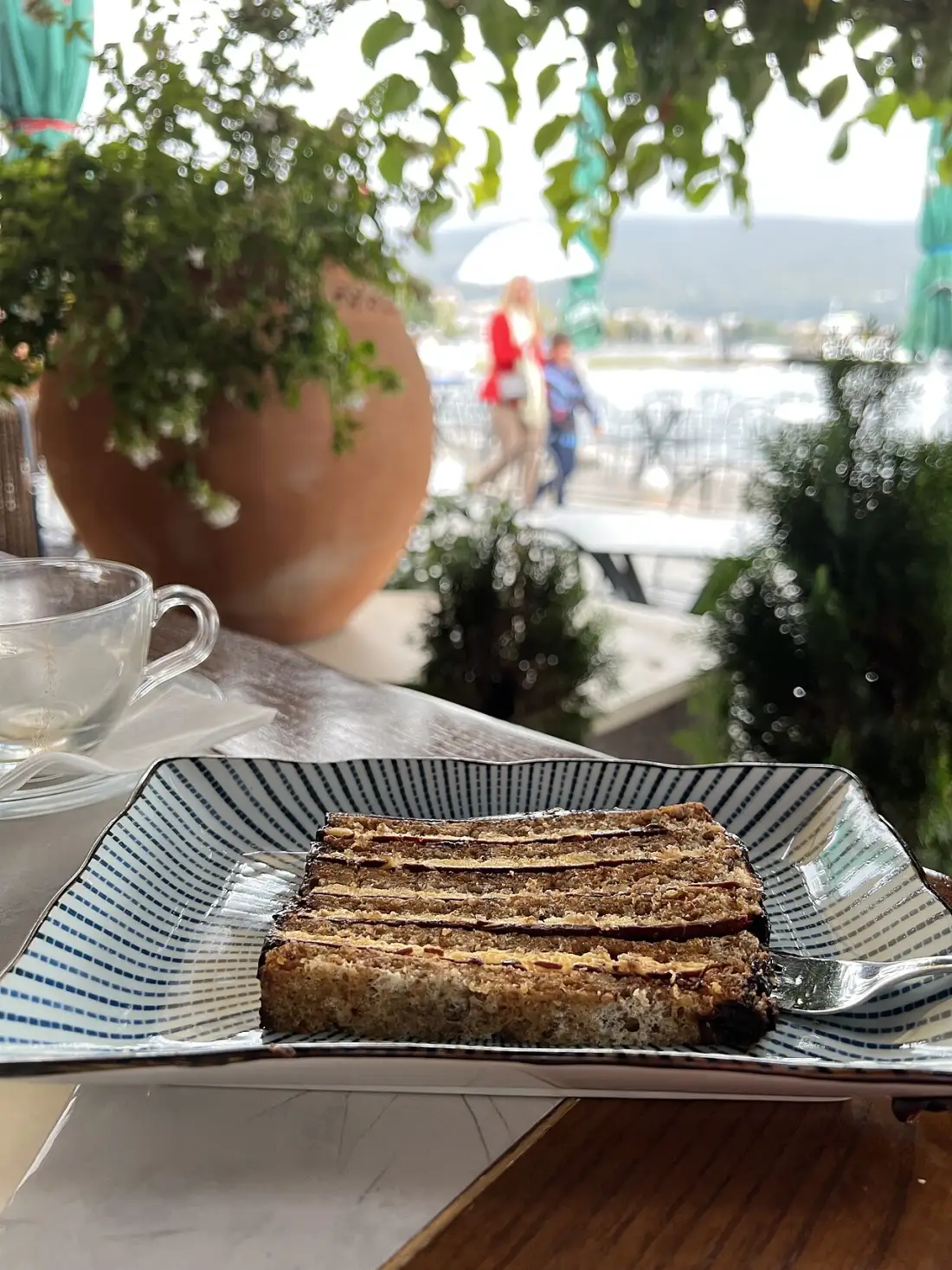
Door-openers that change the tone
These are the lines that buy goodwill even when the conversation flips to English.
| English | Macedonian | Say it like |
|---|---|---|
| Hello (informal) | Здраво | ZDRAH-vo |
| Good day | Добар ден | DOH-bar den |
| Good morning | Добро утро | DOH-bro OO-tro |
| Good evening | Добра вечер | DOH-bra VEH-cher |
| Please | Ве молам | ve MOH-lam |
| Thank you (full) | Благодарам | bla-GO-da-ram |
| Thanks (casual) | Фала | FAH-la |
| You’re welcome / please | Молам | MOH-lam |
| Excuse me / sorry | Извинете | iz-VEE-ne-te |
| Yes / No | Да / Не | da / ne |
| Goodbye | Довидување | do-vi-DOO-va-nye |
Здраво is the workhorse. Use it walking into a shop, catching a waiter’s eye, or starting a taxi chat. Благодарам is the polite full thank-you; Фала is what you’ll hear between locals when the exchange is light. Both are fine from a traveler - don’t overthink the register.
Извинете covers “sorry I bumped you”, “excuse me, can I pass”, and “sorry, I don’t follow”. Pair it with a smile and you’ve already done half the social work.
In the kafana: order, toast, pay
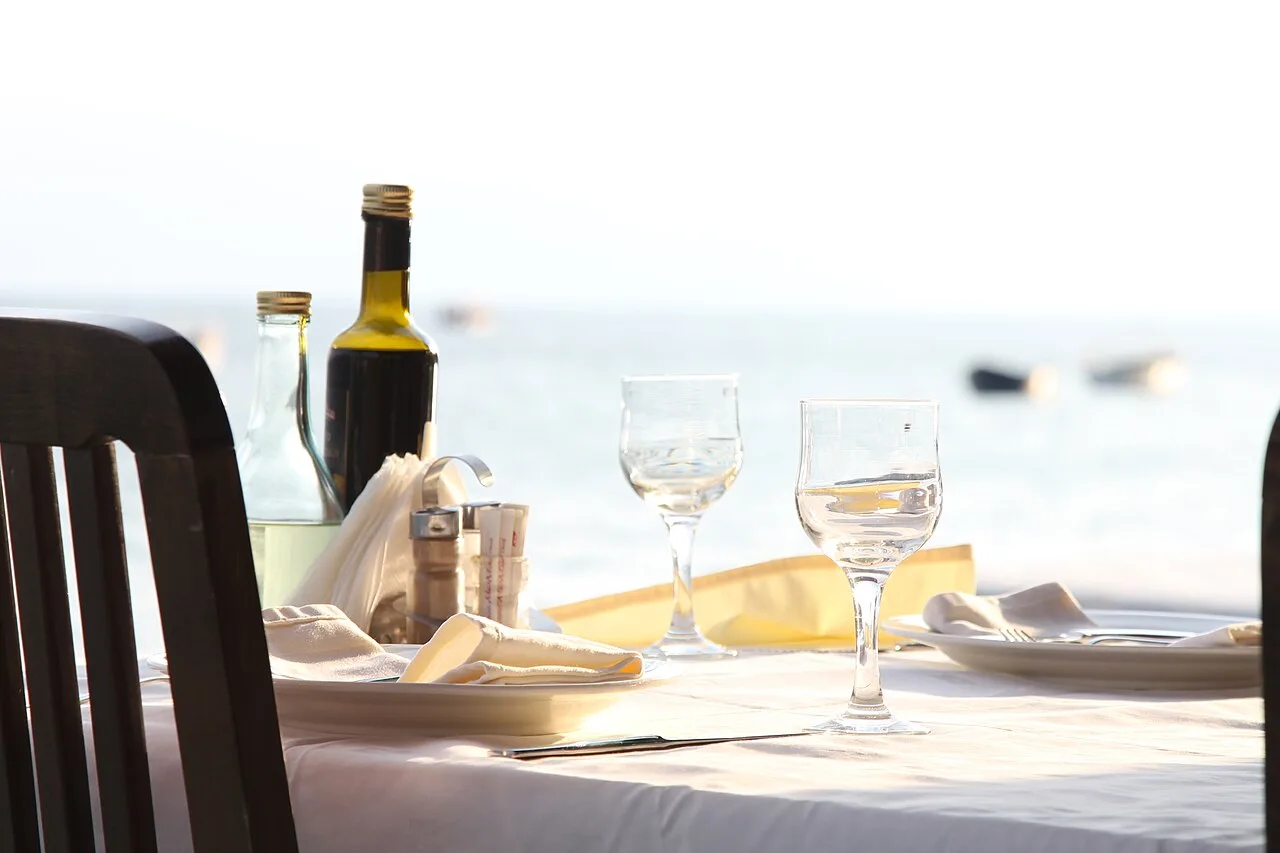
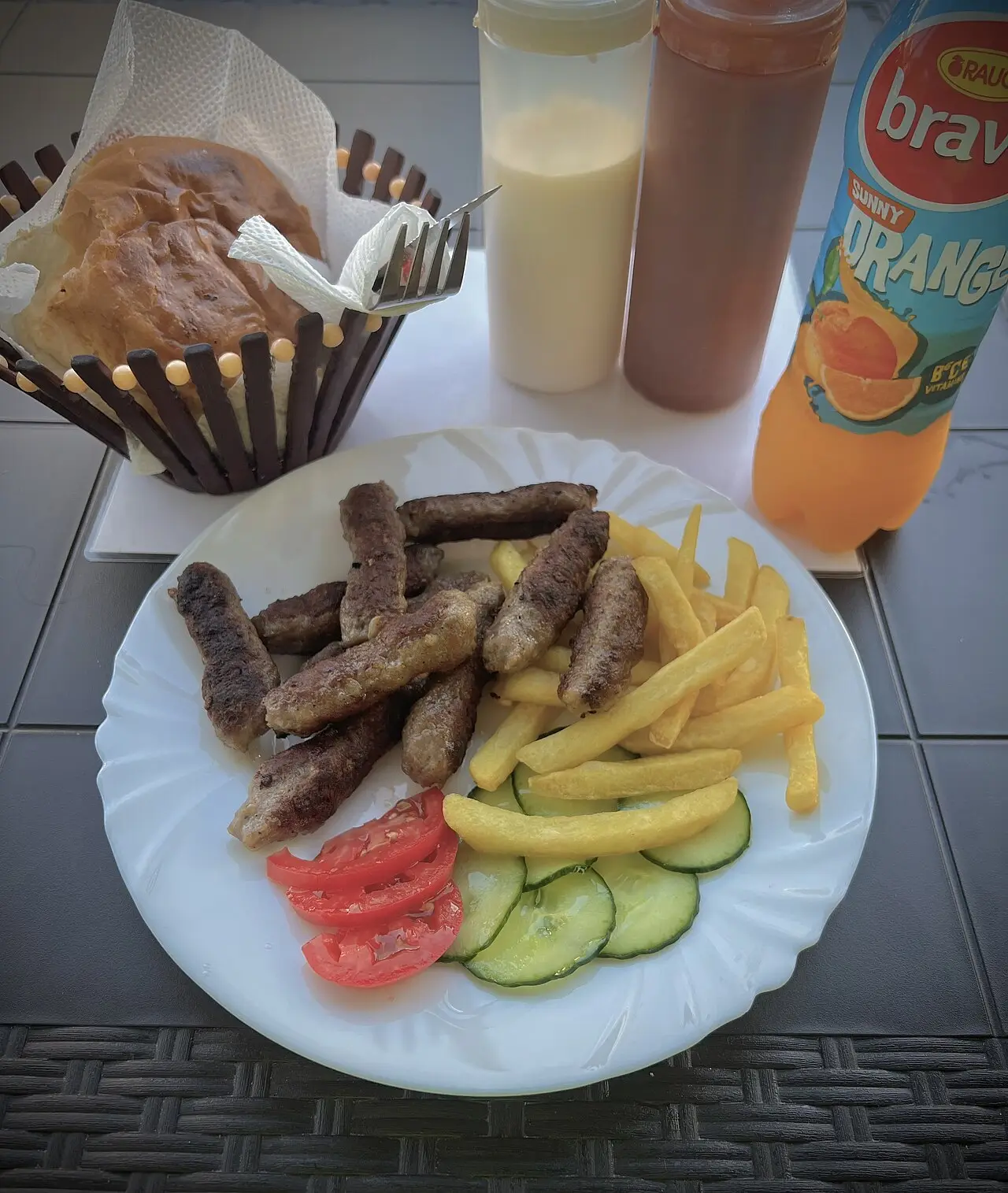
A kafana is the everyday eating-and-drinking room - grilled meat, beans, salad, beer, rakija - not a white-tablecloth performance. Phrases that matter here are short.
| Need | Macedonian | Say it like |
|---|---|---|
| A table for two | Маса за двајца, ве молам | MAH-sa za DVAY-tsa, ve MOH-lam |
| The menu, please | Менито, ве молам | MEH-ni-to, ve MOH-lam |
| I’d like… | Сакам… | SAH-kam… |
| This one (pointing) | Ова | OH-va |
| Beer / wine / water | Пиво / вино / вода | PEE-vo / VEE-no / VOH-da |
| Cheers | На здравје | na ZDRAHV-ye |
| Delicious | Вкусно | VKOOS-no |
| The bill, please | Сметката, ве молам | SMET-ka-ta, ve MOH-lam |
| Do you take card? | Картичка? | kar-TEECH-ka? |
Сакам + the dish name (or a finger on the menu) is enough; grammar can wait. На здравје before the first sip of rakija or beer is the social glue - skip it and you’re fine; use it and people notice.
Cash still wins in many kafanas and bakeries; cards are common in city restaurants and hotels. Asking Картичка? before you settle saves an awkward wallet dance. Denar mechanics live on the money page.
Taxi and the road: say the place, ask the price
Taxi apps exist in Skopje, but plenty of rides still start with a hand wave and a destination. Agree the place clearly; ask the price before you move if there’s no meter in play.
| Need | Macedonian | Say it like |
|---|---|---|
| To… please | До …, ве молам | do …, ve MOH-lam |
| To Ohrid / Bitola | До Охрид / До Битола | do OH-rid / do BEE-to-la |
| How much to…? | Колку чини до…? | KOHL-koo CHEE-ni do…? |
| Here (point + stop) | Овде | OHV-de |
| Left / right / straight | Лево / десно / право | LEH-vo / DES-no / PRAH-vo |
| Where is…? | Каде е…? | KAH-de e…? |
| Bus station | Автобуска станица | av-to-BOOS-ka STA-ni-tsa |
| Airport | Аеродром | a-e-RO-drom |
До + place name is the skeleton. Add ве молам and you’re polite enough. For intercity buses and city rides, the practical detail is on getting around North Macedonia - this page is only the words that get you into the conversation.
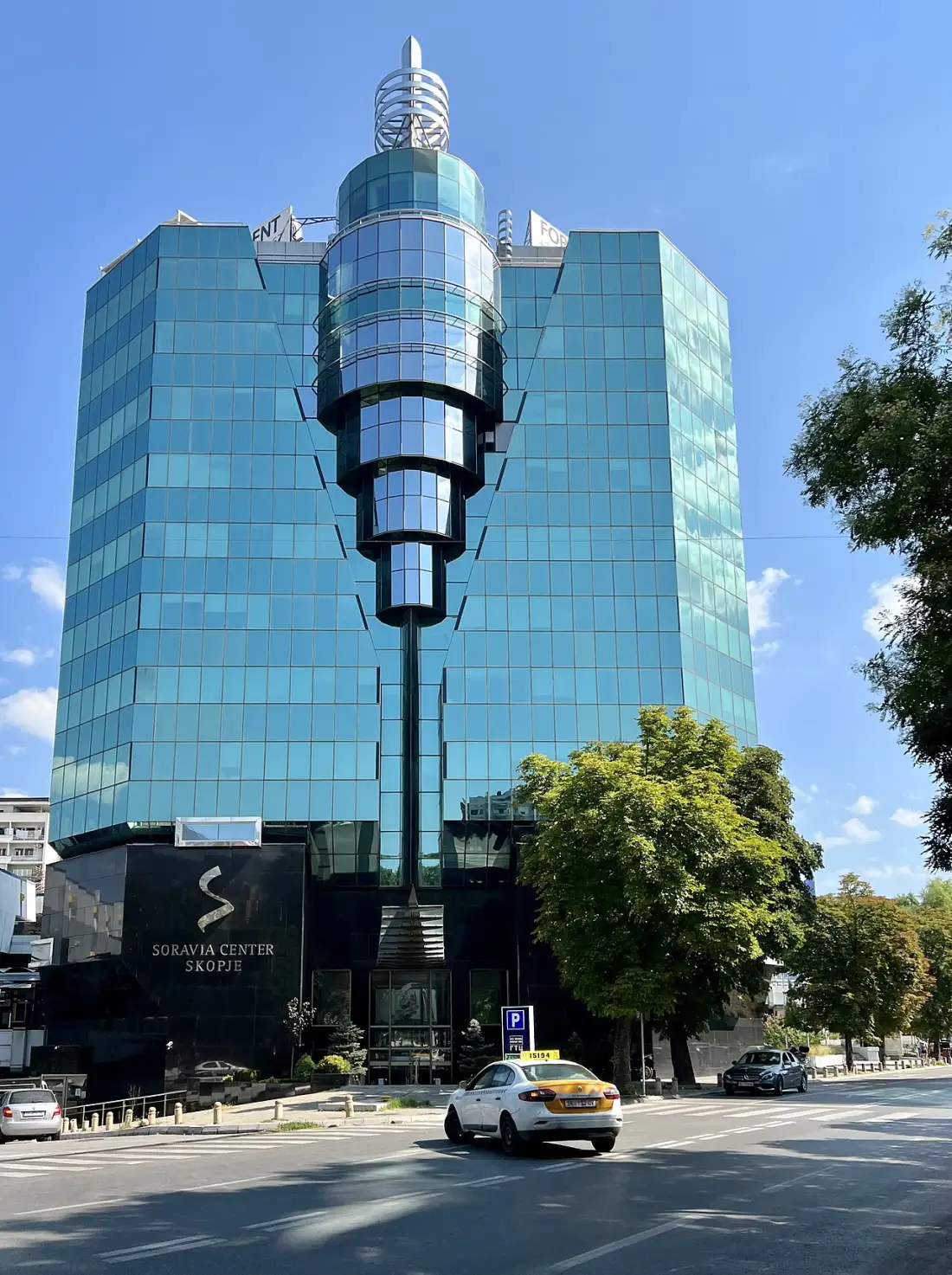
Market and shop: price, amount, walk-away
Bit Pazar in Skopje and the produce lanes in smaller towns run on denar notes and short talk. Vendors have heard every tourist mime act; a price question in Macedonian still resets the tone.
| Need | Macedonian | Say it like |
|---|---|---|
| How much is it? | Колку чини? | KOHL-koo CHEE-ni? |
| Too expensive | Скапо | SKAH-po |
| A little (amount) | Малку | MAHL-koo |
| Cheaper / a bit less | Поефтино / Помалку | po-EF-ti-no / po-MAHL-koo |
| Half a kilo | Пол кило | pol KEE-lo |
| One / two / three | Еден / два / три | EH-den / dva / tri |
| Five / ten | Пет / десет | pet / DEH-set |
| I don’t want it | Не сакам | ne SAH-kam |
| That’s all | Тоа е се | TOH-a e se |
Numbers 1-10 get you through fruit, bread and bus tickets. Keep small notes ready - ATMs spit big ones, markets want change. Колку чини? is the single most useful shopping sentence in the country.
When you freeze mid-sentence
Everyone freezes. Have an exit line ready.
| Need | Macedonian | Say it like |
|---|---|---|
| I don’t understand | Не разбирам | ne raz-BEE-ram |
| Do you speak English? | Зборувате ли англиски? | zbo-ROO-va-te li an-GLEES-ki? |
| I speak a little Macedonian | Зборувам малку македонски | zbo-ROO-vam MAHL-koo ma-ke-DON-ski |
| Slowly, please | Полека, ве молам | po-LEH-ka, ve MOH-lam |
| Write it, please | Напишете, ве молам | na-PEE-she-te, ve MOH-lam |
| Help | Помош | POH-mosh |
Не разбирам + a shrug is honest. Зборувам малку македонски before you attempt a longer ask tells people to slow down and meet you halfway. Phone translation helps for long explanations; it doesn’t replace the greeting that got you the goodwill to open the app.
A pocket list worth screenshotting
If you only keep ten lines on your phone lock screen, make them these:
Здраво- helloВе молам- pleaseБлагодарам/Фала- thank youИзвинете- excuse me / sorryДа/Не- yes / noСакам…/Ова- I’d like… / thisКолку чини?- how much?Сметката, ве молам- the billКаде е…?/До…- where is…? / to…Каде е тоалет?- where is the toilet?
That’s enough to order food, pay, ask for a toilet, and signal that you’re trying. Не разбирам stays useful as the eleventh line when you freeze. The trip itself - lakes, mountains, odd capital monuments - is covered in is North Macedonia worth visiting. The language part is smaller: show up with those ten, use them early, and let English fill the gaps when someone offers it.
Read also
- What to Eat in North Macedonia - dishes worth ordering once you can say
Сакам - Getting Around North Macedonia - buses, taxis and when a car wins
- Is North Macedonia Worth Visiting? - who the trip suits and how long to stay
- Money in North Macedonia - denar, ATMs and where cards fail
Photos
Read also

Before you go · 9 min read
Skopje vs Ohrid: Which Should You Base Yourself In?
Updated · September 2, 2026Skopje for flights, museums and day trips; Ohrid for the UNESCO lake and summer swimming - about 3 h 20 apart by bus, and most trips work best split.

Before you go · 12 min read
Skopje or Sofia: Which Balkan Capital to Visit?
Updated · September 2, 2026Skopje's rooms cost less, Sofia's airport transfer is easier, and a direct bus links the two in 5h40 for about EUR 27. Here's which to fly into first.

Before you go · 10 min read
Best Things to Do in North Macedonia
Updated · August 17, 2026Lake Ohrid, Skopje's bazaar, Matka Canyon, Bitola mosaics and one mountain or wine day - the first-trip shortlist, with links to the full guides.

Before you go · 10 min read
Money in North Macedonia: Denar, ATMs, Cards
Updated · August 15, 2026You'll spend denar, not euros. NBRM's 15 Aug 2026 rate, bank ATMs, where cards fail, DCC traps and tipping as practice, not law.