
North Macedonia Travel Tips: Know Before You Go
Pack a Type C/F adapter, plan around Sunday shop closures, carry denar, check tap-water alerts, and sort eSIM plus insurance before you land.
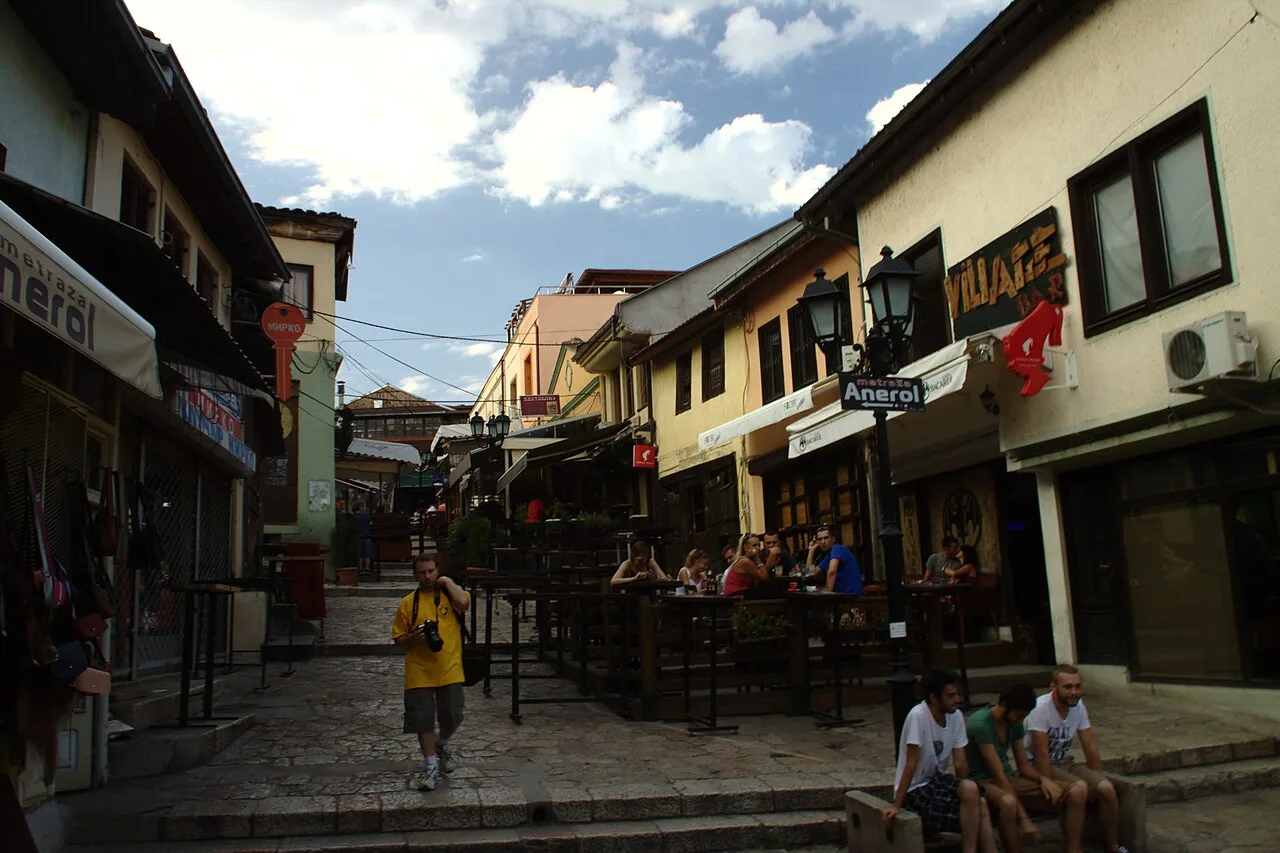
Pack the boring kit first, and North Macedonia stays easy: a Type C or Type F plug adapter for 230 V / 50 Hz, enough denar (MKD) for markets and taxis, Sunday shopping planned around closed high streets, and a clear plan for tap water outside Skopje. Sort entry rules, an eSIM, and travel insurance before you fly. This page is the pre-trip checklist - not the “should I go?” debate and not a crime brief.
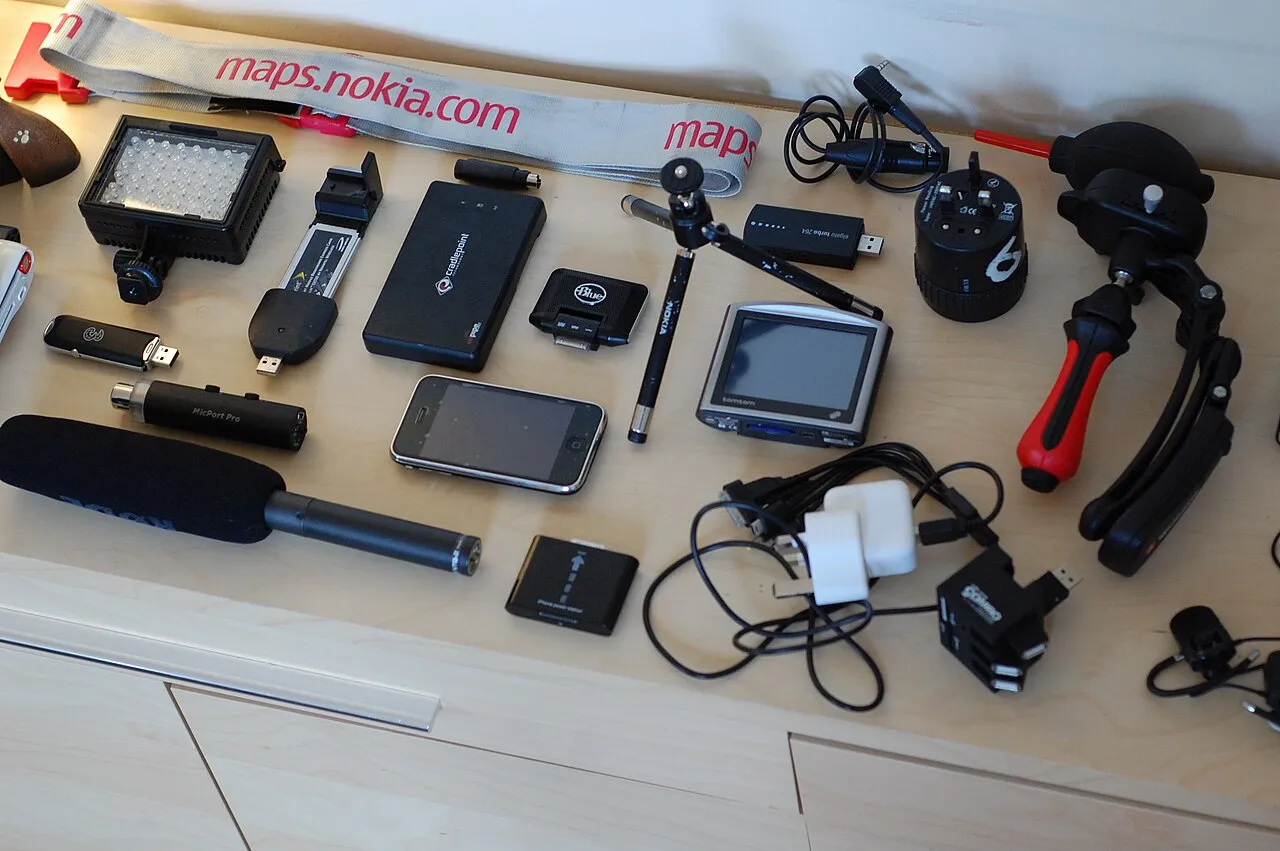
Tap water: Skopje vs everywhere else
Follow traveler-health wording, not blog cheerleading. The U.S. State Department country page says that outside Skopje, tap water is not potable in many areas, that many restaurants and hotels serve tap anyway, and that ice may be made using tap water - ask for sealed bottled water when you’re unsure.
Skopje is the exception, and its utility publishes the arithmetic instead of a reassurance. Sanitary control at JP Vodovod i kanalizacija Skopje took 206 physico-chemical and 206 microbiological samples from 47 measuring points across the city between 17 and 21 August 2026, and all of them came back inside the national drinking-water regulation. That is a weekly report, so read it as “the system was sound that week” and not as a standing promise.
Local bans do happen, and they are announced. In July 2026 the Food and Veterinary Agency barred drinking from the Gostivar municipal supply; the Institute for Public Health told residents to use bottled water, a minimum of 4 litres per person per day, and to wait for an official lift before touching the tap. The same agency ended it: on 17 August 2026 it announced that Gostivar water could be used for drinking again as of Friday 14 August 2026, after laboratory results on microbiology and residual chlorine came back clean. Take the lesson, not a permanent Gostivar rule: before drinking from a tap in any town, check recent notices from the Institute for Public Health, the Food and Veterinary Agency or the local water company, and default to bottled when the picture is unclear.
Plugs, voltage and what burns
North Macedonia uses Type C (two-round-pin Europlug) and Type F (Schuko) sockets. Mains power is 230 V at 50 Hz - the same continental European setup. US and UK travellers need a physical adapter; most phone and laptop chargers marked 100-240 V only need that adapter. Hair tools and other single-voltage 110-120 V kit need a proper converter or they stay home. Pack the adapter in your cabin bag so you’re not hunting for USB ports at 23:00 with a dead phone.
Sundays: closed shops, open exceptions
Article 25 of the Law on Trade stops wholesale and retail trade on Sundays and on holidays set as non-working days. The text in force is the 2022 amendment, Official Gazette 150/2022, applying from 9 July 2022 - worth knowing, because half the advice online still quotes the superseded 295/21 list. That’s why a Skopje high street can look shut on a sunny Sunday morning even in peak season.
The exceptions are the part to memorise, because each comes with fixed hours, not a vague permission:
- Shops, kiosks and stands in designated tourist places: 08:00-22:00. The official list is specific, and it’s generous to visitors. It names the Old Skopje Bazaar, the main Skopje square, Matka Canyon and Kale Fortress; the Ohrid, Struga, Bitola and Prilep bazaars; the lake centres of Ohrid, Struga, Dojran and Prespa; and mountain resorts including Popova Šapka, Mavrovo, Kruševo, Ponikva and the Pelister bases.
- Petrol stations: 00:00-24:00, shop included. The default fallback for water, snacks and a phone charger.
- Duty-free shops: 00:00-24:00.
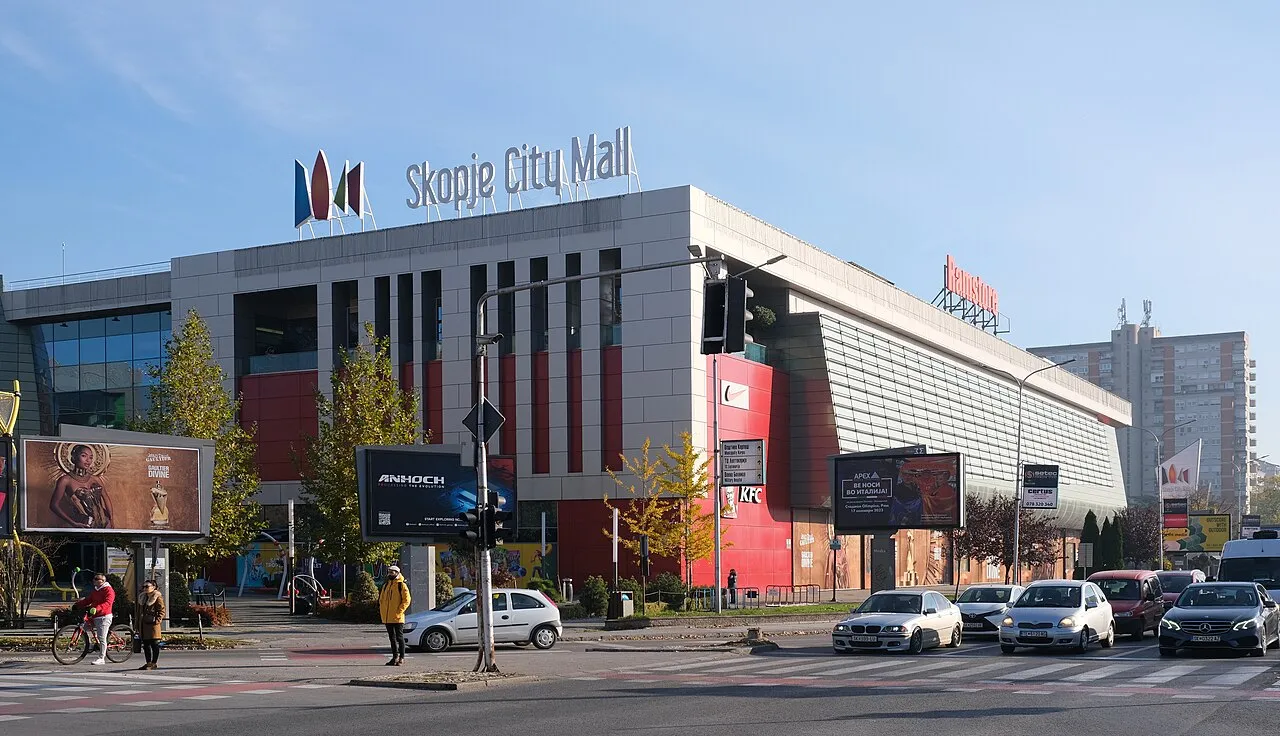
- Shopping centres (malls): 10:00-20:00, provided the centre meets the minimum technical conditions set by regulation. The 8,000 m2 floor-area test you may have read is from the repealed 295/21 text, not the current rule.
- Green markets and flower markets: 08:00-14:00. A morning, with a hard stop.
- Kiosks at fairs and festivals for the run of the event, and small owner-run food shops for a declared eight-hour stretch.
Read that list again and Sunday stops looking like a shutdown. The places a traveller actually spends a Sunday - the bazaars, the lakefronts, the mountain villages - are the ones the law carved out.
Practical takeaway: do the supermarket and hardware runs on Saturday, and keep Sunday for museums, walks, lake time and the bazaars, which are on the tourist-place list rather than behind the ban.
Pharmacies are not part of the Sunday problem, and this is worth being blunt about. The Law on Labour Relations names the activities that have to keep working for society to function, and pharmacies stand in that list beside bread production and the electricity and water utilities. A chemist on a Sunday is a normal thing to find in North Macedonia, so don’t stockpile medication against a closure that the law doesn’t impose.
Money you need on day one
You’ll pay in Macedonian denar (MKD). Euros aren’t legal tender, even when a lakeside waiter accepts them at a rate that favours the till. On 4 September 2026 the National Bank middle rate was 61.495 MKD per euro - useful for mental maths, not a promise that every menjacnica matches it. That date ages better than most: the denar has been held against the euro in practice since 2002, so the rate drifts by small fractions rather than jumping, and a figure you memorise this year will still be close enough next season. Withdraw denar from an ATM, decline dynamic currency conversion, and pay card terminals in MKD. Markets, small taxis and some cafés still prefer cash. Full ATM, tipping and DCC detail sits on the currency page; this tip is only “land with denar in the pocket.”
Phones and data
Landing without data turns a simple Skopje transfer into guesswork. An eSIM you’ve installed before you fly is the low-friction fix for maps, ride apps and bank codes. Local prepaid SIMs can be cheaper on a long stay - compare volumes and coverage on the eSIM guide instead of memorising prices here. Coverage thins in high mountains; download offline maps for Mavrovo, Pelister and Galičica before you leave town Wi-Fi.
Insurance before you fly
Public hospitals exist, and Skopje has private clinics, but care quality varies by town and many providers want cash or card up front. Travel medical cover that includes evacuation is the adult move for a Balkans road trip, not an upsell. Read what your policy doesn’t cover (adventure sports, alcohol-related claims, pre-existing conditions) and keep the insurer’s 24-hour number offline as well as on your phone. Policy shopping and product detail: travel insurance for North Macedonia.
Entry paperwork in thirty seconds
US, UK, EU, Canadian, Australian and Ukrainian passport holders enter visa-free for tourism, and the limit is 90 days in any 180-day period - a rolling count, not a fresh 90 days stamped on each entry. Four governments word it four ways and land in the same place: the FCDO tells British citizens they can visit “for up to 3 months without a visa”, Canada lists a tourist visa as “not required for stays up to 90 days”, the State Department tells Americans to get a visa if they mean to stay longer than 90 days, and Australia’s Smartraveller tells its citizens they “can stay for up to 90 days in a 6-month period without a visa” - the same rolling window, counted in months rather than days. North Macedonia’s own foreign ministry backs the Australian half of that: ask its per-nationality checker about an Australian passport and it answers “not needed”. Check your own nationality on the visa requirements page before you book.
Registration is the rule visitors get wrong, and the law puts it on whoever is housing you, not on you. The Ministry of Interior is explicit: providers of paid accommodation must report your stay within 12 hours, while any other host - a friend with a spare room, a private landlord - has 48 hours, filed at the police station covering that address. The duty only becomes yours if nobody’s reported you. So a hotel or a booked guesthouse settles it at check-in and you never notice it happening; a sofa in someone’s flat needs a conversation on day one. One wrinkle worth knowing: Canada’s official advice tells its citizens 24 hours, which is tighter than the Macedonian text, so if you’re filing it yourself, treat the first day as the deadline and stop arguing with the clock.
Two things the checklists skip. Keep the registration slip until you leave. The FCDO says to carry it for the whole trip and adds that if you registered at the station yourself, you should de-register 24 hours before departure; our moving-to guide reads the statute as attaching that de-registration duty to residence-permit holders rather than tourists, so treat it as cheap insurance and just do it if an officer asks. And the penalty isn’t theoretical: skipping registration can mean a misdemeanour case, a fine, a court hearing, a delayed departure and a restriction on returning to the country. That’s the real content behind the “fined on the way out” stories, and that’s why the slip matters more than the passport photocopy everyone tells you to carry.
Crime and solo-travel risk live on Is North Macedonia safe? - this checklist doesn’t re-argue Level 1 advisories.
Gestures, homes and holy places
A normal head shake means no for most of the country. In eastern areas near the Bulgarian border it can invert - a shake for yes, a nod for no - though the Cultural Atlas describes that habit as one that is becoming less common. Either way, listen for the word and not only the neck. To beckon someone, scoop with the whole hand, palm towards the ground; it reads as more polite than beckoning palm-up. Physical contact between strangers is uncommon, so let the other person set the level of greeting.
Take your shoes off in someone’s home and at the door of a mosque - and keep them on in an Orthodox church or monastery. Getting that backwards is the classic visitor mistake, and Skopje puts both cases within a ten-minute walk of each other: socks in the prayer hall at Mustafa Pasha, shoes on across the river. In both kinds of building, cover shoulders and knees, and women usually want a light scarf for the mosque. Visit mosques outside the five daily prayer times, don’t point your feet at a prayer space, and ask before photographing anyone praying. A few Macedonian phrases - please, thank you, how much - open more doors than perfect grammar.
Bazaar and market etiquette
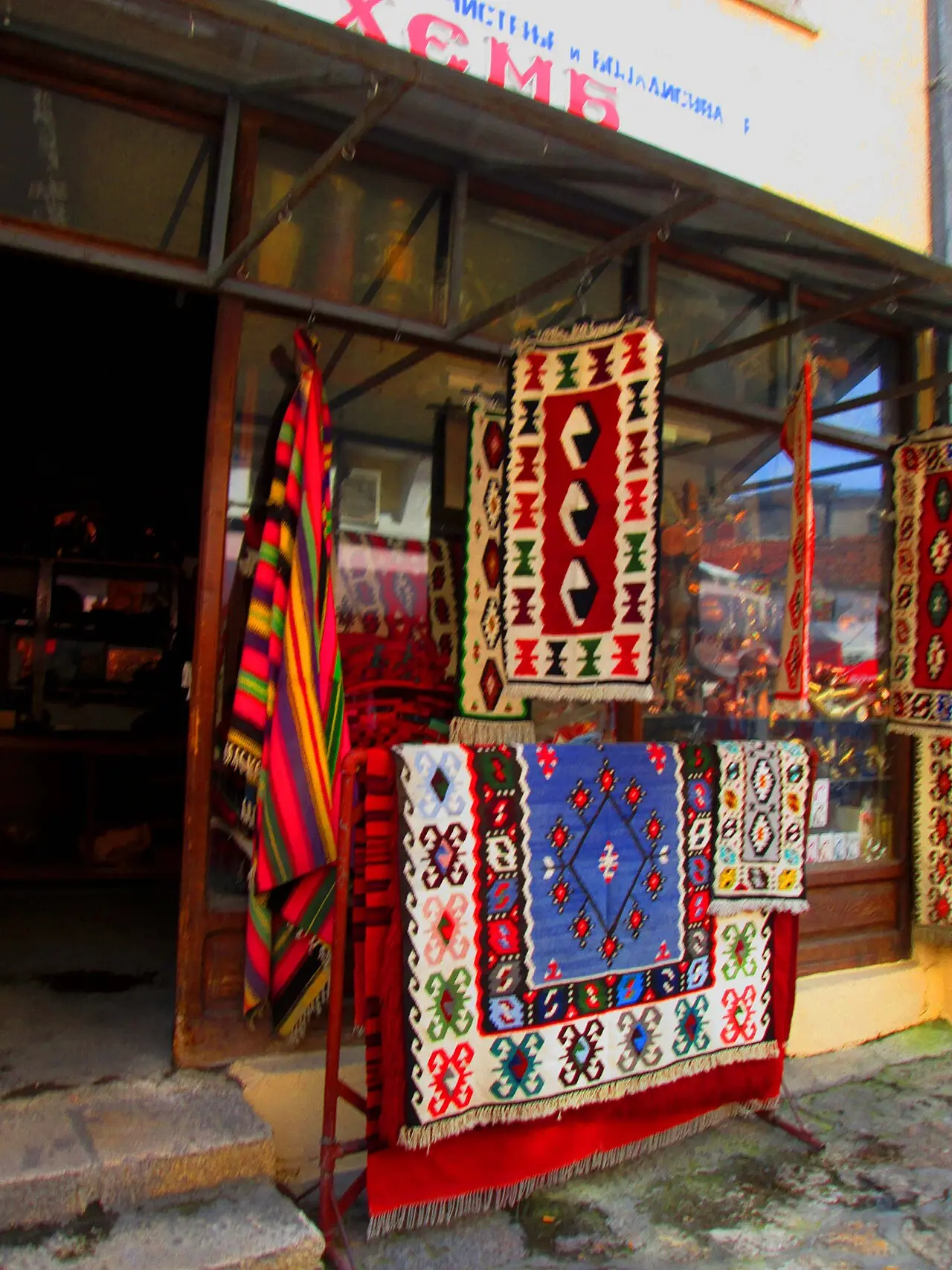
Skopje’s Old Bazaar and the city’s green markets run on cash, small talk and patience. Touch produce only when the seller invites it. Light bargaining on souvenirs and non-food stalls is fine if you stay friendly and accept a firm no; don’t haggle restaurant menus or supermarket tills. Morning is freshest at green markets, and on Sunday it is the only window there is: the trade law lets green and flower markets run 08:00-14:00, so a Sunday market is a firm morning plan with a hard stop, not a hopeful wander. Carry small denar notes - vendors hate breaking a 2000-denar bill for a bag of peppers.
Packing order that saves a day
- Confirm passport validity and visa status for your nationality; print or screenshot the booking the border may ask for.
- Buy and install an eSIM (or know where you’ll buy a local SIM); download offline maps.
- Arrange travel insurance and save the claim number offline.
- Pack a Type C/F adapter; check device voltage labels.
- Withdraw or change a starter stack of denar on arrival; keep a second card separate.
- Plan Saturday errands for supermarkets and high-street shops if your trip includes a Sunday; bazaars, malls, petrol stations and green markets keep their own Sunday hours, and pharmacies work.
- Carry a refillable bottle for sealed water when tap advice is unclear.
- Pack modest layers for churches and a scarf for mosques.
Do that, and your first afternoon goes on Matka or the lake - not on a police station, a dead phone and a supermarket that was never going to be open.
Good to know
Checked 4 September 2026 against what was actually reachable that day: the GOV.UK FCDO and travel.gc.ca entry pages, the Ministry of Interior foreigner-registration page, the Law on Trade exception list (Official Gazette 150/2022) as republished on a gov.mk domain, NBRM exchange rates, WorldStandards plug data, the Food and Veterinary Agency, and the Skopje water utility weekly report. U.S. State Department wording is quoted from the Internet Archive capture of 9 July 2026, because travel.state.gov returns 403 to direct requests. Water notices and Sunday hours change by city - confirm locally close to travel.
Details checked: September 4, 2026
Read also

Before you go · 10 min read
Macedonian for Travelers: Phrases That Open Doors
Updated · August 31, 2026A working Macedonian phrase kit for travelers: Cyrillic, how to say it, and when it helps in a kafana, taxi or market.

Before you go · 9 min read
Skopje vs Ohrid: Which Should You Base Yourself In?
Updated · September 2, 2026Skopje for flights, museums and day trips; Ohrid for the UNESCO lake and summer swimming - about 3 h 20 apart by bus, and most trips work best split.

Before you go · 12 min read
Skopje or Sofia: Which Balkan Capital to Visit?
Updated · September 2, 2026Skopje's rooms cost less, Sofia's airport transfer is easier, and a direct bus links the two in 5h40 for about EUR 27. Here's which to fly into first.

Before you go · 10 min read
Best Things to Do in North Macedonia
Updated · August 17, 2026Lake Ohrid, Skopje's bazaar, Matka Canyon, Bitola mosaics and one mountain or wine day - the first-trip shortlist, with links to the full guides.