
Opening a Bank Account in North Macedonia
Non-resident bank accounts in North Macedonia: the documents Stopanska Banka asks for, real fees from its tariff sheet, and what to bring to the branch.
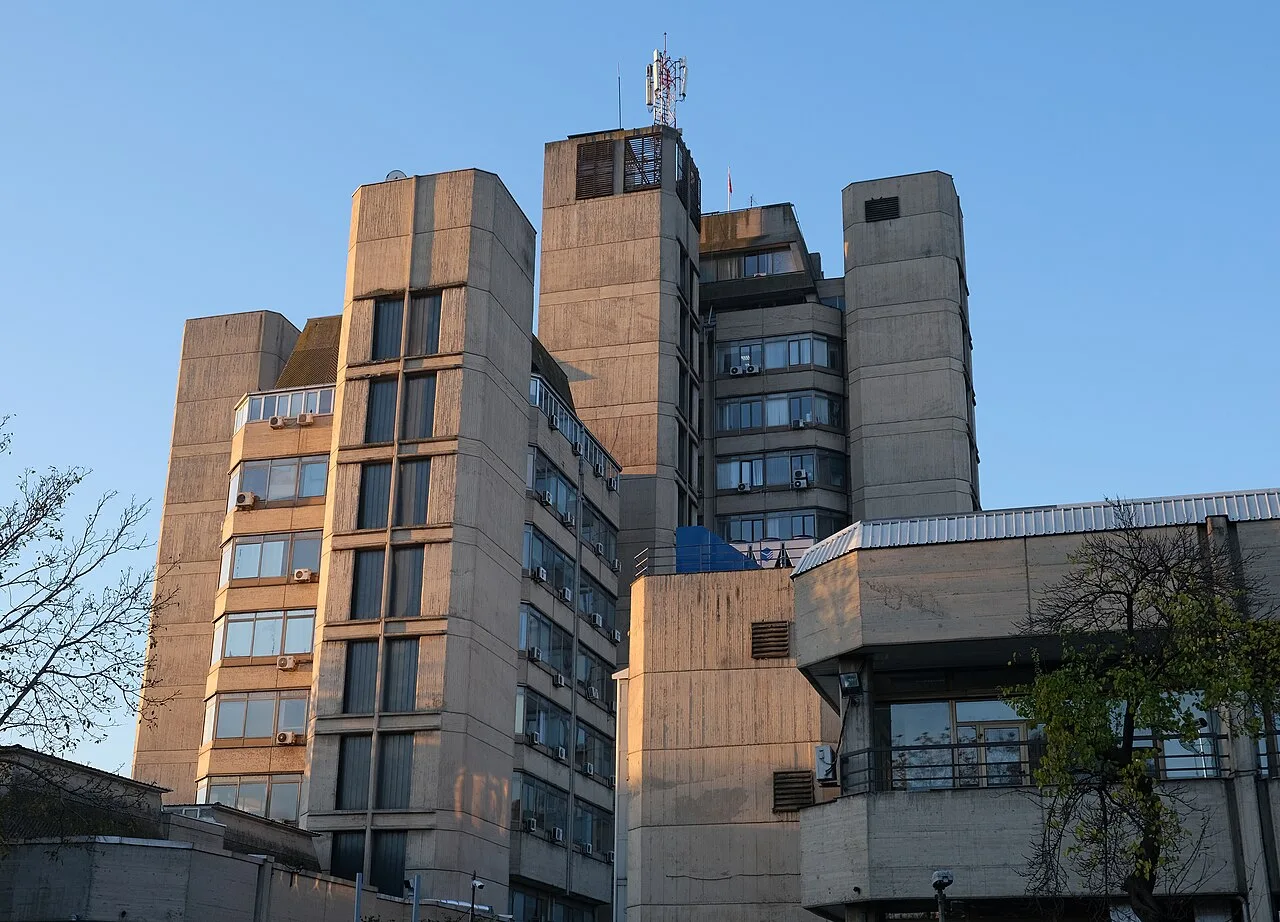
Yes, a foreigner can open a bank account in North Macedonia without holding residency. Stopanska Banka - one of the country’s two largest banks by assets, and the one that actually publishes its non-resident requirements in English - asks for a passport or ID that shows your address abroad, or, failing that, a signed declaration plus a recent utility bill. Expect an in-person branch visit either way: none of the banks checked for this guide will open the account online. Setting up as a business owner instead of an individual? That’s a longer, document-heavy process, covered further down.
The passport isn’t the hard part. What catches people out is that non-resident status doesn’t get checked once and filed away - Stopanska wants your foreign-address proof refreshed at least once a year, or the moment your travel document expires, whichever comes first. Show up eighteen months later with the same paperwork you opened the account with, and don’t be surprised if the branch asks you to update it before doing anything else.
Bank rules and tariffs change - verify before you rely on this. Everything below is checked against the official pages of Stopanska Banka, Komercijalna Banka and the Deposit Insurance Fund on 8 August 2026. Exact fees, minimum deposits and which documents a specific branch accepts on the day can still vary. Call ahead or check the bank’s current tariff before you make the trip, and treat this page as a starting point, not a guarantee.
Resident or non-resident: why it changes what you’re asked for
Macedonian banks sort account applicants into two boxes, and which one you’re in decides the whole conversation. A resident shows ID with a Macedonian address on it - typically because you hold a residence permit and are registered locally - and the process looks close to what a Macedonian citizen goes through. A non-resident is everyone else: a tourist, a remote worker passing through, or someone banking here without living here. That’s the harder path, and it’s the one this guide focuses on.
There’s a middle case worth flagging if you’re partway through relocating: North Macedonia’s central-bank rules on non-resident accounts treat a foreigner holding a residence or work permit valid for six months or more as eligible to be reclassified from non-resident to resident for banking purposes. If your permit clears that bar, ask the branch about it directly - it can simplify the account you already have rather than starting over.
Working toward residency instead of just visiting? Read that process in full first - our North Macedonia residence permit guide covers the work, business and property routes, and having that paperwork in hand simplifies almost everything described below.
What Stopanska Banka asks non-residents for
Stopanska is the obvious starting point simply because it’s the only major bank that spells out its non-resident requirements in plain English on its own site, so it’s what this guide can actually document with confidence. In short, you’ll need one of these:
- A passport or national ID that shows your permanent address abroad - this works automatically if you’re from an EU or Schengen country, or a country with a bilateral travel agreement with North Macedonia.
- If your travel document doesn’t show an address, a signed declaration stating your foreign residence, backed by the bank’s own checks.
- Or a document from a reliable independent source: a utility bill less than three months old, or a driving licence.
There’s one exception worth knowing before you travel: citizens of North Macedonia’s neighbouring countries can’t use the signed-declaration route at all - the bank requires a recent utility bill instead, no exceptions. And whichever route you use, it isn’t a one-time check: Stopanska re-verifies non-resident status at least annually, or immediately if your travel document expires first.
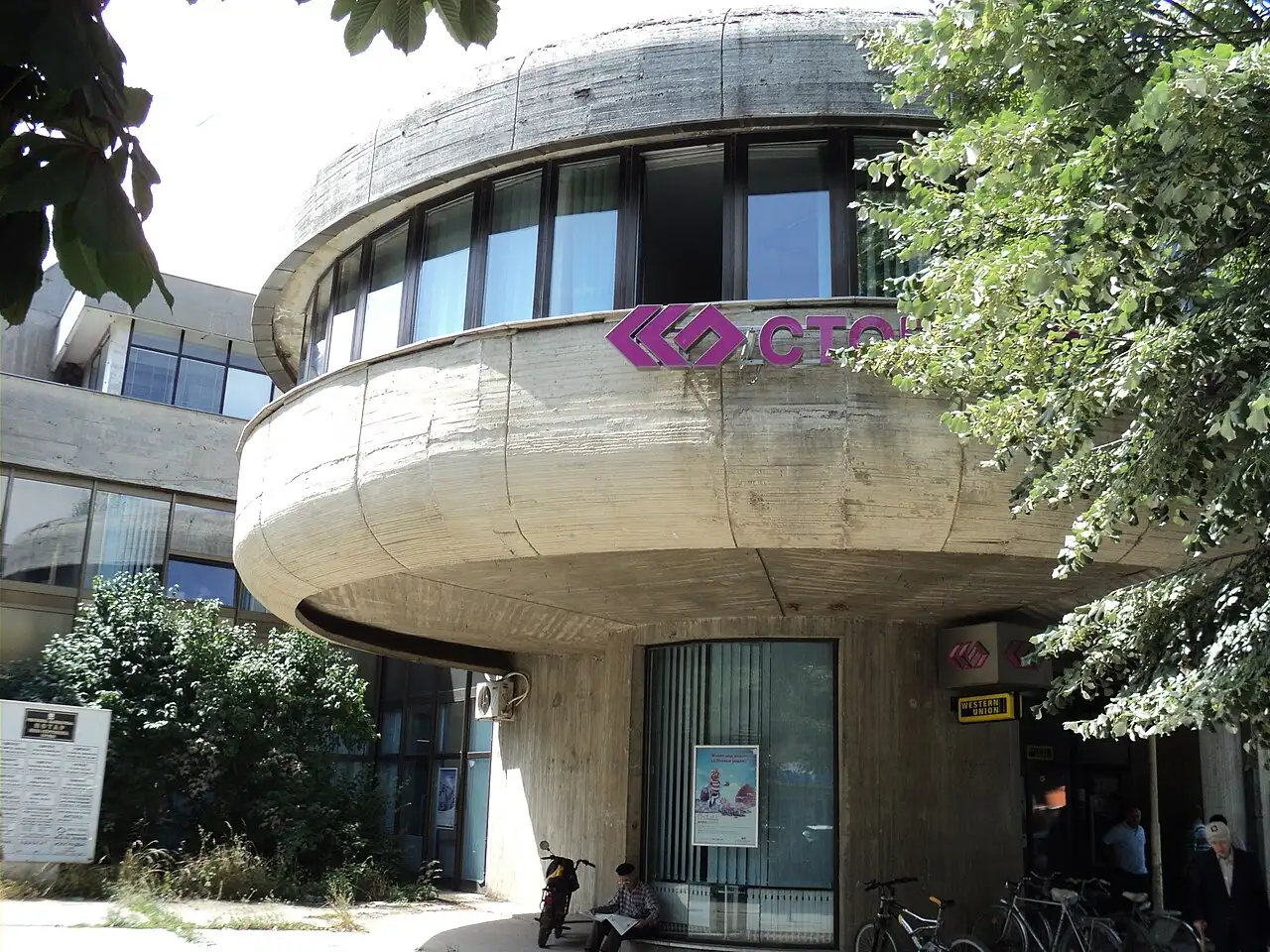
The bank can open accounts for non-residents in both Macedonian denar and foreign currency, and it can ask for additional documents beyond this list at its own discretion - standard know-your-customer practice, not something specific to North Macedonia.
Which bank should you actually walk into?
Stopanska Banka, part of Greece’s NBG Group, has branches well beyond the capital - Skopje, Bitola, Kičevo and most towns of any size, which matters if you end up based outside Skopje. It’s also, as covered above, the bank that documents its non-resident process most clearly. What it isn’t anymore, per the most recent central-bank data, is the largest: Komercijalna Banka overtook it for the #1 spot by assets at the end of 2025 (20.6% of the banking sector versus Stopanska’s 16.8%), even though Stopanska still markets itself that way in places. Worth knowing if a bank’s size is part of your decision.
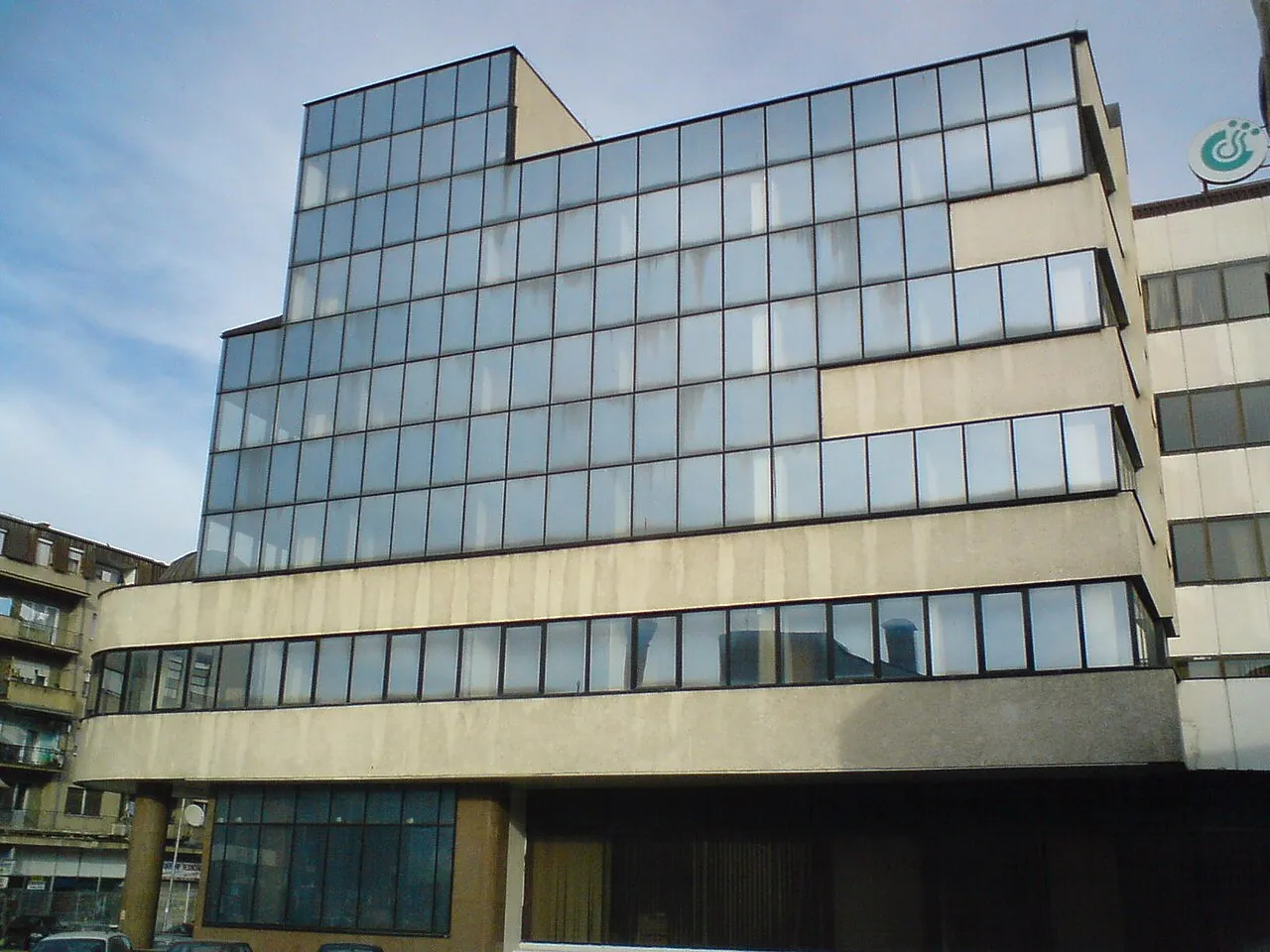
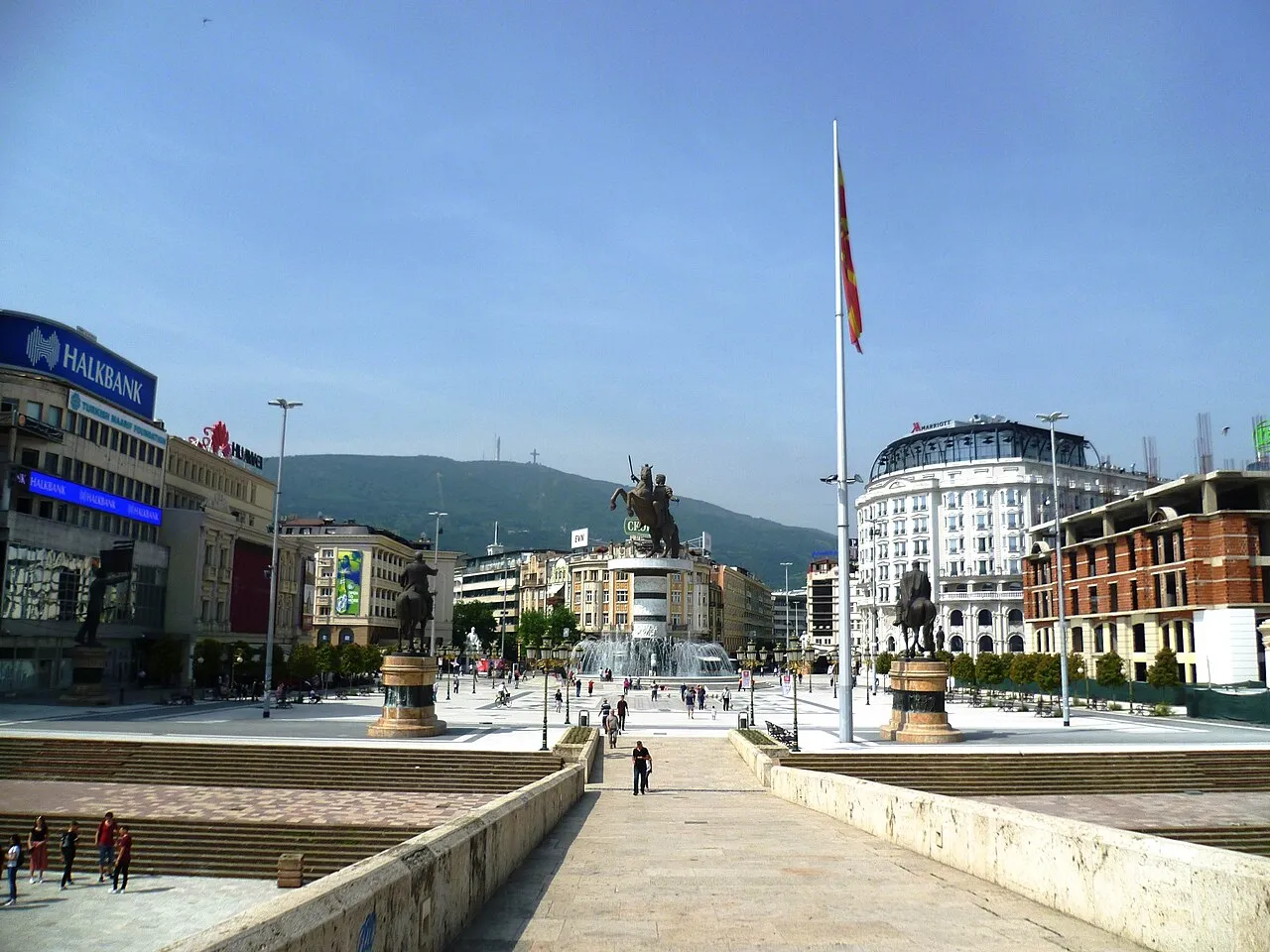
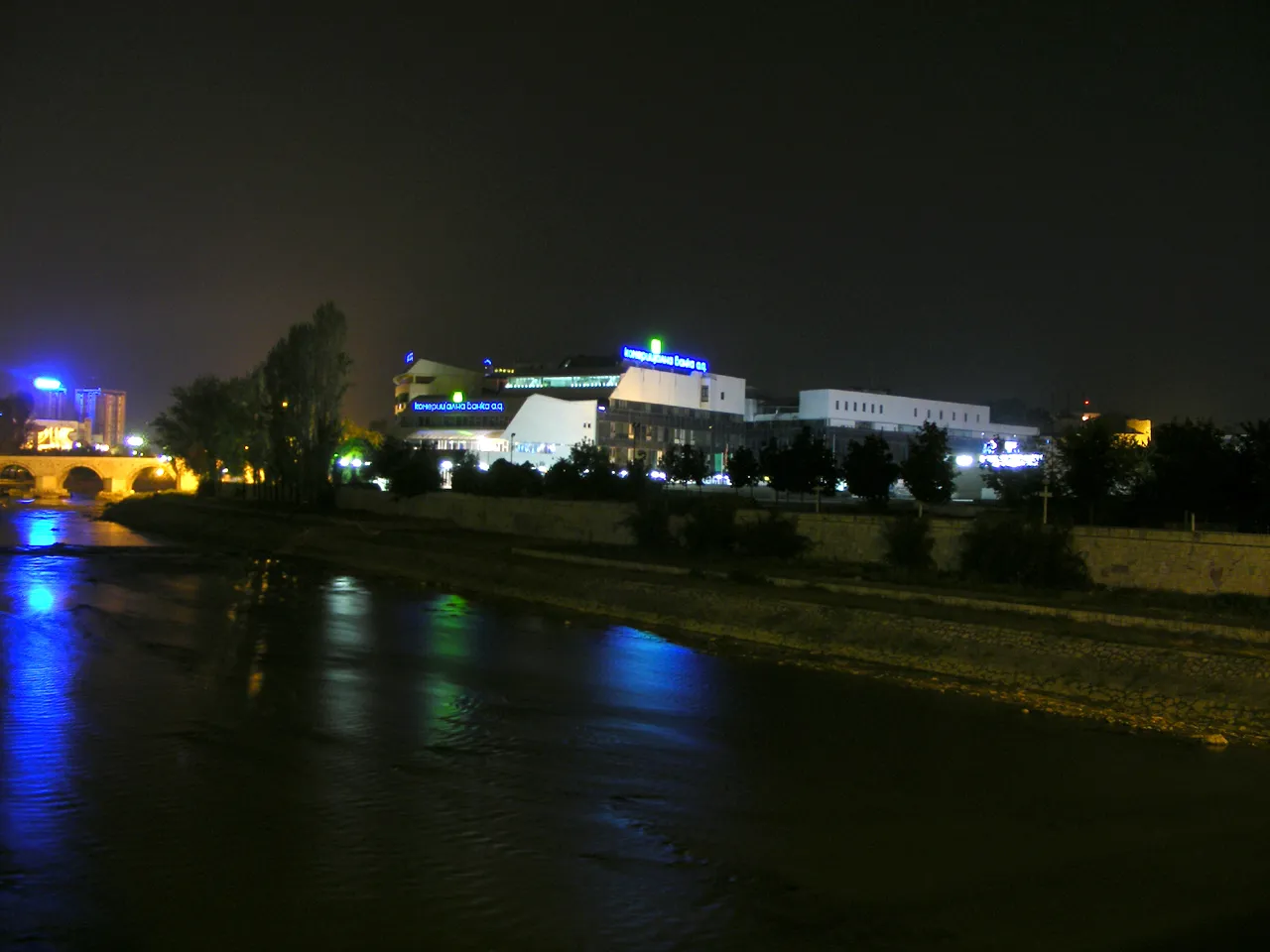
Komercijalna Banka is the other big domestic name. NLB Banka - a subsidiary of Slovenia’s NLB Group, not a domestic bank despite the local branding - and Halkbank (Turkish-owned) round out the country’s four largest lenders; Halkbank’s sign is visible on the skyline right at Macedonia Square in central Skopje.
None of the other three publish an English-language, non-resident document list for individual accounts the way Stopanska does, at least not on the pages this guide could reach - which doesn’t mean they won’t open an account for you, only that you should ask directly what they need rather than assume it matches what’s above. (Komercijalna does publish its own non-resident paperwork, but for company accounts - a different list, covered below.)
Practically, that means the sensible approach isn’t picking a bank off a list - it’s walking into two or three branches around Macedonia Square or the Centar district, asking what they need from someone in your situation, and comparing on the spot. It costs you an afternoon and saves you a wasted trip with the wrong document in hand.
Opening a business account instead
Everything above is for a personal account. If you’re setting up a company here rather than banking as an individual, the paperwork is a separate, heavier list - Komercijalna Banka’s own published requirements for a non-resident foreign organisation include a formal request letter, a specimen signatures card, a certificate of incorporation or trade register extract less than three months old, a notarised power of attorney, and notarised passport copies for every authorised signatory. Documentation needs to be original or certified, ideally in English with a Macedonian translation, and refreshed every two years.
In practice, this only comes up once you’ve already registered a DOO or DOOEL - our guide to registering a company and the flat 10% tax walks through that process, including the point where you’ll need to show up at the bank in person to finalise the account and deposit the founding capital. Do the company registration first; the business account follows from it, not the other way around.
Getting set up before your first branch visit
A few things are worth sorting before you walk in, so the visit doesn’t turn into a second trip. Data matters more than you’d think here - you’ll want maps and your banking apps working before you’ve even found the branch, and an eSIM you activate before you land covers that from the moment you touch down. What an eSIM won’t do is give you a Macedonian phone number: providers like Yesim sell data-only plans, so if the bank wants to text or call you a verification code, that won’t reach an eSIM. For that you need an actual local SIM - an A1 prepaid card, bought in person at an operator store with your passport, which takes about ten minutes and solves the problem properly (our eSIM guide has the full price breakdown of both options). Bring your passport, a second form of ID if you have one, and whatever address proof applies to your situation from the list above. If you’re already a resident, bring your residence permit; if you’re opening a business account, bring your company’s EDB tax number, issued alongside registration by the Central Registry.
Most branches don’t take appointments for a first account opening - you queue like everyone else - so arrive earlier in the day rather than late afternoon, when queues at the busier central branches build up.
Fees, cards and everyday banking
Stopanska publishes an actual tariff sheet, and it’s worth reading before you assume nobody will tell you the numbers. Opening a personal account costs nothing, whether it’s in denar or foreign currency. Monthly maintenance is free on a denar account; on a foreign-currency account, it’s 30 MKD a month (about half a euro), and only in months where the account actually sees activity. Transfers, card issuance and everything else sit on the same published tariff - current as of 31 December 2025, and it updates periodically, so check the live PDF on the bank’s site or ask the branch for the current sheet, not a number from an old blog post.
Beyond the fee sheet: you can hold the account in denar or a foreign currency, whichever suits how you’re paid, so you’re not forced to convert every transfer the moment it lands. The denar’s steady rate against the euro (around 61.5 MKD to EUR 1, holding since 2002) keeps the mental maths simple even if you’re earning abroad - a bill in denar converts to euros or dollars without the currency risk of a freely floating rate.
Is your money protected? Deposit insurance
North Macedonia’s Deposit Insurance Fund covers up to EUR 30,000 in denar equivalent per depositor, per bank, including interest accrued up to the date of any insured event. The Fund is explicit that this includes you as a foreigner: coverage extends to “deposits of resident and nonresident households (natural persons)” at any insured bank or savings house in the country, so nationality isn’t a barrier here the way it can be elsewhere.
One thing the scheme doesn’t cover: businesses. That EUR 30,000 guarantee is for natural persons only, so if you’ve gone the DOOEL/DOO route above, the company’s account carries none of this protection - worth factoring in before parking a large balance there.
Who should open an account here, and who can skip it
If you’re spending a week or two in the country as a tourist, skip this entirely - cards and cash cover you, and there’s no reason to sit through a KYC conversation for a trip that short. If you’re a remote worker settling in for months, on a residence permit or working toward one, a local account genuinely helps: paying rent, splitting bills and using local apps all get easier once you’re not routing everything through a foreign card. It’s also a natural point to check your health and travel cover is sorted for a longer stay - a Macedonian bank account doesn’t include that, and it’s easy to let slide once the harder admin is done.
And if you’re setting up a DOOEL or DOO, the business account isn’t optional - the company can’t pay a supplier, draw a salary or take a client payment without one. You’ll need to show up in person to finalise it and deposit the founding capital once the Central Registry has issued your decision and EDB number, so budget that branch visit into your first couple of weeks, not as an afterthought.
Read also
- The day-to-day of living here: living in Skopje and Ohrid as a nomad
- What it actually costs to live: cost of living in North Macedonia
- Setting up a company first: register a company (DOO/DOOEL) and tax
- Staying long-term, legally: North Macedonia residence permit
Read also

Relocation · 16 min read
HIF Health Insurance North Macedonia 2026: Who Can Join
Updated · September 5, 2026North Macedonia public health insurance (HIF/FZO) for foreigners: Article 5 grounds, 8-day ZO-1 registration, 8% health contribution, 20% co-pay cap. 2026.

Relocation · 10 min read
Moving to North Macedonia: Start Here
Verified · September 3, 2026Move in order: entry, police registration, residence, housing, tax, health. Live numbers sit on the linked pages, not here.

Relocation · 11 min read
Healthcare in North Macedonia for Expats
Updated · September 5, 2026How expats and nomads use North Macedonia public HIF, private clinics in Skopje, and when long-stay cover still matters. Checked 30 Aug 2026.

Relocation · 12 min read
Buying Property in North Macedonia as a Foreigner
Updated · August 24, 2026Can foreigners buy in North Macedonia? EU/OECD rules, cadastre checks, notary steps, transfer tax, and the EUR 40k residence link - checked Aug 2026.