
Retiring in North Macedonia 2026: Costs, Health & Cities
North Macedonia has no retirement visa. What a retiree can apply on, what a pension must cover, insurer age limits, tax, and Skopje vs Ohrid vs Bitola.
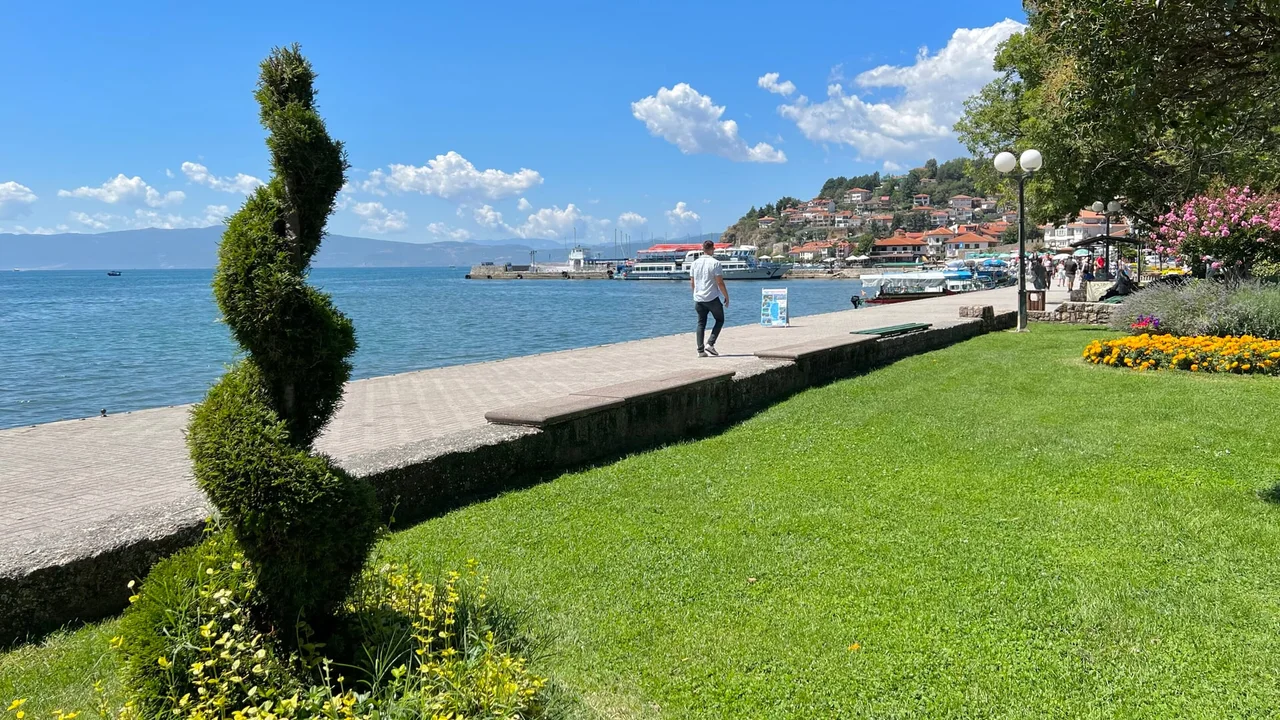
North Macedonia doesn’t have a retirement visa, and that one fact decides how a retiree can move here. The Ministry of Foreign Affairs lists the grounds for temporary residence, from work and study to a place in a nursing home, and a pension isn’t on the list. Retirees from the US, UK, Canada and Australia therefore arrive on a different ground (in practice a home purchase, family ties or Macedonian roots) or use the 90 visa-free days in any 180 while they decide. Everyday costs are the easier part: the cost of living guide puts one person in Skopje at about €700-1,000 a month all in. The harder parts are one long-stay insurer’s age limits at 64 and 69, a residence file that wants health cover, and a tax question the official pages leave open.
Read this first. This is orientation, not legal, tax, immigration or insurance advice. The ministry’s website wouldn’t load when we checked on 24 October 2026, so its list of residence grounds below comes from the version search engines show - open the live page before you plan around it. Confirm your own case with the Ministry of Interior, the Health Insurance Fund, the Public Revenue Office and a licensed local adviser.
What the residence rules leave a retiree
The ministry’s page on entry visas lists the grounds for temporary residence: work, study, international student exchange, specialisation and training, volunteering, scientific research, medical treatment, accommodation in a nursing home, family reunion and humanitarian reasons. Further down it adds close family of a citizen, people of Macedonian origin and children of foreigners born here. A nursing-home placement is the nearest the list gets to age, and it describes a bed in an institution, not a pension-funded life in a flat.
For most retirees without family or roots here, that leaves the investment ground, unless you’ll genuinely run a company here, a route that needs a work permit as well as residence. A foreign resident of an EU or OECD member state who has acquired an apartment, an apartment building or a house here worth at least €40,000 can apply for temporary residence. The US, UK, Canada and Australia are all OECD members. The ministry says “resident” while some law-firm summaries say “citizen”, so ask the consulate which test your file will meet. The permit runs for up to a year and renews year by year. It isn’t renewed if you were away for more than a quarter of the period without a justified reason. On a one-year permit that’s about three months, so if you plan long summers back home, ask what counts as a justified reason before you buy. The file still has to show means of subsistence, accommodation, health insurance and a clean record.
That last list matters more than it looks. The September 2025 amendments dropped the proof of means and of health insurance for some applicants; the law-firm summary names people applying on employment grounds and immediate family of citizens. A retiree fits neither of those groups, so cover is a document in the file, not a nicety; confirm the list with the ministry. A pension is the obvious proof of income, but what the Ministry of Interior accepts as proof is its call, so ask for the document list before you pay a deposit on anything. The €40,000 is the value at which the ground opens, not what a home costs: buying property covers who can own what and how a purchase closes, and the residence permit guide covers every other part of the file. Mind the order, too: the Ministry of Interior’s decision on temporary residence comes first, and where a long-stay (D) visa is needed, its application follows it.
If a parent or grandparent came from here, or you’re married to a citizen, the family and origin grounds may be simpler than a purchase; the consulate can tell you which papers prove it. Not ready to commit? Passport holders from the US, UK, Canada, Australia and the EU can stay 90 days in any 180 without a visa (entry rules). Those days give you no residence permit and don’t put you on the health fund, though they do count towards the 183-day tax test below.
What the pension has to cover
| Planning line (2026) | Per month, all in |
|---|---|
| One person renting a one-bedroom flat in Skopje | €700-1,000 |
| A couple sharing, Skopje | €1,200-1,600 |
| One person living frugally in Bitola, cooking at home | €550-800 |
These are the cost guide’s planning ranges, rechecked on 11 August 2026, not quotes: no landlord registry publishes a city average, so look at live listings before you sign a lease. Ohrid is a separate case, and the rentals guide explains why. For city-by-city prices line by line, the cost index compares Skopje, Ohrid and Bitola.
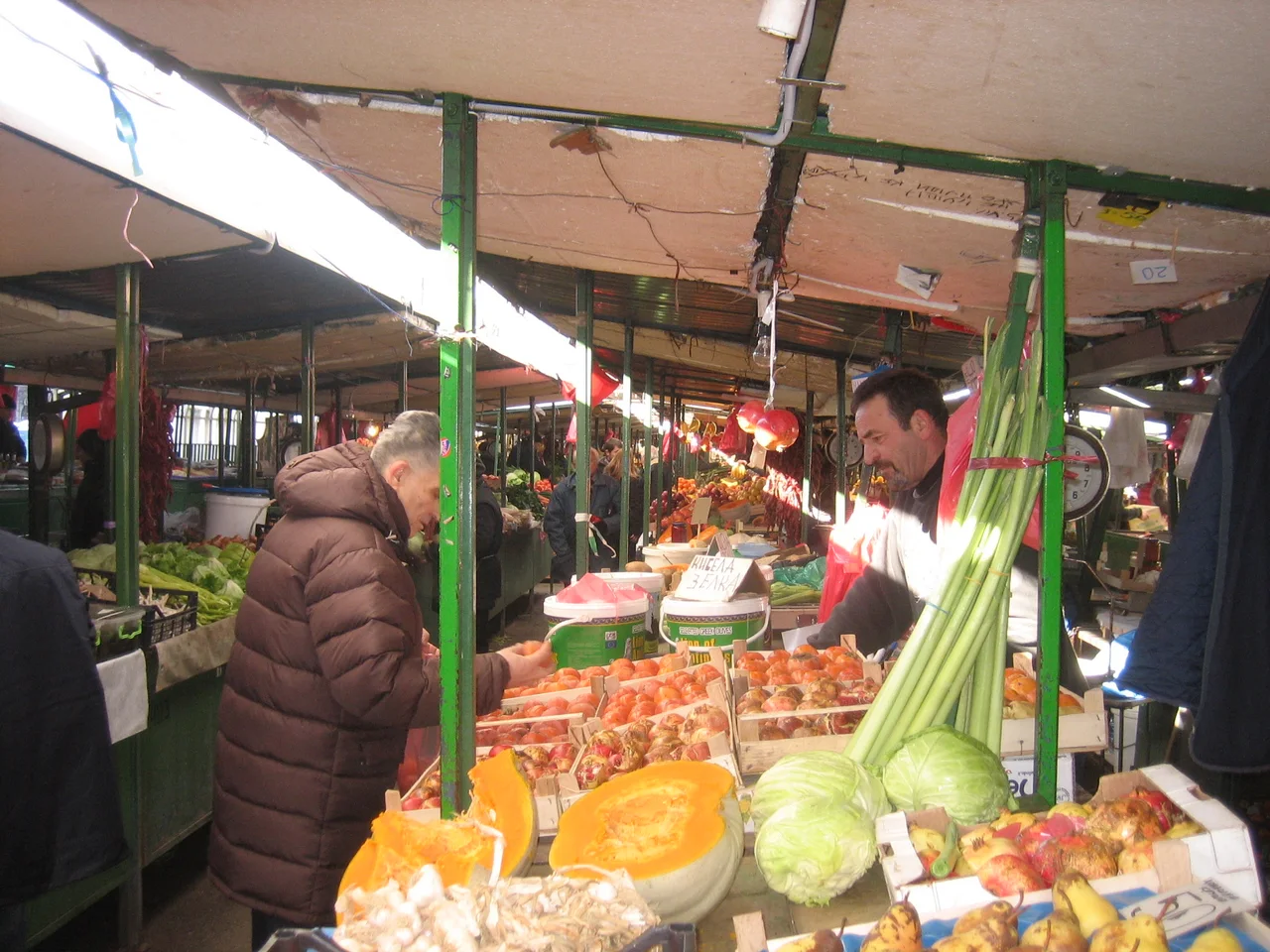
What the ranges leave out is a retiree’s own extras: private medical cover priced by age, every prescription while you’re outside the Fund and off-list medicines after you join, flights home for family visits, and the deep-winter rise in utility bills above the cost guide’s usual band.
One quieter point is the currency. The National Bank has steered the denar against the euro since January 2002, so a pension paid in US dollars, pounds, or Canadian or Australian dollars buys more or fewer denars as that currency moves against the euro. A foreign-currency account softens the conversions, and opening a bank account lists what the branch asks for.
Health cover: the part with an expiry date
The public Fund is the open question. The Health Insurance Law insures people by ground - a job, self-employment, a company manager’s seat, a student place, a spouse - and a foreign pensioner whose household has no member on a Macedonian payroll doesn’t fit any of them. The law adds an accession route for people on a foreign pension where North Macedonia has a social-security agreement that covers health insurance, but the Fund reads that route as citizens-only, so the regional office has to answer for your case (the HIF guide has the articles). A pension agreement isn’t automatically a health agreement: Canada’s agreements, for instance, refer to the Old Age Security Act and the Canada Pension Plan. Until the office answers in writing, you’re a self-paying patient.
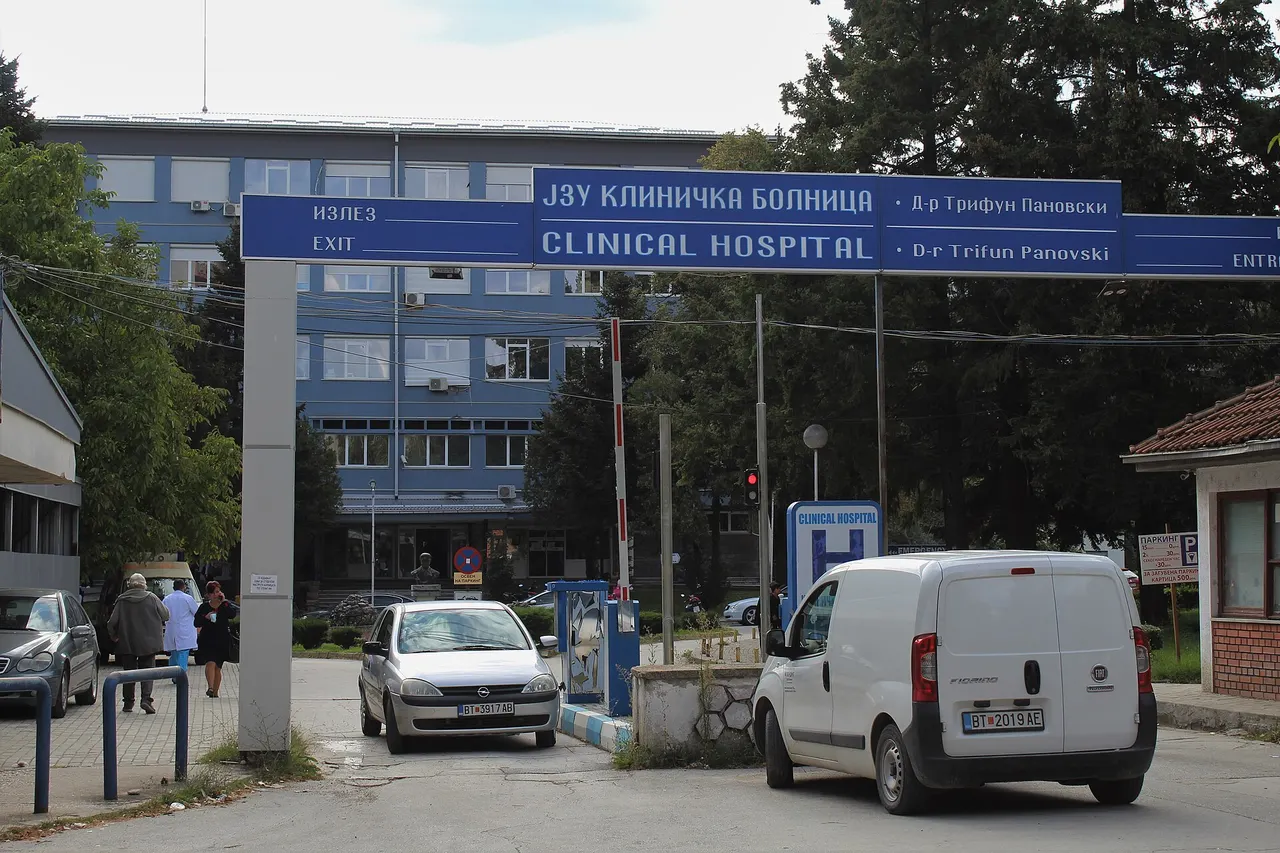
Home coverage won’t follow you. Medicare’s own page on travel outside the U.S. says it usually doesn’t cover health care there and that Medicare drug plans don’t cover prescriptions bought abroad. British passport holders have an emergency-only reciprocal agreement, which GOV.UK describes for UK citizens and residents visiting, not for people who live here; the healthcare guide explains it, and it isn’t a substitute for cover.
That makes private cover the working plan, and private cover has its own age limits. SafetyWing’s help page on age limits says its Essential plan can be bought up to age 69; if you turn 70 mid-term the plan runs to the end of that term, and a new one is off the table. Its Complete plan can be joined from 18 until you turn 64, and renewed for life if you joined in time. Neither covers pre-existing conditions, and the operator says Essential “should not be used as ongoing health insurance”. Put that on a timeline. Someone who retires at 63 and joins Complete can keep it for life, provided the renewals continue without a gap. Someone who arrives at 66 can at most bridge with Essential, bought a term at a time, where a condition that starts in one term generally counts as pre-existing in the next. Essential also doesn’t cover your home country, which SafetyWing defines as where you principally reside and receive regular mail, so once North Macedonia is that place, ask the insurer in writing whether the plan still covers you here. At 70 or over neither of SafetyWing’s two Nomad Insurance plans takes a new buyer, so start with insurers that write cover at your age: ask each for the age limit and the pre-existing wording in writing, and ask the Ministry of Interior whether it accepts the policy for your file before you pay for a year.
Medicines are the other age-linked cost. The State Department’s warning that insulin isn’t available to non-citizens, the advice to carry chronic medication in original packaging with a prescription, Skopje’s winter air and the private hospitals most expats use are all in the healthcare guide.
Your pension abroad, and where it’s taxed
Where your pension comes from changes how smoothly it travels. GOV.UK lists North Macedonia among the countries where a UK State Pension usually gets its yearly increase, so a British pension paid here usually rises each year, unlike one paid in Canada, where the same page says it doesn’t. Canada has a social security agreement with North Macedonia, effective 1 November 2011, and Australia has one too; ask Service Canada or Services Australia how the agreement treats your own payments here. Americans should ask the Social Security Administration whether and how a US benefit is paid to North Macedonia before the move. US citizens stay inside the US tax net wherever they live: the IRS says worldwide income is taxable and the filing rules are generally the same abroad.
North Macedonia’s own side starts with residence. You’re a tax resident if you have a permanent residence here or spend 183 days or more in any 12-month period, whether or not you hold a permit, and residents are taxed on worldwide income (PwC, reviewed in July 2026); a flat 10% rate has applied to most income since 1 January 2023. The UK is on North Macedonia’s list of double tax treaties; the US, Canada and Australia aren’t, so relief there runs through the domestic credit rule, which stops at what the Macedonian tax on the same income would have been. What the pages we checked don’t say is how a foreign pension is classified or which allowances reach it, and the one Public Revenue Office notice we found that mentions pensions from abroad dates from 1 October 2008 and is too old to rely on. Budget as if the 10% applies until the Public Revenue Office or an accountant tells you otherwise. The taxes guide has the treaty position for each country, the monthly and yearly filing dates and the annual tax reduction.
Skopje, Ohrid or Bitola
Where you live decides how far you are from a specialist, an airport and a summer crowd, so choose the city by what you’ll need in year three, not in week one.
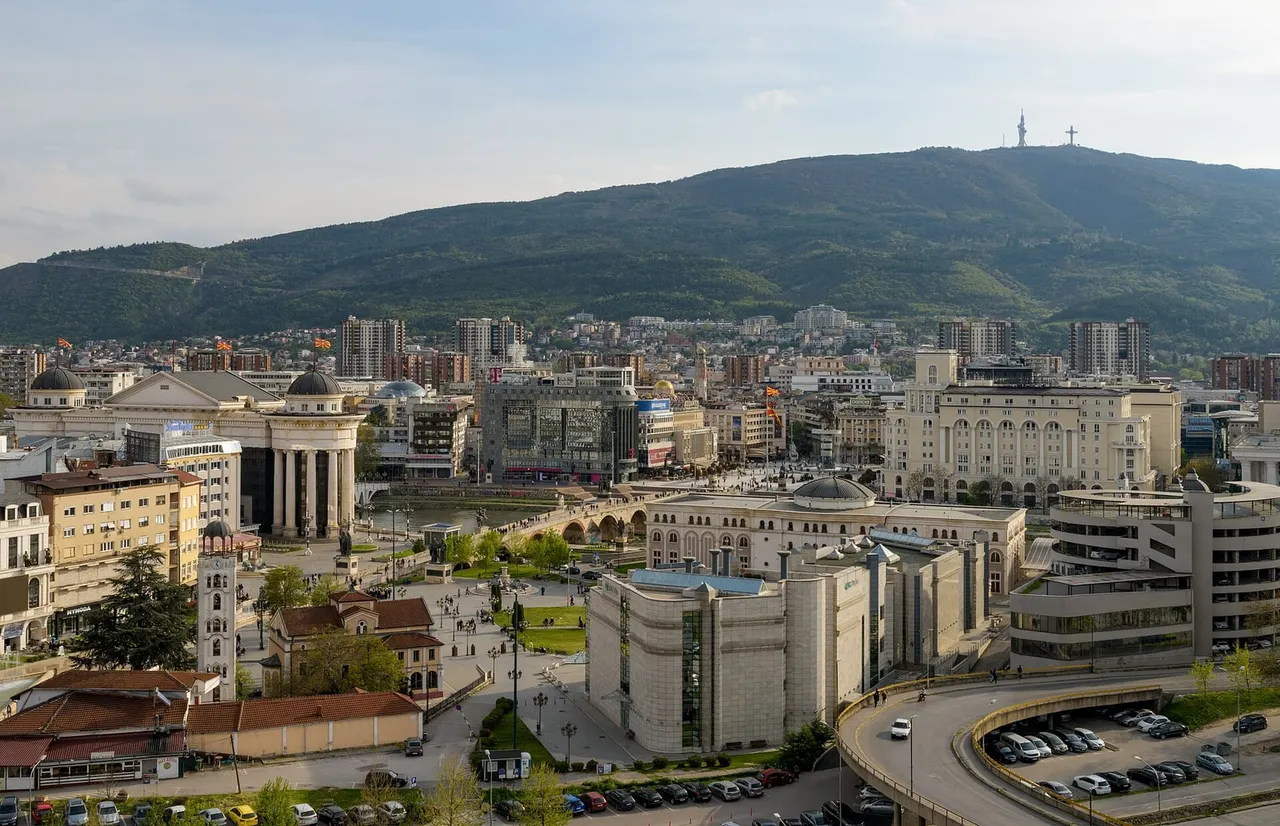
| Care | Getting home | The catch | |
|---|---|---|---|
| Skopje | Most of the private hospitals and specialists on the U.S. Embassy’s medical list | Year-round international flights, a short transfer from the centre | Winter air pollution, and the pace of a capital city |
| Ohrid | A regional hospital and the St. Erazmo orthopaedics and trauma hospital | Ohrid’s own airport: a few routes in winter (Vienna, Zurich and German cities in 2025/26), more in summer 2026, including Gatwick and Manchester (flights guide); otherwise Skopje, a few hours by road | A summer holiday-let market; lease advice below |
| Bitola | A regional hospital and a lab branch on the Embassy’s list | Ohrid’s airport or Skopje’s, both by road (Skopje to Bitola) | A shorter list of private clinics, and far fewer visitors |
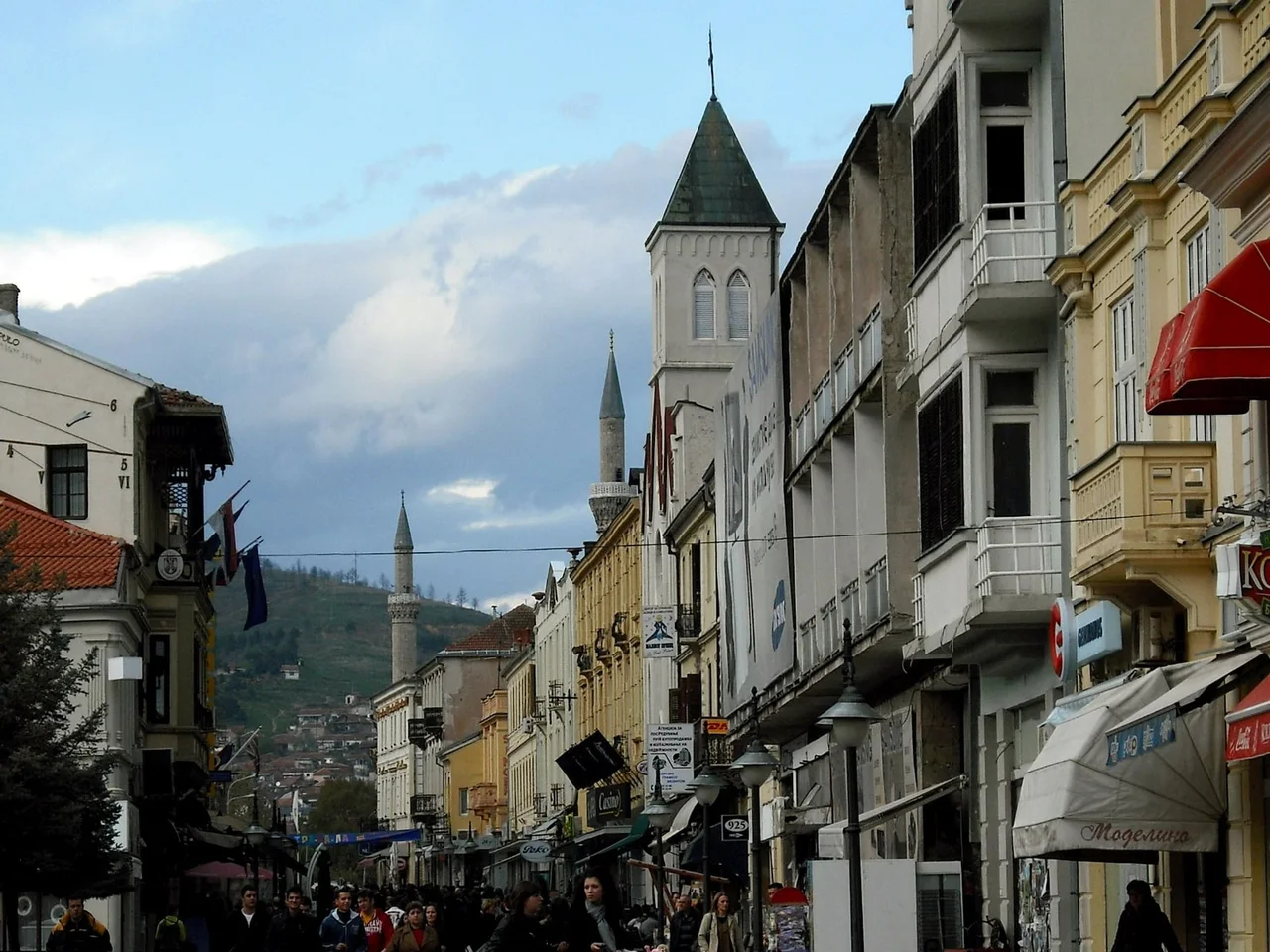
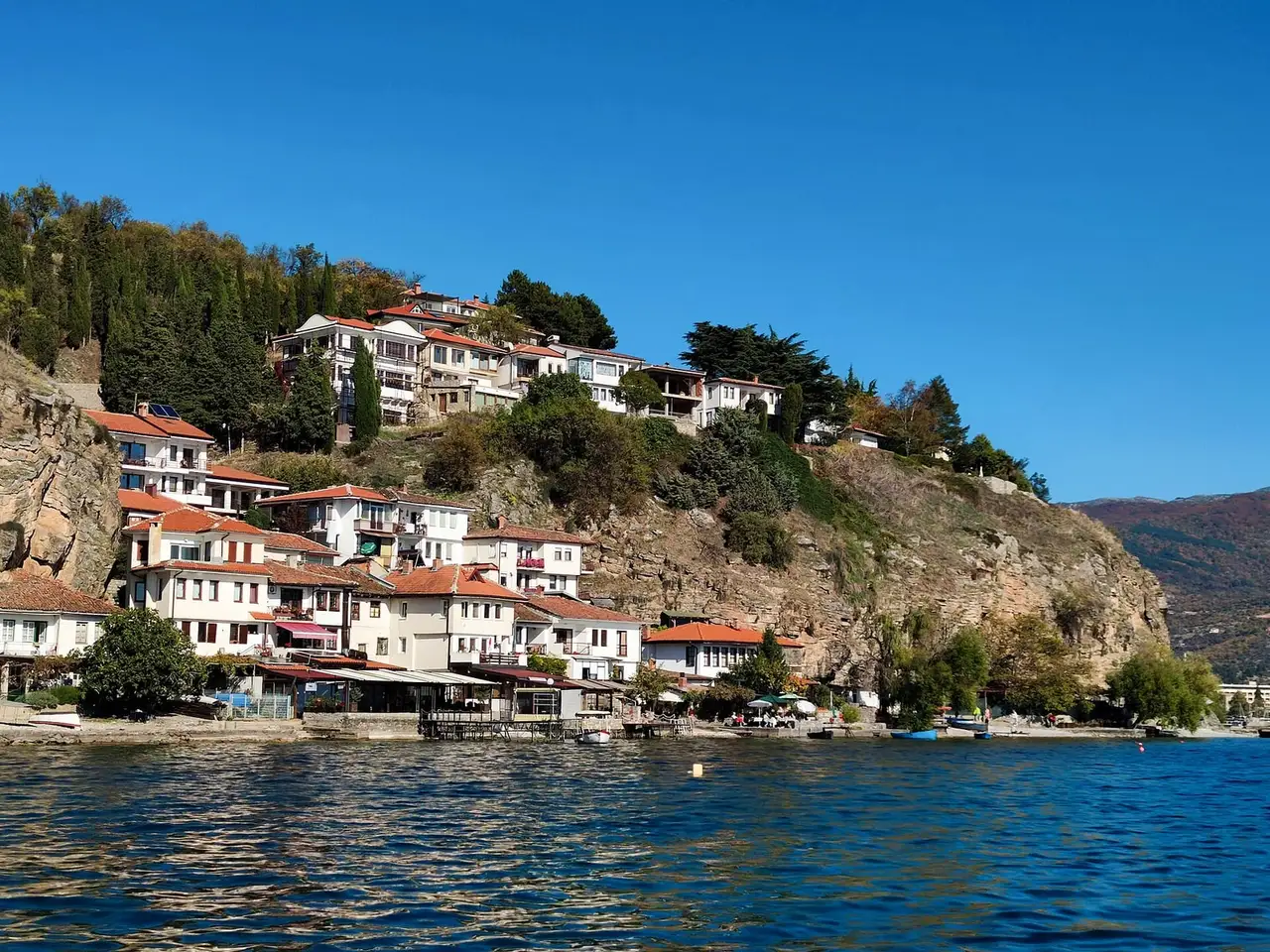
The cost index finds no seasonal spike in Bitola, while Ohrid is the priciest of the three in July and August. If you expect regular specialist visits, Skopje takes most of the worry out of the choice. If the lake is the point, sign the Ohrid lease in autumn or winter, as living in Skopje and Ohrid suggests, and spend a first winter there before you buy anything. If calm and cost matter more than a long list of clinics, Ohrid vs Bitola compares the two southern towns.
Put it in writing: three offices, three questions
- Ministry of Interior (or the consulate that forwards your file): which documents prove means of subsistence for a property-based application, and whether it accepts a health policy with an age ceiling and pre-existing exclusions.
- The Health Insurance Fund’s regional office for the town you’ll live in: whether a retiree on your country’s pension can join through the law’s accession route (Article 5, paragraph 3), and on what terms.
- Public Revenue Office or a licensed accountant: how your pension is classified, whether it’s reported monthly or yearly, and which allowance applies.
Keep the dated replies: a budget built on those three answers will hold up better than one built on a forum thread.
Good to know
Residence grounds, pension rules, insurer age limits and tax rules below were checked on 24 October 2026 against the Ministry of Foreign Affairs page as its search listing showed it, GOV.UK, the Canada Revenue Agency, Medicare.gov, the IRS, PwC tax summaries and SafetyWing's own help pages. Rules and policy terms change - confirm your own case with the Ministry of Interior, the Health Insurance Fund, the Public Revenue Office and a licensed local adviser.
Details checked: October 24, 2026
Read also

Relocation · 16 min read
HIF Health Insurance North Macedonia 2026: Who Can Join
Updated · September 5, 2026North Macedonia public health insurance (HIF/FZO) for foreigners: Article 5 grounds, 8-day ZO-1 registration, 8% health contribution, 20% co-pay cap. 2026.

Relocation · 10 min read
Moving to North Macedonia: Start Here
Verified · September 3, 2026Move in order: entry, police registration, residence, housing, tax, health. Live numbers sit on the linked pages, not here.

Relocation · 11 min read
Healthcare in North Macedonia for Expats
Updated · September 24, 2026How expats and nomads use North Macedonia public HIF, private clinics in Skopje, and when long-stay cover still matters. Checked 30 Aug 2026.

Relocation · 12 min read
Buying Property in North Macedonia as a Foreigner
Updated · August 24, 2026Can foreigners buy in North Macedonia? EU/OECD rules, cadastre checks, notary steps, transfer tax, and the EUR 40k residence link - checked Aug 2026.