
North Macedonia Cost Index 2026: Skopje vs Ohrid vs Bitola
Skopje vs Ohrid vs Bitola prices side by side: a 2026 cost index in denar and euro for beds, transport, fuel and sights, plus daily budgets.
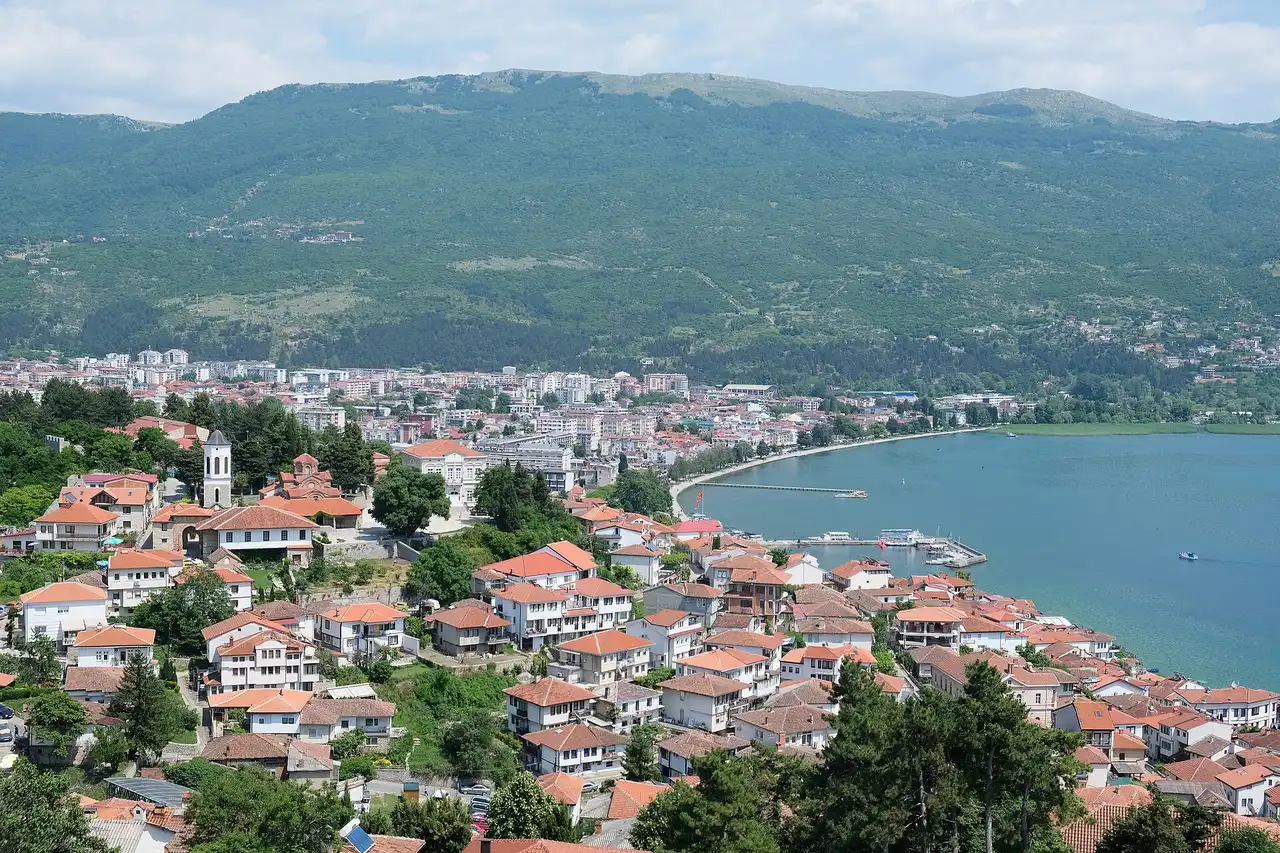
Bitola is the cheapest of North Macedonia’s three main travel bases on accommodation, Skopje sits in the middle with the widest choice of everything, and Ohrid is the priciest - above all for a bed in July and August. This page lines up real 2026 prices so you can see the gaps at a glance: what the same dorm bed, taxi, museum and day tour cost in each city, in denar (MKD) and euro, plus a daily budget for every travel style. Because the denar is pegged to the euro, none of these numbers lurch with the exchange rate - you can price the whole trip before you land and still be right when you arrive.
The short version: the gap between the three cities is tiny on a coffee and huge on a summer hotel room. Get the accommodation timing right and where you base yourself matters far less than the calendar.
Currency converter
- MKD
- 5,489
- USD
- $100
- EUR
- €89.25
- GBP
- £75.62
How this cost index works
Every figure below is a 2026 range, not a fixed quote, and it comes from a real fare-setter rather than a single averaging site: fuel is the national regulator’s own price, the Skopje and Ohrid taxi rows are published municipal tariffs, Bitola’s bus fare is the municipal operator’s own rate, beds are pulled from live listings, and entry/tour prices are what operators charged in 2025-2026. Coffee and beer are spot-checked against real venues and current local press for Skopje only - we could not find an equally dated, itemised source for Ohrid or Bitola, so those cells say so rather than guess, and the same goes for a sit-down meal in any of the three cities. Denar converts at roughly 61.5 MKD/€1.
One honest caveat beyond that: accommodation is the noisiest line of all - it swings by platform, by day of the week and, in Ohrid, wildly by season. Where a number moves a lot, I’ve given a band and said so.
Skopje vs Ohrid vs Bitola: the 2026 price table
Here’s the whole comparison in one place. Everyday items show denar with the euro equivalent; beds and tours show euro bands because that’s how they’re booked.
| What it costs | Skopje | Ohrid | Bitola |
|---|---|---|---|
| Hostel dorm bed / night | €10-14 | €10-15 | €10-13 |
| 3-star hotel, double / night | €35-60 | €40-70* | €28-50 |
| Short-term apartment / night | €30-55 | €25-80* | €20-45 |
| Coffee (espresso/cappuccino) | 80-150 MKD (€1.30-2.45)† | no dated figure found | no dated figure found |
| Draught beer, 0.5L | 150-300 MKD (€2.45-4.90)† | no dated figure found | no dated figure found |
| Local transport ticket | 35 MKD (€0.57), JSP card fare | no published municipal tariff found | 30 MKD flat, Bitola City Bus |
| Taxi: start fee | 50 MKD, official fuel-linked tariff‡ | 50 MKD day / 100 MKD night, official municipal tariff§ | no published tariff - agree the fare before you set off |
| Petrol, 1 litre (ERC decision of 28 Sep 2026) | 100.00 MKD (€1.63), national ceiling | 100.00 MKD (€1.63), national ceiling | 100.00 MKD (€1.63), national ceiling |
| Museum / site entry | €1-6.50 | €1-3 | €2.50-3 |
| Signature day tour | €33 (Matka and Vodno, Canyon Matka Tour) | €20 (Sv. Naum boat, Armada) | few packaged tours |
*Ohrid rooms spike in July and August; off-season they drop back to Skopje levels or below. †Spot-checked against real venues and current local press, not a large survey. ‡§Both fuel-linked/municipal tariffs in full under “Getting around” below.
Beds and the city bus both point the same way: Bitola is the cheaper base, Ohrid the pricier one, and Skopje sits in between - a 3-star double runs €28-50 in Bitola against €35-60 in Skopje and €40-70 in Ohrid, and a Bitola bus ticket is 30 denar against Skopje’s 35. Taxis can’t be part of that evidence, whatever the fare comparison looks like: Bitola publishes no tariff at all, so there’s nothing to compare against Skopje’s 50-denar start fee. We also can’t extend the pattern to coffee, beer or a sit-down meal with the same confidence, because Ohrid and Bitola don’t have an equally dated, itemised source the way Skopje does; the general local-economy gap (accommodation, the city’s own cost-of-living comparisons) makes it a reasonable bet that food and drink follow the same order, but treat that as an informed guess, not a quoted price. The one row that breaks any pattern on purpose is fuel: because it’s a national price ceiling, the same ceiling applies in Skopje, Ohrid and Bitola, which is itself a useful thing to know if you’re pricing a self-drive loop.
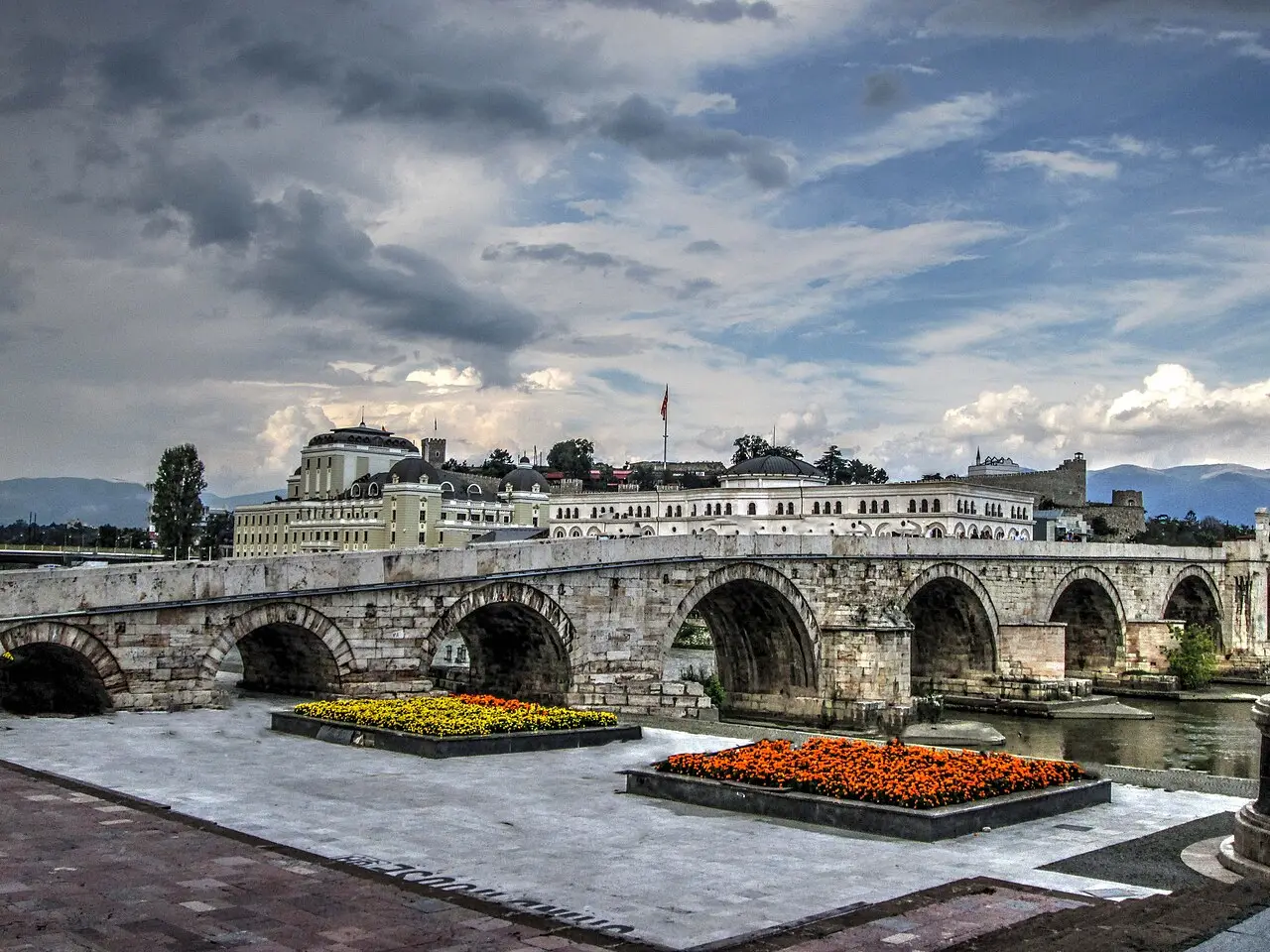
Beds: where the cities really split
Accommodation is the one line that turns a small city gap into a big one, and it’s almost entirely about Ohrid in high summer. A hostel dorm costs much the same everywhere - roughly €10-15 a night, with Skopje and Ohrid both averaging around $13 and Bitola in the same band on a thinner supply of hostels. Mid-range hotels and apartments are where it diverges.
Skopje is the steady one: 3-star doubles run about €35-60 and short-term flats €30-55, and those prices barely move month to month because it is a working capital, not a resort. Bitola is cheapest of the three for a room, from around €28 for a simple hotel double - the trade-off being fewer places overall. Ohrid is the wildcard. Off-season it’s one of the best-value lake towns in Europe, with flats from the low €20s; but from late June through August the lake is the country’s headline destination, and lakefront rooms climb toward €100+ a night at the peak. The fix is simple and worth repeating: come to Ohrid in June or September, when the water is still swimmable and the same room costs a fraction of the August rate. Our best time to visit guide lines the seasons up with the weather, and where to stay in Ohrid covers which streets suit a longer stay.
Food and drinks: coffee, beer and the burek rule
In Skopje, an ordinary café charges 80-150 MKD (€1.30-2.45) for an espresso or cappuccino; a half-litre of draught beer runs 150-300 MKD (€2.45-4.90). Both are spot-checked against real venues and 2026 local reporting - including one hospitality-industry complaint calling a 150-denar espresso “absolutely unrealistic,” the exception some central cafes charge, not the everyday price.
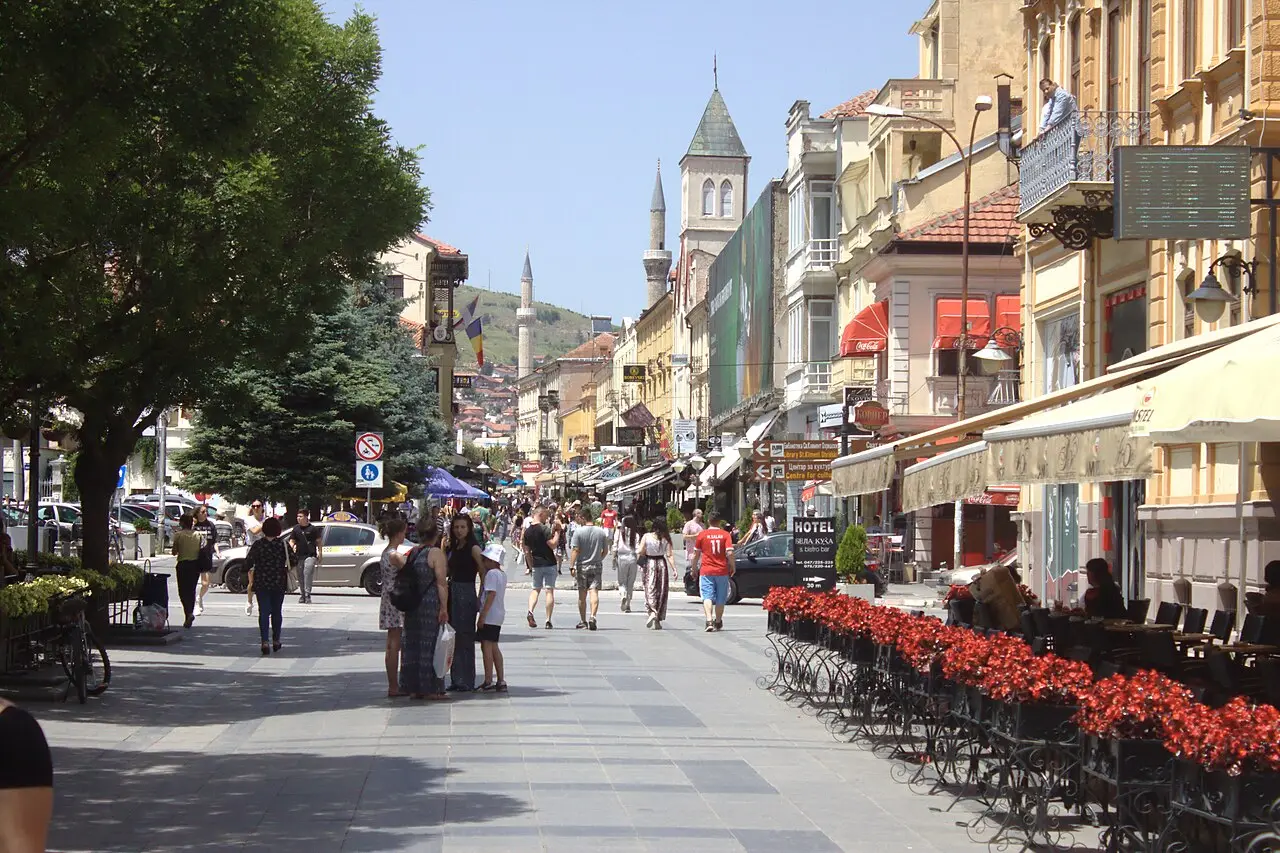
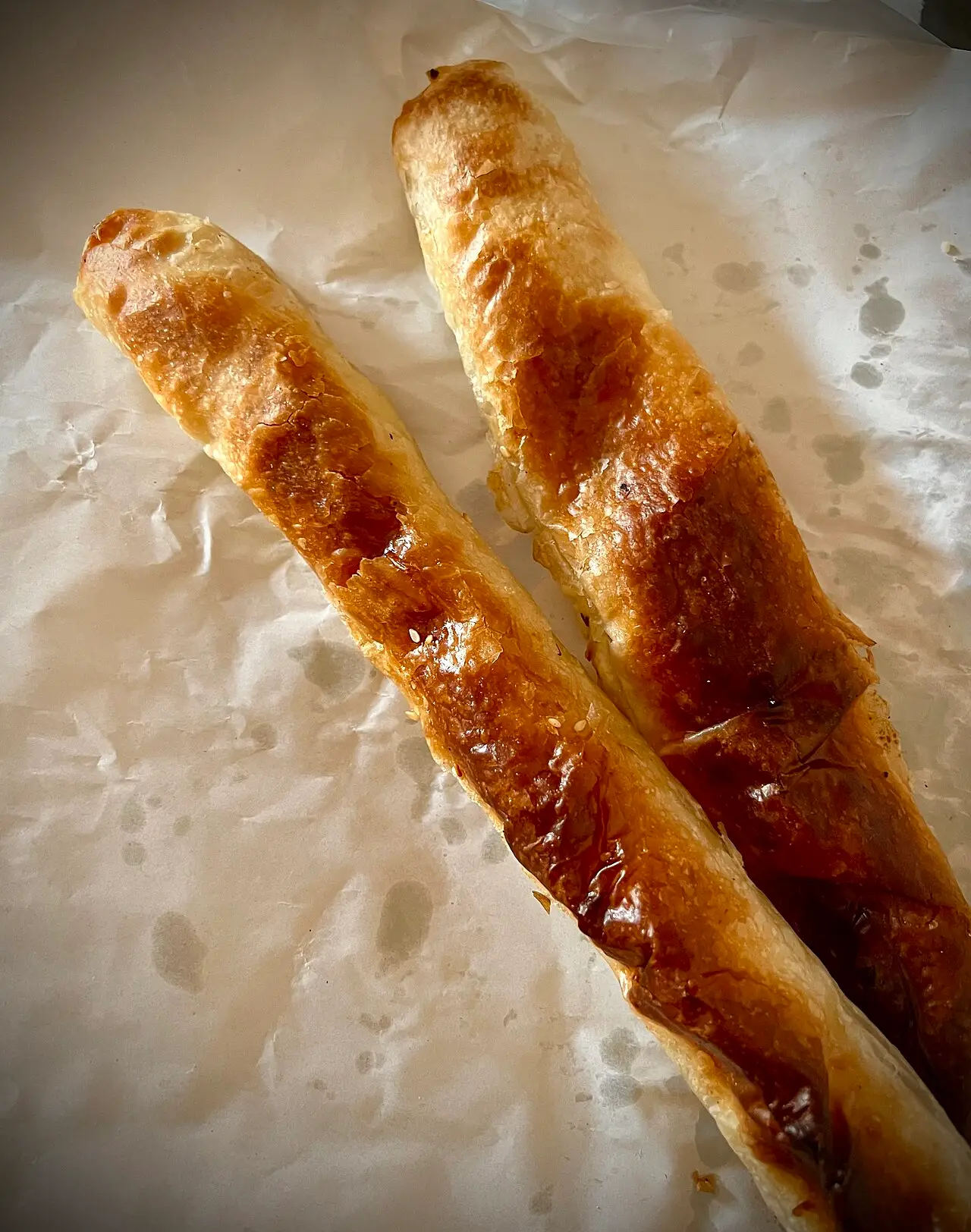
For Ohrid and Bitola, budget the Skopje numbers and adjust by city: Bitola sits measurably below the capital on accommodation and general cost of living, Ohrid’s lakefront measurably above it (see the beds section and the cost of living page), and a coffee almost certainly follows that same order. Treat it as a working estimate rather than a quoted price - neither town publishes a dated café tariff the way Skopje’s press covers one, so nobody can quote you a firm figure, us included. The one number that is verified everywhere: the bakery burek (filled filo pastry), a euro or two anywhere in the country and a full breakfast on its own.
Getting around: buses, taxis and fuel
Skopje and Bitola both run a real municipal bus network - Skopje’s JSP ticket is 35 MKD (€0.57) by card or app, 50 MKD paper (JSP price list), and Bitola’s own operator, Bitola City Bus (GPS-tracked, municipality-endorsed), charges a flat 30 MKD on every route. Ohrid is the one without a published operator or tariff we could find - compact enough to walk, with a taxi for anything further. Skopje and Ohrid also publish a taxi tariff: Skopje’s fuel-linked rate is correctly 50 MKD to start plus 30 MKD/km today (a driver may still quote the pricier 60/35 tier, valid only past 120 MKD/litre petrol); Ohrid’s, raised in May 2026, runs 50 MKD day / 100 MKD night to start, plus 50 MKD/km either way - steeper per kilometre than the capital. Bitola has no published taxi tariff; agree the fare, or insist on the meter.
If you’re driving between the cities, petrol is capped nationally by the energy regulator, with the same ceiling everywhere - at most 100.00 MKD (about €1.63) a litre under the regulator’s decision of 28 September 2026, adjusted every week or two - so fuel is not a reason to pick one base over another. Intercity buses tie the three together for a few euros; the fares and frequencies are in our getting around North Macedonia guide, and if you would rather self-drive the lakes and parks, renting a car covers rates and deposits.
Museums and day tours
Sightseeing barely registers on a budget in any of the three. Single museum or site entry is €1-6.50 across the board - Skopje’s Archaeological Museum is the top end at 400 MKD (€6.50) for foreign visitors (200 MKD for North Macedonia citizens, and free on the first Saturday of every month), while the Memorial House of Mother Teresa is free; Ohrid’s Tsar Samuel’s Fortress, run by the town’s own heritage institute, is 150 MKD (about €2.50) for foreign visitors and 120 MKD for locals (the neighbouring Ancient Theatre’s entry wasn’t separately confirmed - it may ride on the same ticket). The Sveti Naum monastery church itself is a firm 150 MKD, confirmed on the boat operator’s own tour page rather than the travel blogs this page used to cite - and it’s a separate charge from the boat that gets you there (below), not included in it. Bitola’s ancient Heraclea Lyncestis runs an estimated 150-180 MKD (€2.50-3) - its operator doesn’t publish a price list online, so treat that one as the going rate recent visitors report, not a posted fee. Carry a little denar everywhere, because card machines are rare at these entrances.
Organised day tours are where the cities differ most in what’s even on offer. From Skopje the classic is a half-day group trip to Matka Canyon and Mount Vodno: Canyon Matka Tour sells its five-hour loop for €33 a person on its own site, with the St. Panteleimon church and the Vrelo boat paid separately (plus the Vodno cable car once it runs again), or you can simply turn up at the jetty. The cable car hasn’t operated since April 2026, although the tour page still lists the ticket. The boat to Vrelo Cave costs 500 denars (about 8.5 euro) at the operator’s own price list. Whether cave entry is included is not stated there, so ask at the jetty before you pay. From Ohrid the signature outing is the boat down Lake Ohrid to the Sveti Naum monastery: 1,200 MKD / €20 return for an adult bought at the harbour, monastery entrance extra at a confirmed 150 MKD and a rowboat through the springs extra again at about €5 (both itemised separately on the boat operator’s own page), against €45 per adult for KTM Voyage’s guided day (summer weekdays only) with the monastery entrance and rowing boat bundled in, booked on the company’s own site; two other Ohrid companies sell guided days at €35 (entrances extra) and €49 (with pickup and lunch) (our full breakdown). Bitola is the outlier: it has very few packaged tours, so Heraclea and nearby Pelister National Park are mostly do-it-yourself by taxi or car. That scarcity is the flip side of Bitola being the cheap, low-key base - great value, less hand-holding.
Daily budget by traveller type
Put the rows together and you get a realistic per-person daily spend for each city, excluding international flights. These are ranges; Ohrid’s mid-range and comfort figures assume the summer premium, so they drop in the shoulder season.
| Per person / day | Backpacker | Mid-range | Comfort |
|---|---|---|---|
| Skopje | €25-35 | €65-95 | €120-160 |
| Ohrid | €30-45 | €70-115 | €140-200+ |
| Bitola | €22-32 | €55-80 | €100-140 |
These sit right alongside the national figures in our North Macedonia trip cost breakdown, which pools the whole country: backpackers around €30-50, mid-range €65-110, comfort €150 and up. Bitola undercuts that; Ohrid in August overshoots it. If you’re weighing up whether the country is good value at all, the trip cost guide makes the wider case.
Which city is cheapest for what
- Cheapest day to day: Bitola. Lowest verified bed prices, a flat 30 MKD city bus fare, and no seasonal spike. If your trip’s mostly cafes, walks and slow days, it’s the value base - see things to do in Bitola.
- Best all-rounder: Skopje. Middle-priced beds, but the deepest supply of dorms, hotels, buses, museums and tours, plus the main airport. It’s the easiest place to start and the most flexible.
- Priciest, and worth it anyway: Ohrid. By far the most expensive beds in July and August - but the lake and the UNESCO old town are why most people come. Time it for June or September and the premium mostly disappears.
One line to remember: base your everyday life in Bitola, organise the trip from Skopje, and splurge on Ohrid off-peak. For a direct head-to-head on the two southern cities, Ohrid vs Bitola goes deeper.
How to keep the bill down
- Dodge the Ohrid peak. June and September give you the same lake at spring prices. It’s the single choice that saves more than everything else combined.
- Eat from bakeries and kafanas. A burek breakfast and a kafana lunch feed you well for a few euros in any of the three cities.
- Pay in denar, carry cash. Markets, museum gates, Matka boats and small cafes run on notes; don’t accept dynamic currency conversion at card machines. ATMs, DCC and when a card is enough: currency in North Macedonia.
- Take the bus between cities. Intercity coaches cost a few euros and reach all three bases; car hire only pays off if you’re driving to the lakes and national parks.
- Base in Bitola or off-season Ohrid for a long stay. For monthly rents and living costs rather than travel budgets, switch to our cost of living in North Macedonia guide.
The bottom line
North Macedonia is cheap in all three cities, and the differences are smaller than the euro figures make them look - a few euros a day between Bitola and Skopje, more between either and Ohrid only once you add a July hotel. Base your budget on Bitola for value, Skopje for choice, and Ohrid for the lake off-season, keep the numbers here as 2026 ranges rather than fixed prices, and confirm the big-ticket item - the room - on the day, because that’s the one line that really moves.
Read also
- The national picture: North Macedonia trip cost
- Is it good value overall? North Macedonia trip cost
- Two southern cities head to head: Ohrid vs Bitola
- Time it right: best time to visit North Macedonia
- Move between the bases: getting around North Macedonia
- Staying for months: cost of living in North Macedonia
Admission and opening hours
- Admission price
- No tourist tax to enter the country; a single museum or site is about €1-6.50, and a signature day tour €20-33. All figures are 2026 ranges, in denar and euro (about 61.5 MKD/€1).
Prices move with the season - Ohrid rooms spike in July and August. Confirm current fares and entry fees on the day.
Details checked: August 10, 2026
Read also

Before you go · 11 min read
North Macedonia Travel Tips: Know Before You Go
Updated · September 5, 2026Pack a Type C/F adapter, plan around Sunday shop closures, carry denar, check tap-water alerts, and sort eSIM plus insurance before you land.

Before you go · 10 min read
Macedonian for Travelers: Phrases That Open Doors
Updated · August 31, 2026A working Macedonian phrase kit for travelers: Cyrillic, how to say it, and when it helps in a kafana, taxi or market.

Before you go · 9 min read
Skopje vs Ohrid: Which Should You Base Yourself In?
Updated · September 24, 2026Skopje for flights, museums and day trips; Ohrid for the UNESCO lake and summer swimming - about 3 h 20 apart by bus, and most trips work best split.

Before you go · 12 min read
Skopje or Sofia: Which Balkan Capital to Visit?
Updated · September 26, 2026Skopje's rooms cost less, Sofia's airport transfer is easier, and a direct bus links the two in about 5h for about EUR 27. Here's which to fly into first.