
Best Time to Visit North Macedonia: Weather by Month
Best time to visit North Macedonia and the weather by month: Skopje and Ohrid highs, rain, Lake Ohrid water temps, festival dates, when it is cheaper.
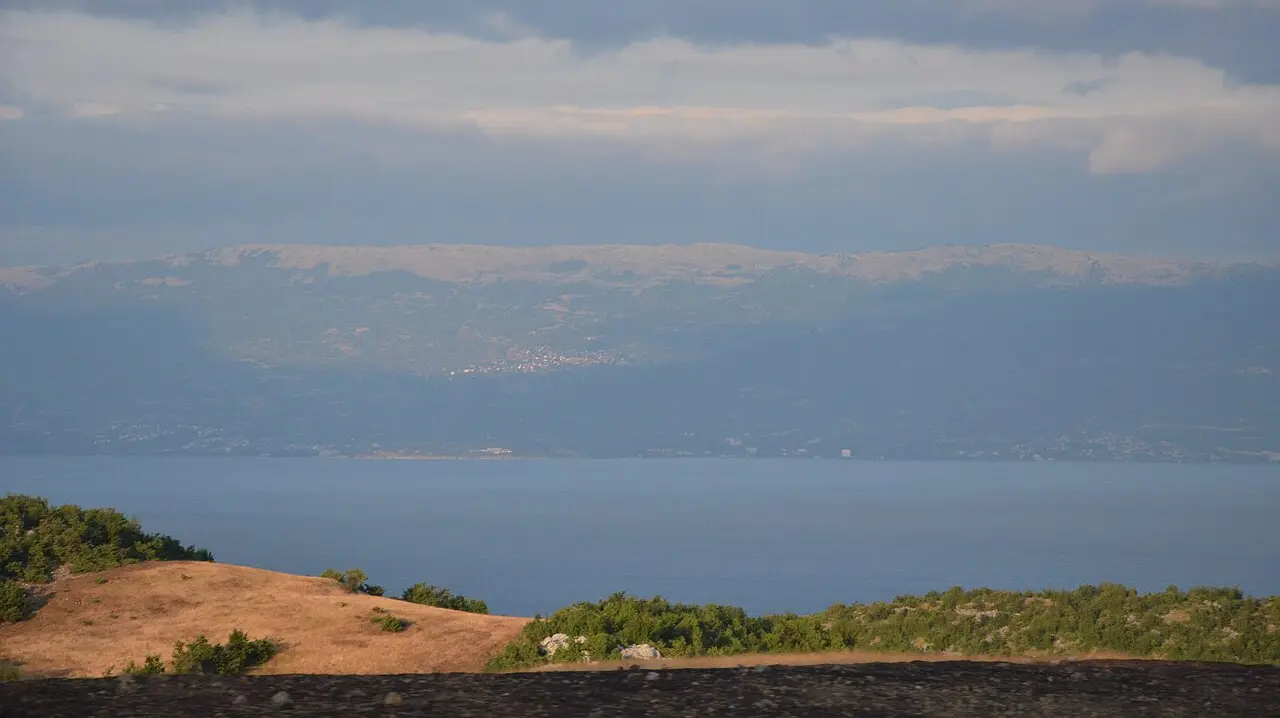
North Macedonia has hot continental valleys, a milder Lake Ohrid basin and colder western mountains. In Skopje, July-August highs average about 32 °C, while Ohrid stays in the high-20s and the lake surface averages about 23-24 °C in August. For most sightseeing trips, May, June and September offer the best balance; swimmers should favour July into early September.
It’s a small country, but altitude and valleys matter more than the map suggests. Skopje sits in a valley that traps summer heat and winter cold; Ohrid is cooled by the lake; the western mountains around Mavrovo are a different climate again. For season strategy, crowds and festivals, use our best time to visit North Macedonia guide. The monthly figures here help you compare bases and pack for the conditions.
The air-temperature and rainfall tables below use Climates to Travel’s 1991-2020 station normals for Skopje and Ohrid. Lake temperatures are roughly ten-year surface-water averages from seatemperature.info. They’re long-term planning averages, checked in August 2026, and they aren’t a forecast for a particular trip.
Quick answer: when to go for what
| Goal | Best months | What the weather does |
|---|---|---|
| All-round trip (cities + light hiking) | May, June, September | Skopje averages 24 °C / 45 mm in May, 29 °C / 55 mm in June and 27 °C / 35 mm in September |
| Lake Ohrid swimming | July - early September | Surface water about 23 °C in Jul/Aug (avg), still about 20 °C in Sep |
| High mountain hiking | Summer to early autumn, conditions permitting | Snow can linger on high ground; check current park and trail conditions |
| Mavrovo skiing | Winter, when lifts and snow allow | Check the resort’s live lift and snow status before travelling |
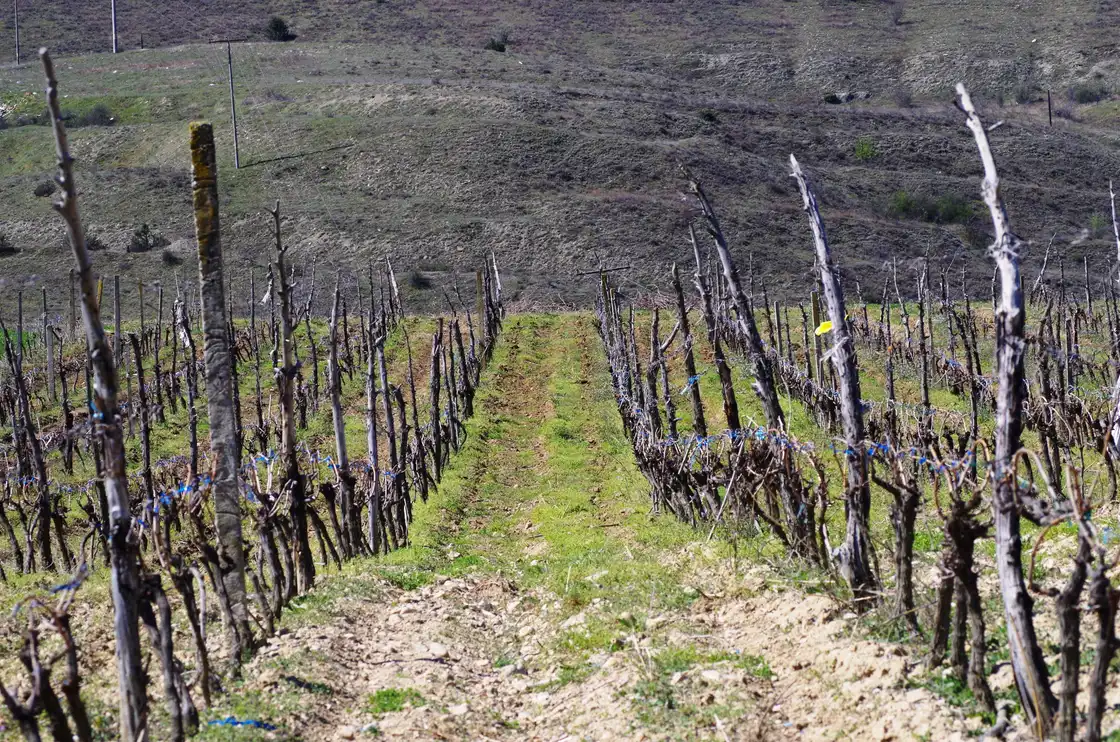
| Wine / harvest feel | mid-September - October | Mid-September aligns with Tikveš Winery’s Vranec schedule; regional harvest activity continues into October |
| Avoid the furnace | Skip late July - mid August in Skopje if you hate 32 °C+ highs | Ohrid is milder; SE towns like Gevgelija run hotter still |
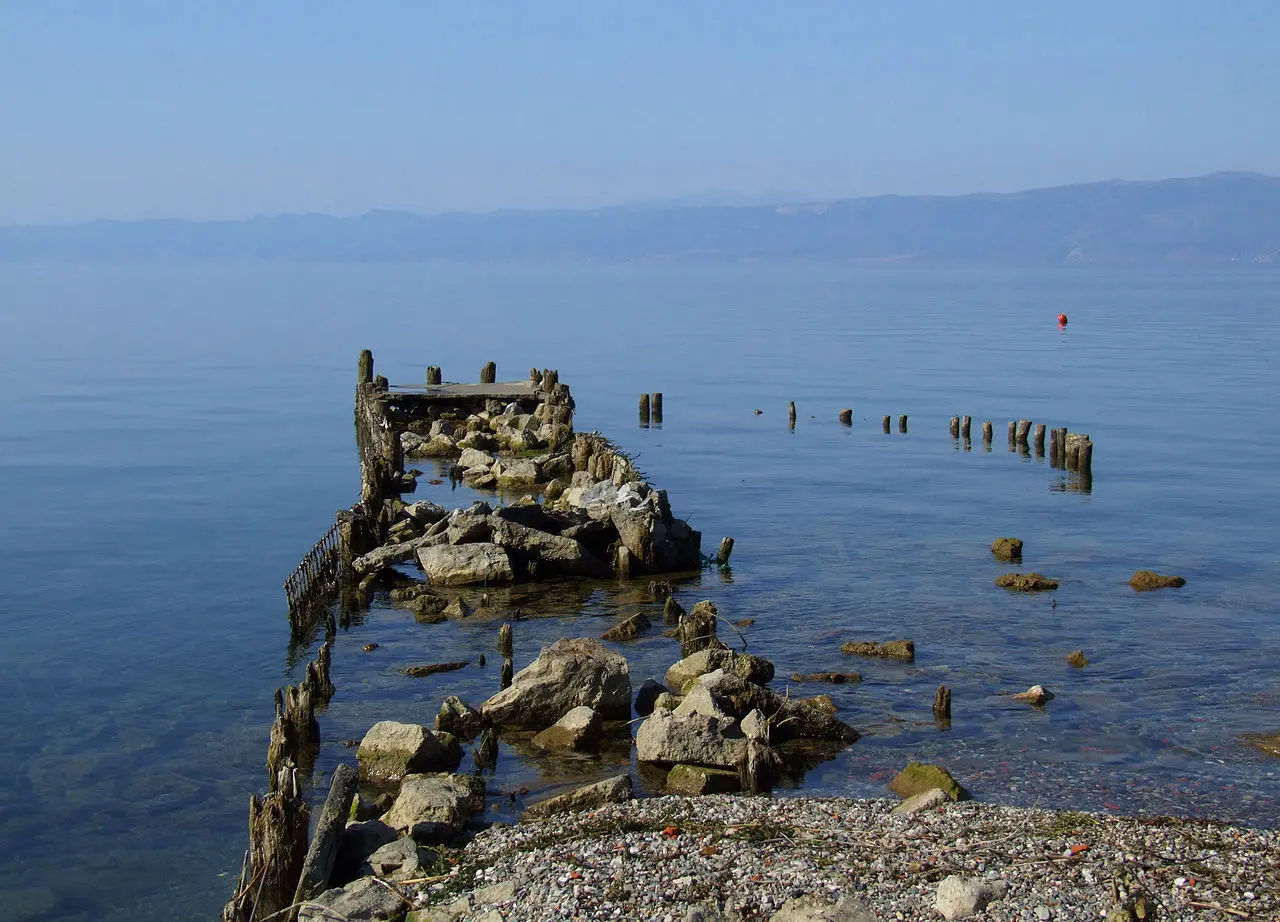
Skopje weather by month
Skopje (about 250 m) is the capital and the climate most people feel first. Summers are hot and fairly dry; winters are cold, with grey stretches and occasional deep freezes. Annual precipitation is modest - about 485 mm - with a slight late-spring bump and another in autumn. Sunshine peaks in July at about 10.5 hours a day and drops to 2.5-3 hours in December-January.
| Month | Avg low °C | Avg high °C | Rain mm | Rain days | Sun h/day |
|---|---|---|---|---|---|
| Jan | -3.3 | 4.8 | 30 | 10 | 3 |
| Feb | -1.6 | 9.0 | 30 | 9 | 4 |
| Mar | 1.9 | 14.5 | 40 | 10 | 5 |
| Apr | 5.7 | 19.4 | 40 | 10 | 6.5 |
| May | 10.3 | 24.4 | 45 | 11 | 8 |
| Jun | 14.3 | 29.2 | 55 | 10 | 9 |
| Jul | 16.3 | 32.0 | 40 | 7 | 10.5 |
| Aug | 16.2 | 32.3 | 35 | 6 | 10 |
| Sep | 12.2 | 26.7 | 35 | 6 | 8 |
| Oct | 7.6 | 20.1 | 50 | 7 | 6 |
| Nov | 2.8 | 12.5 | 45 | 9 | 4 |
| Dec | -1.4 | 5.9 | 50 | 11 | 2.5 |
Normals: Climates to Travel (Skopje 1991-2020). Extremes: cold snaps can drop toward -20 °C (January 1985 hit -25.8 °C); summer heatwaves can reach or exceed 40 °C. The Vardar valley also gets the Vardarec, a northwest wind that can make winter days feel sharper than the thermometer.
Practical take: May and September are the comfortable sightseeing months in the capital. June is already hot by afternoon. July-August work if you’ll sightsee early, retreat midday, and plan evenings outdoors - see things to do in Skopje. Winter’s fine for a short city break if you pack properly; it’s not the month for long outdoor days.
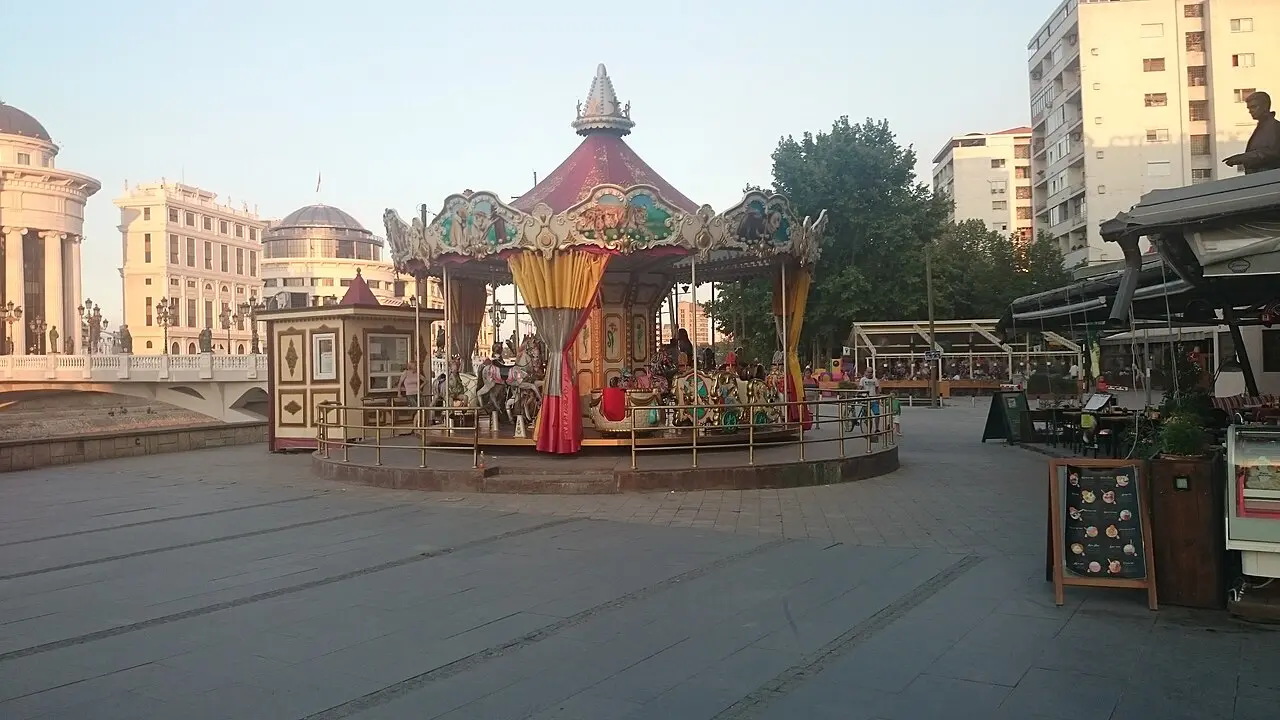
Ohrid and Lake Ohrid weather by month
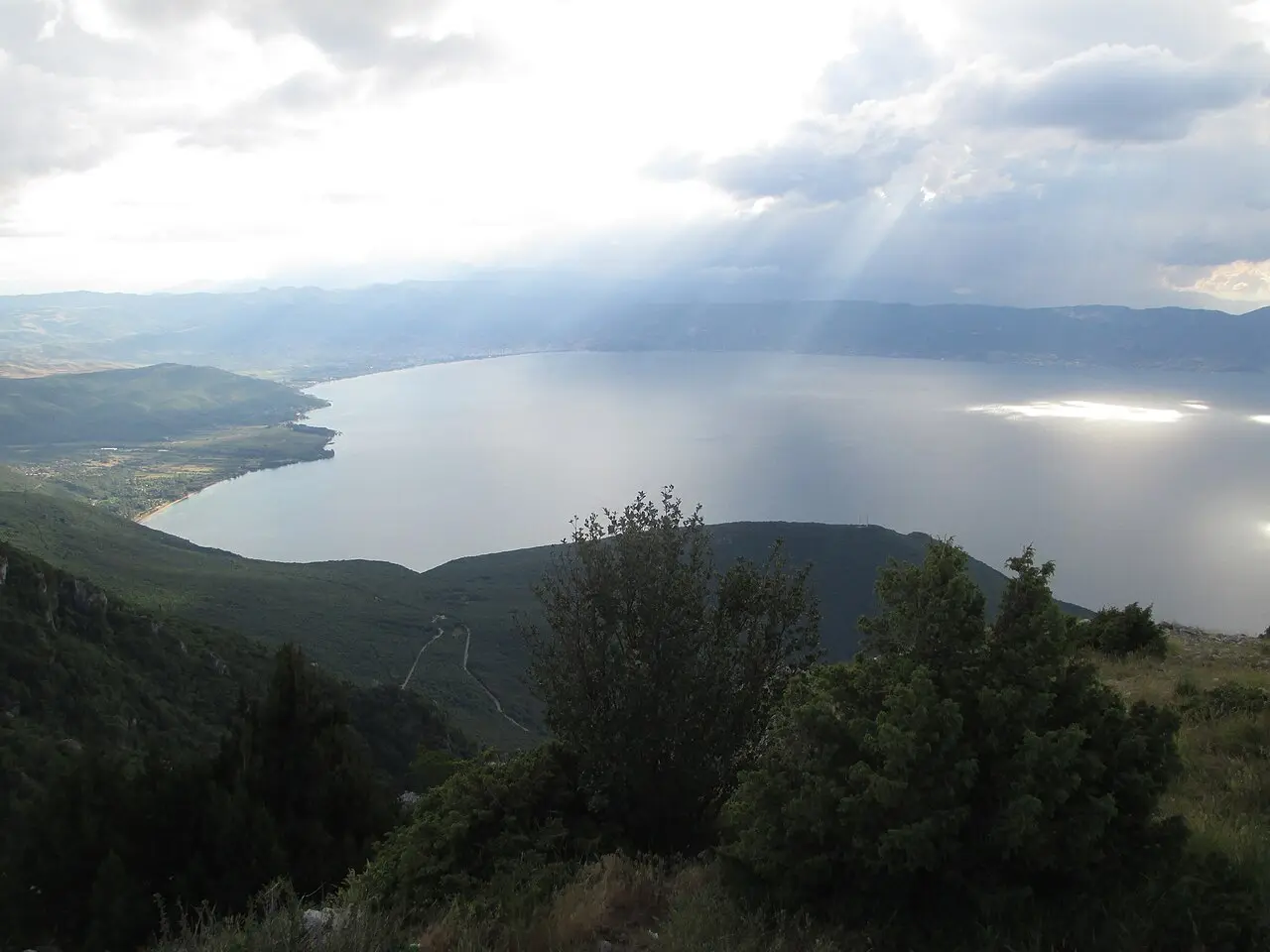
Ohrid sits higher (about 700 m) on Europe’s oldest deep lake, so summers are milder than Skopje and winters a touch softer. Annual rain is higher - about 660 mm - with a wetter autumn (October-November). July-August highs average roughly 29 °C, not the low-30s of the capital.
| Month | Avg low °C | Avg high °C | Rain mm | Rain days |
|---|---|---|---|---|
| Jan | -2.2 | 6.6 | 55 | 11 |
| Feb | -1.3 | 8.2 | 60 | 12 |
| Mar | 1.3 | 12.1 | 55 | 11 |
| Apr | 4.6 | 16.2 | 55 | 13 |
| May | 8.5 | 21.1 | 55 | 12 |
| Jun | 11.9 | 25.8 | 35 | 8 |
| Jul | 13.6 | 28.8 | 30 | 6 |
| Aug | 13.8 | 29.3 | 30 | 6 |
| Sep | 10.6 | 24.2 | 50 | 7 |
| Oct | 6.8 | 18.4 | 75 | 10 |
| Nov | 3.2 | 13.0 | 90 | 12 |
| Dec | -0.7 | 7.8 | 70 | 13 |
Normals: Climates to Travel (Ohrid 1991-2020).
Lake Ohrid water temperature
Surface water lags the air. Ten-year averages from seatemperature.info:
| Month | Avg water °C | Swim feel |
|---|---|---|
| May | 14.9 | Cold for most people |
| Jun | 19.4 | Warming; brave / short dips |
| Jul | 22.9 | Comfortable swimming |
| Aug | 23.5 (range about 21-28) | Warmest average |
| Sep | 19.7 | Still fine for many; quieter shores |
| Oct | 14.7 | Cold again |
So the honest swimming window is July into early September, with August the peak and September the smarter compromise if you want warm water without peak-season crush. For beaches, boat trips and the old town, see Lake Ohrid and things to do in Ohrid.
Where the weather actually differs
Three microclimates trip people up:
- Skopje valley - hottest summers, coldest winter stagnations. Plan heat differently than the brochure photos of the lake.
- Ohrid basin - lake-buffered summers, wetter autumns, better swimming months.
- Western mountains (Mavrovo / Lazaropole about 1,300 m) - cooler summers (average August temperatures around 18 °C at Lazaropole), heavy winter snow (about 1,065 mm precip/year). It’s ski country in winter and hiking country once the high trails clear.
The far southeast around Gevgelija is hotter still in summer - July/August average highs around 35 °C, with 40 °C not rare - almost Mediterranean. Useful if you’re crossing toward Greece; less relevant for a classic Skopje-Ohrid loop.
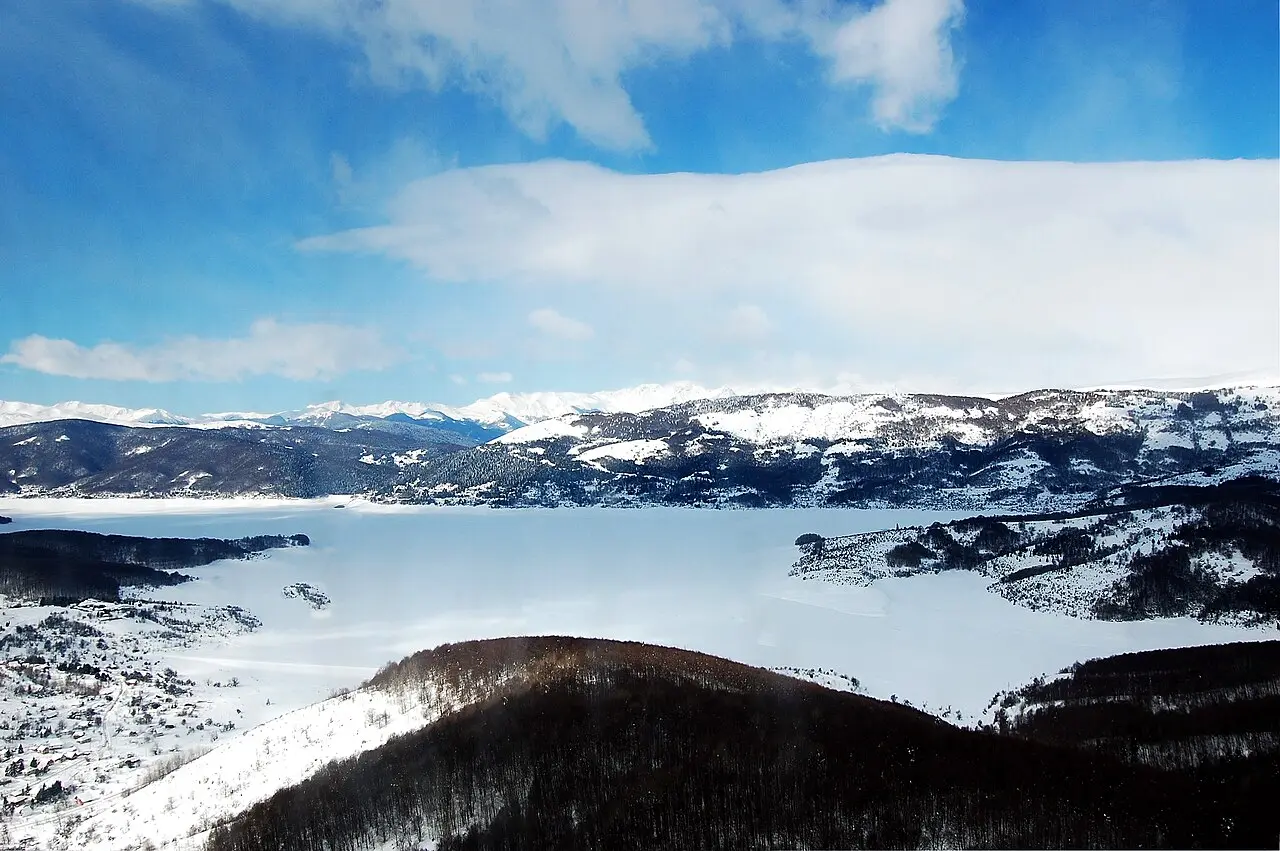
For ski specifics and current lift information, use the Mavrovo ski resort guide. On high trails in Mavrovo, Galičica and Pelister, snow clearance varies by altitude, aspect and year. Check current park or local trail conditions instead of assuming that a calendar month guarantees a clear route.
Month-by-month snapshot
Use this as a packing and activity cheat sheet. Temperatures are Skopje highs unless noted.
January
Skopje highs average about 5 °C, with nights below freezing (down to about -3 °C) and grey, short days - about 3 sun hours a day. Mountain snow may support skiing, but check Mavrovo’s live conditions before building a trip around it. Cities are quiet and cheap.
February
Still cold, but climbing: Skopje highs average about 9 °C, nights still below freezing, with a little more daylight than January at about 4 sun hours a day. The skiing picture is the same as January - check current conditions before you commit. Cities stay quiet and cheap.
March
Thawing. Daytime teens possible by late month; still cold nights. Skiing is condition-dependent; city breaks still require warm layers.
April
Skopje highs about 19 °C. Countryside greening. Good for lower trails and Matka; high mountains still wintery. Bring layers and a rain shell (April averages about 40 mm / 10 wet days in Skopje).
May
One of the best all-round months. Highs about 24 °C in Skopje, about 21 °C in Ohrid. Hiking lower routes, city sightseeing, lake walks - but the water is still about 15 °C. Crowds thin, days long (about 8 sun hours).
June
Warm to hot (Skopje highs about 29 °C). Lake water about 19 °C - possible for hardy swimmers. June is also the wettest Skopje month in the table (about 55 mm), often as afternoon storms. Shoulder season tipping into summer.
July
Peak heat and peak swimming. Skopje about 32 °C highs; Ohrid air about 29 °C; lake about 23 °C. Dryish, very sunny (about 10.5 h). Book lake stays early.
August
Similar to July, often a touch hotter and busier. Lake water warmest on average (about 23.5 °C). Heatwaves above 35-40 °C are the risk in the valleys. If you’ve only got August, you’ll want to base more time on Ohrid than Skopje.
September
The other sweet spot. Skopje highs about 27 °C, Ohrid about 24 °C, lake still about 20 °C. Mid-month brings the start of the usual Vranec picking window in Tikveš. Fewer crowds than August. Pack a light jacket for evenings.
October
Crisp and pleasant for hiking and cities (Skopje highs about 20 °C). It’s also festival month in the capital: the Skopje Jazz Festival plays four nights in mid-October. Harvest activity can continue in Tikveš into the month, depending on the vineyard and year. The lake is too cold for most swimmers, while rain rises again (about 50 mm in Skopje and 75 mm in Ohrid). Golden light, empty trails.
November
Cold weather returns. Skopje highs average about 12 °C, with about 4 sun hours a day. Snow may arrive in the mountains, but resort opening depends on cover and lift operations. It’s fine for a quiet city weekend; a lean choice for a first sightseeing trip.
December
Deep winter. Skopje highs average about 6 °C, nights below freezing (down to about -1 °C), and the shortest days of the year at about 2.5 sun hours. Early snow can reach the higher peaks, but whether Mavrovo’s lifts are actually running still comes down to that month’s cover. Workable for a quiet city break; a weak pick for a first-time sightseeing trip.
What to pack by season
Spring (Apr-May): layers - T-shirt + fleece + waterproof shell. Trail shoes. Evenings cool. Umbrella useful in April-May.
Summer (Jun-Aug): light clothes for Skopje’s 30 °C+ days, sun hat, strong sunscreen, refillable bottle. Still pack a light long-sleeve and trousers for evenings, monasteries and mountain evenings. Swim kit if Ohrid is on the plan. Afternoon thunderstorms happen - a packable rain shell earns its keep in June especially.
Autumn (Sep-Oct): summer clothes for daytime September, plus a warmer mid-layer by mid-October. Waterproof for Ohrid’s wetter autumn. Good hiking window.
Winter (Nov-Mar): proper cold-weather kit for Skopje - insulated coat, hat, gloves - and full ski layers if you’re heading to Mavrovo. City ice and grey days are real; don’t pack only “European mild winter” clothes.
Connectivity tip while you’re packing: North Macedonia is outside EU Roam Like at Home, so many visitors land with an eSIM already installed rather than hunting a kiosk after a late arrival - see best eSIM for North Macedonia for plan maths versus a local prepaid SIM.
Festivals and events through the year
North Macedonia has a lively summer festival calendar plus events scattered across the year. Always confirm the current year’s dates before planning a trip around one, as they move - dates aren’t fixed year to year:
- D Festival, the country’s big open-air multi-genre music weekend (rock, punk and electronic acts on the same bill), usually lands in late June. It began by Lake Dojran; the 2026 edition ran in Shtip, so check the organiser’s own site for the current venue rather than assuming it’s still by the lake.
- Struga Poetry Evenings, the famous international poetry festival, is traditionally a late-August fixture, though recent editions have shifted earlier into the summer - so pin down the dates for the year you’re travelling.
- Ohrid Summer Festival (Ohridsko Leto), the headline cultural festival of music and theatre in Ohrid’s atmospheric old-town venues, runs from around mid-July to 20 August each summer.
- The Galičnik Wedding Festival, a traditional mountain-village wedding spectacle, falls around mid-July (the weekend nearest St. Peter’s Day).
- The Tikveški Grozdober grape-harvest festival in Kavadarci takes place in early September; the Skopje Jazz Festival runs in October.
These tie naturally to the seasons: book ahead for summer festival weeks, when Ohrid in particular fills up fast and you won’t find spare rooms easily. For the moving dates behind all of them, plus the public holidays that can quietly shift to a Monday, see our North Macedonia events calendar.
When it’s cheaper and quieter
If budget and breathing room matter more than lake swimming, travel in the off-peak and shoulder windows. Late autumn and winter (outside the ski areas) are the cheapest, with the lowest accommodation rates and almost no crowds - the trade-off is cold, short days and some reduced opening hours. The best balance of price, weather and quiet is May, June and September: warm enough to enjoy everything, cheap enough to feel good about, and calm enough that Ohrid still feels like a real town rather than a resort. August is the one month to avoid if crowds and cost put you off - it’s the peak of the peak.
How this fits a trip
Weather only matters once you know how many days you have. A 5-7 day Skopje + Ohrid loop works in any warm month; in July-August you simply shift more hours to the lake and fewer midday hours in the capital. Our how many days in North Macedonia breakdown and the 7-day itinerary are the route side of the same decision. Day-trip weather around the capital - Matka included - is covered in best day trips from Skopje and Matka Canyon.
Bottom line
Read the thermometer for your base, not just the country name. Skopje in August is a different trip from Ohrid in September. For most first visits, book May, June or September; pick July-August if swimming and lake life are the point; for skiing, choose dates only after checking current mountain and lift conditions. Pair this climate sheet with the best time to visit page for crowds, prices and festivals, then lock dates against hotel availability in Skopje and Ohrid.
Read also

Before you go · 11 min read
North Macedonia Travel Tips: Know Before You Go
Updated · September 5, 2026Pack a Type C/F adapter, plan around Sunday shop closures, carry denar, check tap-water alerts, and sort eSIM plus insurance before you land.

Before you go · 10 min read
Macedonian for Travelers: Phrases That Open Doors
Updated · August 31, 2026A working Macedonian phrase kit for travelers: Cyrillic, how to say it, and when it helps in a kafana, taxi or market.

Before you go · 9 min read
Skopje vs Ohrid: Which Should You Base Yourself In?
Updated · September 2, 2026Skopje for flights, museums and day trips; Ohrid for the UNESCO lake and summer swimming - about 3 h 20 apart by bus, and most trips work best split.

Before you go · 12 min read
Skopje or Sofia: Which Balkan Capital to Visit?
Updated · September 2, 2026Skopje's rooms cost less, Sofia's airport transfer is easier, and a direct bus links the two in 5h40 for about EUR 27. Here's which to fly into first.