
How Many Days in Ohrid?
How many days do you need in Ohrid? Two full days is the sweet spot; three for the lake and Galicica. Day-by-day plans for 1, 2, 3 and 5 days.

Two full days is the sweet spot for Ohrid. That gives you one day for the old town - the fortress, the cliff-top church at Kaneo, the ancient theatre - and a second for the lake: a boat trip to Sveti Naum or a swim. Two days also means two evenings by the water, and where to eat in Ohrid is a separate choice from the sights. Give it three days if you also want the Galicica mountain drive, a trip to Struga, or a proper slow day by the water; stretch to four or five if you’re basing yourself here for day trips and beach time. You can do Ohrid as a single rushed day or a stopover, but you’ll leave feeling you only met half of it. Here’s how each length actually plays out.
The short answer
Ohrid packs a lot into a small, walkable old town, and the temptation is to treat it as a quick tick-box. Resist that. The town sights alone fill a comfortable day, and the lake - one of Europe’s oldest, a UNESCO site shared with Albania - is the other half of the experience and needs its own day. So:
- 1 day: possible, but you’ll see the town and miss the lake.
- 2 days: the recommended minimum - town plus a boat trip or swim.
- 3 days: add Galicica, Struga, or a relaxed beach day.
- 4-5 days: base yourself here and add day trips.
The rest of this guide breaks down what fits into each.
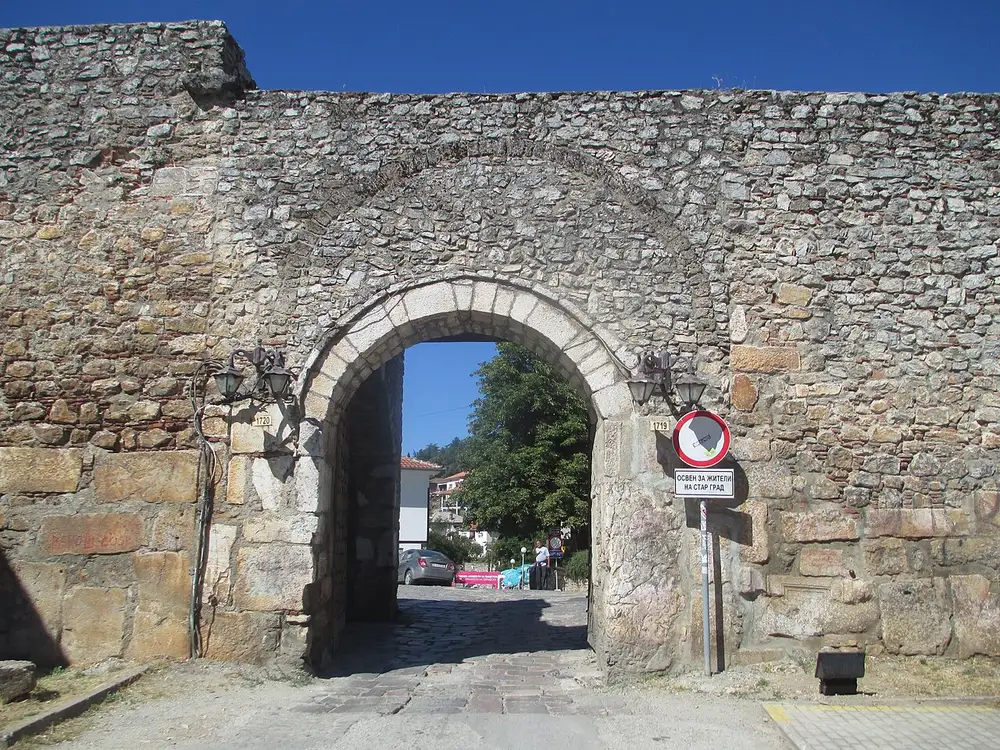
One day in Ohrid: doable but tight
If a day is all you have - say you’re passing through on a Skopje to Ohrid road trip or day-tripping from Bitola (about 70 km, an hour or so away) - focus entirely on the old town and don’t try to add the lake boat.
Walk up through the cobbled lanes to Samuel’s Fortress for the big view over the red roofs and the water, drop down to the ancient theatre of Lychnidos (around 200 BC) and the Plaosnik archaeological site, then follow the shoreline path to the Church of St John at Kaneo, the little clifftop church that is Ohrid’s postcard. Have a late lakeside lunch on the harbour, and if you time it right, catch the light on the fortress or Kaneo in the late afternoon. It’s a lovely day - it just isn’t the whole story, because you haven’t been on the lake.
Two days: the sweet spot
This is what most people should plan for, and it’s the pacing the town is built around.
Day 1 - the old town. Do the fortress-theatre-Plaosnik-Kaneo loop above at a relaxed pace, add St Sophia (the medieval cathedral, with some of the region’s finest Byzantine frescoes), and wander the National Revival houses without a clock. Finish on the promenade, which is the heart of Ohrid’s evening life.
Day 2 - the lake. Take the classic boat trip to the Monastery of Sveti Naum, about 29 km south near the Albanian border. Be realistic about time: it’s roughly 1 h 20 to 1.5 hours each way by excursion boat, depending on the operator, so with time at the monastery and its springs it eats most of the day - one operator example leaves around 10:15 and gets back near 17:00. Prefer to swim instead? Spend the day on the beaches east of town and you’ve still had your “lake day.” Either way, two days lets you do the town and the lake without rushing.
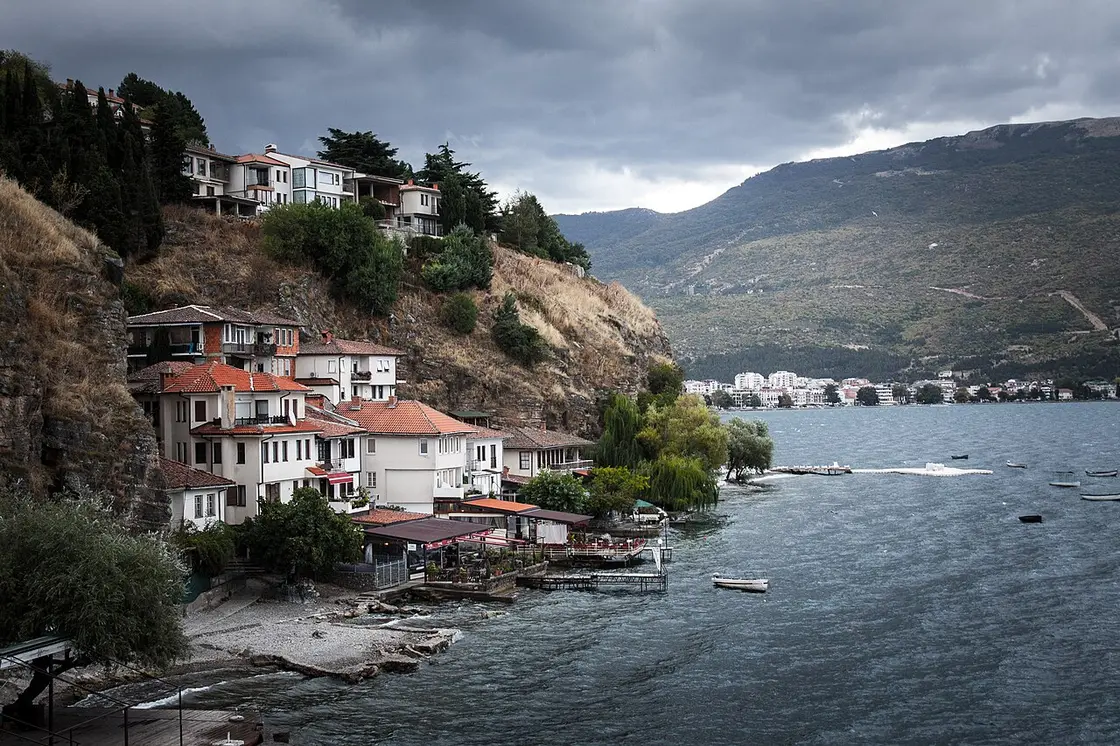
Three days: add the mountain, the twin town, or a slow day
A third day is where Ohrid goes from “seen” to “enjoyed,” and you’ve got three good ways to spend it - pick the one that fits your trip.
Galicica National Park. The mountain wall rising directly east of town separates Lake Ohrid from Lake Prespa, and a panoramic road climbs over the ridge to viewpoints that take in the whole lake at a glance. It’s an easy half-day - but you need a car or a tour, as there’s no simple bus over the top.
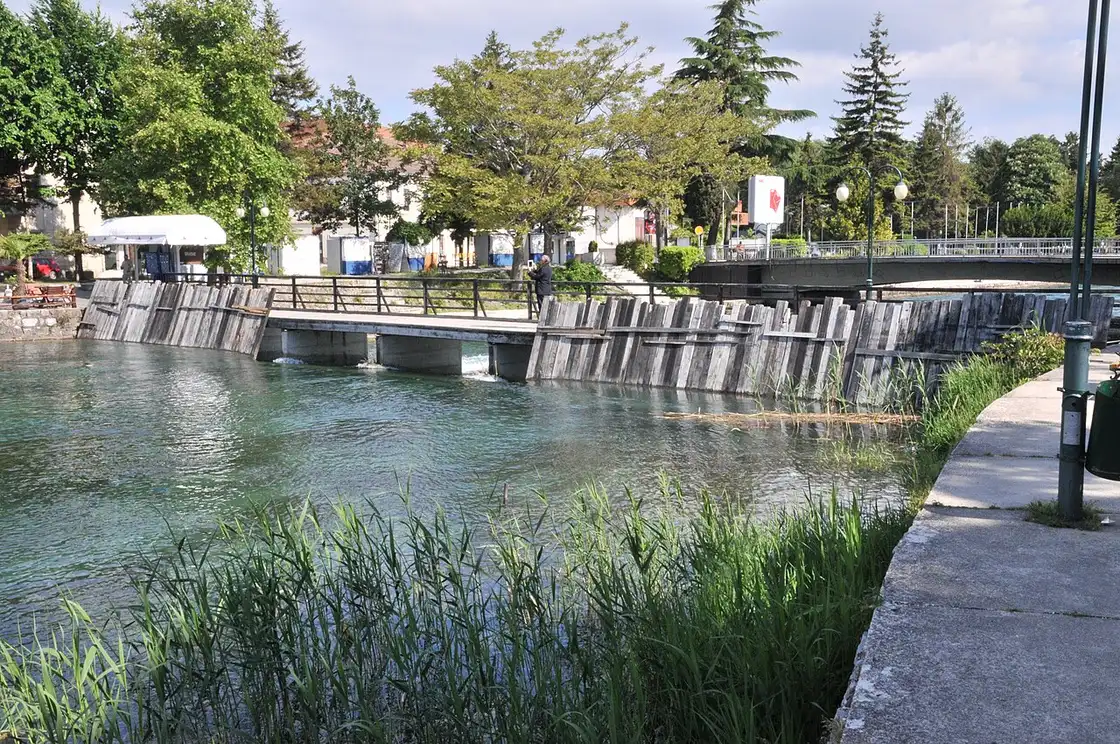
Struga. Ohrid’s quieter twin sits just 15 km up the shore where the lake drains into the Black Drin. Same clear water, calmer streets, and noticeably cheaper for a room or a lakeside dinner; minibuses run every 20-40 minutes, so it’s an easy half-day - or, as I’d argue below, a smart place to sleep. Our Struga travel guide has the detail.
A proper lake day. Or just slow down: a morning swim at Lagadin or Gradiste, the Bay of Bones (a reconstructed prehistoric stilt village with an underwater-archaeology museum, about 13 km south), and a long lunch. Three days is the natural length for a lake-focused break.
Four to five days: make Ohrid your base
If Ohrid is your holiday rather than a stop, four or five days lets it breathe. Do everything above at half the speed, add the beaches properly, and use the extra time for day trips: Bitola and the Roman ruins of Heraclea (about an hour away), or a cross-border hop to Pogradec in Albania, only about 40 km around the lake. This is also the length that survives bad weather - if one day clouds over, you simply shuffle the boat trip and lose nothing. For where to set up, our where to stay in Ohrid guide breaks down the areas.
A few things worth knowing before you pick
Timing matters more than you’d think in peak season. July and August, plus the Ohrid Summer Festival weeks, are genuinely full - the old-town lanes and promenade are packed by evening and rooms book out. If that’s your window, do the fortress and Kaneo loop early in the morning to beat both the heat and the crowds, and book accommodation well ahead. Come in September instead and it’s quieter, cheaper and still warm enough to swim.
Don’t double-book the boat day. The Sveti Naum trip really does take most of a day once you factor the ride each way and time at the springs - don’t try to also “do the old town” the same afternoon. Give it its own slot.
Struga is the value hack for a third night. Same lake, a shorter walk to a cheaper dinner, and 15 minutes back to Ohrid whenever you want the sights. If budget matters, sleep in Struga and day-trip into Ohrid rather than the other way around.
You’ll want a car for the mountain. The town, the boat and the beaches all work fine without one, but Galicica and the further beaches are much easier with wheels - factor that into whether a third or fourth day earns its keep.
The bottom line
Plan two full days as your minimum and you’ll see Ohrid properly - the old town on day one, the lake on day two. Add a third day for Galicica, Struga or a slow beach day, and go to four or five only if you’re making the lake your base and want day trips to Bitola or Albania. A single day works in a pinch but shortchanges the lake, which is half the point of coming. Whatever length you choose, line up the sights with our things to do in Ohrid guide, sort a bed with where to stay in Ohrid, and if the boat trip makes your list, read up on the Ohrid boat trip to Sveti Naum first.
Read also
- What to actually do: things to do in Ohrid
- The classic day out: Ohrid boat trip to Sveti Naum
- Fit Ohrid into a bigger trip: North Macedonia 7-day itinerary
- Where to base yourself: where to stay in Ohrid
- For a beach day: best beaches on Lake Ohrid
- The quieter twin: Struga travel guide
Photos
Read also

Before you go · 11 min read
North Macedonia Travel Tips: Know Before You Go
Updated · September 5, 2026Pack a Type C/F adapter, plan around Sunday shop closures, carry denar, check tap-water alerts, and sort eSIM plus insurance before you land.

Before you go · 10 min read
Macedonian for Travelers: Phrases That Open Doors
Updated · August 31, 2026A working Macedonian phrase kit for travelers: Cyrillic, how to say it, and when it helps in a kafana, taxi or market.

Before you go · 9 min read
Skopje vs Ohrid: Which Should You Base Yourself In?
Updated · September 2, 2026Skopje for flights, museums and day trips; Ohrid for the UNESCO lake and summer swimming - about 3 h 20 apart by bus, and most trips work best split.

Before you go · 12 min read
Skopje or Sofia: Which Balkan Capital to Visit?
Updated · September 2, 2026Skopje's rooms cost less, Sofia's airport transfer is easier, and a direct bus links the two in 5h40 for about EUR 27. Here's which to fly into first.