
Where to Eat in Ohrid: Best Restaurants & Lakeside Dining
Where to eat in Ohrid: the best lakeside fish restaurants at Kaneo, traditional kitchens in the old town, the trout to order, and what it costs.
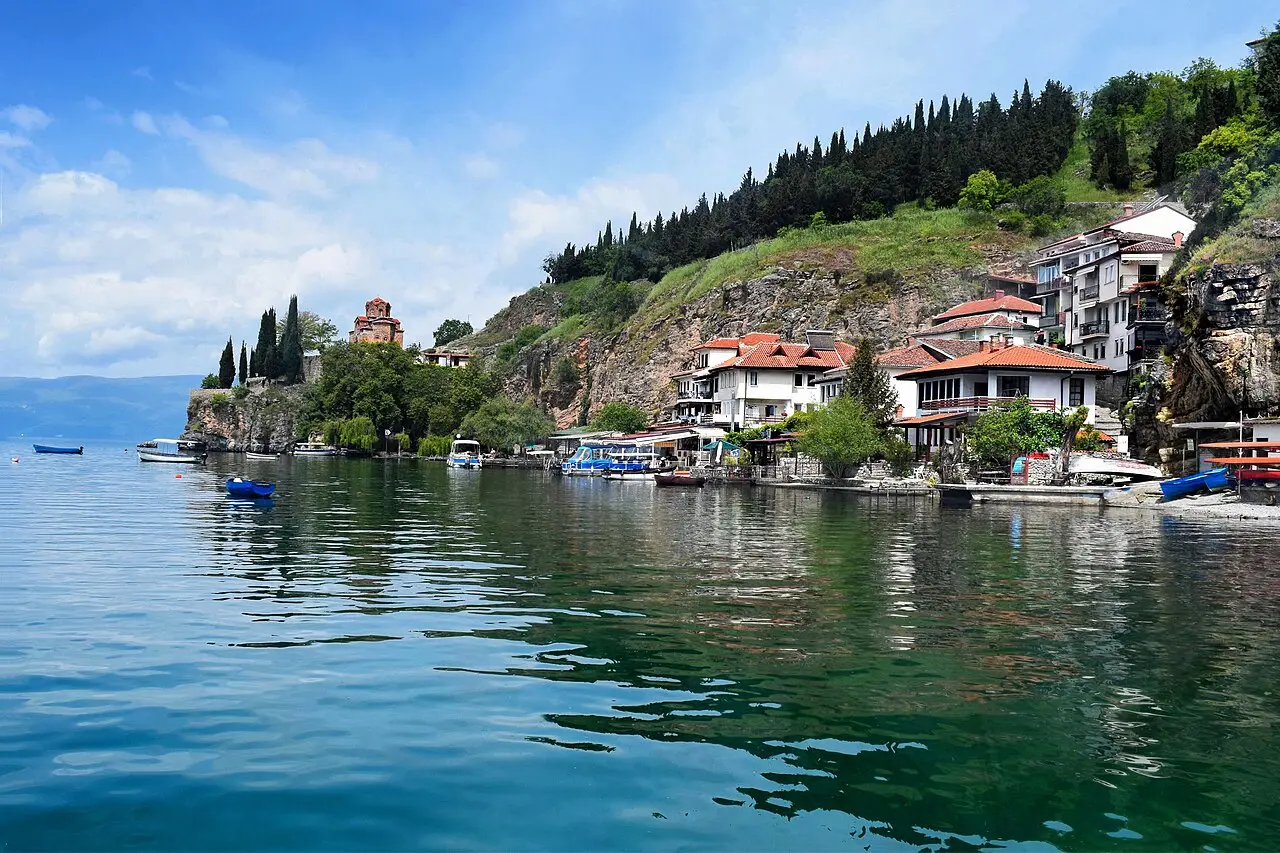
Ohrid is at its best over a plate of lake fish, and where you eat splits neatly by mood. For the view, head to the Kaneo cove, where fish terraces sit right on the water below the famous cliff-top church. For the food and the prices, climb into the old town, where family kitchens do the baked beans and grills that locals actually eat. And there’s one thing to get right before you order anything: the celebrated Ohrid trout is a protected, endangered fish, so it pays to know what to ask. This guide runs through the best places by area, the trout question, and what a day of eating costs.
Eat on the water at Kaneo
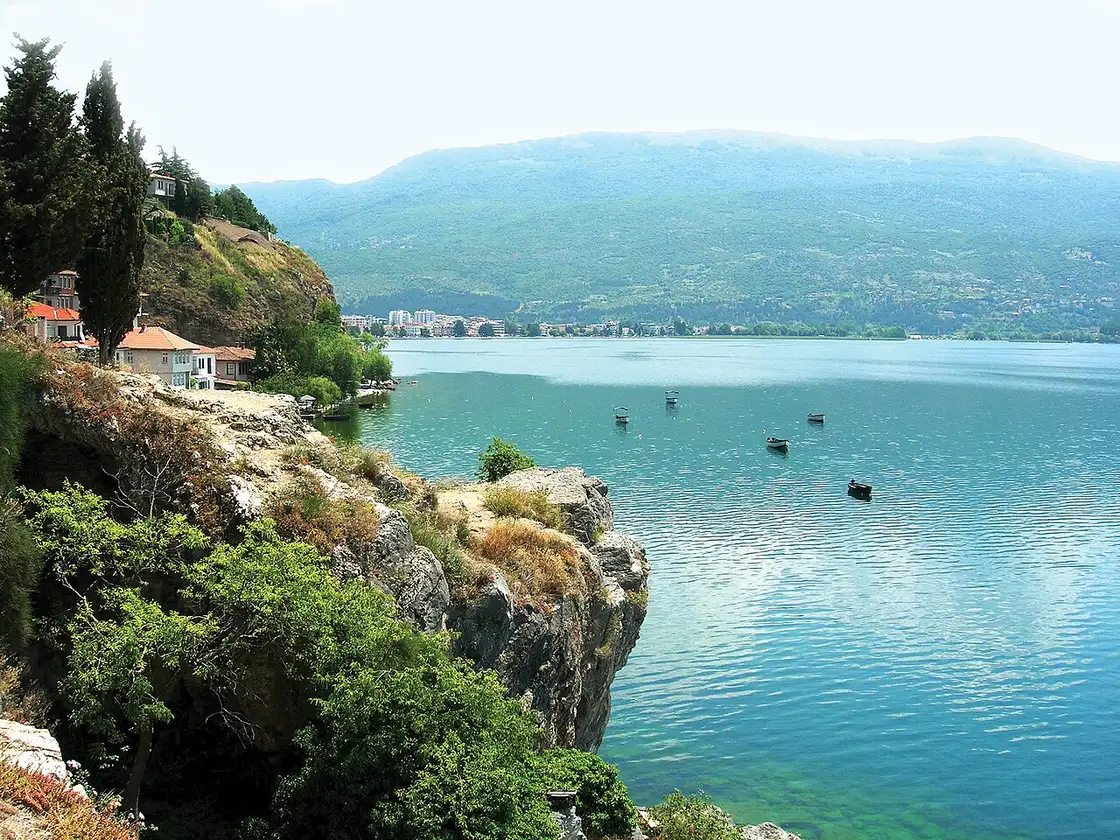
The single most scenic meal in town is down at Kaneo, the little fishing cove tucked under the cliff that holds the Church of St John. A short walk around the shore from the harbour brings you to a run of fish terraces with their tables almost in the lake. This is where you come for the setting as much as the food, and it is worth timing for late afternoon light.
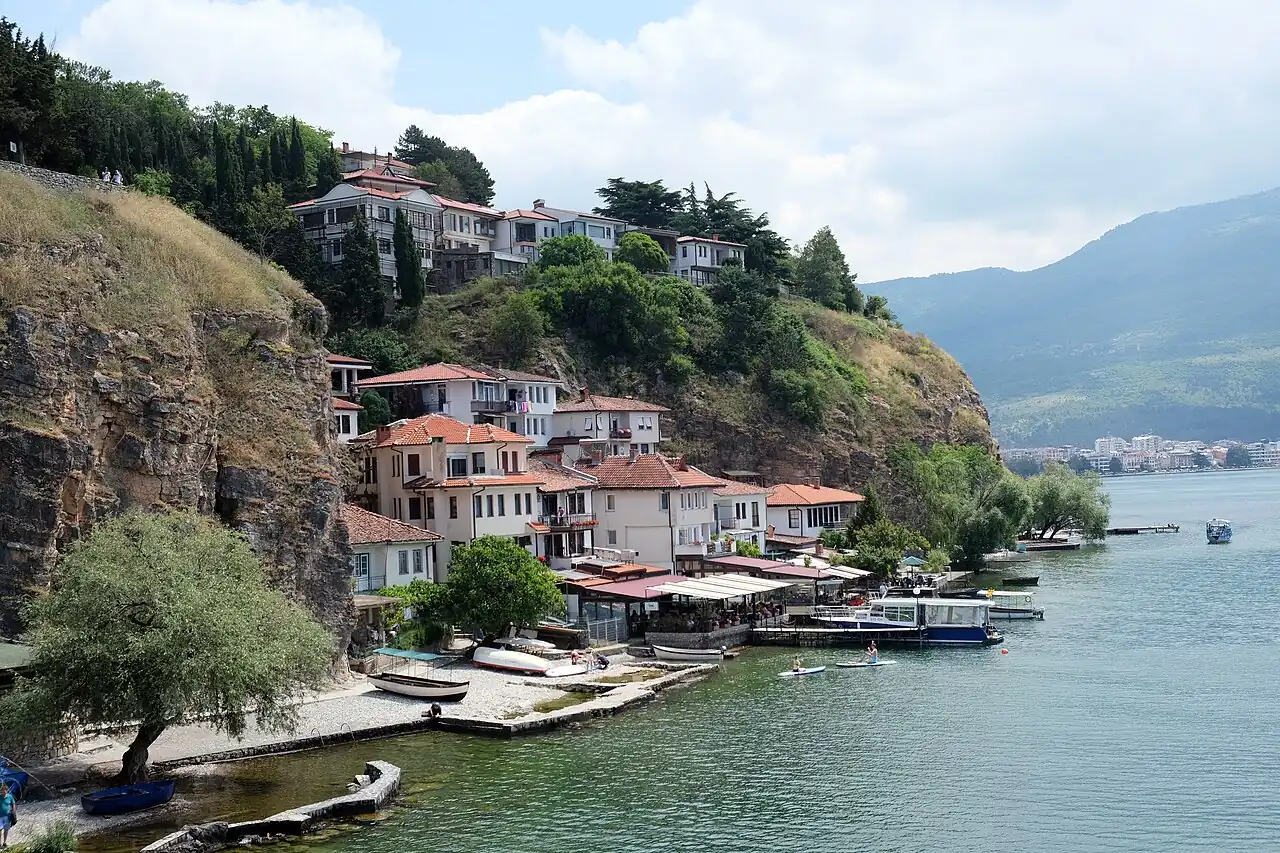
Three names cover the cove. Restaurant Kaneo is the upscale option, sitting right on the water with the best view of the church; it has moved toward fine dining and is a little pricey by Ohrid standards, but the plašica and the setting justify it. Next along, Letna Bavča Kaneo is the more relaxed terrace, tables on the pebbles at the water’s edge, and Kaj Kanevče beside it’s the cheaper local favourite, known for its deep-fried plašica - the tiny Ohrid lake fish eaten whole and crisp by the plateful. Book ahead for a waterside table at Kaneo in July and August; the cove is small and fills fast at sunset.
The trout question: order it farmed
Every menu on the lake lists Ohrid trout (ohridska pastrmka), and it’s genuinely delicious, but this is the one dish to order thoughtfully. The wild endemic trout is endangered - it’s on the IUCN Red List, its wild catch is officially protected, and commercial fishing of it has been heavily restricted for years. The catch never really recovered, so much of the wild trout that still reaches restaurant tables was taken illegally, often selling at 30 euro a kilo or more - a black market documented by the reporting network IWPR.
So do the responsible thing and ask where the trout comes from. Reputable restaurants serve farmed Ohrid trout, raised in aquaculture exactly so the wild fish can recover, and a good place will tell you happily. If you would rather sidestep the question altogether, order the plašica instead - the small deep-fried lake fish is cheap, local, sustainable and arguably the more fun thing to eat - or ask about belvica, a less-threatened relative. Carp is the other freshwater option. Eat the lake’s fish, just eat it with your eyes open.
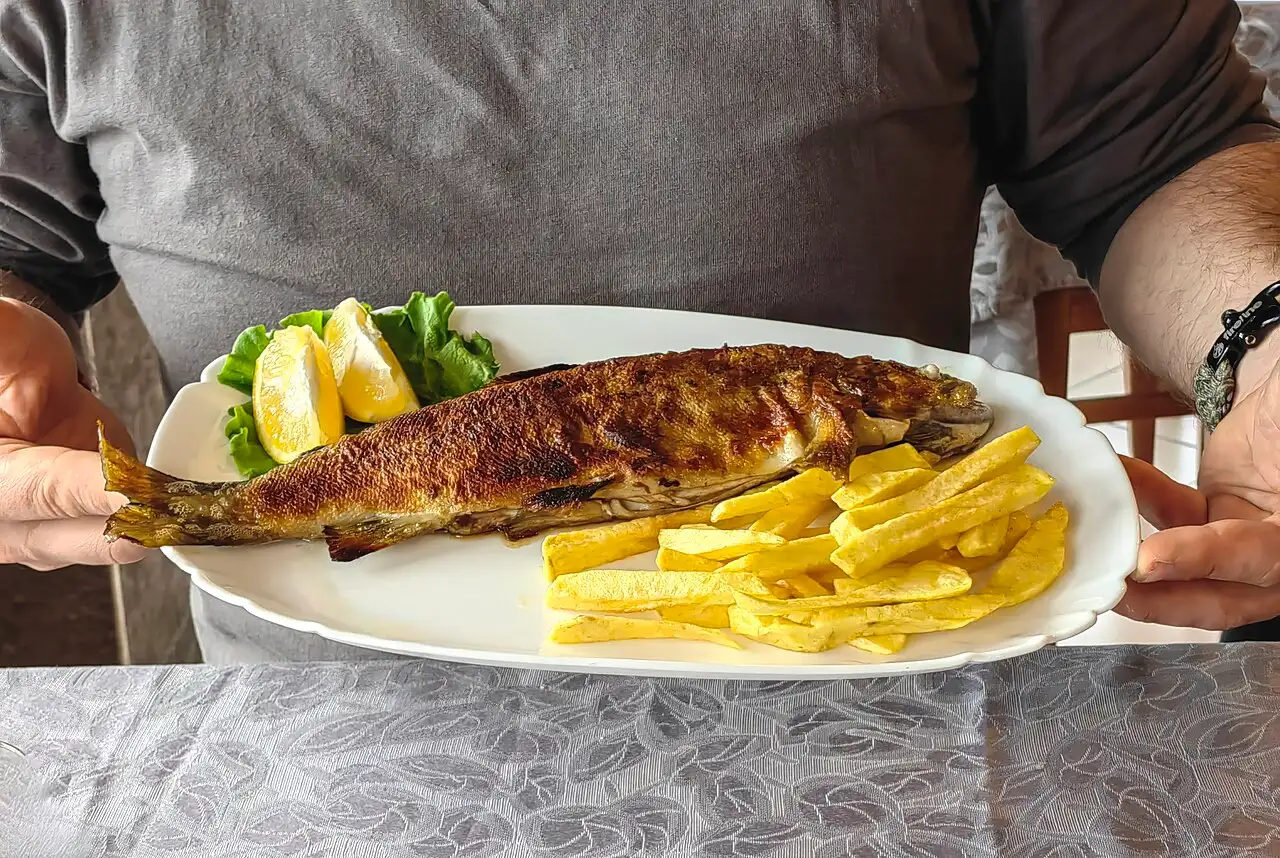
A whole trout usually arrives grilled or pan-fried with chips and a wedge of lemon, sometimes a little salad - a plain, good plate that lets the fish do the work.
The old town: traditional kitchens
For a proper Macedonian dinner rather than a fish lunch, walk up into the old town (Varosh), the tangle of cobbled lanes and National Revival houses above the harbour. This is where the family kitchens hide, and the cooking turns from the lake to the oven and the clay pot: tavče gravče (baked beans in a shallow pot), turli tava (a vegetable-and-meat bake), stuffed peppers, and grilled meat.
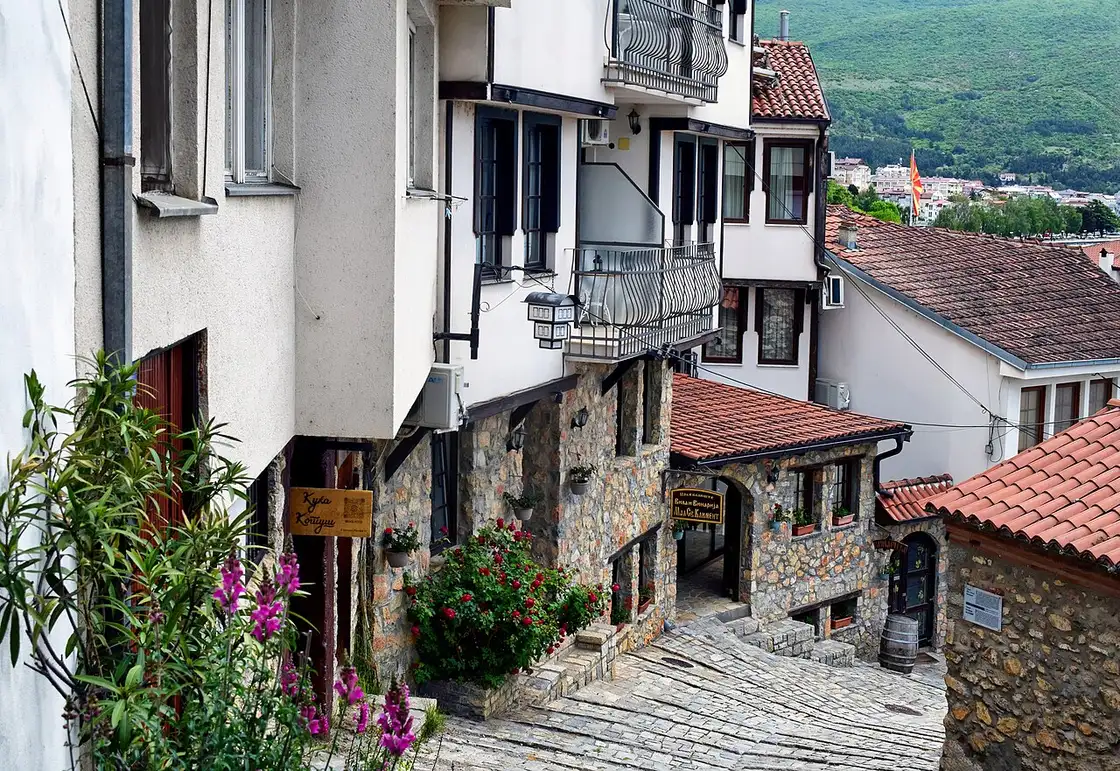
The reliable name is Antiko (Antico), set in an old stone house with a garden courtyard - cosy, traditional and good for a long dinner, with mains generally around 400-800 MKD (roughly 6 to 13 euro). Near the St Sophia church, Restoran Sveta Sofija does classic Macedonian food and keeps a serious cellar of more than a hundred local wines, so it’s the spot to pair a Vranec with your meal; our Macedonian wine guide explains what you’ll be drinking. For fish with a Mediterranean lean, Taverna Momir is a long-standing local favourite. None of these will surprise a Balkan traveller, but they do the honest home cooking well - and for how a Macedonian meal is actually run, meze first and no rush, see our guide to Macedonian food.
The harbour and the promenade
Down on the flat, the harbour and the lakeside promenade are the easy, all-day option - a long strip of terraces where you can watch the boats and the evening stroll. The trade-off is the usual one: you pay a bit more for the location and the food is reliable rather than remarkable. Restaurant Belvedere, near the harbour, is a dependable waterfront pick for grilled meat and fish, often with live music, and Pizzeria Leonardo is widely rated the best pizza in town when you want a break from Macedonian food. This is also the heart of Ohrid’s coffee culture - the promenade cafes are made for nursing a long espresso and a slice of cake between sights.
Cheap eats and what it costs
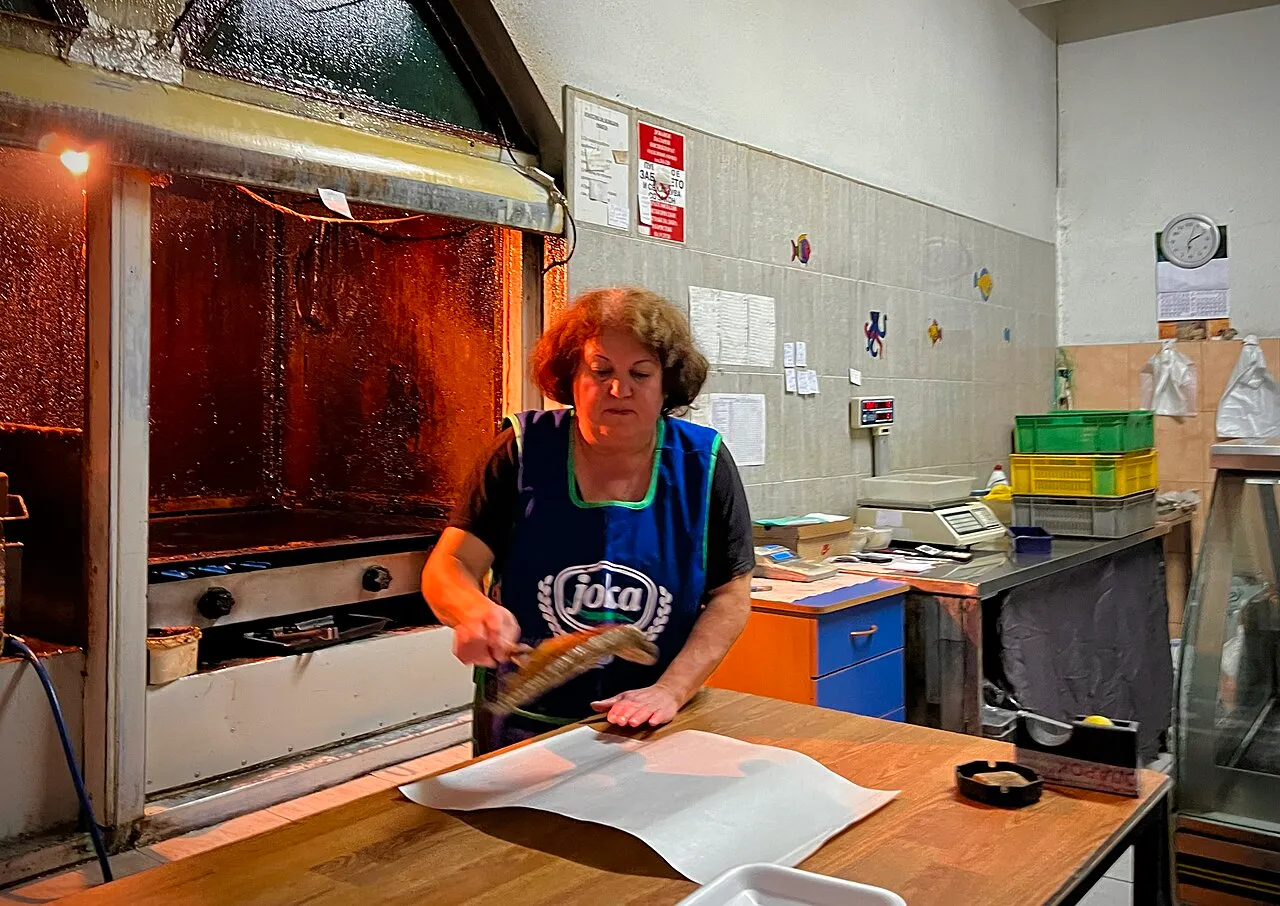
You can eat very well here for very little. The default cheap breakfast or snack is burek, the flaky filo pie sold by weight from bakeries from early morning, best with a drinkable yoghurt; a few euro covers it. For a fast lunch, the old-town grills do kebapi (small grilled minced-meat fingers) with bread, onion and ajvar for a couple of euro, and the green market is the place to assemble a picnic or buy a jar of homemade ajvar to take home.
Vegetarians do better here than a fish town suggests. Tavče gravče is traditionally a meatless fasting dish, the meze table leans on white cheese, ajvar, beans and roasted peppers, and a šopska salad under a mound of grated cheese is on every menu - just say bez meso (no meat) and you’ll eat well. One rhythm is worth knowing too: the old-town kitchens and the Kaneo terraces are busiest at dinner, while the promenade cafes run all day, so the natural plan is a bakery breakfast, a light lakeside lunch, and a long dinner up in Varosh or down at the cove.
A few practical habits smooth the eating. Carry denar in cash for the market, bakeries and small grills, which are cash-first, even though the centre and the bigger restaurants take cards. Tip casually, rounding up or leaving about ten percent. And know the money: prices are in Macedonian denar, steady against the euro at roughly 61.5 to €1, which is why a full fish dinner with wine here still feels like a bargain. For the dish-by-dish rundown of what to order across the country, see our guide to what to eat in North Macedonia; if you’re basing yourself on the lake, Struga 15 km up the shore is noticeably cheaper for a lakeside dinner.
Let someone else do the ordering
If you would rather have the lake’s food figured out for you, a food or wine tour is a good way in - a local guide walks you through the market, the bakeries and a tasting of Ohrid fish and Macedonian wine, and afterwards you know exactly which terrace to come back to. It’s an easy first-day fix, and it takes the guesswork out of the trout.
See also
- Things to do in Ohrid - the churches, the fortress and the boat trips
- What to eat in North Macedonia - the dishes, and how to order the trout responsibly
- Where to eat in Skopje - the capital’s Old Bazaar and Debar Maalo
- Macedonian food - how the kafana and the meze table work
- Lake Ohrid - the lake and its endemic fish
Read also

Food · 8 min read
Macedonian Wine: A Guide to Grapes and Regions
Updated · July 12, 2026A guide to Macedonian wine: Vranec, Temjanika and Stanušina grapes, the three wine regions, how to read a label and what a bottle costs.

Food · 9 min read
Tikveš Winery & Wine Region: Tours, Tastings, from Skopje
Updated · September 12, 2026Tikveš Winery (founded 1885), Stobi by the Roman ruins, Popova Kula with rooms: which wineries take visitors, what tastings cost, 1-1.5 h from Skopje.

Food · 8 min read
Best Restaurants in Skopje: Old Bazaar, Debar Maalo, Kafanas
Updated · September 12, 2026Where to eat in Skopje by district: kebapi at Destan (grilling since 1913) and burek in the Old Bazaar, kafana dinners with live music in Debar Maalo.

Food · 10 min read
Macedonian Food: A Guide to Eating and Drinking
Updated · July 9, 2026A guide to Macedonian food: the kafana table, meze and grills, Ohrid trout, Tikves wine and rakija, and where to eat well in Skopje.