
North Macedonia 10-Day Itinerary: Grand Tour
A 10-day North Macedonia grand tour of the east most trips skip - Kratovo, Stobi, Strumica, Prespa - plus Ohrid, Tikves wine and Mavrovo.
Ten days in North Macedonia is enough to do the thing almost nobody does: drive the whole country, not just the famous western half. A one-week trip runs Skopje to Ohrid and back through Bitola, and it’s a fine week. This route keeps those highlights but bolts on the entire eastern and southeastern side that short visits skip - the crater town of Kratovo, the eroded Stone Dolls of Kuklica, the Bronze Age observatory at Kokino, the Roman city of Stobi, the waterfalls and monasteries around Strumica, the Tikveš wine country and the birdlife of Lake Prespa - before it closes on Ohrid and the western mountains. If you only have seven days, do the 7-day North Macedonia itinerary instead; this is the trip for people who have already seen the postcards and want the rest.
Be clear-eyed about one thing: this is a driving route, and it needs a car. The east has almost no useful public transport between the sights, and half the point is the freedom to pull off for a waterfall or a winery. It’s a big loop - reckon on roughly 950 km over ten days - but the distances between stops are short, the roads are mostly good, and you never double back far.
The loop at a glance
| Day | Base | Focus |
|---|---|---|
| 1-2 | Skopje | Capital and Matka Canyon |
| 3 | Kratovo | Crater town, Kuklica, Kokino |
| 4-5 | Strumica | Štip, waterfalls, monasteries |
| 6 | Tikveš | Stobi ruins and wine country |
| 7 | Prespa | Golem Grad boat trip |
| 8-9 | Ohrid | UNESCO lake town |
| 10 | Mavrovo | Sunken church, Bigorski, home |
Distances are approximate driving figures. This is a genuine circuit - a return car hire from Skopje or its airport is all you need.
Days 1-2: Skopje and Matka
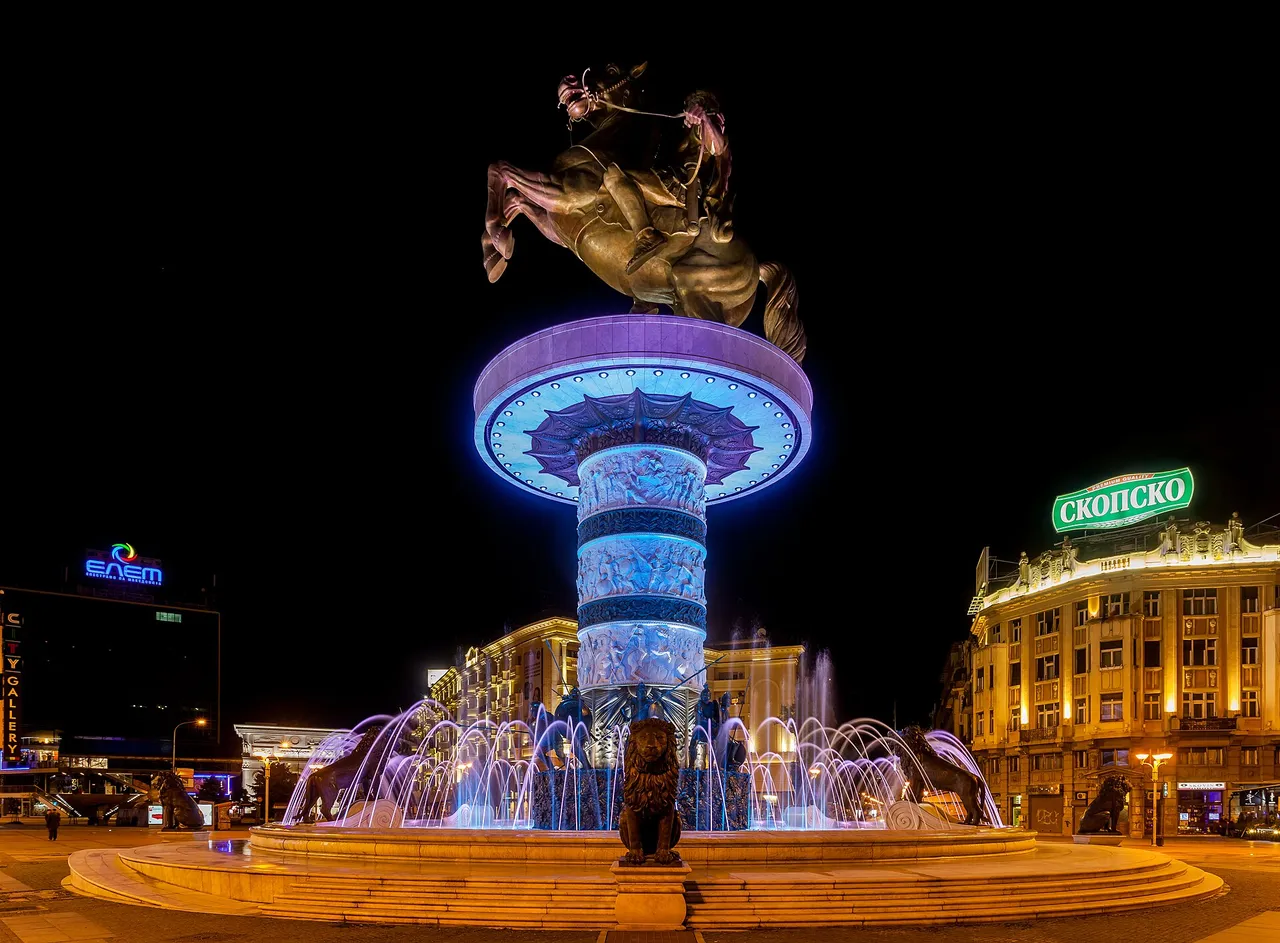
Start where every trip starts, but keep it tight, because you’ve the whole country ahead. Give day one to Skopje - the Old Bazaar and Kale Fortress on the north bank, the marble squares and giant statues on the south - and day two to a half-day at Matka Canyon, the gorge 17 km from the city. Both are covered in full in things to do in Skopje, so I’ll not repeat them here; the point of this itinerary is what comes after.
Day 3: The northeast - Kratovo, Kuklica and Kokino
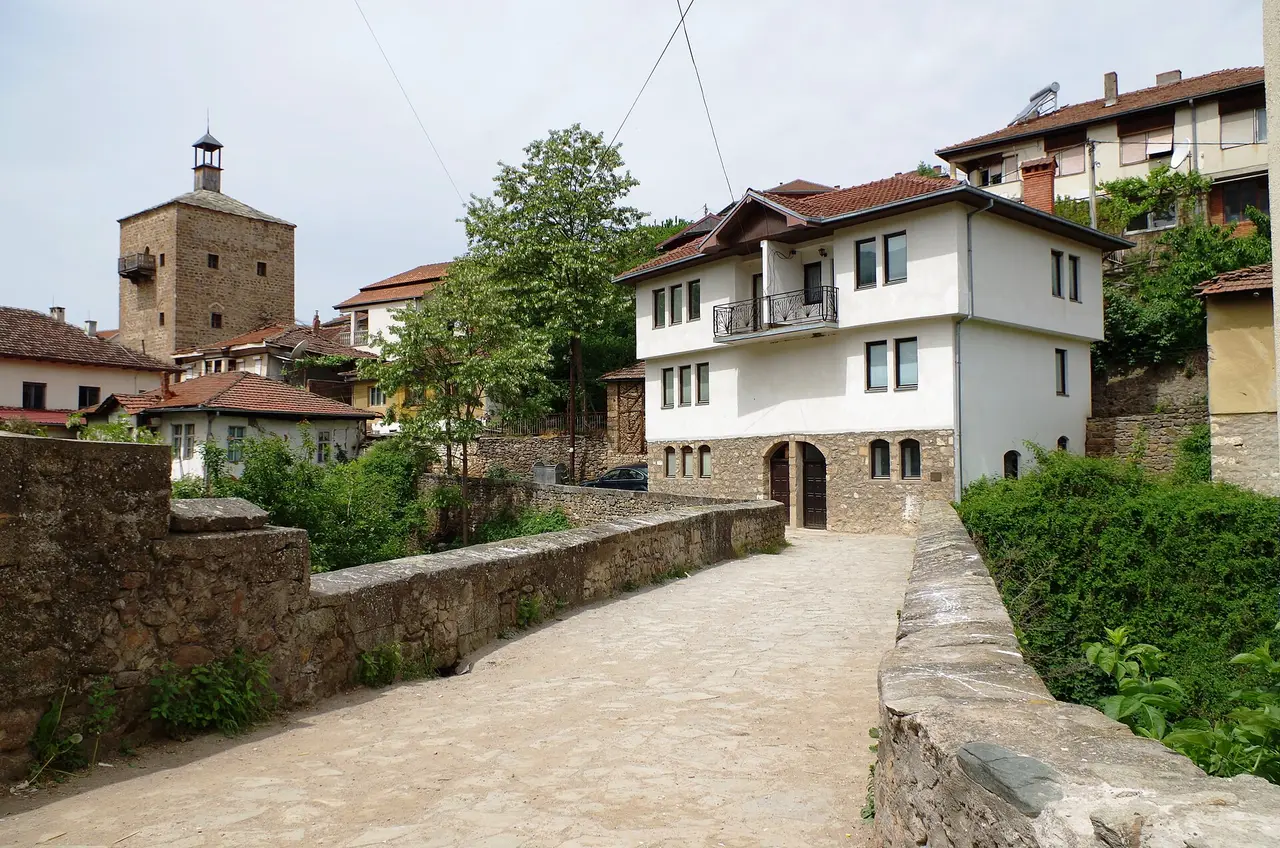
Point the car northeast, into a corner of the country most visitors never see. Kratovo sits inside the crater of an extinct volcano, an old gold- and silver-mining town threaded by a stream and crossed by early-Ottoman stone bridges, with a scatter of tall stone defense towers above the roofs - six of an original twelve still stand, including the clock tower. The things to do in Kratovo guide covers the towers, bridges and nearby Kuklica in full. Don’t try to squeeze Kokino onto a rushed afternoon.
Two oddities lie within reach. The Stone Dolls of Kuklica (Kameni Kukli) are a field of erosion pillars - about 15 tall columns up to ten metres high and some 120 smaller ones, shaped over millions of years and, in the local legend, a wedding party turned to stone. And on the plateau of Tatićev Kamen sits Kokino, a megalithic observatory dated to around the 19th century BC, where Bronze Age people cut markers into the volcanic rock to track the sun and moon. Sleep in Kratovo or push on toward Štip - you’ll want an early start for sunrise at Kokino.
Days 4-5: Štip and Strumica
Drop south to Štip, the workaday capital of the east and the home of pastrmajlija, the oval meat-topped bread that’s the region’s signature - eat it hot from a bakery, and see our food guide for what else to order. Northeast of Štip, the late-Roman walled town of Bargala rewards a detour - 17 km by road, with three early Christian basilicas and an excavated winery in the northeast corner of the site. It’s worth the side road if you’ve the morning.
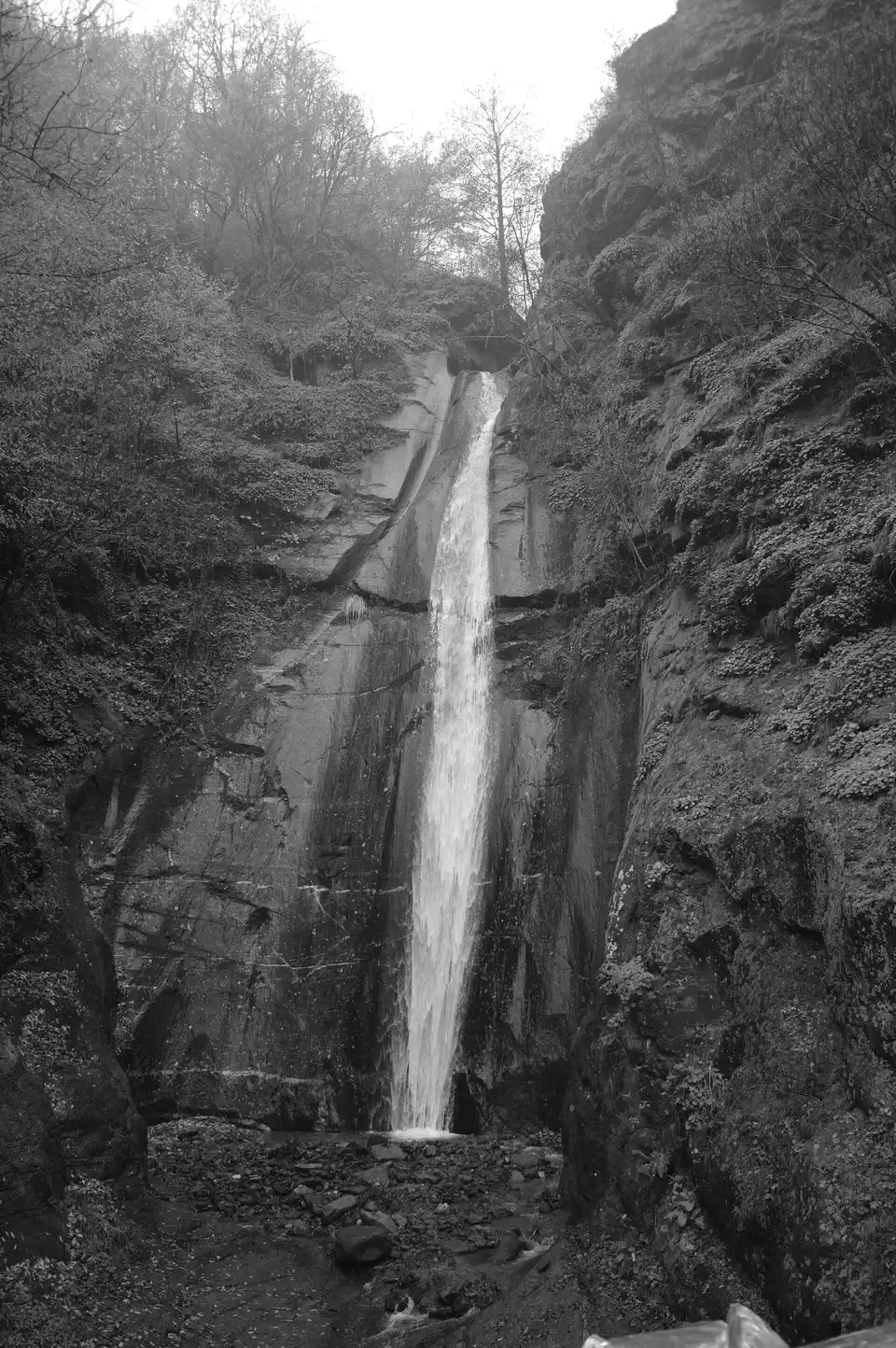
Carry on to Strumica, the hub of the fertile southeast, and give it a full day; our things to do in Strumica guide has the fortress, monasteries and carnival in full. The country’s tallest waterfall is here: Smolare, dropping about 39.5 metres through the beech forest of the Belasica mountains, with the gentler Kolešino falls close by. Add two of the oldest monasteries in the country - Veljuša (built in 1080, with its original marble iconostasis intact) and Vodoča, seat of the local diocese. If you happen to come in late winter, Strumica’s raucous pre-Lenten carnival is one of the biggest in the Balkans.
Day 6: Stobi and the Tikveš wine country
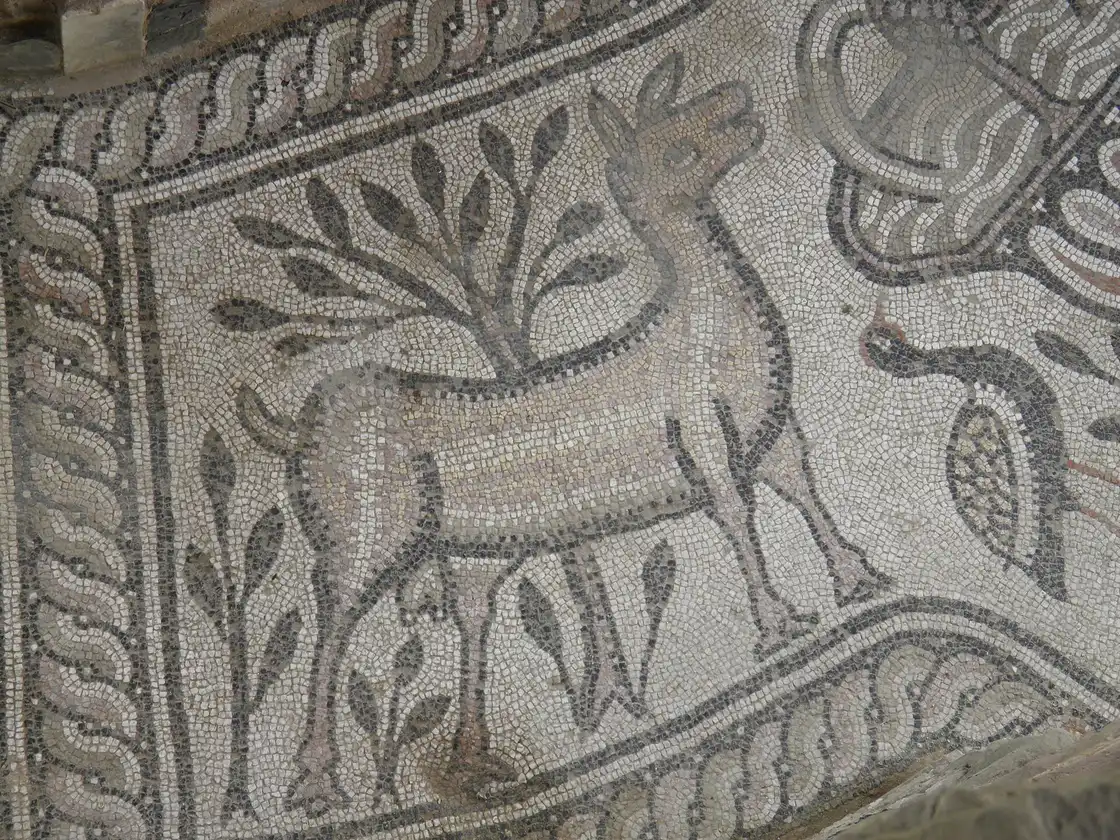
Swing west along the Vardar to Stobi, the largest and best-preserved Roman city in the country, near Gradsko where the Crna Reka meets the Vardar - about an hour south of Skopje on the A1. Give it an hour or two: excavated streets, basilicas, a theatre and, above all, the floor mosaics, whose peacocks, deer and birds are among the finest late-antique mosaics in the Balkans. Entry is modest - around 120-300 MKD (roughly two to five euro) - but confirm the price on arrival, as it varies.
Stobi sits on the doorstep of Tikveš, the wine region that holds around 80 percent of the country’s wineries, spread around Kavadarci, Negotino and Demir Kapija. This is the homeland of Vranec, the dark, full-bodied red, and the aromatic white Temjanika; several estates take visitors for tastings, and it’s a fine place to slow down for an afternoon and a night. Our food and wine guide goes deeper on the grapes.
Day 7: Lake Prespa and the Snake Island
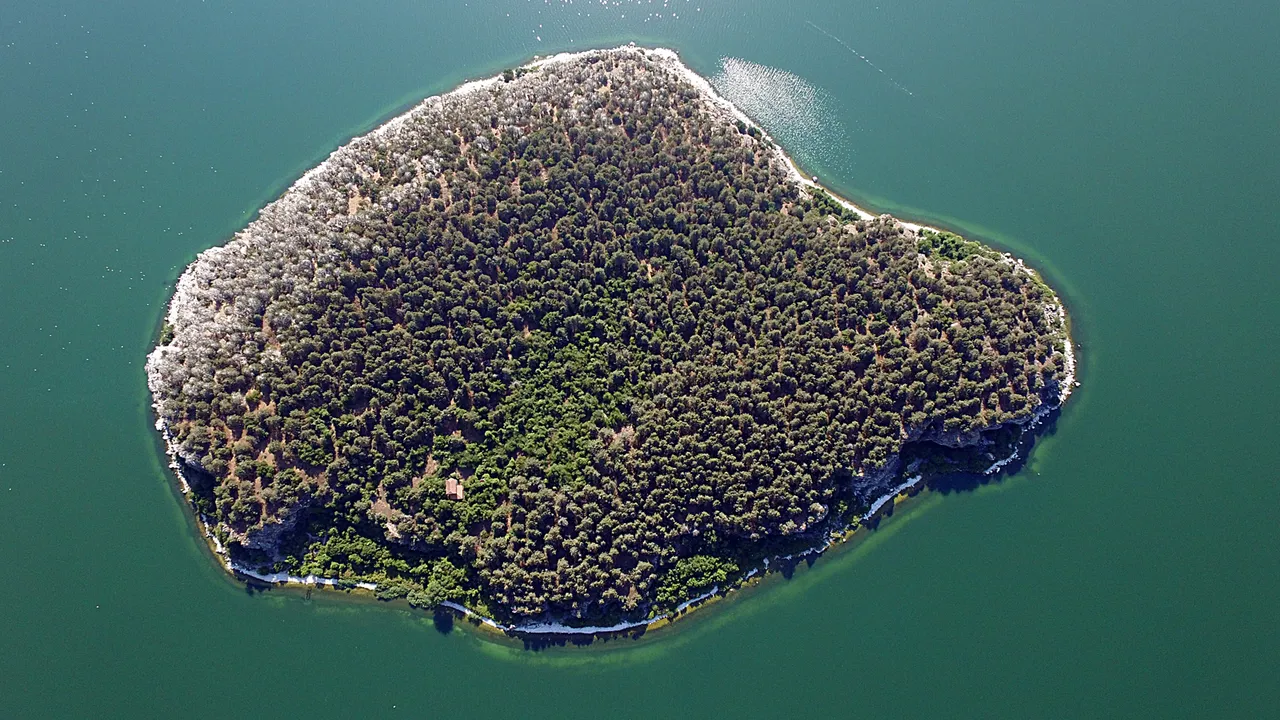
Cross west to Lake Prespa, Ohrid’s higher, quieter twin, sitting where North Macedonia meets Greece and Albania. The draw is a boat trip out to Golem Grad, the “Snake Island” - a forested rock that’s a protected reserve, home to big colonies of cormorants and, in summer, Dalmatian pelicans (roughly mid-April to mid-October), plus the ruined 14th-century church of St. Peter and older remains among the trees. Boats run out, water level and weather permitting, usually from Stenje village; arrange it locally the day before. Base yourself in a lakeside village like Pretor or Stenje for a genuinely off-grid night - you won’t find resort crowds here.
Days 8-9: Ohrid
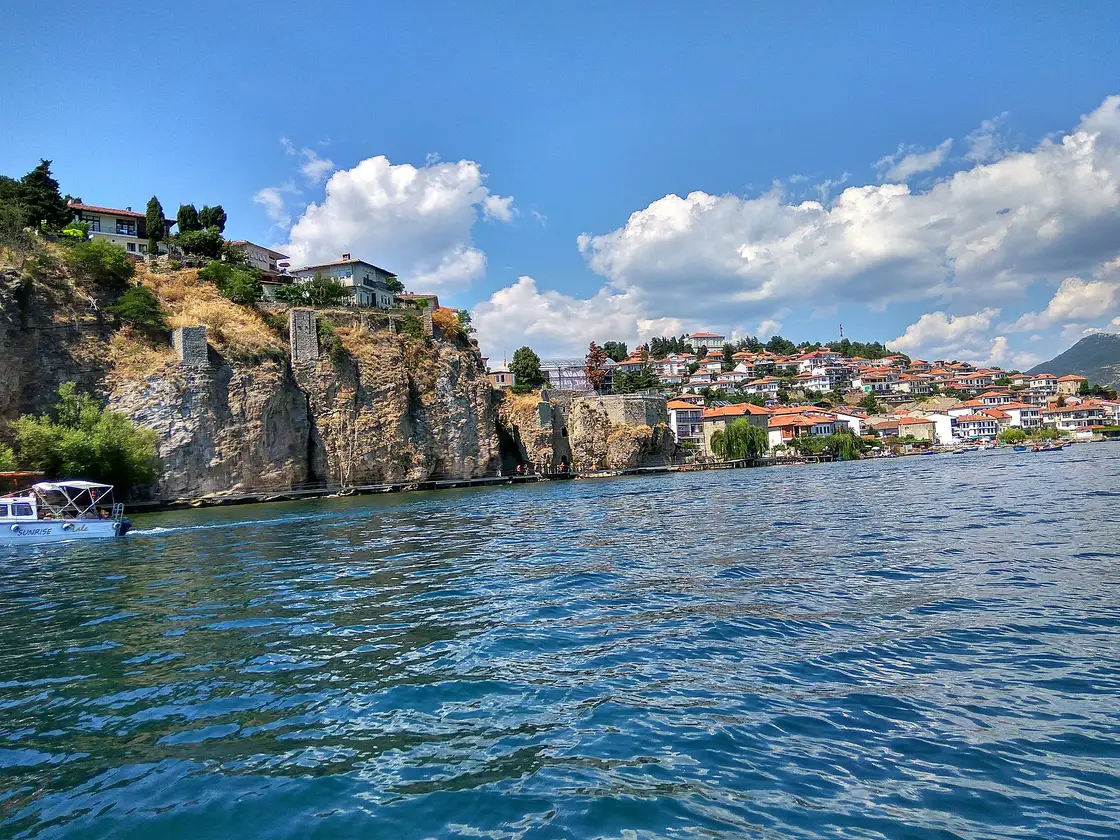
From Prespa the road climbs over the Galicica pass and drops to Ohrid, the one place this route shares with every other. It earns two nights. Ohrid is a UNESCO World Heritage town on one of the oldest, deepest lakes in Europe - the cliff-top Church of St. John at Kaneo, Samuel’s Fortress, the ancient theatre and the old-town lanes, plus a boat down to Sveti Naum monastery and a swim off the town beaches. Everything to see is in things to do in Ohrid and the guide to Lake Ohrid, so use the second day to actually slow down rather than tick sights.
Day 10: Mavrovo, and back to Skopje
Close the loop through the western mountains. From Ohrid the road runs north via Kicevo into Mavrovo National Park, the largest in the country. Two things are worth the stop: the half-submerged Church of St. Nicholas, marooned in the reservoir since the valley was dammed in 1953, and Bigorski Monastery on the Radika, whose walnut iconostasis, carved between 1829 and 1835, is among the finest woodwork in the Balkans. Our Skopje to Matka and Mavrovo loop covers the park in detail if you want to give it longer. From Mavrovo it’s a couple of hours back to Skopje and the airport, closing the circle.
Practicalities
Car. Non-negotiable on this route - the east and Prespa aren’t served by useful public transport, and the whole trip is built around driving freedom. North Macedonia drives on the right; roads are good on the main corridors and slower on mountain and village stretches. Carry denar cash for fuel, entries, boats and monastery donations. See renting a car in North Macedonia.
Pace. Ten days is relaxed for this loop, with room for a slow afternoon in Tikveš or an extra night on Prespa. Cut it to eight by trimming a Strumica day, or stretch it to a fortnight and add Bitola and the Pelister mountains from the 7-day route. For how the country fits together, see how many days in North Macedonia.
When to go. May to October. The Prespa pelicans are around from about mid-April to mid-October, the waterfalls run best in late spring, and September brings the Tikveš grape harvest. Mountain roads to Mavrovo can be slow or snowy in winter.
Seven days or ten?
If this is your first trip and you want the greatest hits, seven days is plenty and the 7-day itinerary is the one to follow - Skopje, Ohrid, Bitola and the south, at a comfortable pace. Ten days is for the traveller who wants a genuinely different trip: the same lake and mountains, yes, but reached the long way round, through the Roman ruins, wine country, waterfalls and empty backroads of the eastern half that almost every visitor drives past. It’s more country, more driving, and a lot fewer other tourists.
See also
- North Macedonia 7-day itinerary - the classic western week
- Skopje to Matka & Mavrovo loop - the western mountains in depth
- Things to do in Ohrid - the UNESCO lake town
- Lake Ohrid - the lake itself
- Matka Canyon - the day-two gorge near Skopje
- What to eat in North Macedonia - pastrmajlija, Tikveš wine and more
- How many days in North Macedonia - planning the length of your trip
Route day by day
- Days on the road
- 10
- Distance
- ≈950 km
- Budget from
- 700 EUR
- Best season
- May, June, July, August, September, October
The route at a glance
-
Skopje
Route startstop ≈600 min
Days 1-2: the capital and Matka Canyon - the same start as a one-week trip, kept short so the rest of the loop has room.
Photo: Diego Delso · CC BY-SA 3.0 · Wikimedia Commons ( source) -
Kratovo & the northeast
95 km from the startstop ≈360 min
Day 3: a town in a volcanic crater, the Stone Dolls of Kuklica and the Bronze Age observatory at Kokino - the corner no short trip reaches.
Photo: Cibrev · CC BY-SA 4.0 · Wikimedia Commons ( source) -
Strumica
240 km from the startstop ≈720 min
Days 4-5: the southeast via Stip - the Smolare and Kolesino waterfalls and the medieval monasteries of Veljusa and Vodoca.
Photo: AngiùStan · CC BY-SA 3.0 · Wikimedia Commons ( source) -
Stobi & Tikveš
340 km from the startstop ≈360 min
Day 6: the largest Roman city in the country and, next door, the Tikves wine region - Vranec and Temjanika at the source.
Photo: Carole Raddato · CC BY-SA 2.0 · Wikimedia Commons ( source) -
Lake Prespa
470 km from the startstop ≈300 min
Day 7: the quiet twin of Ohrid - a boat to the forested Golem Grad, the "Snake Island", with its cormorants, pelicans and ruined church.
Photo: Bojan Trenčevski · CC BY-SA 4.0 · Wikimedia Commons ( source) -
Ohrid
530 km from the startstop ≈1440 min
Days 8-9: the UNESCO lake town over the Galicica pass - Kaneo, the fortress and the theatre. The one anchor this trip shares with the classic week.
Photo: Visem · CC BY-SA 4.0 · Wikimedia Commons ( source) -
Mavrovo
640 km from the startstop ≈480 min
Day 10: the western mountains on the way home - the sunken church, Bigorski Monastery and the road back to Skopje.
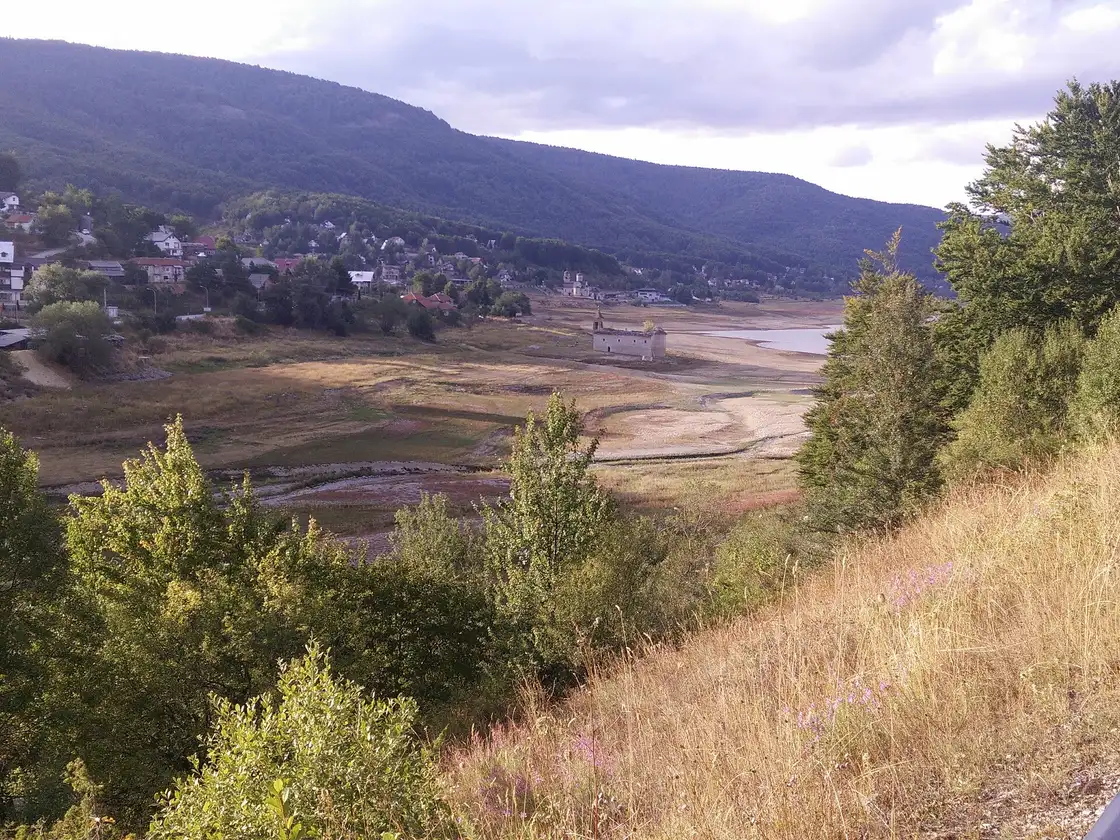
Photo: Ismcuacor · CC BY-SA 3.0 · Wikimedia Commons ( source)
Route map
The map with stops loads on click - to keep the page lightweight.
The map didn’t load. Check your connection and refresh the page.